Project management: fundamentals, methodologies and best practices10 essential project management roles

Key takeawaysKey takeaways
Strong project delivery comes from clear lifecycle control, the right framework, and disciplined communication.Clear role boundaries and strong collaboration improve delivery, governance, and outcomes.
- Project management guides a temporary endeavour through initiating, planning, executing, monitoring and controlling, and closing.The project manager integrates scope, budget, schedule, risks, and communication to keep delivery on track.
- Match methodology to context: Agile suits changing needs, while Waterfall and PRINCE2 fit defined scope and governance.The project sponsor secures funding, removes obstacles, and owns accountability for business value.
- Clear roles, especially sponsor, stakeholders, and project manager, reduce conflict and speed decisions.Team members deliver quality work and share progress early to prevent issues compounding.
- Use practical tools like Gantt charts, critical path, and software dashboards to manage time, cost, and risk.Assistant PMs, coordinators, and administrators reduce operational load through delegation, tracking, and documentation.
- Courses and certifications build leadership, communication, and analytical skills that improve career prospects and delivery outcomes.Senior PMs and project directors align initiatives to strategy, optimise resources, and manage cross-project risk.
). It is structured around five core phases: Strengthen collaboration within teamsInitiating, Planning, Executing, Monitoring and Controlling,Enhance project efficiency and Increase overall project success rates.ClosingWhether you are a seasoned project management professional or new to the field, this article will provide valuable insights into the diverse roles that drive project excellence..<
span data-mce-type="bookmark" style="display: inline-block; width: 0px; overflow: hidden; line-height: 0;" class="mce_SELRES_start">Project management
Creating and managing budgetsproject life cycleDeveloping schedules and timelines generally comprises five standard process groups:Allocating resources efficiently
- InitiatingMitigating risks and resolving issues: Defining the project at a broad level, setting Communicating with stakeholders.business caseSuccessful , and identifying stakeholders.PMs
- Planning possess a unique set of technical and interpersonal skills:: Establishing the scope, objectives, detailed schedule, risk management plan, budget, deliverables, and resource allocation.Leadership
- Executing: Inspiring and motivating team members to perform at their best: Coordinating people and resources, as well as meeting established milestones and deliverables.Communication
- Monitoring and controlling: Clearly conveying ideas, expectations, and instructions to all parties involved: Tracking, reviewing, and regulating progress and performance, managing changes, and ensuring project stays on schedule and within scope.Problem-solving
- Closing: Addressing and resolving challenges and obstacles efficiently: Finalising all activities, handing over deliverables to the user/customer, releasing resources, and capturing Adaptabilitylessons learned: Adjusting strategies and plans as necessary to meet changing circumstances.Organisation
Project management methodologies & frameworks: Managing multiple tasks and priorities simultaneously without losing focus.
Multiple methodologies and models structure how This role is crucial to the success of any project. It acts as the glue that holds the project together and maintain the entire process moving in the right direction. This role keeps the project aligned with organisational goals, ensure deadlines are met, and foster collaboration and communication among team members. By expertly balancing constraints such as time, budget, and scope, this role significantly increase the chances of achieving the desired project outcomes and delivering value to all stakeholders.projectsProject sponsor are managed:The
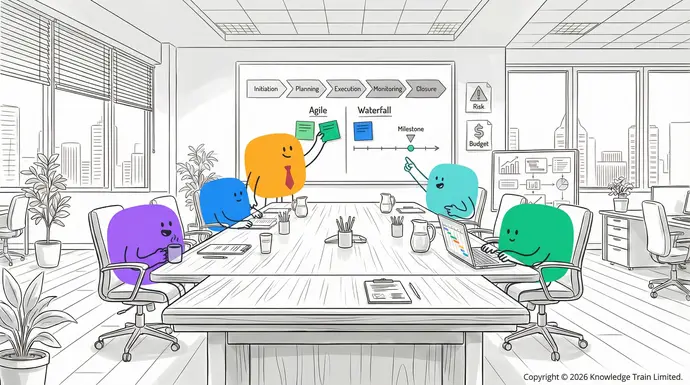
- Agile methodologyproject sponsor: plays an important part in starting and supporting Agileprojects is an iterative, flexible approach emphasising collaboration, adaptability and rapid delivery; commonly used in software development and rapidly changing environments. Popular Agile frameworks such as from initiation through completion. This role, typically held by someone at an executive or senior management level, champions the project and ensures it is in alignment with organisational objectives. Some of the key responsibilities that fall under the project sponsor’s domain include:ScrumSecuring funding and resources for the project are used by teams to deliver the products specified by the customer.Approving the project charter and project scope
- Waterfall modelMaking high-level decisions related to the project: A sequential, linear process suited for projects with clear, fixed requirements, such as construction and manufacturing.Providing resolution to any escalated issues.
- Lean project managementProject sponsors act as the connection between the project team and senior-level stakeholders. They are responsible for clearly communicating the value and progress of the project to these stakeholders. The project sponsor is also the final person with accountability for the project budget and results.: Minimises waste and maximises value; ideal for manufacturing, service improvement, and efficiency-focused projects.The relationship between the sponsor and the PM is vital to the success of the project. This role oversees the day-to-day operations of the project, while the sponsor provides strategic guidance and support by:
- Project Management Body of Knowledge (PMBOK)Offers strategic direction: A set of standard terminology and guidelines from the Provides political supportProject Management InstituteEliminates organisational barriers. that covers all This strong partnership guarantees that the project is on track, has enough resources and is well aligned with business goals. By actively engaging with and supporting project sponsors, the PM increases the likelihood of project success and stakeholder satisfaction.project management processesProject team members.Project team members are a collection of skilled and experienced professionals who apply their specialised knowledge to help projects meet their goals. These team members can take on many different titles or roles, including:
- PRINCE2Developers and engineers: A highly structured methodology focussed on business justification, clear organisation and divided into manageable stages; widely adopted by UK public sector and internationally.Designers and other creative specialists
Comparing project, programme, product managementProject coordinator
- Project managementA : Focuses on delivering a unique, timebound outcome.project coordinator
- Programme management, or as we will be using to describe it, a coordinator. They work on the team as a supporting role. Some of the responsibilities of a coordinator include:: Oversees a group of related projects aligned to strategic objectives.Meeting and calendar management
- Product managementProject record keeping: Manages the lifecycle, strategy and development of a product.Project logistics
- Operations managementProject tracking and reporting.: Manages ongoing processes for continuous delivery of products or services.Project coordinators, supporting the PM and team, may:
Best practicesServe as a central point of communication
- PMBOKSupport resource allocation and management (Monitor and control project budgets and expensesProject Management Body of KnowledgeSupport risk identification and mitigation.): Comprehensive global standard for project management processes.Project coordinators help with administrative support, allowing the PM to focus on decision-making and leading the project. Their organisational skills and eye for detail allows for a smoother and more effective project workflow.
- PRINCE2Project administrator: Process-based methodology emphasising control and organisation.The
- Best practicesproject administrator: Align with global standards, stakeholder engagement, clear documentation, regular reviews, and continuous improvement. plays another important support role, providing administrative support. The project administrator’s key tasks include:
Refer to the Managing paperwork and digital files related to the projectProject Management InstituteUpdating and maintaining and project management softwareother authoritative sourcesSupporting financial tracking and budget reports for further study.Helping to coordinate team schedules and resource allocation.
Project management certificationsDocumentation
Professional is the heart of a project administrator’s job. This includes:certificationsDeveloping and organising validate project management knowledge and competence:project plans
- PMPCompiling progress reports and status updates (Project Management Professional), Archiving important communications and decisionsCAPMEnsuring compliance with organisational policies. (Certified Associate in Project Management) from Administrators leave a paper trail and detailed record of project actions and decisions. This documentation is a valuable tool for decision-making, performance reviews, and sharing knowledge for future PMIprojects
- Foundation. It also contributes to the organisation’s long-term success and efficiency. and Senior project management rolesPractitionerS level PRINCE2 certifications and