Making ideas succeed image
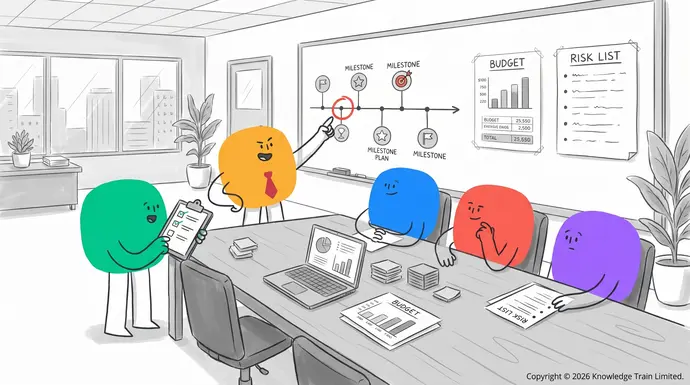
Featured postMany organisations use change management methodologies to enable ideas to succeed. Working alongside

Project portfolio management – what, why & how with Stephen Jennerproject managers

Discover seven practical portfolio-management techniques to optimise your organisation’s project and programme investm... who deliver new capabilities into an organisation,

change managersimage
Align the change plan to the business’s overall strategy. Improve internal and external services and requests.Read moreTrack and resolve issues. Engaging people with the change process
UK salary growth by profession: who really got richer since 2005?
to make changes such as:Knowledge Train analysis finds 104 of 158 UK occupations lost real pay since 2005 despite nominal rises, highlighting widespread erosion of spending power.Restructuring job roles.
When positive change is applied correctly, it helps to reduce waste and therefore reduce costs. Effective change management helps an organisation make smart choices. It increases productivity, decreases risks, and helps to improve the profitability of an organisation.
Change management principles Clear communication : Ensure transparency and regular updates throughout the process.
Leadership involvement
: Leaders must champion change and encourage desired behaviours.The hidden cost of salary secrecy in hiring
The hidden cost of salary secrecy in hiringStakeholder engagement
: Involve and listen to those affected by the change.image
Proactive

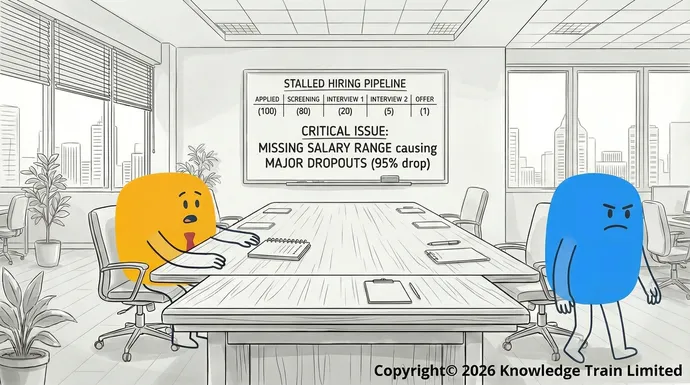
Salary secrecy in hiring can seem like a negotiation tactic, but it often carries hidden costs. When job adverts omit pay ranges, strong candidates may move on, interview time is wasted on unsuitable applicants, vacancies can stay open longer, and employer credibility can take a hit. With UK guidance pointing towards fair, clear communication and EU rules moving towards salary disclosure, publishing a salary range and having early salary conversations can protect hiring performance and reduce avoidable churn.risk management

: Identify, assess, and mitigate potential challenges.
: Outline actions, timelines, resources, and communication strategies.Is business analysis a career trap or a launchpad? A developer’s honest guide to making the move
: Use metrics to track success and celebrate milestones.
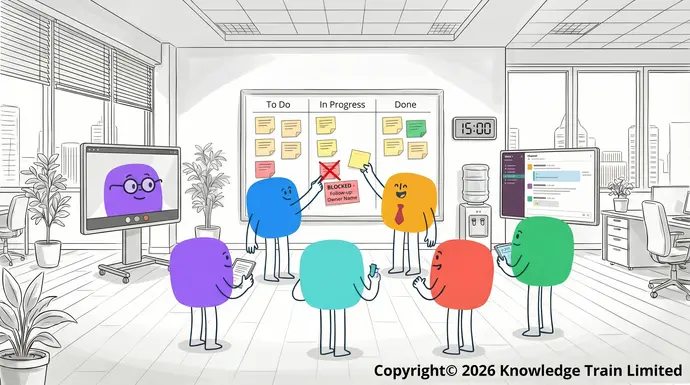
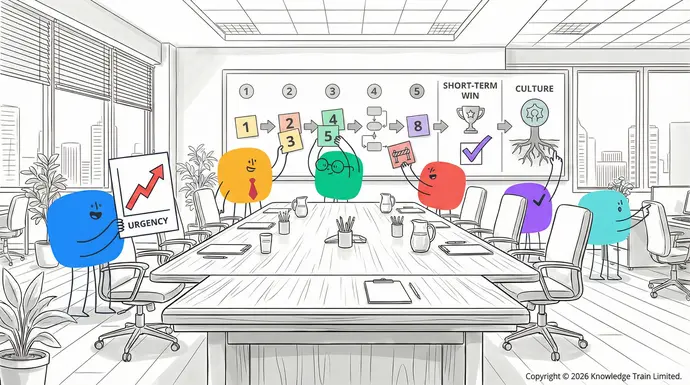
Daily stand-ups that don’t waste time: how to fix attendance-check ceremonies with practical agile alternativesKotter’s 8-step process
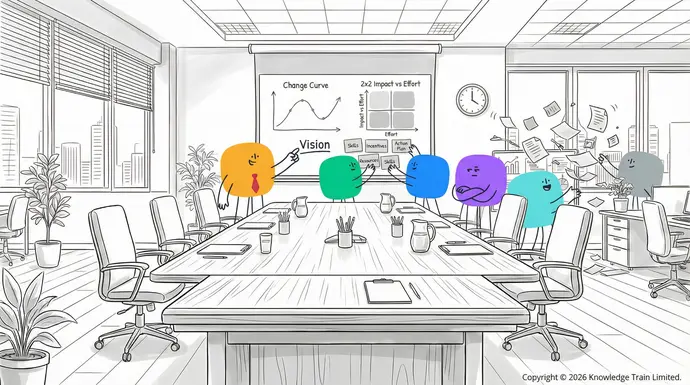
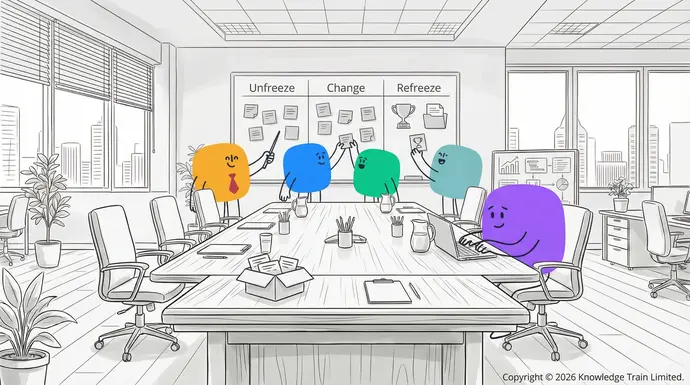
Lewin’s change modelimage
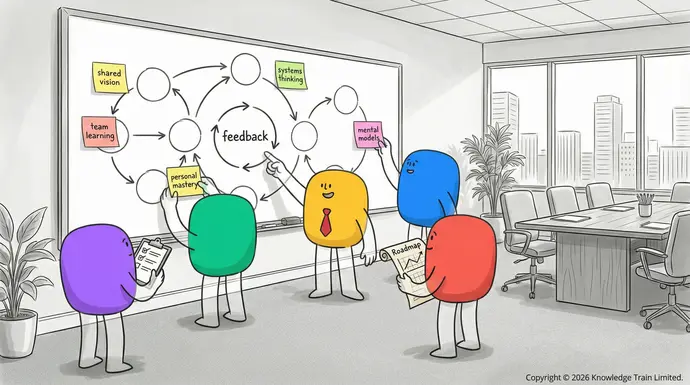
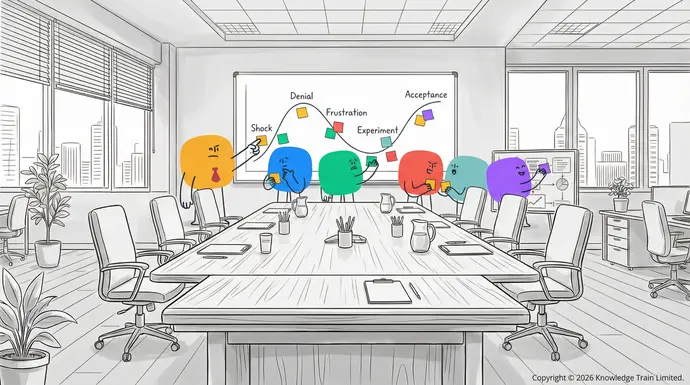
Kübler-Ross change curveStand-ups were never meant to be status reports. This guide covers practical ways to fix the format for co-located, remote, and hybrid teams.Peter Senge’s system thinking model
.
The 5 skill categories for staying relevant in the AI economy, study reveals
image
AI is reshaping the economy, but some skills are holding their ground. A new study reveals the 5 categories most likely to stay in demand.Empower broad-based action
Tackling burnout: hidden drivers and sustainable solutions
image
ADKAR model
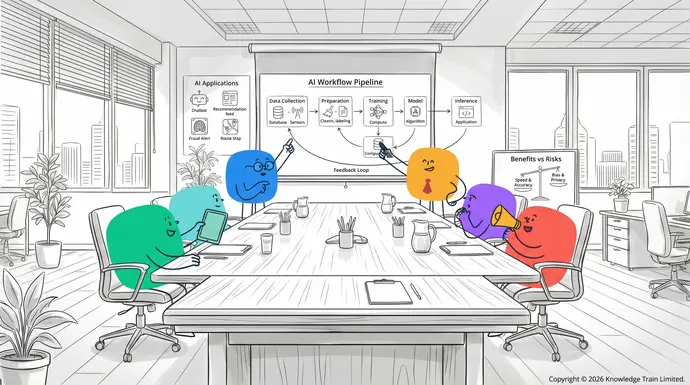
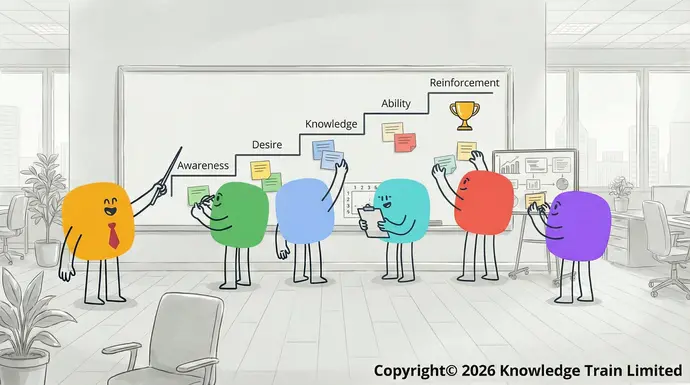
Artificial Intelligence (AI): Definition, how it works, types, examples, benefits, and risksReinforcement
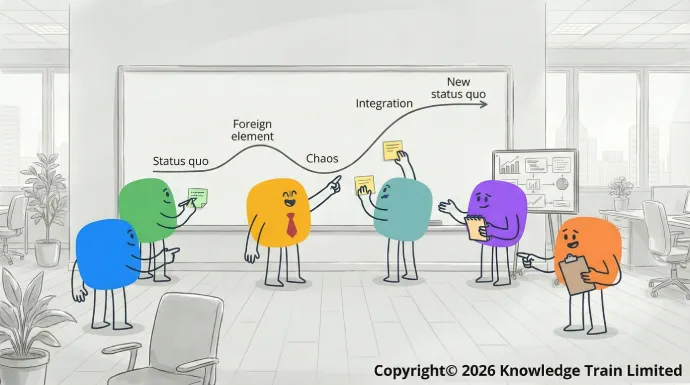
Late status quoArtificial intelligence (AI) is a branch of computer science focused on building systems that can perform tasks that normally require human intelligence, such as learning, reasoning, language understanding, perception, and decision-making. It combines data, algorithms, models, and computing power to recognise patterns, make predictions, generate content, and support automation.: Existing ways of working remain familiar and predictable.
  • What it is:Resistance AI enables machines to carry out tasks linked with human cognitive abilities.: People react to the introduction of something which challenges the status quo.
  • AI systems learn from data training, model development, inference, and feedback loops.: Familiar ways of working no longer operate effectively while new ones are not yet established.
  • Major types:Transforming idea Common categories include narrow AI, artificial general intelligence, and superintelligence, plus functional types such as reactive machines and limited memory systems.
  • Common applications:: People begin to understand how the change could work. AI is used in healthcare, finance, transport, retail, education, manufacturing, customer service, cybersecurity, and entertainment.Integration
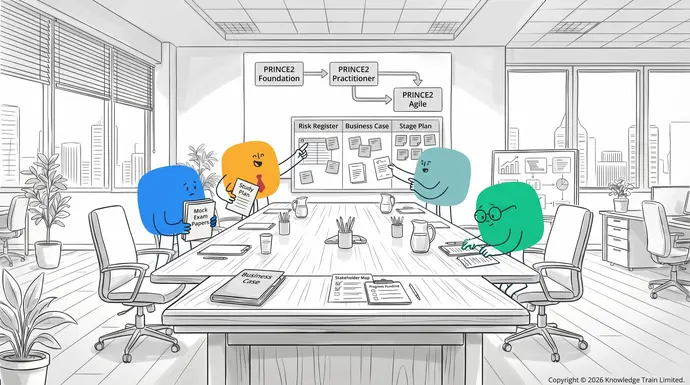
Anger PRINCE2 certification guide
PRINCE2 certification guide: Frustration or resentment about the change.
: Reduced morale as the consequences of the change becomes clearer.Shared vision
Load more