It is important to understand the differences between the two to make informed decisions regarding resource allocation, optimise decision-making processes, and foster effective collaboration across teams.What credentials do I need to be a project manager? As
projectWhat degree do you need to be a project manager? and product management become increasingly important in today’s business environment, it is critical to understand their respective roles and how they complement each other to tackle complex challenges effectively. This article will explore the key differences between the two, including specific responsibilities, skills and traits required, career paths, and other aspects. By understanding these distinctions, individuals and organisations can make informed decisions about how to best leverage both disciplines to achieve their objectives and drive success.
Defining project management and product managementWhat is the best certification for project management?What is project management? Project management
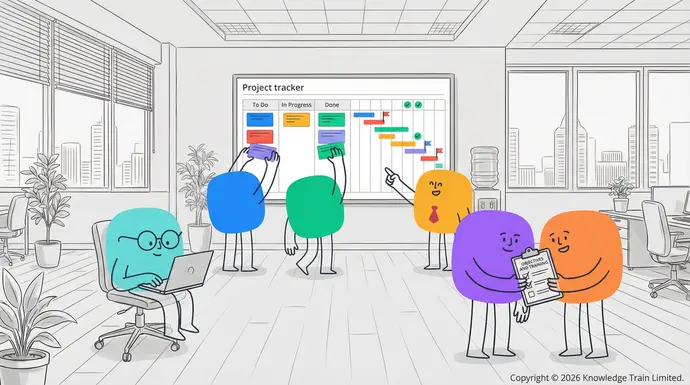
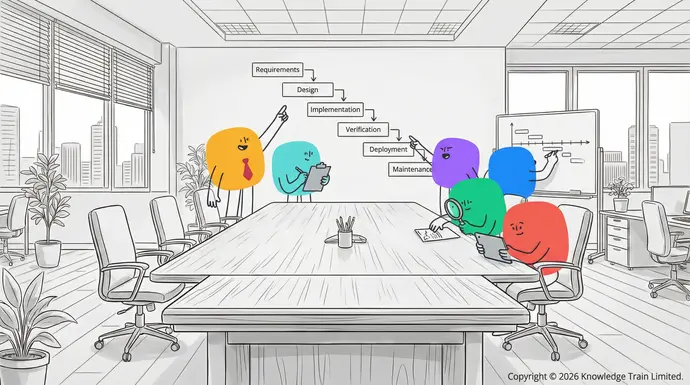
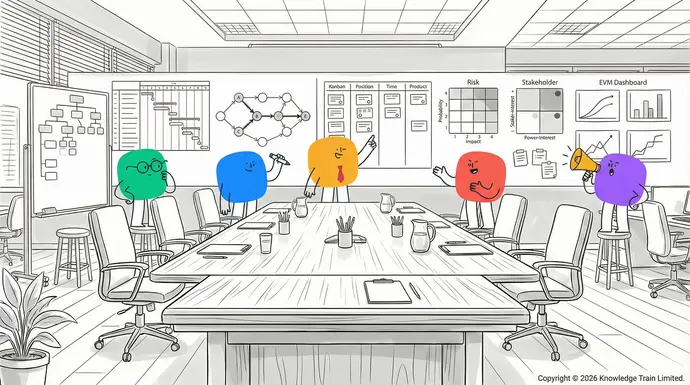
is a discipline of planning, implementing, and controlling a project with specific goals and a timeline. What is the best certification to get for project management?Project managers oversee various tasks, including planning and scheduling the project tasks, allocating resources,
riskWhat is the best entry-level project management certification? and issue management , and ensuring the project is delivered on time and within budget. The key objectives of project management are to meet the project’s deadlines and milestones, ensure quality control, promote team collaboration, and report on the progress to stakeholders.
What is product management?What is the best project management certification in the UK?Product management, on the other hand, is responsible for the entire lifecycle of a product, from its initial concept to its retirement. The role of a product manager
includes defining the product’s vision and strategy, conducting market research and analysis, prioritising product features and improvements, and working with cross-functional teams to ensure the successful delivery of the product. Product management’s main objectives are to understand customer needs and pain points, align product development with business objectives, optimise product value and market fit, and drive product adoption and revenue growth.What is the best project management qualification in the UK?Common misconceptions and overlaps While project and product management serve different functions, there are overlaps that can lead to misunderstandings. Some common misconceptions include believing that
project managersWhat is the best project management qualification? have authority over product decisions, expecting product managers to handle day-to-day project tasks, and assuming the roles are interchangeable. Both roles are distinct but complementary. Project managers are often focused on execution and delivery, while product managers provide strategic guidance and have a long-term vision for the product. The two roles need to work together in successful organisations to leverage their unique skill sets and achieve the best outcomes.
Enhance your skills with our expert-led coursesWhat is the hardest project management certification?
What is the hardest project management exam?Instructor-led Introduction to Project Management course
What is the highest qualification in project management?£499 +vat
See all datesWhat is the most prestigious project management certification?
What is the most recognized project management certification?Instructor-led Project Management Essentials
What is the most reputable project management certification?£999 +vat
See all datesWhat is the most respected project management certification?Key differences between project managers and product managers Role focus and scope
Project managersWhat project management qualification is best in the UK? are primarily focused on execution and delivery. They drive the implementation of specific projects and are responsible for managing the team to deliver project goals within constraints. Project managers focus on getting the job done. Product managers
, on the other hand, are responsible for strategy and vision. They are tasked with defining what should be built and why, shaping the product roadmap and ensuring alignment with business objectives. In essence, product managers think about the product’s life cycle and market position, while project managers are more concerned with the day-to-day activities.What qualifications do I need to be a project manager?Timeline and lifecycle involvement Project managers
work within defined start and end dates, whereas product managers are involved in a product’s lifecycle indefinitely. A project manager guides a project from initiation to closure and then transitions to the next project or opportunity. On the other hand, a product manager’s responsibilities continue as long as the product exists in the market. They manage updates, improvements and adapt to market needs, so their involvement is ongoing.What qualifications do you need to become a PM?Decision-making authority Project managers are tactical decision-makers, operating within project constraints. They are responsible for decisions about task prioritisation, resource allocation, and risk management, but they typically don’t have authority to make decisions about the overall project’s scope or direction. In contrast, product managers have strategic decision-making power. They decide what features the product should have, how it should be positioned in the market, and when to pivot based on customer feedback or market changes. Product managers make decisions that have long-term implications for the product.
Stakeholder managementWhich certificate is best for a project manager?Project managers primarily work with internal teams and stakeholders directly involved in project execution. They coordinate between team members, manage project-related communication, and report to project sponsors or department heads. Product managers interact with a wider range of stakeholders. This includes not only internal teams like engineering, design, marketing and sales but also external ones. They gather insights from customers, understand market trends and work with multiple departments to ensure product-market fit. These differences in roles, responsibilities and operational focus highlight the unique contributions of both project managers and product managers to an organisation. While project managers are essential for executing specific initiatives, product managers play a pivotal role in setting strategic direction, thus guiding the overall product development and market success.
Skills and qualificationsWhich certification is best for project management?Project manager skills Project managers
need to possess a range of skills to lead Which certification is good for a project manager?projects effectively. Some of the key skills include: