Project management benefitsSimon Buehring


Guide”, “PMP” and “CAPM” are registered marks of Project Management Institute, Inc. Knowledge Train Scrum Essentials™, Business Learning Library (BLL)™, Business Analysis Learning Library (BALL)™, Agile Learning Library (ALL)™, IT Learning Library (ITLL)™, and Compliance Learning Library (CLL)™ are trademarks of Knowledge Train Limited. All rights reserved.
The structured approach of project management often leads to improved job satisfaction. Team members benefit from clear roles and responsibilities, opportunities for skill development, and recognition of individual and team achievements.Knowledge Train Ltd is an Introducer Appointed Representative of NewDay Cards Ltd for the Newpay finance product provided by NewDay Ltd. NewDay Cards Ltd acts as a credit broker, not a lender. We will introduce you exclusively to Newpay finance products provided by NewDay Limited under this Introducer Appointed Representative arrangement. Finance available from other lenders is not covered by this arrangement. NewDay Ltd and Newday Cards Ltd are authorised and regulated by the Financial Conduct Authority (ref nos 690292 and 682417 respectively).
Improved customer satisfaction
Project management facilitates better alignment with customer needs by engaging stakeholders regularly, implementing iterative feedback loops, and being flexible to respond to changing requirements. Customers also appreciate predictable and reliable deliverables from consistent project management methodologies , transparent progress reporting, and proactive risk management .Search
Knowledge sharing and continuous improvement
Project management encourages capturing and sharing lessons learned and best practices. It prevents repeated mistakes, improves future project results, and enhances overall organisational efficiency.
Building project management capability is a long-term benefit that creates a culture of continuous improvement, develops a pool of skilled project managers , and enables the organisation to tackle more complex initiatives.
These intangible benefits significantly contribute to a positive organisational culture and long-term success, enabling a growth-oriented, collaborative, and excellent work environment.
Implementing project management
Successful implementation of project management requires careful planning and consideration of a few factors.Request a quote
Choosing the right methodology
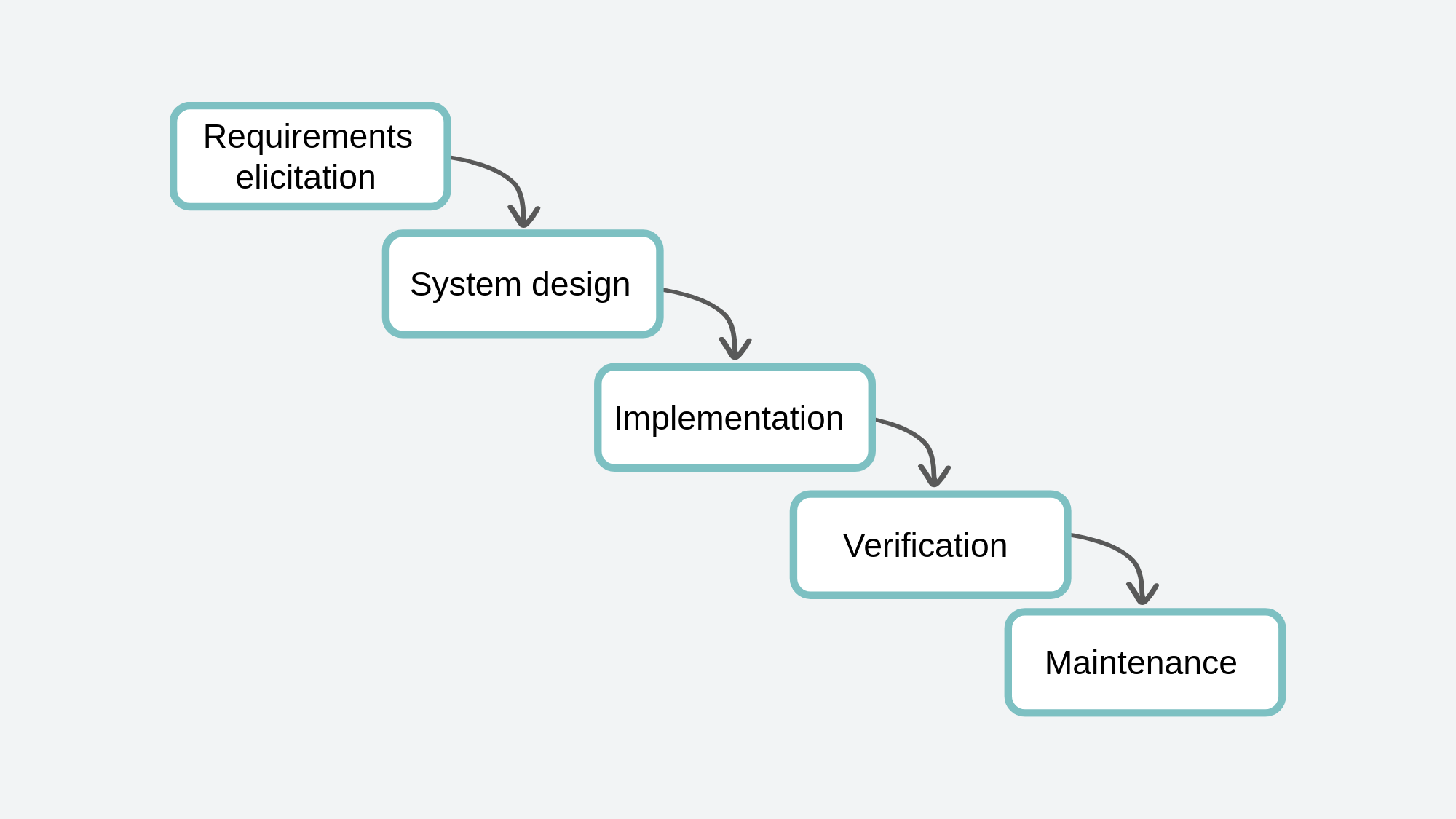
The choice of an appropriate project management methodology is crucial for project success. Traditional methodologies, such as Waterfall , provide a structured, linear progression through project phases. These methodologies work best in projects with clear requirements and limited changes.
On the other hand, Agile
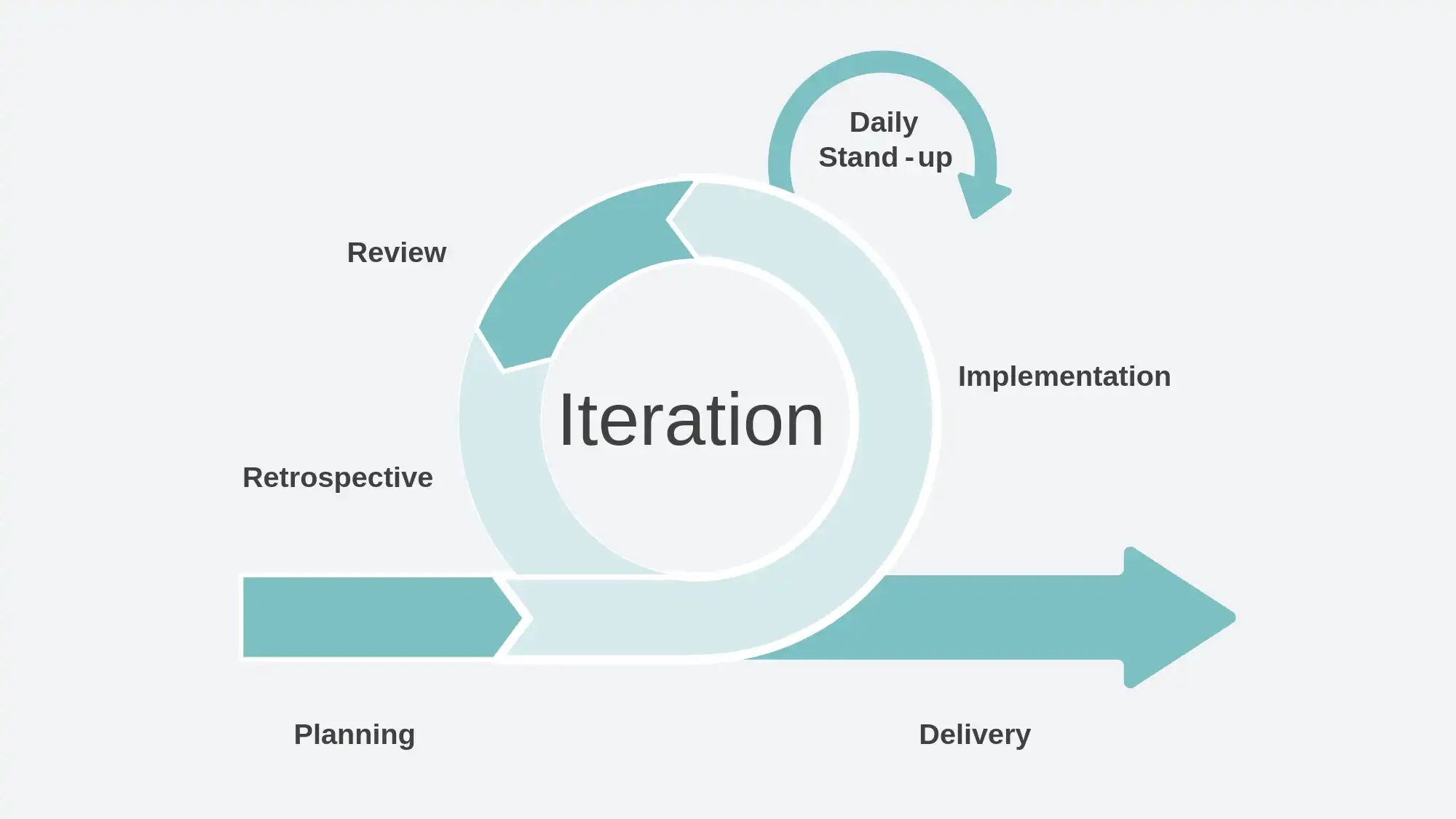
learning and development programmesThe technical storage or access is strictly necessary for the legitimate purpose of enabling the use of a specific service explicitly requested by the subscriber or user, or for the sole purpose of carrying out the transmission of a communication over an electronic communications network.. This could include internal workshops, mentoring programmes, and attendance at industry conferences. Continual development ensures that project management processes keep up with industry trends and organisational needs.
By considering these factors carefully, organisations can create a solid project management frameworkPreferences for success and growth.
Overcoming common challenges
There are many challenges that organisations face when implementing project management.
- One common challenge is Preferencesresistance to change , as staff may be reluctant to adopt new methodologies. To overcome this, organisations should communicate the benefits of project management and involve staff in the implementation process.
- Another challenge is resource constraints . Limited budgets or staff may prevent organisations from adopting comprehensive tools or training programmes. Prioritising key components and implementing changes incrementally can help address this issue.
- Finally, finding the right balance between rigour and flexibility is critical for effective project management. Too much rigidity can stifle creativity and flexibility, while too little structure can lead to chaos. Organisations should aim for a middle ground, establishing core processes while allowing for adjustments based on the needs of each project.The technical storage or access is necessary for the legitimate purpose of storing preferences that are not requested by the subscriber or user.
By acknowledging and addressing these challenges, organisations can navigate the transition to effective project management practices and reap the associated benefits.
ConclusionMarketing
Project management offers numerous benefits to organisations, including improved decision-making, increased efficiency, and improved project success rates. These benefits translate into tangible impacts such as cost savings, productivity gains, and quality improvements. Less tangible benefits include enhanced morale and knowledge sharing, which contribute to a positive organisational culture.
While implementing project management practices may be challenging, the benefits far outweigh the initial hurdles. By carefully selecting methodologies, tools, and training programmesMarketing, organisations can customise their approach to suit their needs. We encourage businesses of all sizes to embrace project management principles , as they provide a strong framework for achieving strategic goals and long-term success.
FAQs
What is the difference between project management and general management?
Project management is focused on temporary projects with specific goals and deadlines. General management involves ongoing operations and broader organisational oversight. Project managers
Manage {vendor_count} vendorsHow does project management contribute to risk mitigation?
