PRINCE2 case studies

Key takeaways
PRINCE2 adds structure and control across very different projects and organisations.
- Clear roles, regular reporting, and stage gates improve delivery focus and accountability.
- Ongoing business justification helps keep priorities aligned when circumstances change.
- Strong risk management and documentation support fast decisions during disruption.
- Breaking work into manageable stages makes complex programmes easier to govern and adapt.
- Consistent communication and lessons learned strengthen stakeholder confidence and outcomes.
Chesterfield borough council case study
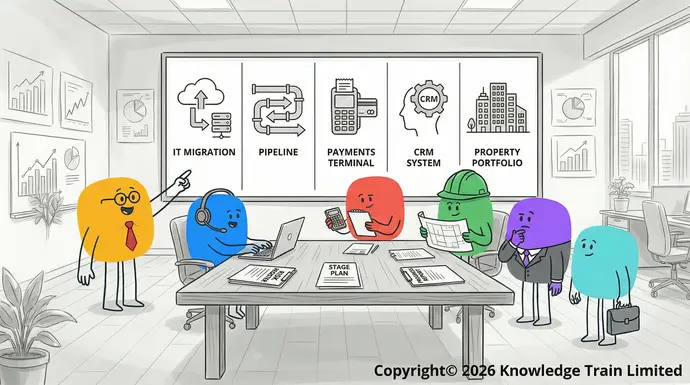
Chesterfield Borough Council undertook a significant IT migration, moving to Windows 10 and Office 365 to enable more agile working. The project was managed using PRINCE2 and had to adapt rapidly due to the onset of the COVID-19 pandemic, which shifted priorities and led to a transition to remote working. Effective communication, risk management, and adaptability were crucial, resulting in a successful upgrade that improved flexibility and digital capabilities across the organisation.
Discover how Chesterfield Borough Council navigated digital transformation and change management with PRINCE2.
APA Group case study
The Brisbane River pipeline project for Australian gas networks, delivered by APA Group, demonstrated the value of using PRINCE2, emphasising clear roles and responsibilities, regular reporting, and a strong focus on deliverables. These aspects brought structure and control to complex phases such as working with multiple stakeholders. The methodology ensured quality assurance, proactive risk management, and adaptability to challenges, including contractor changes and technical setbacks. The team efficiently achieved all objectives by breaking the project into manageable stages and maintaining strong communication.
Want to see how PRINCE2 drives project success in real-world infrastructure? Read the full case study for practical insights!
Bank of Kenya case study
The Bank of Kenya implemented an electronic funds transfer at point of sale (EFTPOS) solution to modernise its payment systems. PRINCE2 provided the structure to manage vendor relationships, validate the business case, and handle organisational challenges. The project has led to increased transaction volumes, improved reconciliation, better customer service responses, and an enhanced customer experience for participating merchants.
Explore how PRINCE2 can drive innovation and efficiency in financial services.
University of Manchester case study
The University of Manchester’s Graphene Engineering Innovation Centre (GEIC) successfully implemented a CRM system using the PRINCE2 project management methodology. The case study details how PRINCE2 provided structure, clear stage gates, and effective management, helping the team navigate stakeholder time conflicts and IT queries. The result was improved customer onboarding and increased user satisfaction, demonstrating the value of a structured approach in complex projects.
If you’re interested in practical insights on using PRINCE2 for CRM implementations or managing business change, don’t miss the full case study – read it to learn more about their journey and key takeaways!
Government of Bermuda case study
The Government of Bermuda’s Department of Public Lands & Buildings (DPLB) faced significant challenges managing its property portfolio after the 2008 recession, with limited budgets and deteriorating assets. By adopting and tailoring key aspects of PRINCE2 – such as maintaining ongoing business justification, applying lessons learned, clearly defining roles, and managing the project by stages – the DPLB effectively developed a property management action plan, leveraging Public Private Partnerships to optimise asset use. PRINCE2’s structured approach ensured better control, risk management, and alignment with government goals, even under financial constraints.
Discover how PRINCE2 enabled Bermuda’s government to turn challenges into opportunities – read the full case study!
NatureScot case study
NatureScot managed the £16 million GISI fund for nature projects using PRINCE2 project management principles, which proved invaluable throughout the process. PRINCE2’s clear organisation, defined roles, and management by exception enabled the team to respond swiftly to significant challenges, such as a venue cancellation, by relying on solid documentation and collaborative decision-making. PRINCE2’s focus on learning from experience enabled knowledge-sharing and continuous improvement, while structured planning tools ensured projects stayed on track. These methods enhanced communications and risk management, resulting in stronger networks and better outcomes.
Read the full case study to see how PRINCE2 drove project success!