
- A portfolio groups projects, programmes, and operations to deliver strategic objectives, not just outputs.Enrol
- Portfolio management is a continuous cycle of selection, prioritisation, authorisation, and review as conditions change.
- Decisions should balance strategic fit, expected benefits, risk exposure, and constrained resources.
- Strong governance and performance monitoring improve transparency, accountability, and stakeholder confidence.
- PMOs, digital tools, analytics, and automation increase visibility of interdependencies and improve decision-making.Overview
Understanding portfoliosPlease use the
The concepts of portfolios, programmes, and projects are commonly mixed up and frequently lead to confusion. This article aims to untangle these notions, providing insights into their unique characteristics, goals, and management strategies.region selector
By attaining a clearer understanding of these terms, professionals and businesses can make more knowledgeable strategic choices, thus elevating the overall effectiveness of their strategic endeavours. Additionally, it can assist organizations in determining whether embracing specific at the top of the website if you are purchasing from outside the UK.project management methodologies Note: *All prices exclusive of VAT. such as Choose how you want to studyPRINCE2 for projects, Choose delivery format: MSP for programmes, and MoP for portfolios can facilitate the efficient management of their projects, programmes, and portfolios.
Definition of portfoliosInstructor-led
Portfolios serve as the apex of organizational investments. A portfolio encompasses all the projects , Self-pacedprogrammes To purchase instructor-led Business Analysis Diploma, contact , and ongoing operational activities that are grouped together to fulfil strategic business goals.+44 (0)207 148 5985
In contrast to projects and programmes, which centre on execution and delivery, portfolios concentrate on the broader perspective. They involve making determinations regarding which initiatives to pursue, guided by considerations such as strategic alignment, risk assessment, return on investment, and other pertinent factors.
Differences between projects, programmes, and portfolios{"@context":"http://schema.org","@type":"Course","name":"","description":"","image":"","url":"","provider":{"@type":"Organization","name":"Knowledge Train","logo":{"@type":"ImageObject","url":""}},"courseCode":"","coursePrerequisites":"","educationalCredentialAwarded":"","audience":{"@type":"Audience","name":""},"assesses":"","learningResourceType":"presentation","teaches":"","about":" course","abstract":"","copyrightHolder":"Knowledge Train","keywords":[""],"offers":{"@type":"Offer","url":"","price":"0","priceCurrency":"","availability":"http://schema.org/InStock","category":"Paid","validFrom":"2026-06-23"},"hasCourseInstance":[]}
This table shows the differences between projects, programmes, and portfolios.
| Projects | Programmes | PortfoliosBCS International Diploma in Business Analysis self-paced online | |
| Purpose and objectives | Deliver specific, outputs within a set time and cost. £2,199 | Manage a group of related projects to achieve a broader set of strategic outcomes. | Optimize the allocation of resources across multiple projects and programmes to achieve the organization’s strategic objectives.£2,499 |
| Scope and timeframe | Have an agreed scope and timeframe. They start, deliver the scope, and then close.Enrol now | Have a broader scope, involving multiple related projects. Their timeframe continues until all the desired outcomes are achieved. | |
| {"@context":"http://schema.org","@type":"Course","name":"BCS International Diploma in Business Analysis self-paced online","description":"Complete online at your own pace (Self-paced)","image":"https://www.knowledgetrain.co.uk/training-courses/res/logos/bcs-accredited-training-partner-logo.svg","url":"https://www.knowledgetrain.co.uk/business-analysis/business-analyst-course/bcs-business-analysis-certification/bcs-international-diploma-in-business-analysis","provider":{"@type":"Organization","name":"Knowledge Train","logo":{"@type":"ImageObject","url":"https://www.knowledgetrain.co.uk/business-analysis/business-analyst-course/bcs-business-analysis-certification/bcs-international-diploma-in-business-analysis"}},"assesses":"Coordinates multiple related projects to achieve a common outcome. Focuses on managing interdependencies between projects and realizing benefits.< | h3>Learning outcomesFocuses more on strategic decision-making by prioritizing initiatives, allocating resources, and balancing risk and reward across the portfolio. |
3>Portfolio management<
h3>CurriculumKey aspects of portfolio management encompass strategic alignment, risk mitigation, resource allocation, and the achievement of anticipated benefits.
3>Several established portfolio management frameworks, built upon industry best practices, are available for organizations to implement. These frameworks aid organizations in enhancing the management of their portfolios of change initiatives.<
h4>BCS International Diploma curriculumCritical bridge between strategy and execution
4>At a strategic level, portfolios serve as a critical bridge between the formulation of strategy and its execution. They assume a pivotal role in organizational governance by providing a comprehensive overview of all ongoing initiatives. This panoramic perspective empowers leaders to make well-informed decisions regarding resource allocation, optimizing value, <p>The BCS Business Analysis International Diploma does not have a syllabus or curriculum. Students must complete and pass four exams which are included as part of this package. These include one knowledge based examination, two core practitioner exams, and one elective practitioner examination.risk management>","about":"BCS International Diploma in Business Analysis self-paced online course","abstract":", and the attainment of strategic objectives.<
p>BCS Business Analysis international diploma self-paced online course with 12 months access, exam and certificationStrategic alignment of portfolios
>","courseCode":"BCSIDBAO","coursePrerequisites":"None.","educationalCredentialAwarded":"BCS International Diploma in Business Analysis","audience":{"@type":"Audience","name":"A primary objective of portfolio management is to guarantee that an organization’s projects and programmes remain aligned with its strategic goals. This entails regularly evaluating and adapting the portfolio to mirror shifts in the business landscape, strategic trajectory, and resource availability.<
ul>Through the harmonization of all initiatives with the overarching business strategy, portfolio management assists organizations in realizing their strategic vision, effectively <li>managing risks<span>Anyone seeking a career in business analysis., and maximizing returns on investment.
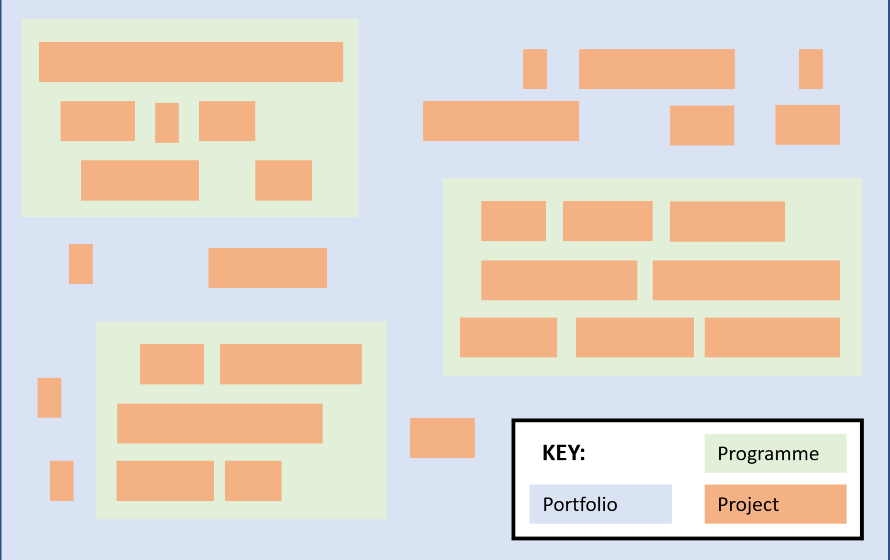
and projectsNeed training for your team? serve as the foundational elements of Easily enrol multiple courses online in a single checkout, or portfoliosrequest a bespoke quote. Each programme or project integrated within a portfolio should be in sync with the organization’s strategic objectives. The cumulative performance of these programmes and projects is the yardstick for evaluating the portfolio’s success. Through the delivery of their distinct outputs (projects) and outcomes (programmes), they actively contribute to the realization of the strategic goals encapsulated within the portfolio. for tailored group training.
Striking a balance between projects, programmes, and portfolios
Striking a balance and aligning projects, programmes, and portfolios is a strategic endeavour that guarantees the collective contribution of all initiatives toward the overarching business objectives. This entails the routinely assessing the portfolio and making requisite adaptations in response to shifts in business strategy, project performance, or the availability of resources.
Effective alignment and balance serve as key enablers for the optimal utilization of resources, the comprehensive management of risks at every level, and the organization’s ability to flexibly adapt to evolving circumstances while remaining steadfast on the path to achieving its strategic objectives.
Effective management of portfoliosTaking the full BCS International Diploma route with Knowledge Train gave me a complete, integrated understanding of business analysis, from fundamentals through to practice, processes, and requirements.
Essential skills for portfolio managersClare J., Principal Business Analyst
Effective management of portfolios requires a range of skills including:Overview
- Strategic thinking to align initiatives with business strategy. This diploma brings together four BCS business analysis courses to give you a complete, end-to-end skill set and prepare you for the BCS international diploma in business analysis.
- Leadership to inspire and guide. What you will gain
- Risk managementA structured route through four core BCS business analysis modules to anticipate and mitigate risks across the portfolio.Practical skills to investigate, analyse, and improve business situations
- Communication skills to deliver clear, timely information to stakeholders at the highest levels in the organization.Knowledge to model processes, define requirements, and support change
- Soft skills such as negotiation, prioritization, the ability to see the bigger picture, as well as many other skills.Preparation for the exams required for the BCS international diploma
Proficient Who this course is forportfolio managementBusiness analysts wanting a recognised, end-to-end qualification necessitates a diverse set of skills, including the ones below.Professionals in change, projects, product, or operations roles
Strategic thinkingPeople moving into business analysis from related disciplines
The capability to align initiatives with the organization’s overarching business strategy.Organisations seeking a structured development path for BA teams
LeadershipBenefits
The capacity to inspire and provide guidance, driving initiatives toward success. Build a complete skill set
Communication skills
The ability to convey clear and timely information to stakeholders at the highest echelons of the organization. Develop strategic, analytical, process, and requirements skills in one programme.
Soft skills Follow an approved pathway
This includes competencies like negotiation, prioritization, the aptitude to perceive the broader perspective, and a myriad of other skills that contribute to effective portfolio management.
Risk management Train on BCS-aligned courses that map directly to the international diploma.
The skill to anticipate and proactively mitigate risks spanning the entire portfolio. Learn from expert practitioners
Tools and techniques for portfolio management
An array of tools and techniques are instrumental in portfolio management, including the ones below. Study with experienced business analysts who bring real-world case studies.
Risk management tools Flexible ways to study
These help to identify and mitigate risks within the portfolio, ensuring proactive risk management.
Communication platforms Choose instructor-led online classes or self-paced learning to suit your schedule.
Efficient communication is facilitated through dedicated platforms, fostering seamless information exchange among stakeholders. Gain multiple certifications
Business analytical tools and models
Tools like Achieve four BCS certificates and work towards the international diploma.SWOT analysis Increase your career options, PESTLE analysis Strengthen your CV for roles in business analysis, change, and digital transformation., and cost-benefit analysis play a pivotal role in supporting strategic decision-making within portfolio management, providing valuable insights and data-driven guidance.Delivery
Advantages and challenges in portfolio management Compare learning options to find the format that suits you best.
Effective portfolio management yields numerous advantages, such as:
Improved strategic alignment
Ensuring that all initiatives are in harmony with the organization’s strategic direction.Delivery
Optimized resource utilizationDuration
Maximizing the efficient allocation of resources across various projects and programmes.Trainer interaction
Better risk managementStart date
Proactively identifying, assessing, and mitigating risks at the portfolio level.Exam
Enhanced stakeholder satisfactionMaterials
Meeting the expectations and needs of stakeholders, thus bolstering their satisfaction.Access
However, it also poses challenges, including:Best for
Managing interdependenciesLearning experience
Handling the intricate relationships and dependencies among different projects and programmes.
Dealing with uncertainties
Navigating through uncertain situations and adapting to unforeseen circumstances.
Balancing competing demandsInstructor-led
Prioritizing and managing competing demands and constraints within the portfolio.
Ensuring effective communication
Facilitating clear and efficient communication across diverse levels and entities within the organization to maintain alignment and understanding.
Governance in portfolio managementLive sessions (online)
Robust governance is indispensable for the effective management of portfolios. This entails several key components including the ones below.
Defining clear roles and responsibilities12 days
Establishing unambiguous roles and responsibilities for portfolio management team members and stakeholders.
Establishing decision-making frameworksLive Q&A with accredited trainer
Creating structured decision-making processes to guide portfolio-related choices.
Implementing performance monitoring mechanismsFixed scheduled dates
Setting up systems to monitor and evaluate the performance of projects, programmes, and the overall portfolio.
Ensuring compliance with standards and regulationsIncluded
Adhering to relevant industry standards, regulations, and best practices.
Strong governance serves as a pillar of support for transparency, accountability, and consistency. These attributes are instrumental in achieving strategic objectives and bolstering stakeholder confidence in the portfolio management process.Digital workbook & mocks
Defining a business case to support proposed solutionsDigital transformation has introduced automation to a multitude of management processes, resulting in heightened efficiency and precision. Activities like updating project statuses, monitoring alterations, scheduling meetings, or allocating resources can now be automated, liberating managers to concentrate on strategic matters.
- Our students consistently achieve top results - well above the national average.
- Improved visibility into interdependencies prevented bottlenecks and delays.
- The company experienced a 10% increase in customer satisfaction due to more effective project deliveryReviews & success stories.
Conclusion
ABC Enterprises’ adoption of portfolio management proved to be a strategic move. By aligning initiatives, optimizing resources, and enhancing risk management , they not only improved project outcomes but also maintained a sharp focus on their long-term strategic goals. The success of this approach has set a strong foundation for continued growth and innovation.
Final thoughts
Projects, programmes, and portfolios represent unique yet interlinked facets of strategic organizational management. Seamlessly integrating and aligning these components provides organizations with a competitive edge, enabling them to maximize value and enhance returns on investments.
Organizations that successfully unify their projects, programmes, and portfolios gain a distinct competitive advantage. This integration empowers them to deliver superior value and achieve more favourable returns on investments.
evolving landscape of competitive markets, organizations that invest in standardized management practices for their portfolios, programmes, and projects stand to reap the most substantial benefits. This strategic commitment ensures efficiency, agility, and a heightened ability to thrive amid increasing competition.
Portfolios FAQs
Are all projects part of a portfolio?Completing the Diploma has already opened doors internally. My line manager now sees me as someone who can advise on analysis approach, not just write documentation.
Tom F., Lead Business AnalystNo, not all projects are part of a portfolio. A portfolio is a collection of projects, programmes, subsidiary portfolios, and operations managed as a group to achieve strategic objectives. Some projects might be standalone or not aligned with the strategic objectives embodied by a specific portfolio.
Can a project be in multiple portfolios?
Studying the four modules with one provider meant the content flowed logically. Each course built on the last, and the trainers referenced previous modules to reinforce learning. Imran H., DelegateTypically, a project is included in only one portfolio to maintain clear governance, accountability, and strategic alignment. However, in complex organizations with multiple overlapping strategic objectives, it’s theoretically possible for a project to be represented in more than one portfolio. That said, such a scenario could lead to management challenges and is not generally recommended.
How do you prepare a portfolio?
The Knowledge Train support team kept me on track with dates, booking exams, and choosing the right order for modules. It felt like they genuinely cared about my progress.How do you prepare a portfolio?Vanessa R., Business Analysis Manager
Preparing a portfolio involves a series of 5 strategic steps:
Define portfolio objectives
Align the portfolio with the strategic goals of the organization.
Identify potential projects or programmesWhat stood out was the depth of practical advice. We didn’t just learn techniques, we discussed how to negotiate scope, handle difficult stakeholders, and work with architects.
Collect a list of potential projects or programmes that could be included in the portfolio.Nicole P., Delegate
Evaluate and prioritizeKnowledge Train by numbers
Evaluate each project or programme based on its strategic alignment, potential benefits, risks, and resources required. Prioritize them based on this evaluation.
Select 25,000+
Choose the most suitable projects or programmes for the portfolio to balance risk and return, while ensuring strategic alignment. learners trained across the UK and beyond
Manage and review
Continuously manage the portfolio, tracking performance of its components, and make adjustments as necessary. Regularly review the portfolio to ensure it remains aligned with strategic goals. 20+
How many projects in a portfolio? years delivering accredited project management training
4.9/5The number of projects in a portfolio can vary widely and depends on factors such as the size of the organization, its strategic objectives, available resources, and risk tolerance. average rating based on thousands of verified reviews
A portfolio should ideally include as many projects as can be effectively managed and aligned with the organization’s strategic goals, without overextending resources or increasing risk beyond an acceptable level.
Is a portfolio a project? 95%
of customers recommend our coursesNo, a portfolio is not a project. A portfolio is a collection of projects, programmes, subsidiary portfolios, and operations grouped together to facilitate effective management to meet strategic business objectives. It represents a higher level of organization that oversees and coordinates its constituent parts, which may include multiple projects and programmes. 15+
Is a portfolio manager higher than a project manager? years of e-learning design expertise
30+Yes, typically a portfolio manager holds a higher-level position than a project manager. A portfolio manager oversees a collection of projects, programmes, and operations, ensuring alignment with strategic business objectives. accredited trainers with 450+ years of combined experience
On the other hand, a project manager focuses on the execution of individual projects, managing resources, tasks, and stakeholders to deliver specified outcomes within time and budget constraints.
What are the benefits of a portfolio structure?Trusted by professionals at
What are the benefits of a portfolio structure?
A portfolio structure offers 5 main benefits:
Strategic alignment
They ensure that projects and programmes are aligned with the organization’s strategic objectives, prioritizing resources and focus on initiatives that provide the most value.
Resource optimizationJoin thousands of successful Business Analysis learners
They allow for efficient resource allocation and management across multiple projects and programmes, reducing redundancy and maximizing utilization.
Risk ManagementEnrol today!
By managing interdependencies across projects and programmes, they mitigate risks that may not be apparent at the project level.
Change management
They provide a framework for managing change across the organization, ensuring that project outcomes contribute to broader transformation goals.
Visibility and control
They offer a holistic view of all initiatives, allowing senior management to better monitor progress, performance, and benefits realization.
In simple terms, project portfolio management is the process of prioritising, planning, managing, and optimizing a group of projects and programmes to ensure they align with an organization’s strategy, goals, and resources.The BCS Business Analysis Diploma holds significant professional accreditation worldwide. As a certification from the Chartered Institute for IT, it is recognised across the business analysis profession. Earning this diploma enhances career advancement opportunities and establishes you as a validated professional in the UK and beyond.
What is the difference between a programme and a portfolio?Why should you pursue the BCS Business Analysis Diploma?
A programme is a group of related projects managed in a coordinated manner to obtain benefits and control not available from managing them individually. Programmes may contain elements of work outside the scope of the discrete projects in it.Pursuing the BCS Business Analysis Diploma can significantly enhance your career by:
A portfolio, on the other hand, is a collection of projects, programmes, subsidiary portfolios, and operations managed as a group to achieve strategic objectives. The projects or programmes within the portfolio may not necessarily be interdependent or directly related.Enhancing Skills:
A programme is about managing related projects collectively to reap benefits, whereas a portfolio is about selecting and managing the right mix of projects and programmes to align with the organization’s strategic objectives. Improving analytical and problem-solving skills
What is the difference between a programme manager and a portfolio manager?Job Prospects:
Increasing employment opportunities Industry Standards:The main difference between a programme manager and a portfolio manager is that a programme manager’s role is more tactical and focused on delivering a set of related projects, while a portfolio manager’s role is more strategic, focusing on aligning all projects and programmes with the organization’s strategy. Meeting professional benchmarks
A programme manager oversees a group of related projects, ensuring they are coordinated and managed in a way that maximizes benefits and controls risks that wouldn’t be possible if the projects were managed individually. They are responsible for achieving the strategic goals set for the programme, managing interdependencies among the projects, and delivering the program’s overall benefits.Professional Development:
A portfolio manager oversees an organization’s portfolio, which includes multiple projects and programmes, potentially across different departments or areas of business. The portfolio manager’s role is more strategic, focusing on ensuring the portfolio aligns with the organization’s strategic objectives, managing resource allocation across the portfolio, balancing risks and returns among the different projects and programmes, and maximizing the value of the overall portfolio. Opening new career pathways
What is the difference between portfolio and project work?Career Advancement:
Leveraging recognised certification to advance in your profession What will you learn in the BCS Business Analysis Diploma?The difference between portfolio and project work can be summarised as:
- Portfolio work involves managing a group of projects and programmes to achieve strategic objectives. Portfolio management encompasses the selection and oversight of projects.
- Project work focuses on the execution of a single project to achieve its specific objectives. Project management involves the execution and delivery of the project itself.The BCS Business Analysis Diploma provides essential knowledge and skills including:
What is the difference between project and portfolio management?Advanced business analysis techniques
Strong analytical skills Effective problem-solving strategiesThe difference between project and portfolio management can be summarised as:Stakeholder engagement methods
- Project management is the discipline of planning, organizing, and managing resources to successfully complete a specific project. It involves the applying knowledge, skills, tools, and techniques to meet project requirements and deliver desired outcomes within cost, scope, schedule, and quality constraints.Process improvement approaches
- Portfolio management is the strategic management of a collection of projects, programmes, subsidiary portfolios, and operations to achieve organizational goals. It involves selecting and prioritizing projects or programmes based on their alignment with strategic objectives, optimizing resource allocation, balancing risk, and maximizing value across the entire portfolio.Understanding business requirements
Why is project portfolio management important?How does this diploma enhance your career prospects?
Why is project portfolio management important?The BCS Business Analysis Diploma enhances career prospects by:
Project portfolio management is important for 5 main reasons:Opening up diverse employment opportunities
Strategic alignmentSupporting professional growth and skills enhancement
It ensures that projects and programmes are aligned with the organization’s strategic goals and objectives. This alignment ensures that resources are allocated to initiatives that contribute the most value and support the organization’s overall strategy.Aligning with current industry demand
Optimized resource allocationProviding networking opportunities with industry professionals
Project portfolio management helps organizations make informed decisions about resource allocation. By assessing project priorities, dependencies, and resource availability, it enables efficient allocation of resources, reducing bottlenecks and maximizing productivity.Facilitating career advancement and job market readiness
Risk ManagementFor more information on how to enroll in the BCS Business Analysis Diploma, see the page above.
A portfolio perspective allows organizations to assess and manage risks at a higher level. By evaluating project risks collectively, portfolio managers can identify and address risks that may not be apparent at the individual project level, making informed decisions to mitigate potential negative impacts.Still have questions? Contact us by phone on 0207 148 5985, via live chat, email, or by completing the form below.
Portfolio performance monitoring
Project portfolio management provides a comprehensive view of the performance of projects and programmes. It enables monitoring and tracking of key performance indicators, allowing organizations to assess the progress, make adjustments, and take corrective actions to ensure successful project delivery and desired outcomes.How to find us
Optimal decision-makingKnowledge Train
With project portfolio management, organizations can make data-driven decisions regarding project initiation, continuation, or termination. It provides a structured framework to evaluate project proposals, prioritize investments, and select the most valuable projects to pursue.20 Old Bailey, London, EC4M 7AN,