Is PMBOK still relevant?Agile Business Analysis

Yes, PMBOK® Guide is still relevant. The 7th Edition of PMBOK remains crucial for the Agile business analysis explainedPMP® exam syllabus as it forms the foundation of traditional Knowledge Trainproject management techniques30 Apr 2026. It will continue to remain a vital resource for passing the PMP® exam.

Last edited on: 26 May 2026
Can a Scrum Master get a PMP?
Can I skip CAPM and go to PMP?

Can I take PMP course online?
Does PMP certification expire?Copied! Key takeaways
Agile business analysis helps teams deliver value quickly by keeping requirements clear, testable, and adaptable.How difficult is the PMI ACP exam?An Agile BA bridges business goals and technical delivery through ongoing collaboration with the Product Owner, team, and stakeholders. User stories and acceptance criteria turn needs into actionable, verifiable work that supports predictable sprint outcomes.
Backlog refinement and prioritisation should be continuous, using feedback and evidence to maximise value and manage change.How do I get PMP certification in UK?Scrum supports time-boxed delivery through ceremonies, while Kanban improves flow by visualising work and limiting bottlenecks. Good Agile BAs use workshops, story mapping, and lightweight models to reduce ambiguity and speed up decisions.
How hard is it to earn a PMP?
ContentsHow hard is the CAPM exam?
ContentsHow is Agile different from traditional PMI? What is Agile Business Analysis?
How long does it take to read PMBOK?Agile vs traditional business analysis
Core Agile principles and practices for business analysisHow long is the PMI-PBA valid for? Common Agile frameworks: Scrum and Kanban
How long to study PMI-ACP?Key roles in Agile teams
Typical responsibilities and deliverables for Agile BAsHow many hours to study for PMI ACP? How Agile Business Analysts add value at each Agile lifecycle stage
How many PMI ACP certified in the world?Techniques, tools, and best practices


Agile principles
:


Techniques, tools, and best practicesWhat are the disadvantages of PMBOK?


Agile Business Analyst certification

12 websites for project management templatesWhat is an Agile business analyst?
An image
Agile principlesListicle of best websites to find project management templates to help you stay organised. Scroll down to read more..
They prioritise collaboration, transparency, and responsiveness, helping teams adapt to change and continuously improve. You can learn more about the
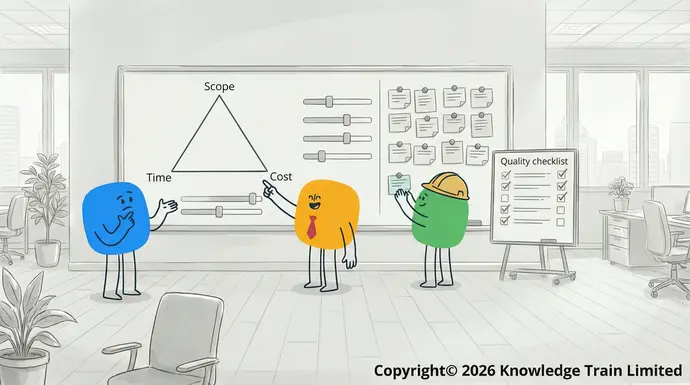
Project management trianglebusiness analyst in Agile
is to connect business goals with technical solutions. They ensure requirements are clear, testable, and prioritised to deliver maximum value. Unlike in traditional image
You can learn more about this role through an The project management triangle is a key factor in the success of a project. Learn how to balance scope, time and cost for project goals and deliver exceptional results.
Agile Business Analyst certification course
A guide to project manager salaries: free ebookJira
– for backlog management and sprint trackingimage
TrelloUnderstand project manager salary scales with our free ebook. Discover what you could earn in various roles across the industry. – for lightweight visual task management
Miro
– for virtual whiteboarding and workshop facilitation
Project management interview techniques: Free ebook
image
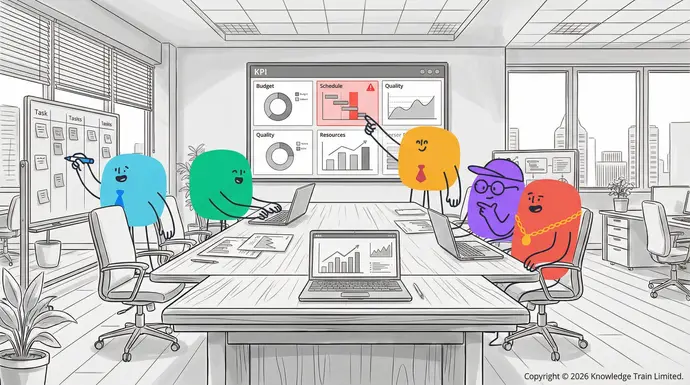
Project management KPIs
image
{"@context":"https://schema.org","@type":"WebPage","name":"Agile Business Analysis: Definition, Roles & Best Practices","url":"https://www.knowledgetrain.co.uk/agile/agile-business-analysis","description":"Explore Agile Business Analysis, its roles, frameworks, techniques and how BAs add value in Agile environments. Compare Agile and traditional business analysis.","significantLink":"https://www.iiba.org/certification/agile-analysis-certification-endorsement/","mainEntity":[{"@type":"Article","headline":"Agile Business Analysis explained","about":[{"@type":"DefinedTerm","name":"Agile Business Analysis","sameAs":["https://en.wikipedia.org/wiki/Agile_business_analysis","https://www.google.com/search?&kgmid=/g/11h_h7r8x7","https://www.wikidata.org/wiki/Q57496180"]},{"@type":"DefinedTerm","name":"Business Analyst","sameAs":["https://en.wikipedia.org/wiki/Business_Analyst","https://www.google.com/search?&kgmid=/m/0b1txf4","https://www.wikidata.org/wiki/Q2970349"]},{"@type":"DefinedTerm","name":"Scrum","sameAs":["https://en.wikipedia.org/wiki/Scrum_(software_development)","https://www.google.com/search?&kgmid=/m/01rfwj","https://www.wikidata.org/wiki/Q15900473"]},{"@type":"DefinedTerm","name":"Kanban","sameAs":["https://en.wikipedia.org/wiki/Kanban","https://www.google.com/search?&kgmid=/m/0131j1","https://www.wikidata.org/wiki/Q1146727"]},{"@type":"DefinedTerm","name":"Product Owner","sameAs":["https://en.wikipedia.org/wiki/Product_owner","https://www.google.com/search?&kgmid=/g/121xfpw0","https://www.wikidata.org/wiki/Q21660523"]},{"@type":"DefinedTerm","name":"Scrum Master","sameAs":["https://en.wikipedia.org/wiki/Scrum_master","https://www.google.com/search?&kgmid=/g/11c1wwjfcw","https://www.wikidata.org/wiki/Q21098157"]},{"@type":"DefinedTerm","name":"Stakeholder","sameAs":["https://en.wikipedia.org/wiki/Stakeholder_(corporate)","https://www.google.com/search?&kgmid=/m/02k0y4","https://www.wikidata.org/wiki/Q2380010"]},{"@type":"DefinedTerm","name":"Backlog","sameAs":["https://en.wikipedia.org/wiki/Product_backlog","https://www.google.com/search?&kgmid=/g/1219vjg1","https://www.wikidata.org/wiki/Q7605156"]},{"@type":"DefinedTerm","name":"User Stories","sameAs":["https://en.wikipedia.org/wiki/User_story","https://www.google.com/search?&kgmid=/m/0c6q5pr","https://www.wikidata.org/wiki/Q509695"]},{"@type":"DefinedTerm","name":"Requirements","sameAs":["https://en.wikipedia.org/wiki/Requirements_analysis","https://www.google.com/search?&kgmid=/m/01ypk_","https://www.wikidata.org/wiki/Q467915"]},{"@type":"DefinedTerm","name":"Requirements Elicitation","sameAs":["https://en.wikipedia.org/wiki/Requirements_elicitation","https://www.google.com/search?&kgmid=/g/121z4ljy","https://www.wikidata.org/wiki/Q7312824"]},{"@type":"DefinedTerm","name":"Prioritization","sameAs":["https://en.wikipedia.org/wiki/Priority_(project_management)","https://www.google.com/search?&kgmid=/m/09g5y_q","https://www.wikidata.org/wiki/Q3508070"]},{"@type":"DefinedTerm","name":"Sprint","sameAs":["https://en.wikipedia.org/wiki/Sprint_(software_development)","https://www.google.com/search?&kgmid=/g/1td1gpft","https://www.wikidata.org/wiki/Q3841694"]},{"@type":"DefinedTerm","name":"Agile Principles","sameAs":["https://en.wikipedia.org/wiki/Agile_software_development","https://www.google.com/search?&kgmid=/m/05jff","https://www.wikidata.org/wiki/Q1009523"]},{"@type":"DefinedTerm","name":"Iteration","sameAs":["https://en.wikipedia.org/wiki/Iterative_and_incremental_development","https://www.google.com/search?&kgmid=/m/05f_8c","https://www.wikidata.org/wiki/Q783076"]},{"@type":"DefinedTerm","name":"Acceptance Criteria","sameAs":["https://en.wikipedia.org/wiki/Acceptance_criteria","https://www.google.com/search?&kgmid=/g/11bwyznvj0","https://www.wikidata.org/wiki/Q10326466"]},{"@type":"DefinedTerm","name":"Agile Techniques","sameAs":["https://en.wikipedia.org/wiki/Agile_software_development","https://www.google.com/search?&kgmid=/m/05jff","https://www.wikidata.org/wiki/Q1009523"]},{"@type":"DefinedTerm","name":"Story Mapping","sameAs":["https://en.wikipedia.org/wiki/User_story_mapping","https://www.google.com/search?&kgmid=/g/11c6kg16l0","https://www.wikidata.org/wiki/Q98627867"]},{"@type":"DefinedTerm","name":"Continuous Improvement","sameAs":["https://en.wikipedia.org/wiki/Continual_improvement_process","https://www.google.com/search?&kgmid=/g/122q9g94","https://www.wikidata.org/wiki/Q784522"]},{"@type":"DefinedTerm","name":"Collaboration","sameAs":["https://en.wikipedia.org/wiki/Collaboration","https://www.google.com/search?&kgmid=/m/0162wm","https://www.wikidata.org/wiki/Q5438"]}],"mentions":[{"@type":"DefinedTerm","name":"Backlog Grooming","sameAs":["https://en.wikipedia.org/wiki/Product_backlog#Backlog_grooming","https://www.google.com/search?&kgmid=/g/1219vjg1","https://www.wikidata.org/wiki/Q7605156"]},{"@type":"DefinedTerm","name":"Agile Team","sameAs":["https://en.wikipedia.org/wiki/Agile_software_development#Agile_teams","https://www.google.com/search?&kgmid=/m/05jff","https://www.wikidata.org/wiki/Q1009523"]},{"@type":"DefinedTerm","name":"Product Increment","sameAs":["https://en.wikipedia.org/wiki/Product_increment","https://www.google.com/search?&kgmid=/g/11j99nt2nt","https://www.wikidata.org/wiki/Q107434386"]},{"@type":"DefinedTerm","name":"IIBA Agile Certification","sameAs":["https://www.iiba.org/certification/agile-analysis-certification-endorsement/","https://www.wikidata.org/wiki/Q105861915"]}]},{"@type":"FAQPage","mainEntity":[{"@type":"Question","name":"Do you need a business analyst in Agile?","acceptedAnswer":{"@type":"Answer","text":"Project management steps<
p>Having a business analyst in an Agile environment is essential. They act as facilitators of clear communication between business and technical teams, ensuring everyone understands the project goals and the best path to achieve them. Their skill in translating business requirements into actionable insights helps ensure the success of Agile projects.
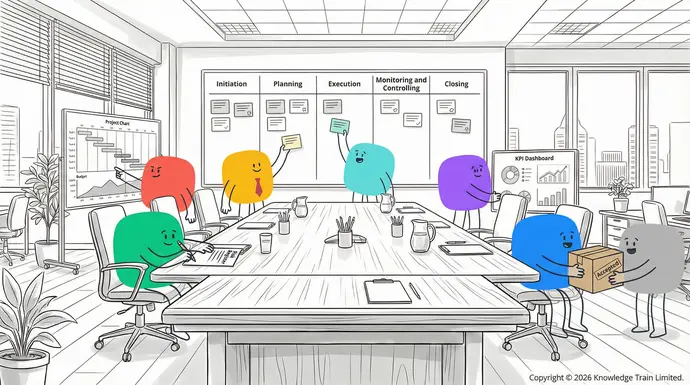
>"}},{"@type":"Question","name":"How do Agile Business Analysts contribute to backlog grooming?","acceptedAnswer":{"@type":"Answer","text":" <p>Agile Business Analysts help clarify, refine, and prioritise backlog items so the development team understands each user story before implementation. They ensure stories meet the definition of ready, facilitate stakeholder feedback, and support the Product Owner in maintaining a balanced, value-driven backlog. This improves sprint planning and ensures business goals are consistently met.Project management is crucial for success. Discover the essential phases and elevate your skills to ensure projects from start to finish deliver exceptional outcomes.
>"}},{"@type":"Question","name":"How is the Agile BA role different from a traditional BA?","acceptedAnswer":{"@type":"Answer","text":" <
"}},{"@type":"Question","name":"What is an Agile business analyst?","acceptedAnswer":{"@type":"Answer","text":"
< p>An Agile business analyst bridges the gap between business needs and technical delivery. They ensure that Agile teams deliver high-value outcomes aligned with organisational objectives while adhering to Agile principles.image

"}},{"@type":"Question","name":"What is the role of a business analyst in Agile?","acceptedAnswer":{"@type":"Answer","text":"The role of a business analyst in Agile is to connect business goals with technical solutions. They ensure requirements are clear, testable, and prioritised to deliver maximum value. Unlike in traditional projects, Agile BAs collaborate continuously with Product Owners and teams throughout delivery cycles.
> – specifically designed for Business Analysts working in Agile projects.
>
> <p>These certifications demonstrate professional competence and help strengthen your understanding of Agile frameworks and business analysis practices.
Exception management in PRINCE2
image