Project management benefits

Key takeawaysNetherlands
Strong project management improves delivery, governance, and organisational confidence.Poland
- SlovakiaBetter risk management and realistic estimating strengthen ROI and limit scope creep.
- Consistent methods, feedback loops, and lessons learned build morale, customer trust, and continuous improvement.Slovenia

Introduction
Project management is a systematic approach to planning, executing, and completing work to achieve specific objectives. It involves coordination of resources, time, and personnel to ensure successful outcomes. Project management has become a crucial tool for organisations of all sizes.
Modern businesses face several challenges, such as increased competition, technology shifts, and diverse stakeholder expectations.
Project management provides a framework to enhance operations, mitigate risks, and improve efficiency.
By implementing effective project management practices , organisations can improve their ability to consistently deliver high-quality results. This allows businesses to respond to market changes and maintain a competitive edge in their respective markets.Copied!
The core benefits of project managementKey takeaways
Project managementStrong project delivery comes from following a clear lifecycle and staying disciplined on communication, change, and learning. provides a range of benefits that can significantly enhance an organisation’s performance and results.Use initiation to justify the work, define scope, and secure stakeholder alignment via a charter.
Improved decision-making and governanceBuild a detailed plan with requirements, work breakdown, schedule, budget, and agreed risk responses.
Clear roles and responsibilities are the foundation of effective project management. It ensures team members know what to do, creates accountability, and prevents conflicts.Execute by delegating clearly, managing workflows, and using tools that keep work and communication visible.
Stakeholder management is another crucial element of project management. By implementing a structured approach to communication, Monitor progress with CSFs and KPIs, control costs and resources, and act quickly on variances.project managersClose formally with acceptance, a review of outcomes, lessons learnt, and well organised archives. can identify key stakeholders, address their concerns in advance, and align project goals with stakeholder expectations.
Enhanced efficiency and resource utilisation
Project management enables streamlined processes and workflows. It leads to reduced redundancies, improved task sequencing, and better utilisation of resources. Project management significantly improves resource allocation. It allows managers to assign personnel based on their skills and availability, better allocate budgets, and optimise use of equipment and materials.
Increased project success ratesContents
One of the most tangible benefits is the ability to meet deadlines and stay within budget. Project management enables this by setting realistic timeframes, monitoring progress regularly, and taking corrective actions promptly.
Finally, project management enables delivery of high-quality results. It is achieved by establishing clear quality standards, implementing robust quality control measures, and continuously improving based on feedback and lessons learnedContents.
By focusing on these core benefits, organisations can significantly improve their project results, leading to improved performance and competitiveness in their respective markets.Introduction
Tangible impacts on business performance
Implementing effective The five phases of projectsproject management practices provides tangible benefits for organisations across various aspects of their operations.Project initiation
Cost savings and financial benefits
Reduced waste and overruns are major benefits of project management. By implementing robust planning and control measures, organisations can avoid unnecessary expenditures, prevent scope creep, and identify potential cost overruns in advance.Project planning
Project management also leads to improved ROI on projectsProject execution . It is achieved by better allocation of resources, more accurate cost estimates, and improved risk management strategies.
Time management and productivity gainsProject monitoring and controlling
Faster project completion is one of the major benefits of effective project management. It is achieved by techniquesProject closing such as critical path analysis and Agile methodologiesProject management best practices . They allow identifying critical tasks, eliminating bottlenecks, and streamlining workflows.
Project management also enables better use of team members’ time. It is achieved by establishing clear roles and responsibilities, better task allocation based on skills and availability, and eliminating idle time between project phases.Conclusion
Quality improvements and consistency
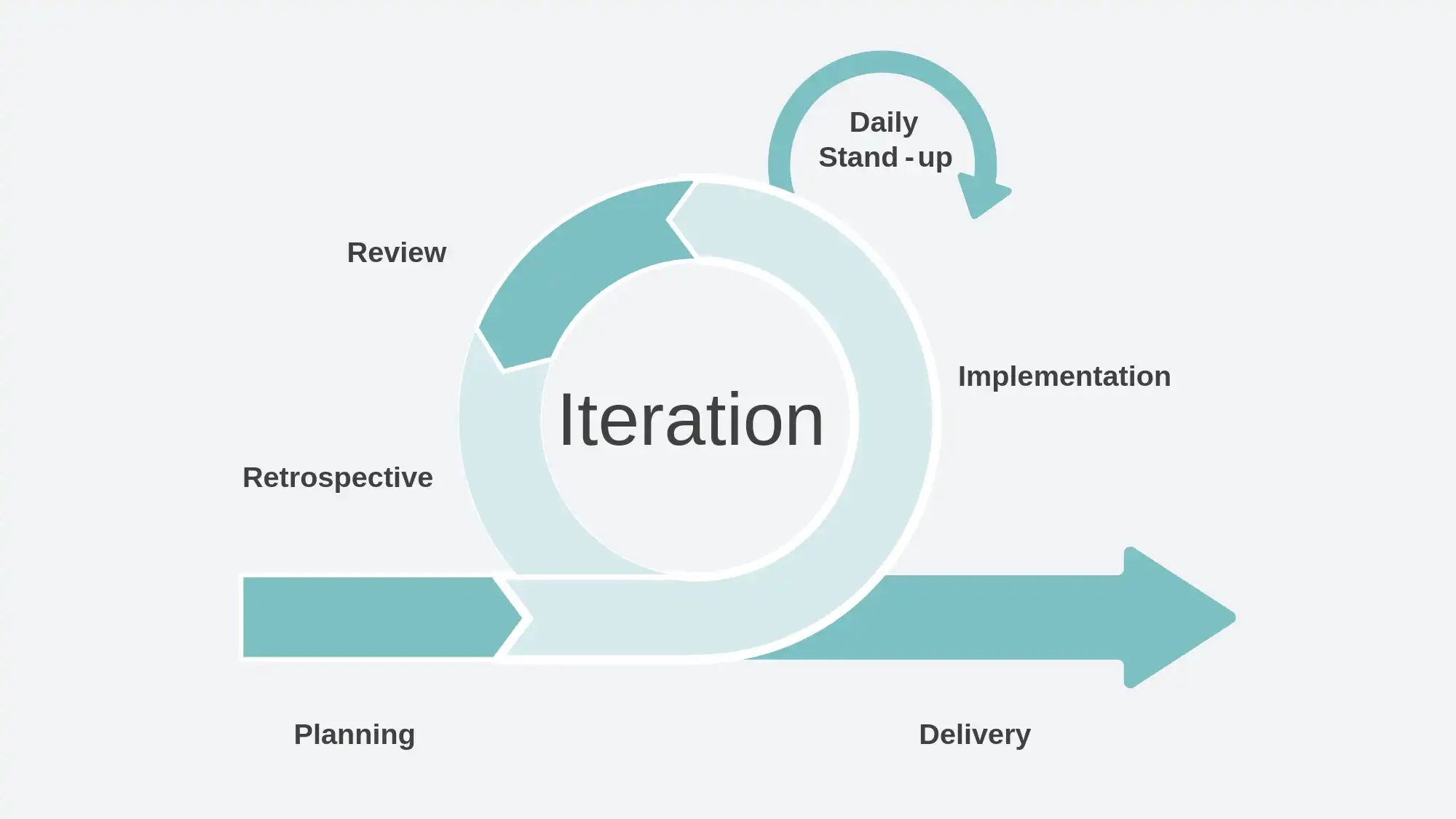
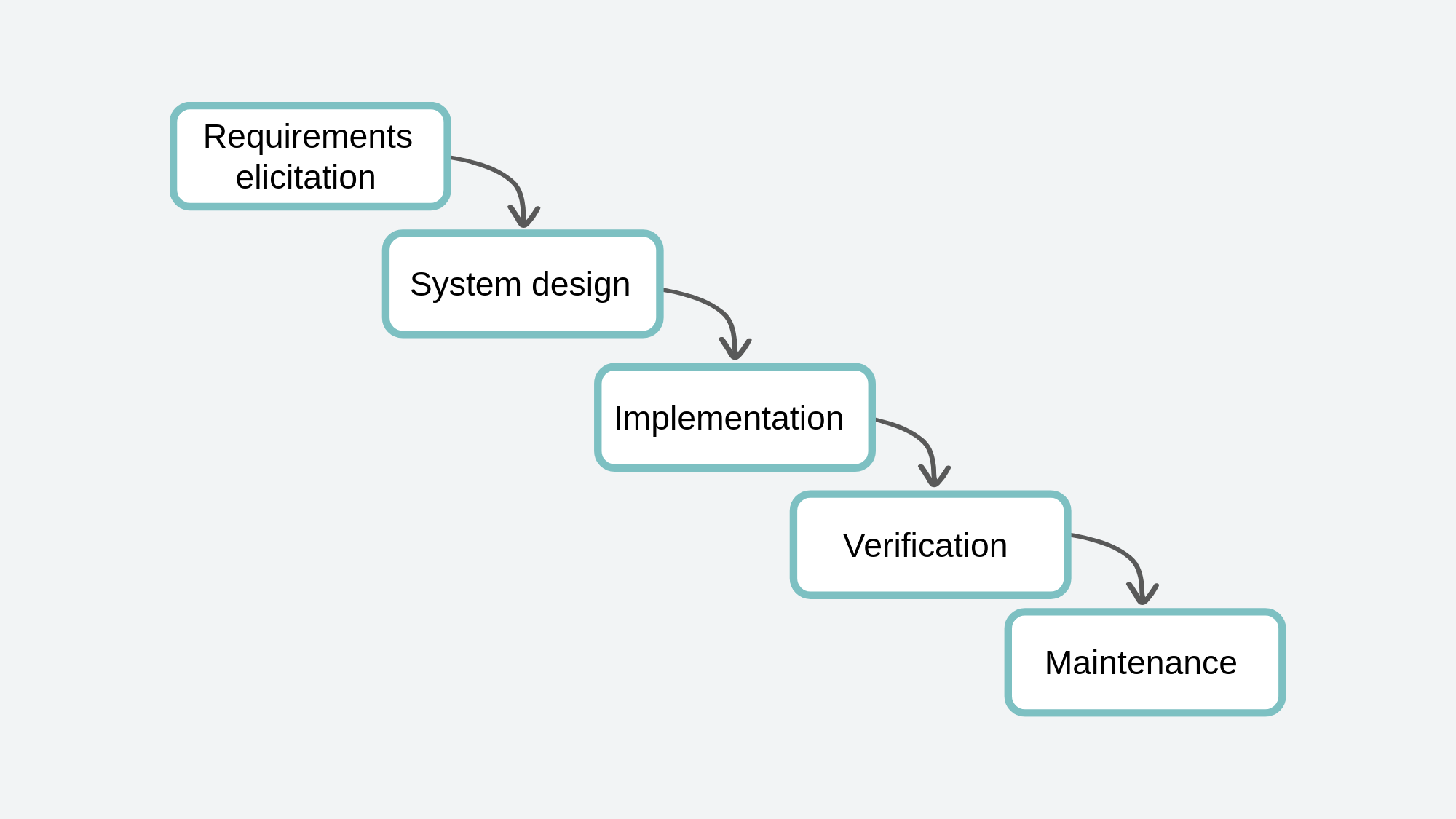
Selecting the right software is critical to successful implementation. Modern options offer features such as task tracking, resource management, and real-time collaboration. Key factors to consider include ease of use, scalability, and integration.
Integration with existing systems is vital for a smooth transition. Choose tools that can integrate with current enterprise software, such as CRM or ERP. This will ensure data flow and avoid double data entry.Self-paced
Training and skill developmentAgilePM Practitioner (with Foundation) self-paced online
Certifications 1. Project initiationProject Management ProfessionalProject initiation phase is important for the success of a project. During this stage, the ideas start to take shape, and the vision and purpose of the project are established.) or Developing a business casePRINCE2The
ConclusionValidate the requirements with relevant experts and end-users.
Project managementDeveloping a detailed project schedule offers numerous benefits to organisations, including improved decision-making, increased efficiency, and improved project success rates. These benefits translate into tangible impacts such as cost savings, productivity gains, and quality improvements. Less tangible benefits include enhanced morale and knowledge sharing, which contribute to a positive organisational culture.Creating an effective
While implementing project management practices may be challenging, the benefits far outweigh the initial hurdles. By carefully selecting methodologies, tools, and training project scheduleprogrammes is crucial for meeting project deadlines. The steps involved are as follows:, organisations can customise their approach to suit their needs. We encourage businesses of all sizes to embrace Work Breakdown Structureproject management principles (, as they provide a strong framework for achieving strategic goals and long-term success.WBS
FAQs)
What is the difference between project management and general management?: Break down the project into manageable tasks
Project management is focused on temporary projects with specific goals and deadlines. General management involves ongoing operations and broader organisational oversight. Task DurationProject managers: Estimate the duration of each task realistically manage resources for specific goals, while general managers oversee daily business operations.Task Dependencies
How can small businesses benefit from project management?: Identify and document dependencies between tasks
Small businesses can improve efficiency, save money, and enhance customer satisfaction through project management. It helps to prioritise tasks, manage resources effectively, and deliver products or services on time. Project management also supports growth by providing a structured approach to new initiatives.Resource Allocation
What are the essential skills for effective project managers?: Allocate resources to tasks efficiently
Key skills include communication, leadership, problem-solving, and time management. Technical knowledge, risk management skills, and adaptability are also important. Successful project managers are skilled at managing stakeholders and possess strong analytical and organisational skills.Milestones
How does project management contribute to risk mitigation?: Define significant points of progress or project phases to be achieved.
Project management includes risk assessment and mitigation. It identifies potential risks early on, develops contingency plans, and monitors risks throughout the project life cycle. This approach reduces the impact of unforeseen events on project outcomes.Setting SMART and CLEAR goals
Can project management principles be applied to non-traditional industries?Combine
Yes, project management principles can be applied to various industries. Industries such as healthcare, education, and creative fields can adapt SMARTproject management methodologies (Specific, Measurable, Achievable, Relevant, Time-bound) and to improve processes and outcomes.CLEAR
What are the key metrics for measuring project management success? (Collaborative, Limited, Emotional, Appreciable, Refinable) goal-setting methods for comprehensive project objectives.
Key metrics include on-time delivery, adherence to budget, scope fulfilment, and stakeholder satisfaction. Quality metrics, team productivity, and return on investment are also valuable measures of project management success.Project plan
How often should project management processes be reviewed and updated?In this phase a project plan captures the project goals, scope, resources, schedule, budget, and main requirements for the project. The initial version of the project plan needs to be approved by the project sponsor before proceeding to the next phase and will be updated regularly as the project proceeds.
Processes should be reviewed regularly, typically annually or bi-annually. Organisations should also review processes after significant projectsCreating a communication plan or changes in the market. Continual improvement ensures that project management processes are aligned with business goals and industry standards.Effective
Infographiccommunication
