
Key takeaways
Strong project management improves delivery, governance, and organisational confidence.
- Clear roles, accountability, and stakeholder communication improve decision-making and reduce conflict.United Kingdom
- Structured planning and sequencing cut waste, optimise resources, and improve budget control.Austria
- Regular monitoring and quality standards increase on-time delivery and reduce errors and rework.Belgium
- Better risk management and realistic estimating strengthen ROI and limit scope creep.Bulgaria
- Consistent methods, feedback loops, and lessons learned build morale, customer trust, and continuous improvement.Croatia
IntroductionPRINCE2 Agile
ProjectPRINCE2 Agile Course PRINCE2 Agile comparisonmanagement is a systematic approach to planning, executing, and completing work to achieve specific objectives. It involves coordination of resources, time, and personnel to ensure successful outcomes. {"@context":"http://schema.org","@type":"BreadcrumbList","itemListElement":[{"@type":"ListItem","position":1,"name":"Home","item":"https://www.knowledgetrain.co.uk/"},{"@type":"ListItem","position":2,"name":"Project Management","item":"https://www.knowledgetrain.co.uk/project-management"},{"@type":"ListItem","position":3,"name":"PRINCE2 Agile","item":"https://www.knowledgetrain.co.uk/project-management/prince2-agile"},{"@type":"ListItem","position":4,"name":"PRINCE2 Agile Course","item":"https://www.knowledgetrain.co.uk/project-management/prince2-agile/prince2-agile-course"},{"@type":"ListItem","position":5,"name":"PRINCE2 Agile comparison","item":"https://www.knowledgetrain.co.uk/project-management/prince2-agile/prince2-agile-course/prince2-agile-comparison"}]}Project management has become a crucial tool for organisations of all sizes.
Modern businesses face several challenges, such as increased competition, technology shifts, and diverse stakeholder expectations.
Project management provides a framework to enhance operations, mitigate risks, and improve efficiency.PRINCE2 vs Agile or PRINCE2 Agile?
By implementing effective project management practicesSimon Buehring, organisations can improve their ability to consistently deliver high-quality results. This allows businesses to respond to market changes and maintain a competitive edge in their respective markets.19 Feb 2026
The core benefits of project management
Project management provides a range of benefits that can significantly enhance an organisation’s performance and results.
Improved decision-making and governance
Clear roles and responsibilities are the foundation of effective project management. It ensures team members know what to do, creates accountability, and prevents conflicts.
Stakeholder management is another crucial element of project management. By implementing a structured approach to communication, project managers can identify key stakeholders, address their concerns in advance, and align project goals with stakeholder expectations.
Enhanced efficiency and resource utilisation
Project management enables streamlined processes and workflows. It leads to reduced redundancies, improved task sequencing, and better utilisation of resources. Project management significantly improves resource allocation. It allows managers to assign personnel based on their skills and availability, better allocate budgets, and optimise use of equipment and materials.
Increased project success rates
One of the most tangible benefits is the ability to meet deadlines and stay within budget. Project management enables this by setting realistic timeframes, monitoring progress regularly, and taking corrective actions promptly.
Finally, project management enables delivery of high-quality results. It is achieved by establishing clear quality standards, implementing robust quality control measures, and continuously improving based on feedback and lessons learned .
By focusing on these core benefits, organisations can significantly improve their project results, leading to improved performance and competitiveness in their respective markets.
Tangible impacts on business performance
Implementing effective project management practices provides tangible benefits for organisations across various aspects of their operations.
Cost savings and financial benefits
Reduced waste and overruns are major benefits of project management. By implementing robust planning and control measures, organisations can avoid unnecessary expenditures, prevent scope creep, and identify potential cost overruns in advance.
Project management also leads to improved ROI on Copied!projectsKey takeaways. It is achieved by better allocation of resources, more accurate cost estimates, and improved risk management strategies.PRINCE2 Agile combines PRINCE2 governance with Agile delivery to suit fast-changing environments.
Time management and productivity gainsPRINCE2 keeps projects anchored to business justification, clear roles, and decision points across the lifecycle.
Faster project completion is one of the major benefits of effective project management. It is achieved by Agile focuses on rapid, incremental delivery with customer feedback, collaboration, and self-organising teams.techniquesPRINCE2 can support iterative delivery and is not inherently a waterfall approach. such as critical path analysis and PRINCE2 Agile explains how to tailor PRINCE2 for Agile work while keeping the same principles, practices, and processes.Agile methodologiesUse fix or flex to protect time and cost, while flexing scope and quality criteria through prioritisation.. They allow identifying critical tasks, eliminating bottlenecks, and streamlining workflows.
Project management also enables better use of team members’ time. It is achieved by establishing clear roles and responsibilities, better task allocation based on skills and availability, and eliminating idle time between project phases.
Quality improvements and consistency
Standardised processes lead to better results. ContentsProject management frameworks provide clear quality standards and expectations, consistent methodologies across projects, and improved communication and collaboration.
Another tangible benefit is reduced errors and rework. It is achieved by implementing robust quality control measures, encouraging continuous feedback and improvement, and utilising lessons learned from previous Contentsprojects .Introduction
By focusing on these tangible impacts, organisations can measure the value of project management and justify its implementation across various departments and initiatives. Improved cost management, time efficiency, and quality significantly contribute to business performance and competitiveness.
Intangible benefits and organisational culturePRINCE2 vs Agile
While tangible benefits are easy to measure, PRINCE2project managementPRINCE2 is the world’s most widely used project management methodology. provides significant intangible benefits that enhance organisational culture and performance.PRINCE2 qualifications
Enhanced team morale and collaboration are also a standard feature of project management job specifications in the UK and have grown in popularity since
Clear communication and expectations are key elements of effective project management. It reduces misunderstandings and conflicts, creates a sense of purpose for team members, and fosters a collaborative work environment.PRINCE2
The structured approach of project management often leads to improved job satisfaction. Team members benefit from clear roles and responsibilities, opportunities for skill development, and recognition of individual and team achievements. was launched in 1996.
Improved customer satisfactionCurrently, over 100,000
Project management facilitates better alignment with customer needs by engaging stakeholders regularly, implementing iterative feedback loops, and being flexible to respond to changing requirements. Customers also appreciate predictable and reliable deliverables from consistent PRINCE2 examsproject management methodologies are sat somewhere in the world every year., transparent progress reporting, and proactive Agilerisk management‘Agile’ is an umbrella term used to refer to numerous product delivery methods, frameworks and techniques used by development teams..Agile approaches emerged from the software industry in the 1990’s, to try to overcome many of the problems which had beset traditional software projects. They were often delivered late, over budget, and with low quality.
Knowledge sharing and continuous improvementThere are different
Project management encourages capturing and sharing Agile approacheslessons learned, the most famous being and best practices. It prevents repeated mistakes, improves future project results, and enhances overall organisational efficiency.Scrum
Building project management capability is a long-term benefit that creates a culture of continuous improvement, develops a pool of skilled , project managersKanban, and enables the organisation to tackle more complex initiatives., Extreme Programming, and
These intangible benefits significantly contribute to a positive organisational culture and long-term success, enabling a growth-oriented, collaborative, and excellent work environment.Lean
Implementing project management. All Agile approaches are based upon the
Successful implementation of project management requires careful planning and consideration of a few factors.12 Agile principles
Choosing the right methodology.
The choice of an appropriate project management methodology is crucial for project success. Traditional methodologies, such as WaterfallDownload this ebook
Who is PRINCE2 for? Agile methodPRINCE2 is a customer-focused
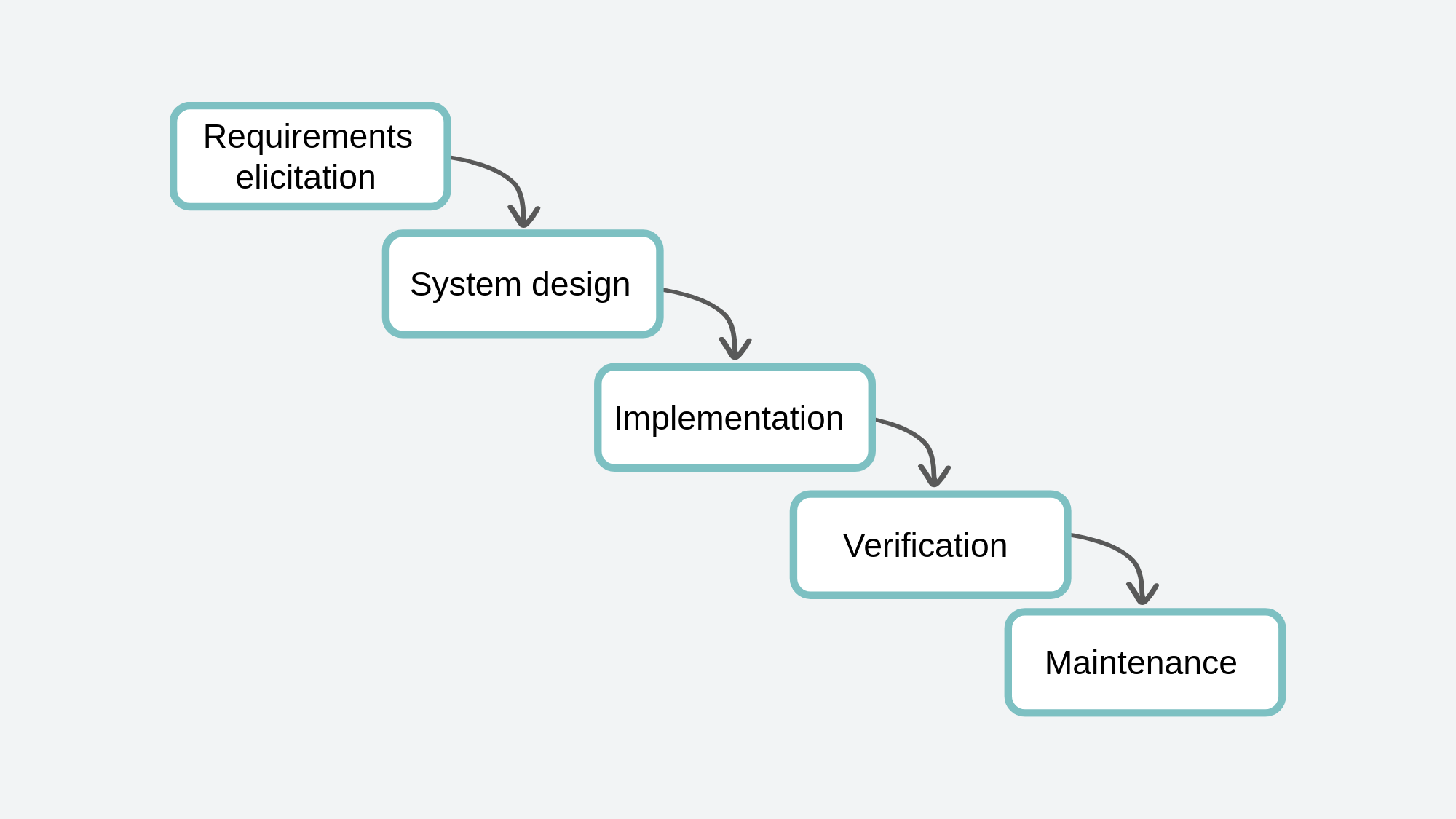
project management methodologyWaterfall method. It offers a set of principles, practices, and processes to enable an organisation’s key managers to justify a project. It helps them understand “why should we do it (the project)?” and “are the benefits worth the costs and risks of doing the project?”. It also focuses on how to manage a project effectively to ensure it still is a worthwhile investment in a changing business environment.
Tools and technologyPRINCE2 was developed by the UK government in 1996 as a generic project management methodology.
Selecting the right Focus of PRINCE2softwarePrinciples is critical to successful implementation. Modern options offer features such as task tracking, resource management, and real-time collaboration. Key factors to consider include ease of use, scalability, and integration.PRINCE2 is based upon a set of
Integration with existing systems is vital for a smooth transition. Choose tools that can integrate with current enterprise software, such as CRM or ERP. This will ensure data flow and avoid double data entry.7 principles
Training and skill development which guide all aspects of the method.
CertificationsSince it is a project management methodology, it describes the roles and responsibilities of all members of the such as PMP (project management teamProject Management Professional. This includes higher levels such as the project board, as well as the can significantly enhance team skills. They provide a strong foundation in and team manager roles.project management principlesPractices and best practices.It also covers a wide range of key
However, certification alone is not enough. Organisations should create ongoing learning and development project management practicesprogrammes – business case, organizing, risk, plans, quality, issues, and progress. Success on a PRINCE2 project is measured by how well it enables the project’s benefits to be realized by the customer organization.. This could include internal workshops, mentoring programmes, and attendance at industry conferences. Continual development ensures that Processesproject management processesPRINCE2 also includes a full
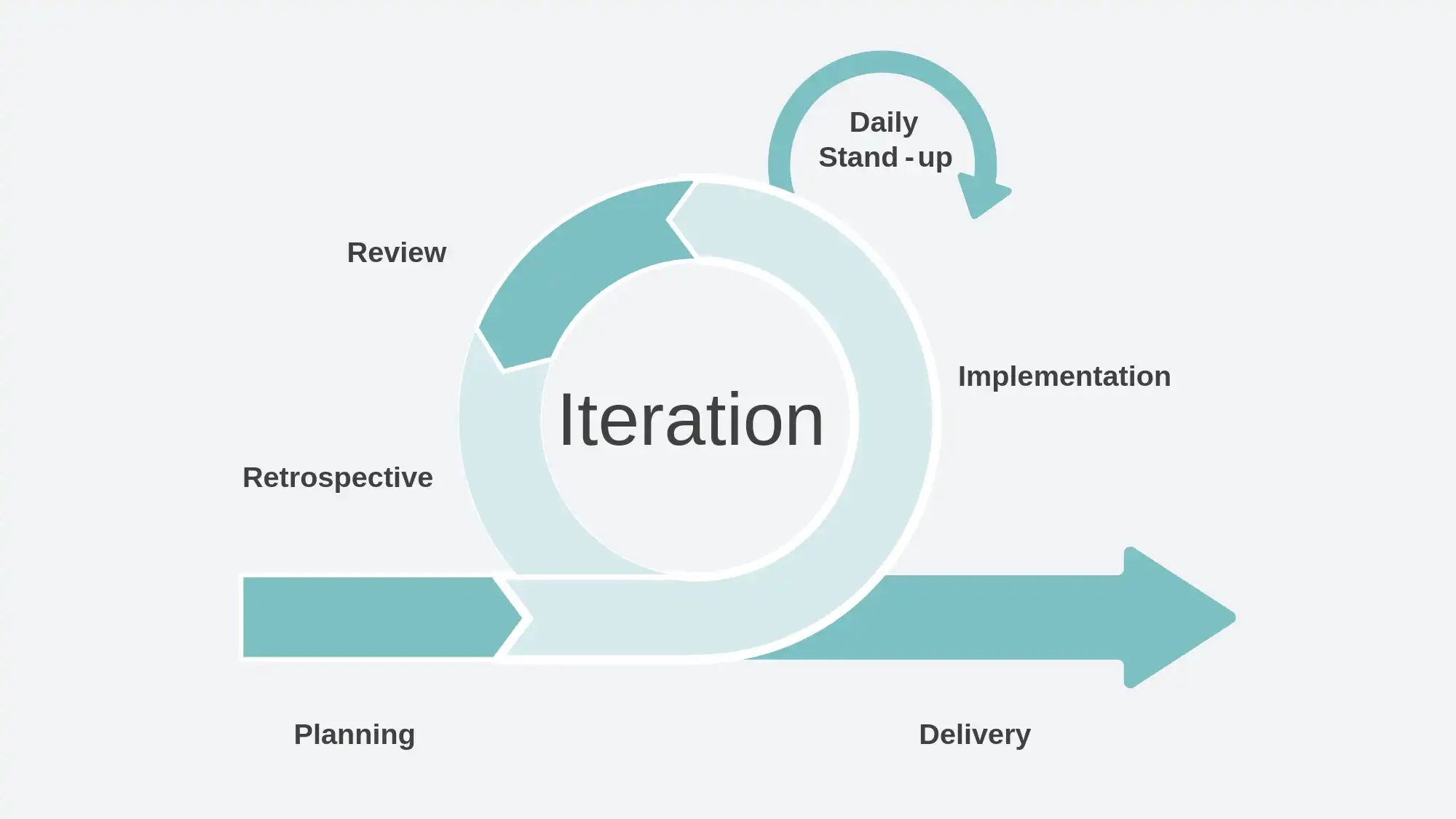
is that people on teams must work together collaboratively with the customer. This is done by defining and prioritizing requirements, developing, testing, and providing feedback in a continuous and repetitive cycle of iterations. Often, the customer will be co-located with the development team.programmesSelf-organisation, organisations can customise their approach to suit their needs. We encourage businesses of all sizes to embrace Self-organisation by teams is also one of the Agile principles. Agile teams determine their own tools and techniques to use (e.g. task backlogs, burn-down charts, Kanban boards), rather than these being mandated by a project management principlesproject manager, as they provide a strong framework for achieving strategic goals and long-term success..
FAQsPRINCE2 and Agile comparison
What is the difference between project management and general management?Planning
Project management is focused on temporary projects with specific goals and deadlines. General management involves ongoing operations and broader organisational oversight. One key difference between PRINCE2 and Agile methods is that PRINCE2 is often described as a predictive (plan-based) approach, while Project managersAgile manage resources for specific goals, while general managers oversee daily business operations. calls for short-term, incremental achievements independent of an over-arching plan (the adaptive approach).
How can small businesses benefit from project management?This means that, while PRINCE2 enables the customer to remain focused on the project’s original business goals, Agile approaches are very responsive to changes in the project environment and customer requirements.
