
Ensuring clear communication throughout the project
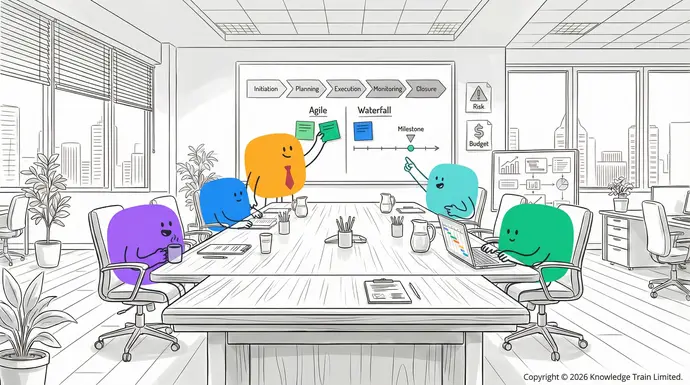
One of the most important aspects of project planning is clear communication with everyone involved in the project. This includes not only your project team but also the customer, sponsors, and other stakeholders.To communicate clearly with everyone involved in the project, you can:Create a communication plan at the start of the projectUse visuals such as charts and diagrams to help communicate complex informationHold regular status meetings and provide status reportsUtilise collaboration tools to enhance information sharing.
Communicating clearly with everyone involved in the project will help to avoid misunderstandings and keep everyone on the same page.Leveraging project management methodologiesThere are several project management methodologies
that have been proven to be effective in managing projects. These include:
Waterfall if your project has clear requirements and mostly sequential activitiesAgile if your project is more dynamic and has regular stakeholder feedbackHybrid approaches that mix features from multiple methodologies.
- The best methodology to use for your project will depend on the nature of the project and your organisation’s culture. However, by using a proven methodology, you will be better equipped to handle the challenges of project planning.Common challenges and how to overcome themAddressing project planning pitfallsProject planning can be a minefield, with various pitfalls waiting to trip up even the most experienced project managers. Let’s explore some common planning mishaps and how to avoid them.
- Dealing with scope creep
- Establish a sense of urgencyForm a guiding coalitionCreate a vision for changeCommunicate the vision
- Empower broad-based actionGenerate short-term wins
- Consolidate gains and produce more change
Resistance to change: Employees may fear job loss, uncertainty, or increased responsibilities.
The five standard stages are Initiating, Planning, Executing, Monitoring and Controlling, and Closing. Each phase plays a vital role in ensuring project objectives are met efficiently.: {title}
What does a project manager do? Supporting the transition of solutions into the business and managing effects on people and processes Manage Consent{"@context":"https://schema.org","@type":"WebPage","name":"Change Management: Models, Steps & Best Practices [2024 Guide]","url":"https://www.knowledgetrain.co.uk/change-management","description":"Learn what change management is, key models, steps, challenges, and best practices. A comprehensive 2024 guide for effective organisational change.","significantLink":"https://www.knowledgetrain.co.uk/change-management","mainEntity":[{"@type":"Article","headline":"Change management: models, steps, and best practices","about":[{"@type":"DefinedTerm","name":"change management","sameAs":["https://en.wikipedia.org/wiki/Change_management","https://www.google.com/search?&kgmid=/m/02rxbq1","https://www.wikidata.org/wiki/Q507232"]},{"@type":"DefinedTerm","name":"Kotter's 8-Step Process","sameAs":["https://en.wikipedia.org/wiki/John_Kotter#8-Step_Process_for_Leading_Change","https://www.google.com/search?&kgmid=/g/122ylnch","https://www.wikidata.org/wiki/Q56490748"]},{"@type":"DefinedTerm","name":"Lewin's Change Model","sameAs":["https://en.wikipedia.org/wiki/Kurt_Lewin#Three-Stage_Theory_of_Change","https://www.google.com/search?&kgmid=/g/11b6d4bthh","https://www.wikidata.org/wiki/Q111595438"]},{"@type":"DefinedTerm","name":"ADKAR model","sameAs":["https://en.wikipedia.org/wiki/ADKAR_model","https://www.google.com/search?&kgmid=/g/11c2633t9v","https://www.wikidata.org/wiki/Q24538064"]},{"@type":"DefinedTerm","name":"resistance to change","sameAs":["https://en.wikipedia.org/wiki/Resistance_to_change","https://www.google.com/search?&kgmid=/m/012f2z","https://www.wikidata.org/wiki/Q2163579"]},{"@type":"DefinedTerm","name":"stakeholders","sameAs":["https://en.wikipedia.org/wiki/Stakeholder_(corporate)","https://www.google.com/search?&kgmid=/m/06zl3","https://www.wikidata.org/wiki/Q1152283"]},{"@type":"DefinedTerm","name":"leadership","sameAs":["https://en.wikipedia.org/wiki/Leadership","https://www.google.com/search?&kgmid=/m/04t1k","https://www.wikidata.org/wiki/Q650112"]},{"@type":"DefinedTerm","name":"employee engagement","sameAs":["https://en.wikipedia.org/wiki/Employee_engagement","https://www.google.com/search?&kgmid=/m/0c3v","https://www.wikidata.org/wiki/Q537366"]},{"@type":"DefinedTerm","name":"communication","sameAs":["https://en.wikipedia.org/wiki/Communication","https://www.google.com/search?&kgmid=/m/01n7q","https://www.wikidata.org/wiki/Q11024"]},{"@type":"DefinedTerm","name":"change agent","sameAs":["https://en.wikipedia.org/wiki/Change_agent","https://www.google.com/search?&kgmid=/m/02z7g_","https://www.wikidata.org/wiki/Q507244"]},{"@type":"DefinedTerm","name":"process improvement","sameAs":["https://en.wikipedia.org/wiki/Process_improvement","https://www.google.com/search?&kgmid=/g/11bc61m3_5","https://www.wikidata.org/wiki/Q1530963"]},{"@type":"DefinedTerm","name":"implementation","sameAs":["https://en.wikipedia.org/wiki/Implementation","https://www.google.com/search?&kgmid=/m/035_q","https://www.wikidata.org/wiki/Q181876"]},{"@type":"DefinedTerm","name":"culture change","sameAs":["https://en.wikipedia.org/wiki/Organizational_culture#Change","https://www.google.com/search?&kgmid=/m/02jpz","https://www.wikidata.org/wiki/Q1286925"]},{"@type":"DefinedTerm","name":"organisational development","sameAs":["https://en.wikipedia.org/wiki/Organizational_development","https://www.google.com/search?&kgmid=/m/01534t","https://www.wikidata.org/wiki/Q1261513"]},{"@type":"DefinedTerm","name":"best practices","sameAs":["https://en.wikipedia.org/wiki/Best_practice","https://www.google.com/search?&kgmid=/m/04nsmj","https://www.wikidata.org/wiki/Q48283"]},{"@type":"DefinedTerm","name":"project management","sameAs":["https://en.wikipedia.org/wiki/Project_management","https://www.google.com/search?&kgmid=/m/06n8c","https://www.wikidata.org/wiki/Q171119"]},{"@type":"DefinedTerm","name":"business transformation","sameAs":["https://en.wikipedia.org/wiki/Business_transformation","https://www.google.com/search?&kgmid=/g/11b7wsy5xh","https://www.wikidata.org/wiki/Q28960900"]},{"@type":"DefinedTerm","name":"stakeholder engagement","sameAs":["https://en.wikipedia.org/wiki/Stakeholder_engagement","https://www.google.com/search?&kgmid=/g/11g7dk8pxm","https://www.wikidata.org/wiki/Q7566812"]},{"@type":"DefinedTerm","name":"transition","sameAs":["https://en.wikipedia.org/wiki/Transition_management","https://www.google.com/search?&kgmid=/g/11bzw6dtz0","https://www.wikidata.org/wiki/Q1131930"]},{"@type":"DefinedTerm","name":"risk management","sameAs":["https://en.wikipedia.org/wiki/Risk_management","https://www.google.com/search?&kgmid=/m/06tbh","https://www.wikidata.org/wiki/Q211119"]}],"mentions":[{"@type":"DefinedTerm","name":"change management","sameAs":["https://en.wikipedia.org/wiki/Change_management","https://www.google.com/search?&kgmid=/m/02rxbq1","https://www.wikidata.org/wiki/Q507232"]},{"@type":"DefinedTerm","name":"organisational change","sameAs":["https://en.wikipedia.org/wiki/Organizational_change","https://www.google.com/search?&kgmid=/m/03x62k","https://www.wikidata.org/wiki/Q11943131"]},{"@type":"DefinedTerm","name":"leadership","sameAs":["https://en.wikipedia.org/wiki/Leadership","https://www.google.com/search?&kgmid=/m/04t1k","https://www.wikidata.org/wiki/Q650112"]},{"@type":"DefinedTerm","name":"employee engagement","sameAs":["https://en.wikipedia.org/wiki/Employee_engagement","https://www.google.com/search?&kgmid=/m/0c3v","https://www.wikidata.org/wiki/Q537366"]},{"@type":"DefinedTerm","name":"communication","sameAs":["https://en.wikipedia.org/wiki/Communication","https://www.google.com/search?&kgmid=/m/01n7q","https://www.wikidata.org/wiki/Q11024"]},{"@type":"DefinedTerm","name":"change agent","sameAs":["https://en.wikipedia.org/wiki/Change_agent","https://www.google.com/search?&kgmid=/m/02z7g_","https://www.wikidata.org/wiki/Q507244"]},{"@type":"DefinedTerm","name":"process improvement","sameAs":["https://en.wikipedia.org/wiki/Process_improvement","https://www.google.com/search?&kgmid=/g/11bc61m3_5","https://www.wikidata.org/wiki/Q1530963"]},{"@type":"DefinedTerm","name":"implementation","sameAs":["https://en.wikipedia.org/wiki/Implementation","https://www.google.com/search?&kgmid=/m/035_q","https://www.wikidata.org/wiki/Q181876"]},{"@type":"DefinedTerm","name":"culture change","sameAs":["https://en.wikipedia.org/wiki/Organizational_culture#Change","https://www.google.com/search?&kgmid=/m/02jpz","https://www.wikidata.org/wiki/Q1286925"]},{"@type":"DefinedTerm","name":"project management","sameAs":["https://en.wikipedia.org/wiki/Project_management","https://www.google.com/search?&kgmid=/m/06n8c","https://www.wikidata.org/wiki/Q171119"]}]},{"@type":"FAQPage","mainEntity":[{"@type":"Question","name":"What is change management and why is it important?","acceptedAnswer":{"@type":"Answer","text":"Change management is the process of guiding organisations, individuals, or teams through transitions. It is important because it enables smoother implementation of change, reduces resistance, and ensures that strategic objectives are achieved efficiently."}},{"@type":"Question","name":"What are common change management models?","acceptedAnswer":{"@type":"Answer","text":"The most common models are Kotter’s 8-Step Process, Lewin’s Change Model, and the ADKAR model. Each provides a structured approach to planning and implementing change."}},{"@type":"Question","name":"How do you overcome resistance to change?","acceptedAnswer":{"@type":"Answer","text":"Overcome resistance by communicating benefits clearly, involving stakeholders, offering support and training, addressing concerns promptly, and recognising employee contributions throughout the transition."}},{"@type":"Question","name":"What role do leaders play in change management?","acceptedAnswer":{"@type":"Answer","text":"Leaders set the direction, communicate the vision, build trust, allocate resources, and provide motivation and support to drive successful change."}},{"@type":"Question","name":"How can employees be engaged during change initiatives?","acceptedAnswer":{"@type":"Answer","text":"Engage employees by involving them early, asking for input, addressing worries, providing training, celebrating successes, and continuously seeking feedback to make improvements."}}]}]}
A Main business analysis processes project managerProcess To provide the best experiences, we use technologies like cookies to store and/or access device information. Consenting to these technologies will allow us to process data such as browsing behavior or unique IDs on this site. Not consenting or withdrawing consent, may adversely affect certain features and functions.Related articles is responsible for planning, executing, and closing Description projectsRequirements elicitation . They coordinate tasks, manage the project team, oversee scheduling and budgeting, handle risks, and communicate with stakeholders to ensure successful delivery.Gathering information from stakeholders using interviews, workshops, observation, and document analysis The technical storage or access is strictly necessary for the legitimate purpose of enabling the use of a specific service explicitly requested by the subscriber or user, or for the sole purpose of carrying out the transmission of a communication over an electronic communications network.
What is the difference between Agile and waterfall in project management?Requirements documentationPRINCE2 Agile glossary
AgileCapturing business and technical requirements in written formats, such as Functional is an iterative approach that emphasises flexibility, frequent feedback and continuous improvement, best for evolving projects. user storiesSimon Buehring Waterfall, use cases, or requirement specifications19 Feb 2026 is a linear, sequential model suited to projects with well-defined requirements.Requirements validation Preferences
How do I become a project manager?Ensuring requirements are accurate, feasible, and aligned with business goalsAccess a comprehensive glossary of terms from PRINCE2 Agile to enhance your understanding of its unique vocabulary. Essential for practitioners.
Start by gaining experience in team-based roles, develop relevant skills, and pursue Stakeholder engagement Functional project management certificationsBuilding relationships with all parties affected by the change to ensure their needs are met such as Process improvement Always active Preferences PRINCE2Analysing existing workflows and recommending enhancements for efficiency , Solution assessment What qualifications do change managers need?Evaluating potential solutions against requirements Change management
Supporting successful adoption of new processes or systemsPRINCE2 principles: Free ebook
Common business analysis techniques SWOT analysisSimon BuehringThe technical storage or access is strictly necessary for the legitimate purpose of enabling the use of a specific service explicitly requested by the subscriber or user, or for the sole purpose of carrying out the transmission of a communication over an electronic communications network.:19 Feb 2026 Identifying strengths, weaknesses, opportunities, and threats related to a business area or solution Gap analysis:Explore the principles of PRINCE2 with our free ebook designed to prepare you for the PRINCE2 Foundation exam. Read on for comprehensive insights.