
- Statistics
- Statistics
The technical storage or access that is used exclusively for statistical purposes.
The technical storage or access that is used exclusively for anonymous statistical purposes. Without a subpoena, voluntary compliance on the part of your Internet Service Provider, or additional records from a third party, information stored or retrieved for this purpose alone cannot usually be used to identify you.
- Functional
- FunctionalMarketing
- Always active
The technical storage or access is strictly necessary for the legitimate purpose of enabling the use of a specific service explicitly requested by the subscriber or user, or for the sole purpose of carrying out the transmission of a communication over an electronic communications network.
The technical storage or access is required to create user profiles to send advertising, or to track the user on a website or across several websites for similar marketing purposes.
PreferencesManage options
- Manage services
- Manage {vendor_count} vendors
- Read more about these purposes
Preferences
- Accept
- Deny
View preferences
- Save preferences
- The technical storage or access is necessary for the legitimate purpose of storing preferences that are not requested by the subscriber or user.
- View preferences
{title} {title} {title}
StatisticsManage consentCurriculum
Manage consentThe Scrum Master courses cover all the topics of the Scrum Guide as required by the accreditation bodies. Scrum fundamentals
Scrum roles, events and artifacts
- StatisticsHow Scrum enables iterative delivery
- Scrum theory and principles in practice
- The Scrum Master role
- Responsibilities and boundaries of the role Serving the Scrum Team and the wider organisation Common challenges and how to handle them
Facilitation and events
- Running effective Sprint Planning, Daily Scrum, Review and Retrospective
- The technical storage or access that is used exclusively for statistical purposes.Techniques for engagement and time-boxing
- Keeping events outcome-focused
- The technical storage or access that is used exclusively for anonymous statistical purposes. Without a subpoena, voluntary compliance on the part of your Internet Service Provider, or additional records from a third party, information stored or retrieved for this purpose alone cannot usually be used to identify you.Coaching and team effectiveness
- Coaching mindset and practical coaching tools
Supporting collaboration and healthy team dynamics
- Encouraging accountability and transparency
- Impediments, flow and improvement
- Identifying and removing impediments
- MarketingSupporting continuous improvement
- Practical techniques to help teams deliver more predictably
Scrum in organisations
Quick tips
Set a clear project baseline before implementing EVM
Utilise project management software
to automate EVM calculations
- Regularly review and analyse EVM metrics
- Effectively communicate EVM results to stakeholders.
- Common pitfalls
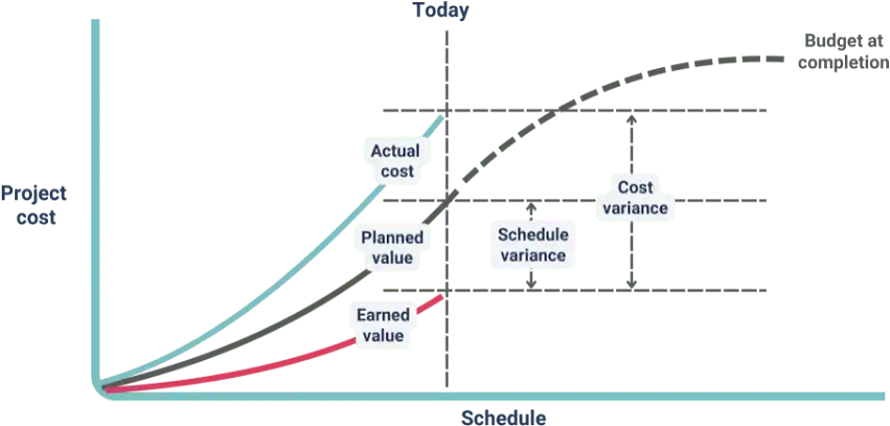
EVM is used to compute the following metrics:Pass mark:Using EVM in a rigid way without understanding the context and qualitative issues
- Schedule Variance (SV) = EV – PV 74% (37/50)Using EVM without adequate training or knowledge
- Cost Variance (CV) = EV – ACDuration:Not revising the baseline for significant changes
- Schedule Performance Index (SPI) = EV / PV 60 minutesNot acting based on the EVM information.
- Cost Performance Index (CPI) = EV / ACMaterials allowed:Cost-benefit analysis
Key takeaways Closed-bookCost-Benefit Analysis
- Offers early warning signs for potential project performance issuesPrerequisites: (CBA) is a financial evaluation technique that assesses the expected costs and benefits of a project or decision. It aims to determine whether the project is economically viable and justifiable.
- Allows for accurate prediction of project costs and completion dates Completing CSM 2 day training courseFive steps to perform a CBA:
- Facilitates data-driven decision making.Exam registration:Identify all the costs and benefits associated with the project
Quick tips Obtained when attending the courseMonetise the costs and benefits in monetary terms
- Set a clear project baseline before implementing EVMExam account:Compare the present value of costs and benefits using metrics such as net present value (NPV) or benefit-cost ratio (BCR)
- Utilise After attending the 2-day CSM course, you will receive a welcome email from Scrum Alliance that contains an account activation link. You have 90 days to complete the CSM test.Analyse the sensitivity of the results to changes in assumptions or inputsproject management softwareExam passwordDecide based on the CBA results and other criteria. to automate EVM calculations: You receive a password to take the PSM1 certification exam by email. All students on this Scrum Master training are emailed a password upon completion of the course.Key takeaways
- Regularly review and analyse EVM metricsYour path to successCBA provides a clear and transparent financial justification for a
- Effectively communicate EVM results to stakeholders. project
Common pitfalls Learn It helps prioritise projects with the highest return on investment (ROI)
- Using EVM in a rigid way without understanding the context and qualitative issues It supports objective and rational decision-making.
- Using EVM without adequate training or knowledge Trainer-led learning with practical examples and activities.Quick tips
- Not revising the baseline for significant changes Identify and include all relevant costs and benefits, both tangible and intangible
- Not acting based on the EVM information. Use realistic and consistent assumptions and data sources
Cost-benefit analysis Practice Involve subject matter experts in the analysis process
Cost-Benefit Analysis Review and update the CBA regularly to reflect changes in the project or environment. (CBA) is a financial evaluation technique that assesses the expected costs and benefits of a project or decision. It aims to determine whether the project is economically viable and justifiable. Apply concepts through exercises and scenario discussion.Common pitfalls
Five steps to perform a CBA: Overlooking or underestimating hidden or long-term costs or benefits
- Identify all the costs and benefits associated with the project Overestimating the benefits or underestimating the costs
- Monetise the costs and benefits in monetary terms Pass Not considering alternative options or the status quo
- Compare the present value of costs and benefits using metrics such as net present value (NPV) or benefit-cost ratio (BCR) Not accounting for risks and uncertainties.
- Analyse the sensitivity of the results to changes in assumptions or inputs Build confidence with exam-focused guidance and revision support.Resource levelling
- Decide based on the CBA results and other criteria.99% pass rateResource levelling is a technique for managing project resources to achieve optimal resource utilisation. It involves adjusting the allocation of resources to tasks so that resource demand does not exceed the available supply. By smoothing out the use of resources, resource levelling can reduce overallocation and idle time.
Key takeaways Our students consistently achieve top results - well above the national average.Key takeaways
- CBA provides a clear and transparent financial justification for a Resource levelling can lead to better resource utilisation and increased productivity.project It can help avoid burnout and reduce project risks.
- It helps prioritise projects with the highest return on investment (ROI)Knowledge Train by numbersIt can help project managers create more realistic
- It supports objective and rational decision-making. schedules
Quick tips 25,000+ .
- Identify and include all relevant costs and benefits, both tangible and intangible learners trained across the UK and beyondQuick tips
- Use realistic and consistent assumptions and data sources Identify resource constraints early in the project planning process.
- Involve subject matter experts in the analysis process 20+ Use
- Review and update the CBA regularly to reflect changes in the project or environment. years delivering accredited project management trainingproject management software
Common pitfalls that includes resource levelling capabilities.
- Overlooking or underestimating hidden or long-term costs or benefits 4.9/5 Prioritise critical path activities when levelling resources.
- Overestimating the benefits or underestimating the costs average rating based on thousands of verified reviewsCommunicate any resource changes to team members and stakeholders.
- Not considering alternative options or the status quo Common pitfalls
- Not accounting for risks and uncertainties. 95% Over-optimising resources at the expense of meeting project deadlines.
Resource levelling of customers recommend our coursesForgetting to account for the skill sets of individual resources when reallocating them.
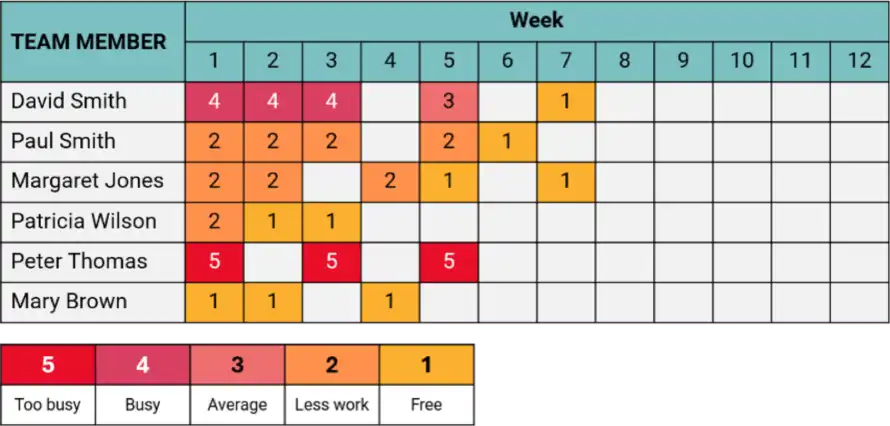
Resource levelling is a technique for managing project resources to achieve optimal resource utilisation. It involves adjusting the allocation of resources to tasks so that resource demand does not exceed the available supply. By smoothing out the use of resources, resource levelling can reduce overallocation and idle time. Failing to update the resource levelling as the project progresses.
Key takeaways 15+ Overlooking the impact of resource levelling on project costs.
- Resource levelling can lead to better resource utilisation and increased productivity. years of e-learning design expertiseConclusion
- It can help avoid burnout and reduce project risks. Project managers
- It can help project managers create more realistic 30+ can add the project management techniques described in this article to their project management toolkits. The larger the toolkit, the better equipped they are to handle the challenges their projects throw at them.schedules accredited trainers with 450+ years of combined experienceProject managers who effectively implement these techniques can improve their . project plans
Quick tipsTrusted by professionals at, resource scheduling, time and cost management, risks and stakeholders’ management and project performance.
- Identify resource constraints early in the project planning process. Informed decisions and right use of these techniques can help project managers deliver better project outcomes.
- Use Enhance your skills with our expert-led coursesproject management software that includes resource levelling capabilities.
- Prioritise critical path activities when levelling resources.
- Communicate any resource changes to team members and stakeholders. Self-paced
Common pitfalls APM PFQ blended online
- Over-optimising resources at the expense of meeting project deadlines.Join thousands of successful Scrum learners
- Forgetting to account for the skill sets of individual resources when reallocating them. £749 +vat
- Failing to update the resource levelling as the project progresses.Enrol today!
- Overlooking the impact of resource levelling on project costs.
FAQsWhat is Scrum, and how does it fit into Agile project management?Yes. Many learners take this course alongside work. Instructor-led online training runs on scheduled dates, and you’ll be guided on how to prepare and revise efficiently alongside your day job. If you need a different schedule, team training may be a better fit.
What are the most essential project management techniques?ScrumStill have questions? Contact us by phone on 0207 148 5985, via live chat, email, or by completing the form below.
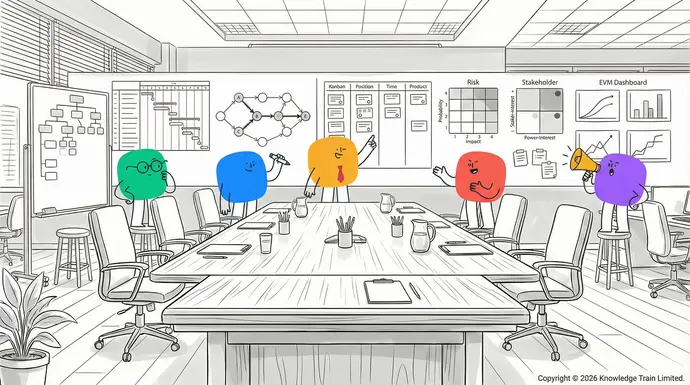
Some of the most important and effective ones include Gantt charts, is an Agile project management framework that organises the work into short iterative cycles (sprints). Scrum relies on defined roles (Product Owner, Development Team and Work Breakdown StructureScrum MasterHow to find us, CPM, Kanban boards and Risk Analysis.), events (sprint planning, daily stand-ups) and tools (sprint backlog). Scrum helps teams to plan and manage their work, adapt to changing requirements, and deliver value quickly.Knowledge Train
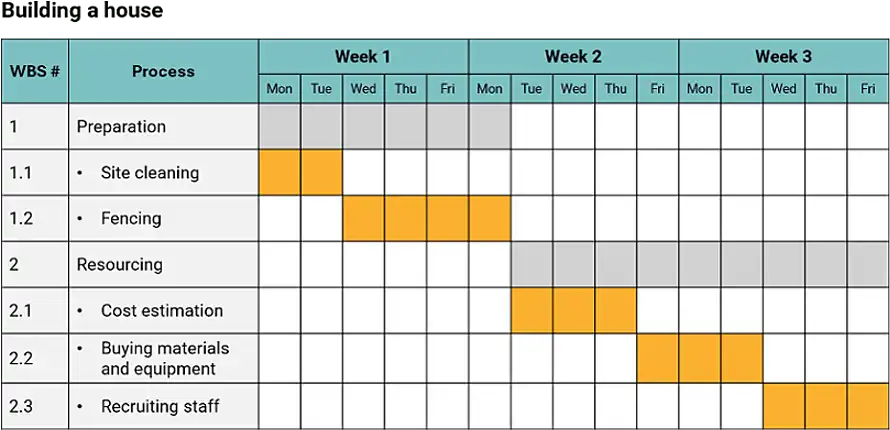
How do Gantt charts help in project management?How does Agile project management differ from traditional methods? 20 Old Bailey, London, EC4M 7AN,
Gantt charts are versatile project management tools. A Gantt chart could help in many ways: from getting you started on your tasks and giving you deadlines to plotting out your timeline and tracking your progress, all the way to giving you an eagle eye on task dependencies and seeing bottlenecks.Agile England, United Kingdom.
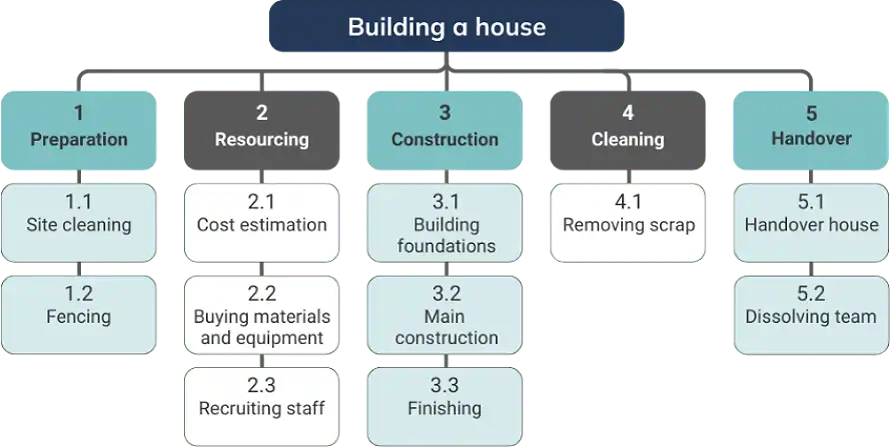
What is the Work Breakdown Structure (WBS), and why is it important? is an iterative and incremental approach to product development that values flexibility, collaboration, and customer satisfaction over following a rigid plan. Agile teams embrace change even late in the project, and they focus on delivering working solutions regularly rather than following a fixed set of requirements. Agile is all about continuous improvement and responding to feedback, and there are different ways (frameworks) to do it.Call
A Work Breakdown Structure or a WBS is a project management technique that decomposes a project into smaller pieces for easier management. A Infographic+44 (0)207 148 5985WBSSubscribe to our exclusive offers and promotionsOpening hours is critical for task organisation, time and cost estimation and more it allows you to build a clear scope for your project and help you to not get overwhelmed and not forget anything important. Monday to Friday – 09:00 to 17:15
How can Kanban boards improve project workflow?Subscribe nowGet in touch
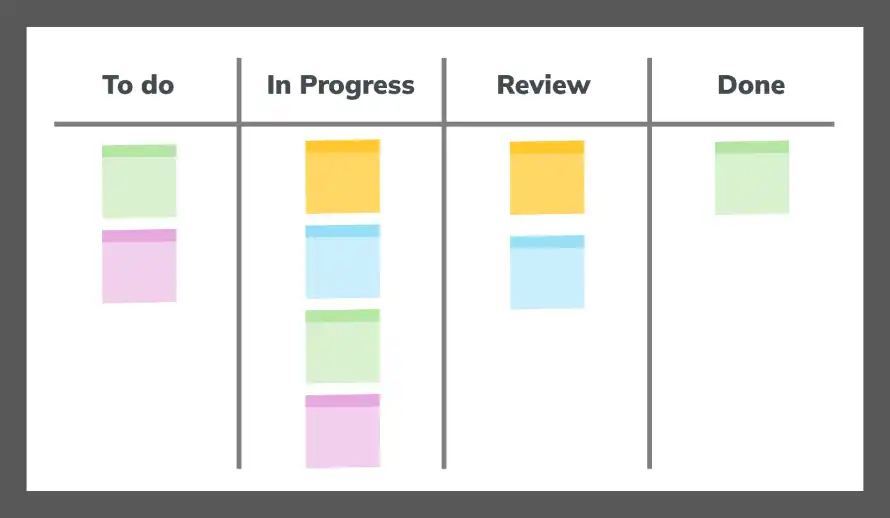
Kanban boards are visual tools that can help you and your team to visualise and manage tasks and workflows. Kanban boards will help your team collaborate, limit work-in-progress, and manage processes more efficiently, they also help you to see the bottlenecks easily. Kanban boards are a more popular tool for recurring processes and Agile project management .{"@context":"https://schema.org","@type":"ImageObject","contentUrl":"https://www.knowledgetrain.co.uk/training-courses/gantt-chart-example.webp ","description":"Example of a Gantt chart","license":"https://www.knowledgetrain.co.uk/license","acquireLicensePage":"https://www.knowledgetrain.co.uk/license","creditText":"Knowledge Train","uploadDate":"2024-10-20T09:00:29.000Z","copyrightNotice":"© 2024 Knowledge Train Limited. All rights reserved.","creator":{"@type":"Organization","name":"Knowledge Train","url":"https://www.knowledgetrain.co.uk"}}
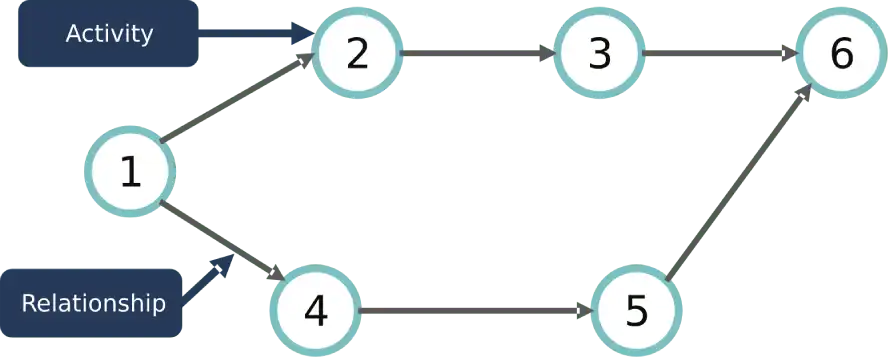
What is the Critical Path Method (CPM), and how does it help in scheduling?
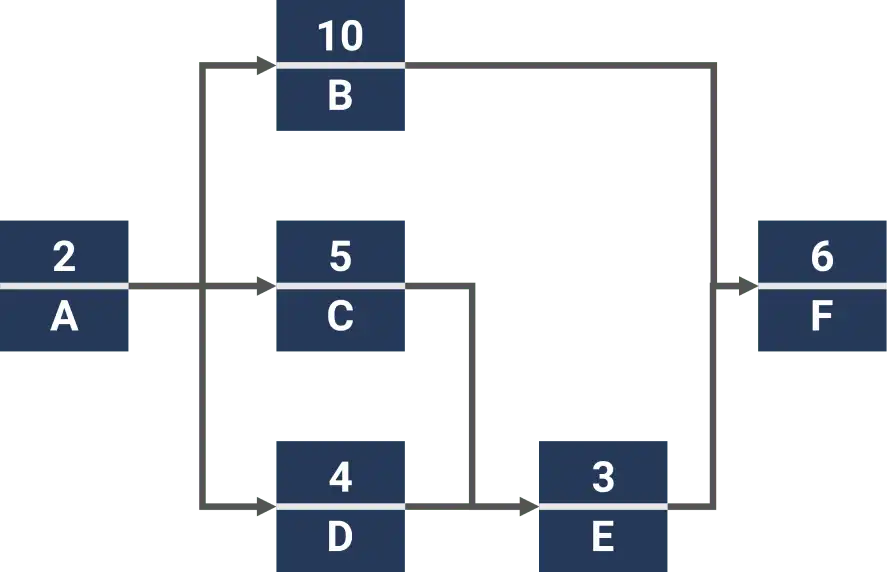
The Critical Path Method or CPM is a project scheduling technique that analyses your project in terms of tasks’ sequence and duration. CPM will help you to identify the longest chain of dependent tasks in your project, the so-called critical path, which would then help you in your decision-making: it will allow you to see what your project’s minimal duration is and what tasks can be delayed or rescheduled without affecting the project in general. The CPM is very useful in resource planning and allocation, as well as ensuring you have a solid deadline.{"@context":"https://schema.org","@type":"ImageObject","contentUrl":"https://www.knowledgetrain.co.uk/training-courses/project-network-diagram-example.webp","description":"Example of a project network diagram","license":"https://www.knowledgetrain.co.uk/license","acquireLicensePage":"https://www.knowledgetrain.co.uk/license","creditText":"Knowledge Train","uploadDate":"2024-10-20T09:00:29.000Z","copyrightNotice":"© 2024 Knowledge Train Limited. All rights reserved.","creator":{"@type":"Organization","name":"Knowledge Train","url":"https://www.knowledgetrain.co.uk"}}
What is Scrum, and how does it fit into Agile project management? Name
Scrum{"@context":"https://schema.org","@type":"ImageObject","contentUrl":"https://www.knowledgetrain.co.uk/training-courses/critical-path-method-example.webp","description":"Example of a Critical Path Method (CPM)","license":"https://www.knowledgetrain.co.uk/license","acquireLicensePage":"https://www.knowledgetrain.co.uk/license","creditText":"Knowledge Train","uploadDate":"2024-10-20T09:00:29.000Z","copyrightNotice":"© 2024 Knowledge Train Limited. All rights reserved.","creator":{"@type":"Organization","name":"Knowledge Train","url":"https://www.knowledgetrain.co.uk"}} is an Agile project management framework that organises the work into short iterative cycles (sprints). Scrum relies on defined roles (Product Owner, Development Team and Scrum Master{"@context":"https://schema.org","@type":"ImageObject","contentUrl":"https://www.knowledgetrain.co.uk/training-courses/kanban-board-example-1.webp","description":"Example of a kanban board.","license":"https://www.knowledgetrain.co.uk/license","acquireLicensePage":"https://www.knowledgetrain.co.uk/license","creditText":"Knowledge Train","uploadDate":"2024-10-20T09:00:29.000Z","copyrightNotice":"© 2024 Knowledge Train Limited. All rights reserved.","creator":{"@type":"Organization","name":"Knowledge Train","url":"https://www.knowledgetrain.co.uk"}}Phone), events (sprint planning, daily stand-ups) and tools (sprint backlog). Scrum helps teams to plan and manage their work, adapt to changing requirements, and deliver value quickly.
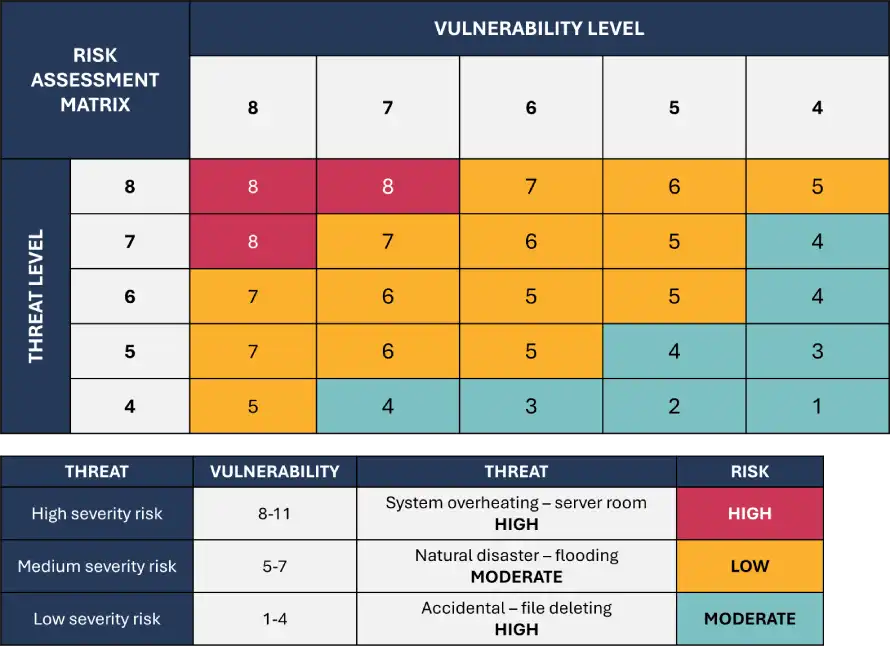
How does Agile project management differ from traditional methods?{"@context":"https://schema.org","@type":"ImageObject","contentUrl":"https://www.knowledgetrain.co.uk/training-courses/risk-management-matrix-example.webp","description":"Example of a risk management matrix.","license":"https://www.knowledgetrain.co.uk/license","acquireLicensePage":"https://www.knowledgetrain.co.uk/license","creditText":"Knowledge Train","uploadDate":"2024-10-20T09:00:29.000Z","copyrightNotice":"© 2024 Knowledge Train Limited. All rights reserved.","creator":{"@type":"Organization","name":"Knowledge Train","url":"https://www.knowledgetrain.co.uk"}}
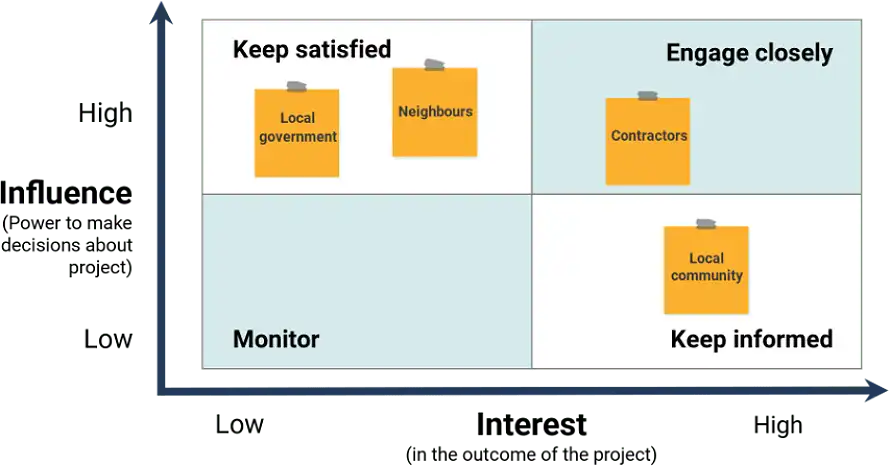
Agile Email is an iterative and incremental approach to product development that values flexibility, collaboration, and customer satisfaction over following a rigid plan. Agile teams embrace change even late in the project, and they focus on delivering working solutions regularly rather than following a fixed set of requirements. Agile is all about continuous improvement and responding to feedback, and there are different ways (frameworks) to do it.{"@context":"https://schema.org","@type":"ImageObject","contentUrl":"https://www.knowledgetrain.co.uk/training-courses/stakeholder-mapping-example.webp","description":"Example of a stakeholder mapping diagram.","license":"https://www.knowledgetrain.co.uk/license","acquireLicensePage":"https://www.knowledgetrain.co.uk/license","creditText":"Knowledge Train","uploadDate":"2024-10-20T09:00:29.000Z","copyrightNotice":"© 2024 Knowledge Train Limited. All rights reserved.","creator":{"@type":"Organization","name":"Knowledge Train","url":"https://www.knowledgetrain.co.uk"}}
Infographic
