
- The triangle model is a crucial tool for project managers to understand and balance the competing demands of a
- project. The scope refers to the project’s requirements, objectives, and deliverables. Time refers to the schedule and deadlines. Cost encompasses the budget and resources. The challenge is to optimise all three to meet project goals.Each corner of the triangle is dependent on the other two. A change in one element typically results in a change in at least one other. By understanding and managing these constraints, project teams can make informed decisions and adjustments to ensure project success.
The project management triangle is a fundamental concept that helps project managers visualise and optimise the key constraints of any project. By balancing scope, time, and cost, project teams can deliver successful outcomes that meet stakeholder expectations.
Understanding the project management triangleThe three constraints explainedThe project management triangle is made up of three main constraints:
scope
, time
and cost. Let’s have a detailed look at each of these.
- Scope
- : Scope refers to the boundaries, objectives and deliverables of a project. It includes the goals and requirements of the project, as well as the specific features, functionalities and quality standards.
- Time
- : The time constraint of a project refers to its duration and schedule. It involves factors such as the project start and end dates, milestones and deadlines, as well as the sequencing and dependencies of tasks.
- Cost
: The cost constraint relates to the financial and resource aspects of a project. This includes the budget allocated to the project as well as the human resources and labour costs, and equipment and material expenses.
Relationship between constraints
The three constraints of scope, time and cost are interconnected and can impact each other. Changes to one constraint will likely influence the other constraints. For example, an increase in scope will often require additional time and resources, whereas a reduction in time may increase costs or decrease scope. Similarly, a reduction in budget may affect the project scope or timeline.
Project managers must carefully balance these constraints throughout the project lifecycle.
Impact on project qualityThe balance of scope, time and cost also has an impact on the quality

of the project outcomes. If the three constraints are well-balanced, the project is more likely to achieve high-quality results. On the other hand, if there is an imbalance in any of the constraints, the quality of the project may be compromised. For example:
- A tight deadline may lead to a rushed project, resulting in lower quality outputs.
- A limited budget may result in a project being understaffed or under-resourced, which may also affect quality.
- A project with an overambitious scope can strain resources and time, leading to poor results.
Successful project management involves finding the right balance and making trade-offs between the three constraints while maintaining the desired level of quality. By understanding the impact of these constraints on each other, project managers can make informed decisions to lead the
- project
- to a successful outcome.
- Benefits of using the project management triangle
- Utilising the project management triangle provides some distinct benefits to the project team and stakeholders. These are as follows.
Easier change management
- The triangle model helps to
- make changes easier
- . This is because if a change arises, the project managers can easily evaluate how this change will affect the scope, time and cost, decide, as such it helps to quickly evaluate a change request, understand the ripple effects, and make an informed decision on change.
- Priority clarification
Visualising the three constraints helps to
See all dates
Instructor-ledProject Management Essentials
£999 +vat
- See all dates
- Managing the project management triangle
- Maintaining the balance of the project management triangle requires strategic decisions and careful trade-offs between scope, time, and cost. Here are some tips to help:
- Choose at least one flexible constraint
One constraint should be identified as more flexible than the others. This allows some wiggle room when dealing with changes or issues. Ask yourself:
Which constraint is easiest or least impactful to change?
- Are stakeholders willing to adjust scope, extend deadlines, or increase budget if necessary?
- How will increased flexibility in one constraint impact the other two?
- Identifying a flexible constraint up-front allows for better risk management and issue resolution.
- Prioritise features and requirements
Rank or score each based on value and importance
Clearly define “must-have” vs. “nice-to-have” featuresLeverage prioritisation to inform trade-off decisions.This prioritisation process allows for objective trade-off discussions if needed.
Develop a risk management plan
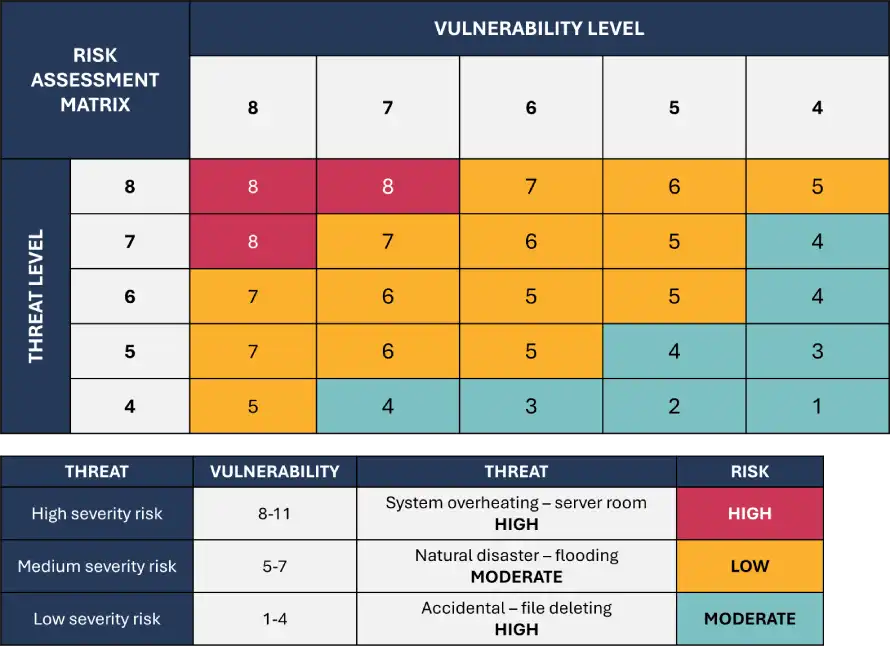
Proactively identifying and managing risks will help avoid imbalances in the triangle. A risk management plan should include:
Identification of risks that could impact any of the constraints
- Risk scoring based on probability and impact
- Detailed contingency plans for high-priority risks
- A monitoring process to reassess risks throughout the project.
Risk management
ensures prevention of imbalances before they happen.
- Create a change management plan
- Change is inevitable on projects. A
- change management plan provides a process for considering how changes impact the constraints. A plan should include:
- A system for submitting, reviewing, and approving changes
Procedures for assessing change impact on each constraint
- Approval thresholds based on change type and size
- Communication plans for approved changes
- A structured change management process helps to prevent imbalances.
- Match management methodology to priority constraints
The project management methodology used should complement the project’s constraints. Consider:
- Waterfall methodologies
- like traditional or predictive project management focus on upfront planning and are best suited for fixed-scope projects where time and cost can be more flexible.
- Agile methodologies
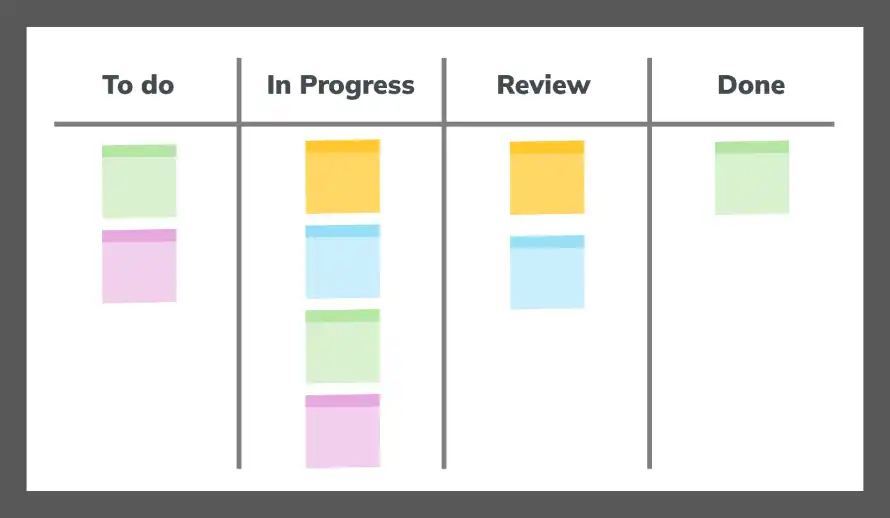
- like Scrum or Kanban emphasise iterative development and are best for projects where scope may need to be flexible or change over time.
Lean approaches
prioritise efficiency and cost control and are useful when budget is the main constraint.
Choosing the right approach from the beginning aligns with the key constraints.Follow the tips above to help manage the project management triangle and balance constraints throughout your project. The most important thing is to continuously monitor and maintain alignment of the three sides. Assess the status of scope, time, and cost regularly to identify imbalances. Be willing to make informed decisions and trade-offs as necessary. And communicate clearly with stakeholders about any changes to plans or constraints.Strategies for balancing constraintsManaging constraints effectively requires specific strategies for each side of the project management triangle. Here are some tips for balancing scope, time, cost and quality:Scope management techniques
When managing project scope, you can try these tips:
- Define project boundaries
- : Clearly outline the scope of the project and its deliverables at the beginning.
- Scope change control
- : Establish a process for handling changes to
the project scope.Monitor for scope creep
: Regularly review project requirements to ensure they align with the defined scope.
Prioritisation
- : Use a prioritisation method, such as
- MoSCoW
- , to determine which features are essential, desirable, optional, or not required.
- : Create a detailed budget for each phase of the project.
- Forecasting
: Regularly estimate the future costs of the project based on current performance and trends.
- Vendor management
- : Negotiate favourable terms and monitor supplier costs.
- Quality assurance practices
- When managing project quality, you can try these tips:
Quality standards: Define specific, measurable quality criteria for the project deliverables.Continuous testing
: Implement regular quality checks throughout the project lifecycle.
Peer review: Leverage the expertise of team members to identify and address quality issues.
Customer feedback
- : Regularly collect and incorporate stakeholder feedback on project deliverables.
- Through the implementation of these methods, project managers can successfully navigate and mitigate trade-offs between the competing constraints of scope, time, cost, and quality. However, it is important to note that constraint management is an iterative process that necessitates continuous monitoring and adjustment in response to changing project dynamics.
- Tools for managing the project management triangle
- Software can help you keep track of the project management triangle and ensure your project management is top-notch. Here are some of the best project management software to consider:Project management software optionsMonday.com
: A flexible platform suitable for multiple project types and management styles. With Visual boards for easy task tracking and prioritisation, it’s one of the best software for project management, and it also has customisable workflows for specific project requirements.
- ClickUp
- : A feature-rich tool with robust Agile project support and time tracking and resource management features. ClickUp also provides multiple view options (list, board, Gantt, calendar) to cater to different preferences and project needs.
- Teamwork
- : A client-focused platform designed for team collaboration. It has a budget and expense tracking features, as well as
- risk management
and issue tracking tools for comprehensive project management.
- Key features to look for in project management tools
- When choosing a project management tool, consider these vital features and capabilities:
- Constraint tracking
- : The ability to track and manage scope, time and cost constraints concurrently
- Resource allocation
: Features and tools to optimise team and resource utilisation
- Clearly define project scope and requirements during the planning phase.
- Communicate regularly with stakeholders to manage expectations.
- Implement a prioritisation system for new requests and changes.
Time constraints
- Projects often face
- tight deadlines, which can put pressure on the team and the quality of work.Solutions
- Use critical path analysis to identify and focus on essential tasks.
- Implement time-boxing techniques to improve focus and productivity.
Consider parallel processing of tasks where possible.
- Negotiate for deadline extensions when necessary.
- Budget limitations
- Limited budgets
- can restrict resources, impacting the project’s scope and quality.
Solutions
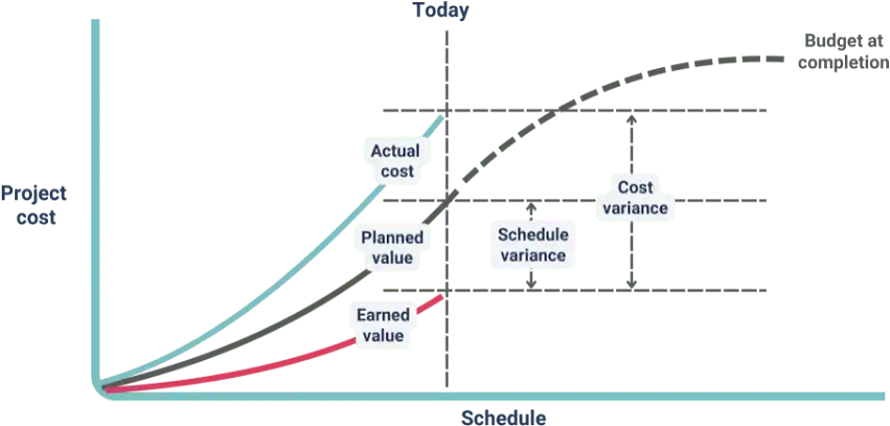
Conduct thorough cost estimation during the planning phase.Implement earned value management (EVM) to track project cost performance.
Explore cost-effective alternatives for resources.
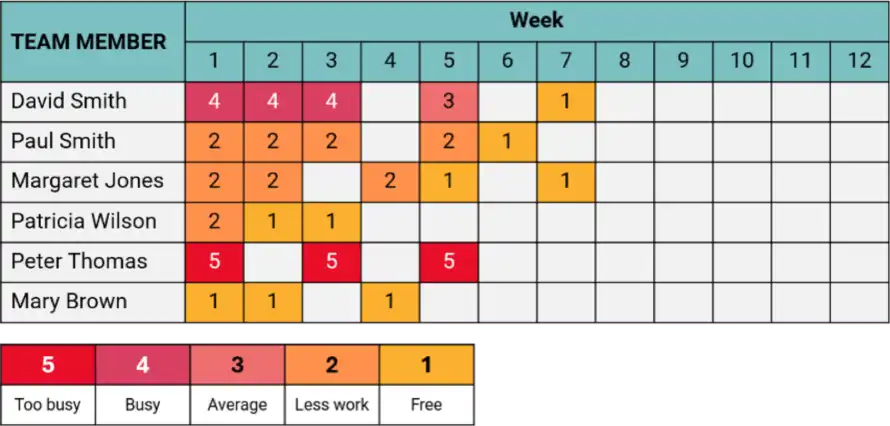
- Use a tracking system to monitor the project. This will help you to keep track of progress and adjust as needed.
- Review the project plan on a regular basis. This will help you to stay on track and make changes as necessary.
- Adjust the plan when necessary. If you find that you are off track, you can always make adjustments to get back on track.
- Decisions based on information to revise project plans.
Team collaboration and accountability
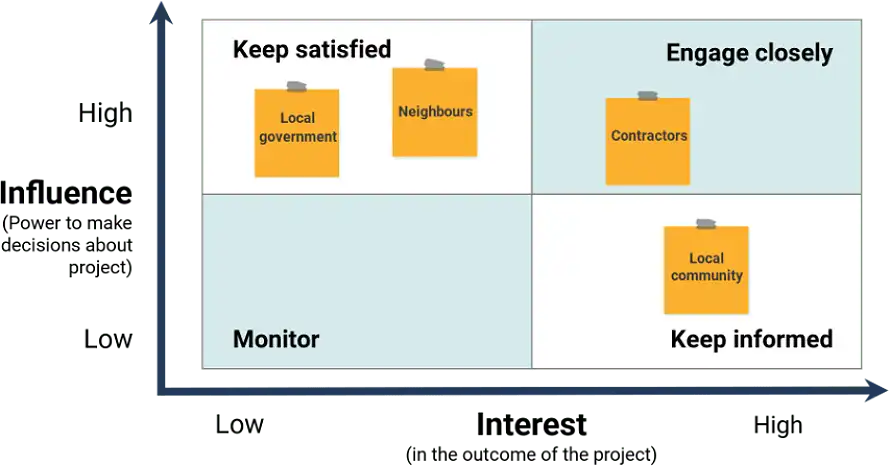
Project managers can also foster collaboration and teamwork among team members by holding them accountable for their part of the work. When team members know that they will be held accountable for their work, they are more likely to collaborate with others to complete the project successfully. There are several best practices for collaborating and holding team members accountable, including the following:Assign clear roles and responsibilities to each team member. This will help everyone to understand what they need to do and be held accountable for their part of the project.
Encourage team members to collaborate with each other. This can be done by setting up regular team meetings and encouraging team members to communicate with each other.Track team members’ progress and hold them accountable for their work. This can be done by regularly reviewing each team member’s progress and providing feedback.Recognise and reward efforts that support successful constraint management.
Continuous improvement
Result
: The building was completed safely, with a minor delay and a slight increase in the budget.
Product development initiativeA tech startup wanted to launch a new software product
in a highly competitive market, but it struggled to strike the right balance between innovation and the pressure to get the product to market in time.
Key measures include employed an
Agile
: The product was able to be launched in time, within the budget, and has gained a high level of market share quickly due to its core functionality and the improvements that have been iteratively made since the launch.
These examples illustrate successful applications of the project triangle in diverse industries and projects. They show how effective management of scope, time, and cost can overcome challenges and deliver value.Enhance your skills with our expert-led coursesInstructor-led
Project Management Essentials
£999 +vatInstructor-led
Introduction to Project Management courseSee all dates Conclusion£499 +vatThe project management triangle is a simple yet powerful tool for understanding and managing project constraints such as
scopeSee all dates
, time
, and
