
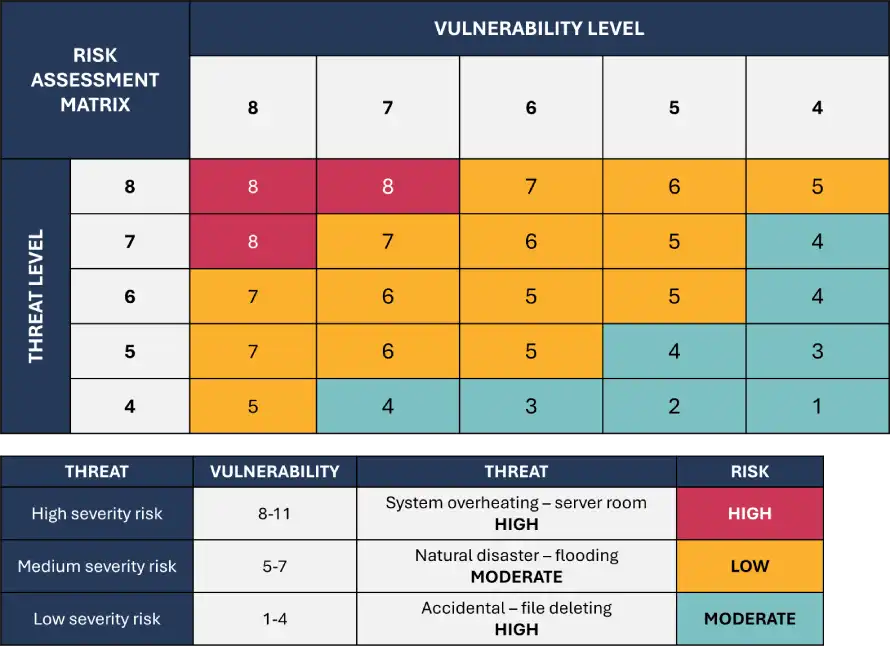
The matrix typically displays a grid with probability on one axis and impact on the other. Risks are plotted on this grid, enabling quick visual identification of high-priority risks that require immediate attention and action.: Set a fixed time period for specific tasks or project phases.
Essential elements in a Risk Management Matrix:Agile sprints
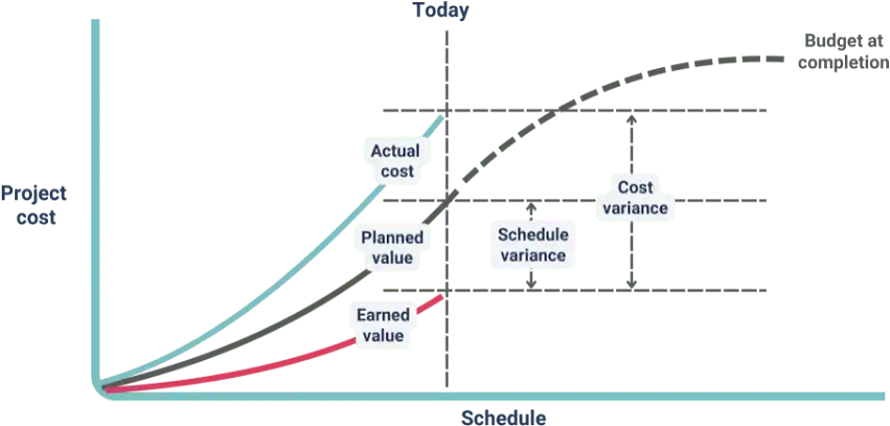
Probability: The chance of a risk happening (typically rated as low, medium, high): Break the project into short, focused work cycles with specific goals.Impact: The severity of the outcome if the risk occurs (usually ranked from minor to major)Cost control methodsRisk score: A value obtained by multiplying the probability and impact assessments.When managing project cost, you can try these tips:Earned value management: Track the project’s progress in relation to its budget and schedule.
Cost baseline
- Reporting and analytics
- : Real-time project status and insights through intuitive dashboards and analytics
- Collaboration features
- : Shared workspaces, integrated communication tools and file-sharing capabilities for effective teamwork
Integration capabilitie
- s: Compatibility with other software and tools used within your organisation
- Customisation options
- : Flexibility to adapt the software to your project management methodologies and processes
- Mobile accessibility
: Mobile applications or responsive interfaces for on-the-go project management.
With the right tool and these essential features, project managers will be in a much better position to maintain the constraints of the project management triangle. Software solutions can enhance project visibility, foster better communication and support data-driven decisions throughout the project lifecycle.
Enhance your skills with our expert-led courses Instructor-led
Introduction to Project Management course
- £499 +vat
- See all dates
- Instructor-led
- Project Management Essentials
See all dates
Common challenges and solutions
Scope creep
Scope creep involves changes or expansion in the project’s scope after it has already started. This can lead to an increase in resources, time, and effort needed to complete the project.Solutions
Establish a formal change control process to manage scope changes effectively.
Prioritise budget allocation for critical project components.
Balancing constraints may sometimes lead to
- quality issues
- in deliverables.
- Solutions
- Establish and communicate clear quality standards at the beginning of the project.Implement regular quality checks throughout the project lifecycle.Involve stakeholders in continuous feedback loops.
Allocate resources for testing and quality assurance processes.
- With preparation of ways to address these hurdles, you will be one step closer to coping with the strain on the project management triangle. Keep in mind that this is where some creative strategising can help you maintain control of all these factors. It’s good to frequently ask “how are things going” and be willing to switch things around to keep them in balance.
- Best practices for implementing the project management triangle
- Best practices for implementing the project management triangle include the following:
- Stakeholder communication
- One of the most important aspects of effectively implementing the project management triangle is
communicating
- with stakeholders. Project managers should communicate regularly with stakeholders to keep them informed and manage their expectations. It can also help to keep stakeholders engaged and on board with the project. There are several best practices for communicating with stakeholders, including the following:
- Schedule regular meetings with stakeholders to discuss the project.
- Provide stakeholders with a visual representation of the triangle. This can help them to understand the trade-offs that are being made.
- Use plain language when communicating with stakeholders. Avoid jargon and technical terms that may be confusing.
- Encourage stakeholders to ask questions and share their concerns.
Regular monitoring and adjustments
Project managers who effectively implement these techniques can improve their Applying the project management triangle
project plansTo help us see how we can do this, it’s worth looking at some examples of best practice in real-world situations. We will take three case studies below and see how things were managed in each of them.
, resource scheduling, time and cost management, risks and stakeholders’ management and project performance.Large-scale IT projectInformed decisions and right use of these techniques can help project managers deliver better project outcomes.A global corporation launched a
Enhance your skills with our expert-led coursesworldwide ERP implementation
- . The Project Manager in this case struggled to ensure the best balance between the different project triangle dimensions.
- Key measures include prioritised the most important core functionalities to manage scope, implemented a phased rollout to manage time and cost constraints, and utilised change management processes to assess and evaluate new requirements.
- Result
Self-paced: The project delivered under budget, with minimal impact on time, and fulfilled all essential business requirements.
- APM PFQ blended onlineConstruction project
- A commercial
- £749 +vatskyscraper building construction
- project faced unexpected geological conditions which created a major risk to the project triangle.
Key measures include reallocated budget from non-essential features to resolve foundation issues, accelerated other construction phases to make up for initial delays, and negotiated with stakeholders to adjust project scope without compromising quality.
- Result
- Self-paced: The building was completed safely, with a minor delay and a slight increase in the budget.
- PRINCE2 Agile Practitioner (with Foundation) self-paced onlineProduct development initiative
A tech startup wanted to launch a
- £1,399 +vatnew software product
- in a highly competitive market, but it struggled to strike the right balance between innovation and the pressure to get the product to market in time. Key measures include employed an Agile
- Self-pacedmethodology
- AgilePM Practitioner (with Foundation) self-paced online to manage scope flexibly, focused on developing a Minimum Viable Product (MVP) for the initial release and utilised customer feedback to prioritise further feature development after launch.
Result
- £1,299 +vat: The product was able to be launched in time, within the budget, and has gained a high level of market share quickly due to its core functionality and the improvements that have been iteratively made since the launch.
- FAQsThese examples illustrate successful applications of the project triangle in diverse industries and projects. They show how effective management of scope, time, and cost can overcome challenges and deliver value.
- What are the most essential project management techniques?Enhance your skills with our expert-led courses
- Some of the most important and effective ones include Gantt charts,
Work Breakdown Structure
, CPM, Kanban boards and Risk Analysis. How do Gantt charts help in project management?Instructor-led
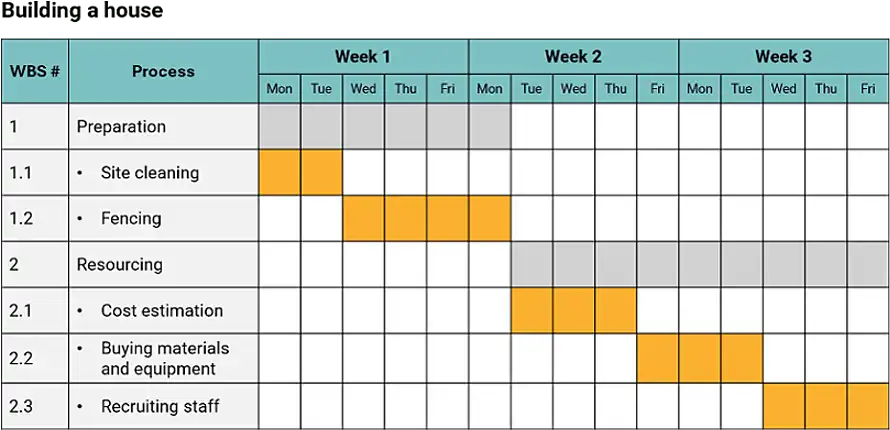
Gantt charts are versatile project management tools. A Gantt chart could help in many ways: from getting you started on your tasks and giving you deadlines to plotting out your timeline and tracking your progress, all the way to giving you an eagle eye on task dependencies and seeing bottlenecks.Introduction to Project Management course
- What is the Work Breakdown Structure (WBS), and why is it important?
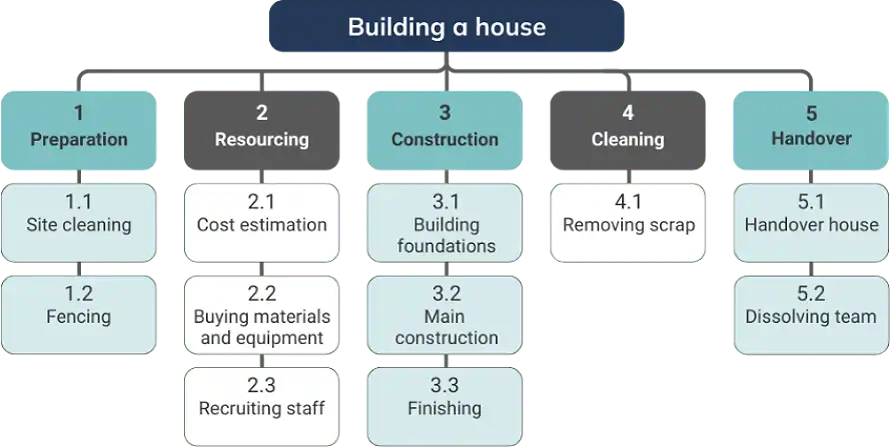
- A Work Breakdown Structure or a WBS is a project management technique that decomposes a project into smaller pieces for easier management. A £499 +vat
- WBS
- is critical for task organisation, time and cost estimation and more it allows you to build a clear scope for your project and help you to not get overwhelmed and not forget anything important.See all dates
- How can Kanban boards improve project workflow?
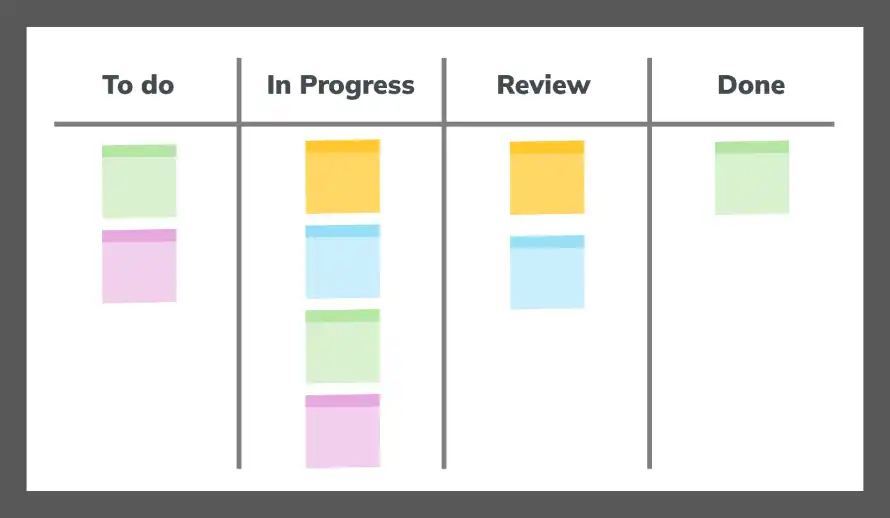
Kanban boards are visual tools that can help you and your team to visualise and manage tasks and workflows. Kanban boards will help your team collaborate, limit work-in-progress, and manage processes more efficiently, they also help you to see the bottlenecks easily. Kanban boards are a more popular tool for recurring processes and
- Agile project management .
- What is the Critical Path Method (CPM), and how does it help in scheduling?
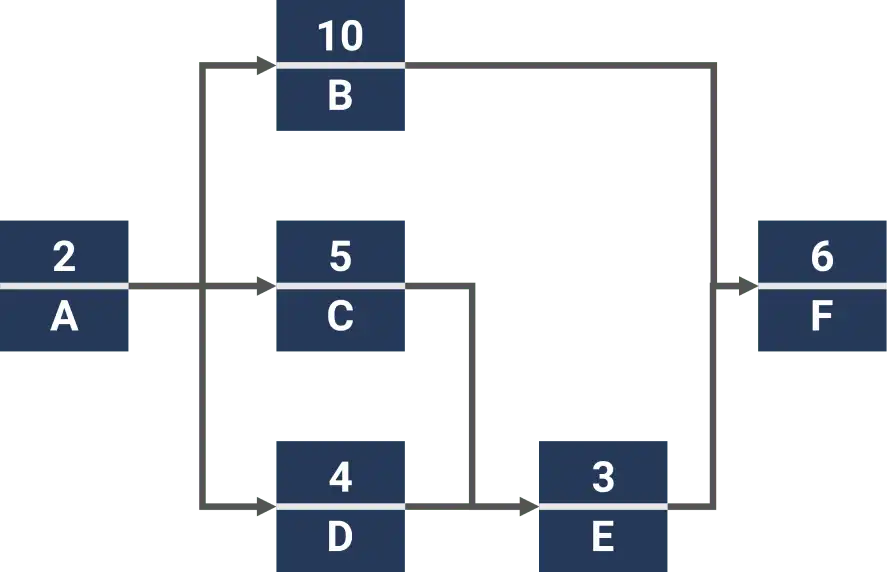
- The Critical Path Method or CPM is a project scheduling technique that analyses your project in terms of tasks’ sequence and duration. CPM will help you to identify the longest chain of dependent tasks in your project, the so-called critical path, which would then help you in your decision-making: it will allow you to see what your project’s minimal duration is and what tasks can be delayed or rescheduled without affecting the project in general. The CPM is very useful in resource planning and allocation, as well as ensuring you have a solid deadline.
What is Scrum, and how does it fit into Agile project management?
- Scrum
- is an Agile project management framework that organises the work into short iterative cycles (sprints). Scrum relies on defined roles (Product Owner, Development Team and
- Scrum Master
- ), events (sprint planning, daily stand-ups) and tools (sprint backlog). Scrum helps teams to plan and manage their work, adapt to changing requirements, and deliver value quickly.
How does Agile project management differ from traditional methods?
- Agile
- is an iterative and incremental approach to product development that values flexibility, collaboration, and customer satisfaction over following a rigid plan. Agile teams embrace change even late in the project, and they focus on delivering working solutions regularly rather than following a fixed set of requirements. Agile is all about continuous improvement and responding to feedback, and there are different ways (frameworks) to do it.
- Infographic
- Subscribe to our exclusive offers and promotions
Subscribe now
- {"@context":"https://schema.org","@type":"ImageObject","contentUrl":"https://www.knowledgetrain.co.uk/training-courses/gantt-chart-example.webp ","description":"Example of a Gantt chart","license":"https://www.knowledgetrain.co.uk/license","acquireLicensePage":"https://www.knowledgetrain.co.uk/license","creditText":"Knowledge Train","uploadDate":"2024-10-20T09:00:29.000Z","copyrightNotice":"© 2024 Knowledge Train Limited. All rights reserved.","creator":{"@type":"Organization","name":"Knowledge Train","url":"https://www.knowledgetrain.co.uk"}}
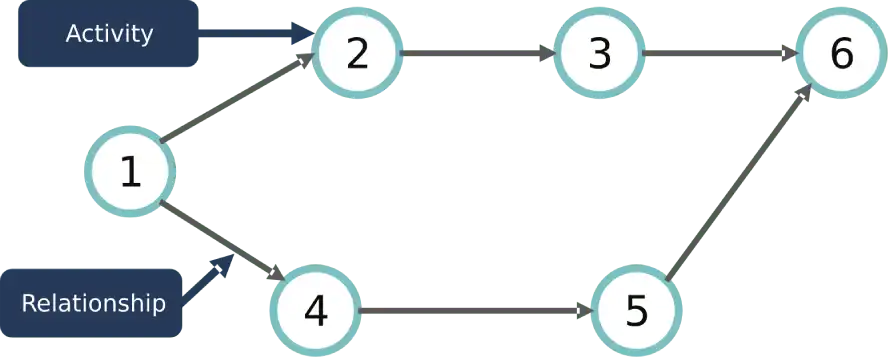
- {"@context":"https://schema.org","@type":"ImageObject","contentUrl":"https://www.knowledgetrain.co.uk/training-courses/project-network-diagram-example.webp","description":"Example of a project network diagram","license":"https://www.knowledgetrain.co.uk/license","acquireLicensePage":"https://www.knowledgetrain.co.uk/license","creditText":"Knowledge Train","uploadDate":"2024-10-20T09:00:29.000Z","copyrightNotice":"© 2024 Knowledge Train Limited. All rights reserved.","creator":{"@type":"Organization","name":"Knowledge Train","url":"https://www.knowledgetrain.co.uk"}}
{"@context":"https://schema.org","@type":"ImageObject","contentUrl":"https://www.knowledgetrain.co.uk/training-courses/critical-path-method-example.webp","description":"Example of a Critical Path Method (CPM)","license":"https://www.knowledgetrain.co.uk/license","acquireLicensePage":"https://www.knowledgetrain.co.uk/license","creditText":"Knowledge Train","uploadDate":"2024-10-20T09:00:29.000Z","copyrightNotice":"© 2024 Knowledge Train Limited. All rights reserved.","creator":{"@type":"Organization","name":"Knowledge Train","url":"https://www.knowledgetrain.co.uk"}}
- {"@context":"https://schema.org","@type":"ImageObject","contentUrl":"https://www.knowledgetrain.co.uk/training-courses/kanban-board-example-1.webp","description":"Example of a kanban board.","license":"https://www.knowledgetrain.co.uk/license","acquireLicensePage":"https://www.knowledgetrain.co.uk/license","creditText":"Knowledge Train","uploadDate":"2024-10-20T09:00:29.000Z","copyrightNotice":"© 2024 Knowledge Train Limited. All rights reserved.","creator":{"@type":"Organization","name":"Knowledge Train","url":"https://www.knowledgetrain.co.uk"}} {"@context":"https://schema.org","@type":"ImageObject","contentUrl":"https://www.knowledgetrain.co.uk/training-courses/risk-management-matrix-example.webp","description":"Example of a risk management matrix.","license":"https://www.knowledgetrain.co.uk/license","acquireLicensePage":"https://www.knowledgetrain.co.uk/license","creditText":"Knowledge Train","uploadDate":"2024-10-20T09:00:29.000Z","copyrightNotice":"© 2024 Knowledge Train Limited. All rights reserved.","creator":{"@type":"Organization","name":"Knowledge Train","url":"https://www.knowledgetrain.co.uk"}}
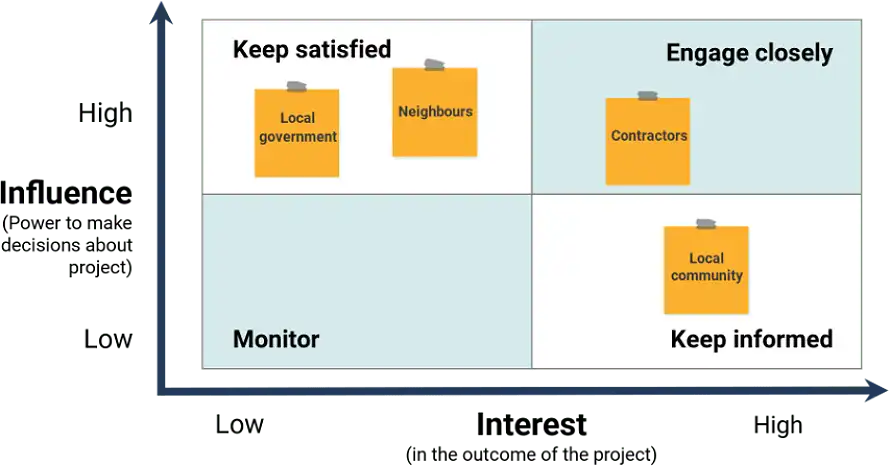
- {"@context":"https://schema.org","@type":"ImageObject","contentUrl":"https://www.knowledgetrain.co.uk/training-courses/stakeholder-mapping-example.webp","description":"Example of a stakeholder mapping diagram.","license":"https://www.knowledgetrain.co.uk/license","acquireLicensePage":"https://www.knowledgetrain.co.uk/license","creditText":"Knowledge Train","uploadDate":"2024-10-20T09:00:29.000Z","copyrightNotice":"© 2024 Knowledge Train Limited. All rights reserved.","creator":{"@type":"Organization","name":"Knowledge Train","url":"https://www.knowledgetrain.co.uk"}}
- {"@context":"https://schema.org","@type":"ImageObject","contentUrl":"https://www.knowledgetrain.co.uk/training-courses/earned-value-management-example.webp","description":"Example of an Earned Value Management (EVM)","license":"https://www.knowledgetrain.co.uk/license","acquireLicensePage":"https://www.knowledgetrain.co.uk/license","creditText":"Knowledge Train","uploadDate":"2024-10-20T09:00:29.000Z","copyrightNotice":"© 2024 Knowledge Train Limited. All rights reserved.","creator":{"@type":"Organization","name":"Knowledge Train","url":"https://www.knowledgetrain.co.uk"}}
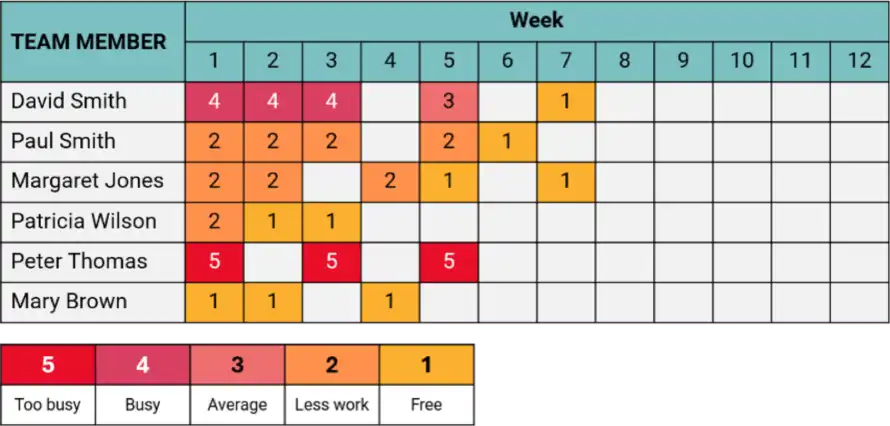
- {"@context":"https://schema.org","@type":"ImageObject","contentUrl":"https://www.knowledgetrain.co.uk/training-courses/resource-levelling-example.webp","description":"Example of a resource levelling diagram.","license":"https://www.knowledgetrain.co.uk/license","acquireLicensePage":"https://www.knowledgetrain.co.uk/license","creditText":"Knowledge Train","uploadDate":"2024-10-20T09:00:29.000Z","copyrightNotice":"© 2024 Knowledge Train Limited. All rights reserved.","creator":{"@type":"Organization","name":"Knowledge Train","url":"https://www.knowledgetrain.co.uk"}}
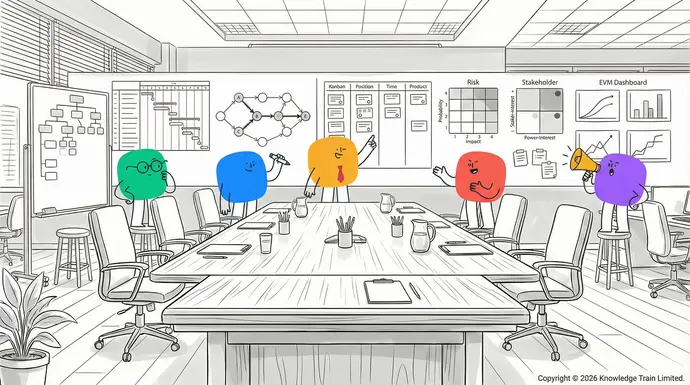
{"@context":"https://schema.org","@type":"ImageObject","contentUrl":"https://www.knowledgetrain.co.uk/training-courses/project-management-techniques-infographic-v1.0.webp ","description":"Project management techniques infographic ","license":"https://www.knowledgetrain.co.uk/license","acquireLicensePage":"https://www.knowledgetrain.co.uk/license","creditText":"Knowledge Train","uploadDate":"2024-10-20T09:00:29.000Z","copyrightNotice":"© 2024 Knowledge Train Limited. All rights reserved.","creator":{"@type":"Organization","name":"Knowledge Train","url":"https://www.knowledgetrain.co.uk"}}
