11 essential project management techniquesTerms< Poland
®
, P3O
- ®
- , PRINCE2
- ®
- Agile, RESILIA
- ®
- , and the Swirl logo are registered trademarks of the PeopleCert group. Used under licence from PeopleCert. All rights reserved. AgilePM
To provide the best experiences, we use technologies like cookies to store and/or access device information. Consenting to these technologies will allow us to process data such as browsing behavior or unique IDs on this site. Not consenting or withdrawing consent, may adversely affect certain features and functions.Conclusion
FAQs<
- < Project management techniques
- < The history of project management techniques dates to ancient times when large-scale projects such as the construction of the pyramids and the Great Wall of China were undertaken. However, modern project management started to emerge in the mid-20th century with the development of techniques such as the Gantt chart and the Critical Path Method (CPM). As businesses became more complex and globalised, new methodologies emerged to address the diverse project needs of different industries.
- < project manager< Always active should know. Each technique has its benefits and is suitable for different types of projects and organisational cultures. Project managers need to understand the various project management techniques available and choose the ones that best fit their projects and organisational cultures. They should also be adaptable to change as < project
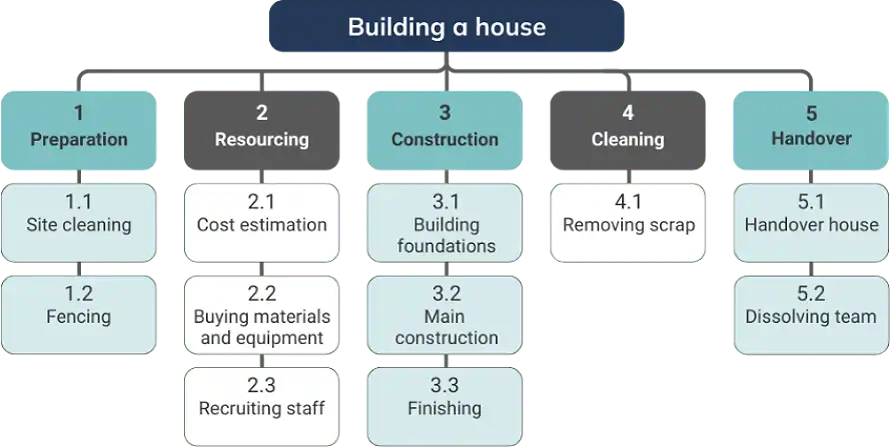
< Work Breakdown Structure (WBS)
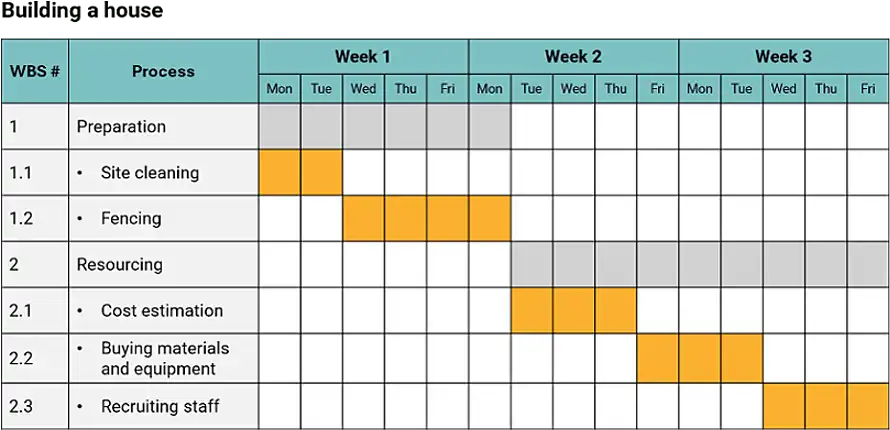
< A Gantt chart typically consists of a horizontal bar chart with the project tasks listed on the vertical axis on the left side and the time periods spread across the top. The project tasks are then represented by horizontal bars spanning the time periods in which they are scheduled to be performed. The length of the bar indicates the duration of each task. This format allows
< Identify dependencies and relationships between tasks
- < Some modern Gantt chart software provides additional features such as colour-coding of tasks, milestone markers, and linking of dependent tasks. Some tools also allow for resource allocation and workload management directly from the Gantt view.
< Gantt charts are most useful when you want to provide an overview of the entire project. However, for large and complex projects, they may become cluttered and difficult to read. Despite this, Gantt charts remain a popular tool for project managers because of their intuitive design and ability to communicate complex scheduling information quickly and clearly.
- < Project Network Diagrams
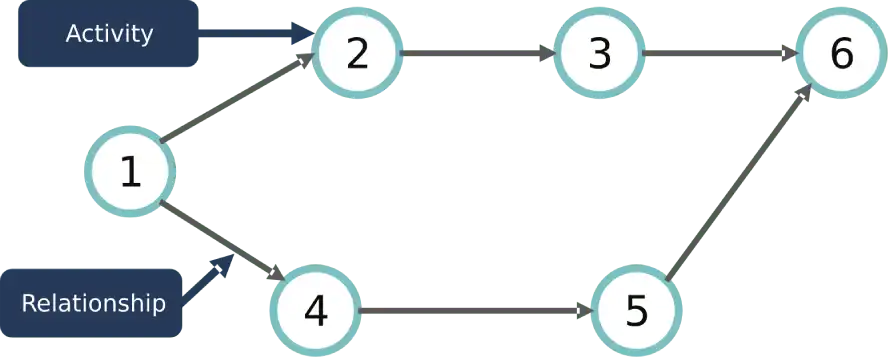
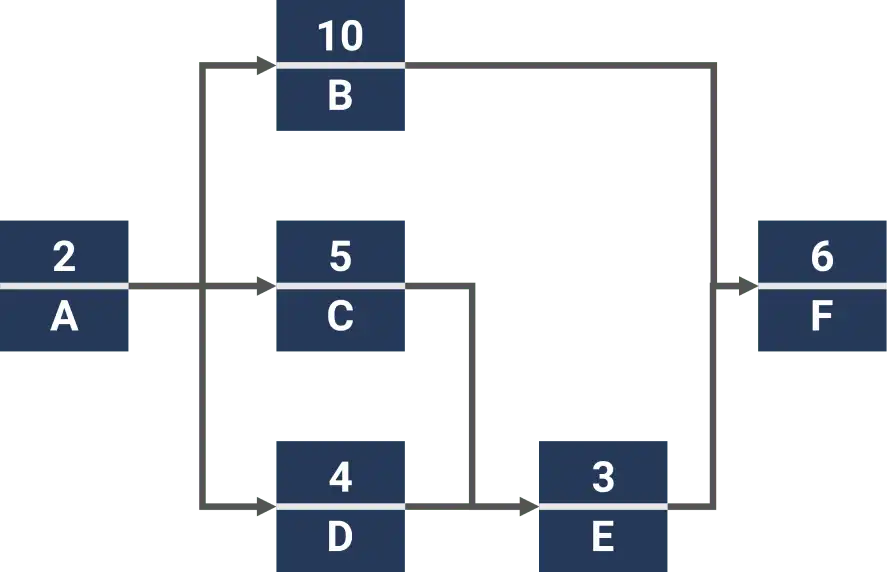
- Network diagrams typically use nodes to represent tasks or activities and arrows to indicate dependencies between these tasks. They allow for a clear visualisation of task sequences and can help project managers identify potential bottlenecks or critical paths in the
The technical storage or access that is used exclusively for statistical purposes.project schedule
Manage services
Manage {vendor_count} vendors£749 +vat
Read more about these purposes Accept Self-pacedDenyPRINCE2 Agile Practitioner (with Foundation) self-paced online
- View preferences£1,399 +vat
- Tools for coaching, impediment removal and team improvement
- Confidence to support collaboration and predictable deliverySave preferences
- Exam readiness for your chosen certification route
- Who this course is forView preferencesSelf-paced
Aspiring Scrum Masters moving into the role for the first time{title}AgilePM Practitioner (with Foundation) self-paced online
Experienced Scrum Masters looking to formalise their knowledge{title}
- Project managers working with Scrum Teams and agile delivery{title}£1,299 +vat
- Team leads, delivery leads or agile coaches supporting ScrumManage ConsentScheduling and time management
- Anyone expected to facilitate and improve Scrum ways of working Critical Path Method (CPM)
- BenefitsTo provide the best experiences, we use technologies like cookies to store and/or access device information. Consenting to these technologies will allow us to process data such as browsing behavior or unique IDs on this site. Not consenting or withdrawing consent, may adversely affect certain features and functions.The
Know what great Scrum Masters do day to day. Practical facilitation
Run Scrum events confidently and keep them focused.
Better team flow Learn how Scrum Masters help teams remove blockers and improve. Real-world coaching
- Use simple coaching techniques that work in busy environments.
- Exam-ready learning
Build knowledge in a way that supports strong exam performance.
Recognised certification
- Choose a route that fits your goals and employer expectations.ls can also integrate with other techniques like Gantt charts and resource levelling.
- DeliveryWhile CPM is well-suited for projects with well-defined tasks and dependencies, it may be less effective for projects with high levels of uncertainty or frequent changes. In such cases, it’s often used in conjunction with other techniques, such as PERT or This Scrum Master course is delivered as a live, instructor-led online classroom. You’ll learn with an expert trainer, practise techniques, and leave ready to apply Scrum in real teams.Agile methodologies
- , for a more adaptive approach.
PERT (Program Evaluation and Review Technique)
- Best forPERT
- Prerequisites is a project management technique that can be used for
- Durationprojects
- Delivery options with uncertain or variable task durations. Developed in the 1950s for the U.S. Navy’s Polaris missile program, PERT allows project managers to incorporate probabilistic time estimates into their project schedules.
Exam includedPERT requires the creation of a network diagram of all project tasks, along with three time estimates for each task:
- Exam formatOptimistic time (O): The shortest time the task could possibly take.
- Most likely time (M): The best estimate of how long the task will take, based on available information.
- Pessimistic time (P): The longest time the task could possibly take, considering all potential issues.
- The expected time (E) for each task is then calculated as E = (O + 4M + P) / 6.
Key takeaways
Provides more realistic project timelines by accounting for uncertainties
Identifies critical paths and potential schedule risksHelps in better resource allocation and risk managementAllows probabilistic analysis of project completion times.Quick tips
Involve experts in estimating task durations to get accurate timeframes
- Update estimates regularly as new information becomes available
- Use PERT in conjunction with CPM for a comprehensive schedule analysis
- Leverage software tools for PERT calculations and visualisations.
- Common pitfalls
Overreliance on extreme (optimistic or pessimistic) estimates
- Neglecting task dependencies
- Failing to update analysis as the project progresses
- Misinterpreting results as definitive rather than probabilistic.
- PERT can be time-consuming to apply to large projects, and it may not be necessary for every project. It is most useful when used judiciously, in combination with other techniques, and applied to the most critical or highly uncertain aspects of a project.
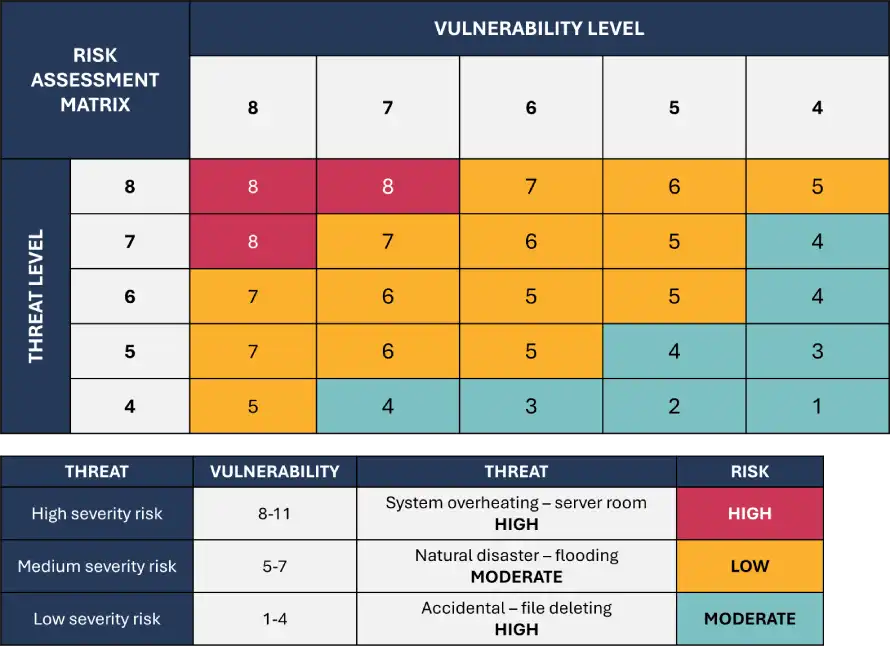
Kanban boardsKanban Boards are a visual project management tool that originated in Toyota’s lean manufacturing system and have since become popular in various industries, particularly in software development and
Agile project
management
.
A Kanban board is a visual tool that helps teams manage their work using Kanban methodology. The board is divided into columns that represent the stages of a workflow, for example, “To Do”, “In Progress”, and “Done”. Cards or sticky notes are placed on the board to represent the work items or tasks, and they are moved from one column to another as the work progresses. This way, the team can:Visualise workflow: The status of all tasks is visible at a glance.Limit work in progress: Limits are set on the number of tasks in each column to avoid overloading the team.
Manage flow: Blockers are quickly identified and resolved.
Continuous improvement: The team optimises the workflow over time.
- Benefits of using Kanban boards include:
- Improved transparency and communication
- Increased focus and productivity
Stakeholder mapping
- Stakeholder mapping
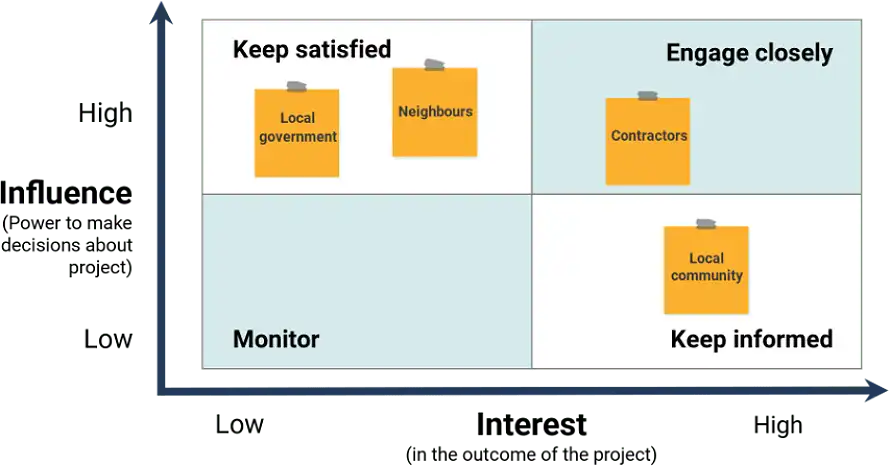
- is a visual technique to analyse and prioritise stakeholders for your project based on their interest, influence, and impact on the project.
- Key takeaways
- Recognise all potential stakeholders, those who may affect or be affected by the project.
- Help prioritise stakeholders based on their influence and interest in the project.
Facilitate communication planning with stakeholders.
£749 +vat
The technical storage or access is required to create user profiles to send advertising, or to track the user on a website or across several websites for similar marketing purposes.
- Self-pacedManage options
- PRINCE2 Agile Practitioner (with Foundation) self-paced onlineManage services
- Manage {vendor_count} vendors
£1,399 +vatRead more about these purposes
- Accept
- DenySelf-paced
AgilePM Practitioner (with Foundation) self-paced online
- View preferences
- Save preferences
- View preferences
- {title}{title}{title}
- Manage consent
- Manage consent
Yes. This course teaches Scrum from the ground up and is suitable for people who are new to agile ways of working. If you want a lighter introduction before taking a role-based course, you can also start with Scrum Essentials.
Is this course suitable for project managers?
Yes. Many project managers take Scrum Master training when they move into agile delivery environments or work closely with Scrum Teams. The course is especially useful if you need to facilitate Scrum events, support team collaboration, and understand how Scrum delivery differs from traditional project approaches.
What’s included in the course price?
