
Introduction to project management techniquesLearn the fundamentals of ITIL service management.
Project management techniques have become an essential aspect of modern businesses, allowing organisations to achieve their objectives, meet deadlines, and deliver value to their stakeholders. These techniques refer to the tools and methodologies that project managers and teams use to plan, execute, and control projects efficiently. Strategist DPI Project management techniquesProject Management Triangle | Knowledge Train3-day ITIL Strategist: Direct, Plan & Improve (DPI) course. have been in existence for centuries, and they have evolved to meet the changing needs of businesses and the latest technological developments.Specialist: DSV
The history of project management techniques dates to ancient times when large-scale projects such as the construction of the pyramids and the Great Wall of China were undertaken. However, modern project management started to emerge in the mid-20th century with the development of techniques such as the Gantt chart and the Critical Path Method (CPM). As businesses became more complex and globalised, new methodologies emerged to address the diverse project needs of different industries.3-day ITIL Specialist: Drive Stakeholder Value (DSV) course.
Today, there are many project management techniques that project managers can use to achieve success. In this article, we will discuss 11 essential project management techniques that every Specialist: CDS project manager3-day ITIL Specialist: Create, Deliver and Support (CDS) course. should know. Each technique has its benefits and is suitable for different types of projects and organisational cultures. Project managers need to understand the various project management techniques available and choose the ones that best fit their projects and organisational cultures. They should also be adaptable to change as IT Learning Library (ITLL)™
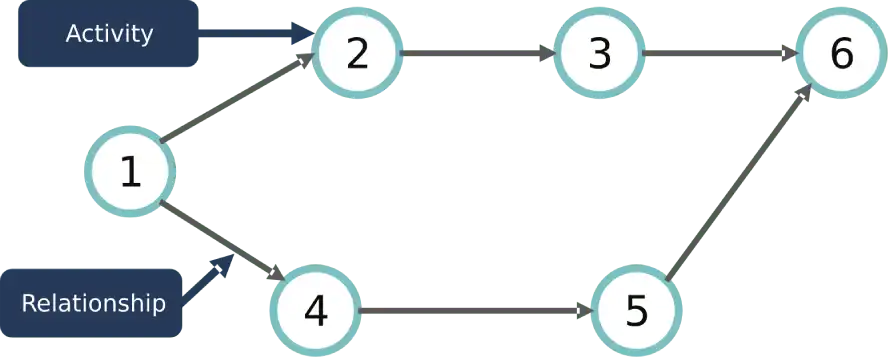
Project Network DiagramsSelect your preferred workshop below:, as the name implies, are graphical representations of a project’s tasks and their relationships, showing how the project activities are sequenced and interrelated. These diagrams provide a visual depiction of the project flow and are commonly used in project management methodologies that include Critical Path Method (CPM) and Program Evaluation and Review Technique (PERT).
Network diagrams typically use nodes to represent tasks or activities and arrows to indicate dependencies between these tasks. They allow for a clear visualisation of task sequences and can help project managers identify potential bottlenecks or critical paths in the AGILE QUALIFICATIONSproject schedule Select your preferred qualification..
Key takeaways AGILE PROJECT MANAGEMENT COURSES
- Visual representation of task dependencies Select your preferred training course below:
- Identify critical path and potential schedule risks
- Facilitate resource allocation and schedule optimisation. PRINCE2 AGILE COURSES
Quick tips Select your preferred training course below:
- Begin with a clear list of all project tasks and their dependencies.
- Use software tools for easy creation and updating of network diagrams. SCRUM COURSES
- Regularly review and update the diagram as the project progresses. Select your preferred training course below:
- Utilise color-coding to highlight critical paths or high-risk activities.
Common pitfalls AGILE BUSINESS ANALYSIS COURSES
- Overlooking important task dependencies. Select your preferred training course below:
- Creating overly complex diagrams that are difficult to understand.
- Failing to update the diagram as project scope or timelines change. BUSINESS ANALYSIS QUALIFICATIONS
- Neglecting to consider resource constraints when analysing the network. Select your preferred qualification.
By learning project network diagrams, managers can enhance their ability to plan, schedule, and control complex projects effectively.
Scheduling and time managementSelect your preferred training course below:
Critical Path Method (CPM)
The PRINCE2 COURSES Critical Path MethodSelect your preferred training course below: (CPM) is a fundamental project management technique used to determine the longest sequence of dependent tasks that must be completed for a project to be finished on time. This sequence of tasks is known as the critical path. The CPM was first developed in the late 1950s and has since been widely adopted for project schedulingAPM COURSES and control in various industries.Select your preferred training course below:
CPM involves the following key steps:
- Identifying all project tasksAGILE PROJECT MANAGEMENT COURSES
- Determining task dependenciesSelect your preferred training course below:
- Estimating task durations
- Calculating the earliest and latest start and finish times for each taskPRINCE2 AGILE COURSES
- Identifying the critical path and the float time for non-critical tasks.Select your preferred training course below:
The critical path represents the sequence of tasks that directly affects the project’s overall duration. Any delay in a critical path task will result in a delay in the project completion date, unless the delay is addressed through corrective action.
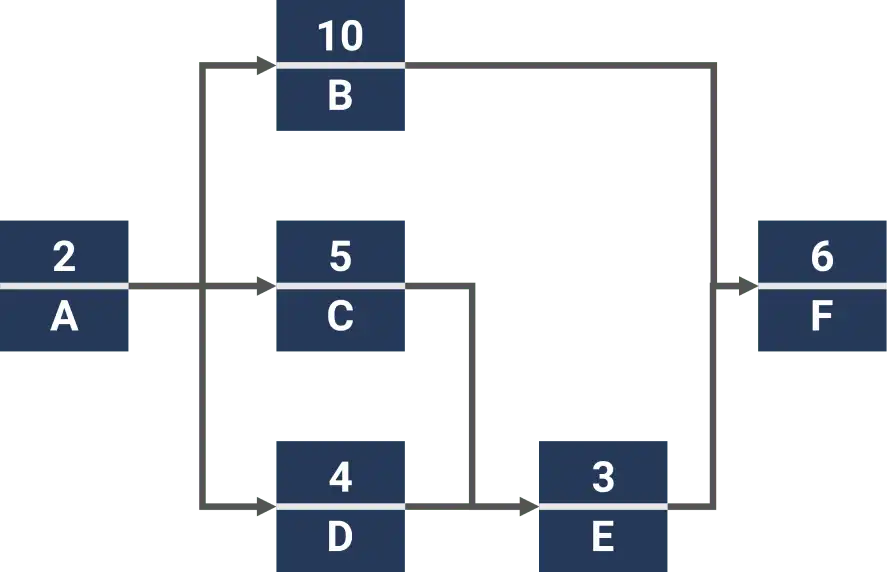
CPM offers several benefits:BUSINESS CASE COURSES
- Provides a visual overview of project schedulesSelect your preferred training course below:
- Highlights tasks that have the most significant impact on project duration
- Helps optimise resource allocationAGILE COURSES
- Enables “what-if” scenario analysis.Select your self-paced training course topic.
- Overreliance on extreme (optimistic or pessimistic) estimates
- Neglecting task dependenciesMSP COURSES
- Failing to update analysis as the project progressesSelect your preferred training course below:
- Misinterpreting results as definitive rather than probabilistic.
PERT can be time-consuming to apply to large projects, and it may not be necessary for every project. It is most useful when used judiciously, in combination with other techniques, and applied to the most critical or highly uncertain aspects of a project.IT QUALIFICATIONS
Kanban boardsSelect your preferred qualification.
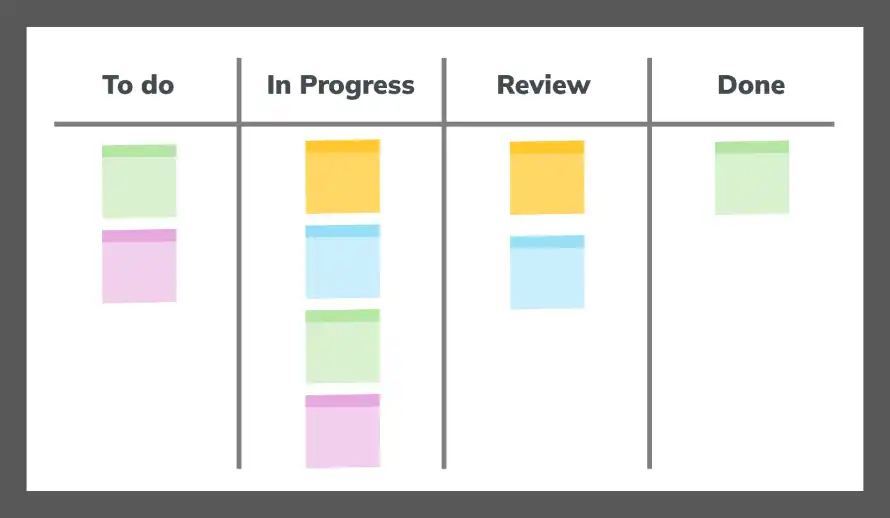
Kanban Boards are a visual project management tool that originated in Toyota’s lean manufacturing system and have since become popular in various industries, particularly in software development and ITIL COURSES Agile project Select your preferred training course below: management IT QUALIFICATIONS
Select your preferred qualification.
- ITIL COURSES
- Select your preferred training course below:
LEARNING LIBRARIES
- Select your preferred training course topic.
- AI QUALIFICATIONS & WORKSHOPS
- Select your preferred qualification or workshop.
AIPGF COURSESSelect your preferred training course below:
FAQsCroatiaFoundation
What are the most essential project management techniques?CyprusLearn the fundamentals of artificial intellegence.
Some of the most important and effective ones include Gantt charts, Czech RepublicAI Project Governance Framework (AIPGF)Work Breakdown StructureDenmarkFoundation , CPM, Kanban boards and Risk Analysis.EstoniaLearn the fundamentals of the governance framework.
How do Gantt charts help in project management?FinlandPractitioner
Gantt charts are versatile project management tools. A Gantt chart could help in many ways: from getting you started on your tasks and giving you deadlines to plotting out your timeline and tracking your progress, all the way to giving you an eagle eye on task dependencies and seeing bottlenecks.FranceIncludes Foundation & Practitioner combined option.
What is the Work Breakdown Structure (WBS), and why is it important?GermanyWorkshops
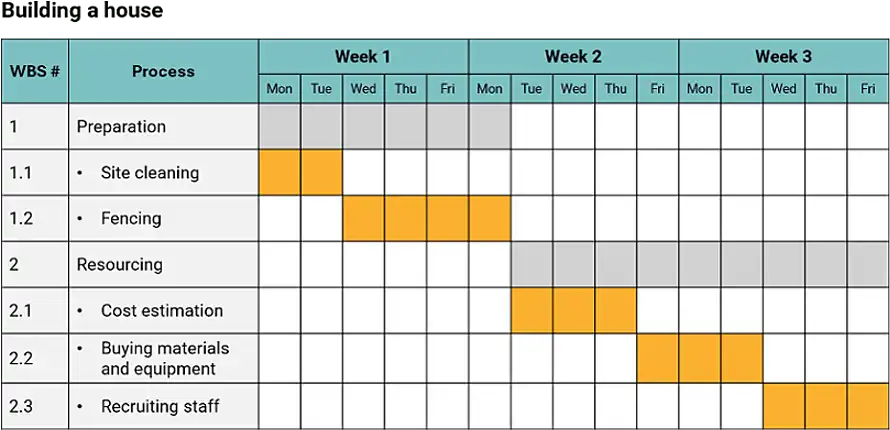
A Work Breakdown Structure or a WBS is a project management technique that decomposes a project into smaller pieces for easier management. A GreeceAI in Project Management WBSIrelandLearn how to use AI tools in everyday project work. is critical for task organisation, time and cost estimation and more it allows you to build a clear scope for your project and help you to not get overwhelmed and not forget anything important.ItalyAGILE
How can Kanban boards improve project workflow?LatviaAgilePM
Kanban boards are visual tools that can help you and your team to visualise and manage tasks and workflows. Kanban boards will help your team collaborate, limit work-in-progress, and manage processes more efficiently, they also help you to see the bottlenecks easily. Kanban boards are a more popular tool for recurring processes and Lithuania®Agile project managementLuxemburg – Agile Project Management.MaltaFoundation
What is the Critical Path Method (CPM), and how does it help in scheduling?NetherlandsLearn the key principles of Agile Project Management.
The Critical Path Method or CPM is a project scheduling technique that analyses your project in terms of tasks’ sequence and duration. CPM will help you to identify the longest chain of dependent tasks in your project, the so-called critical path, which would then help you in your decision-making: it will allow you to see what your project’s minimal duration is and what tasks can be delayed or rescheduled without affecting the project in general. The CPM is very useful in resource planning and allocation, as well as ensuring you have a solid deadline.PolandPractitioner
What is Scrum, and how does it fit into Agile project management?PortugalIncludes Foundation & Practitioner combined option.
ScrumRomaniaPRINCE2 is an Agile project management framework that organises the work into short iterative cycles (sprints). Scrum relies on defined roles (Product Owner, Development Team and Slovakia®Scrum MasterSlovenia Agile), events (sprint planning, daily stand-ups) and tools (sprint backlog). Scrum helps teams to plan and manage their work, adapt to changing requirements, and deliver value quickly.SpainFoundation
How does Agile project management differ from traditional methods?SwedenLearn the fundamentals of the PRINCE2 Agile method.
AgileOther countriesPractitioner is an iterative and incremental approach to product development that values flexibility, collaboration, and customer satisfaction over following a rigid plan. Agile teams embrace change even late in the project, and they focus on delivering working solutions regularly rather than following a fixed set of requirements. Agile is all about continuous improvement and responding to feedback, and there are different ways (frameworks) to do it.HomeIncludes Foundation & Practitioner combined option.
Infographic Scrum
