
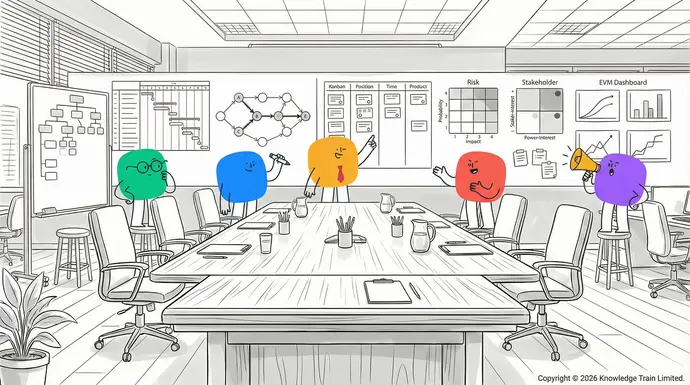
ation (e.g., emails, meetings)ContentOutline what information will be sharedResponsibilitiesAssign roles for creating and disseminating information
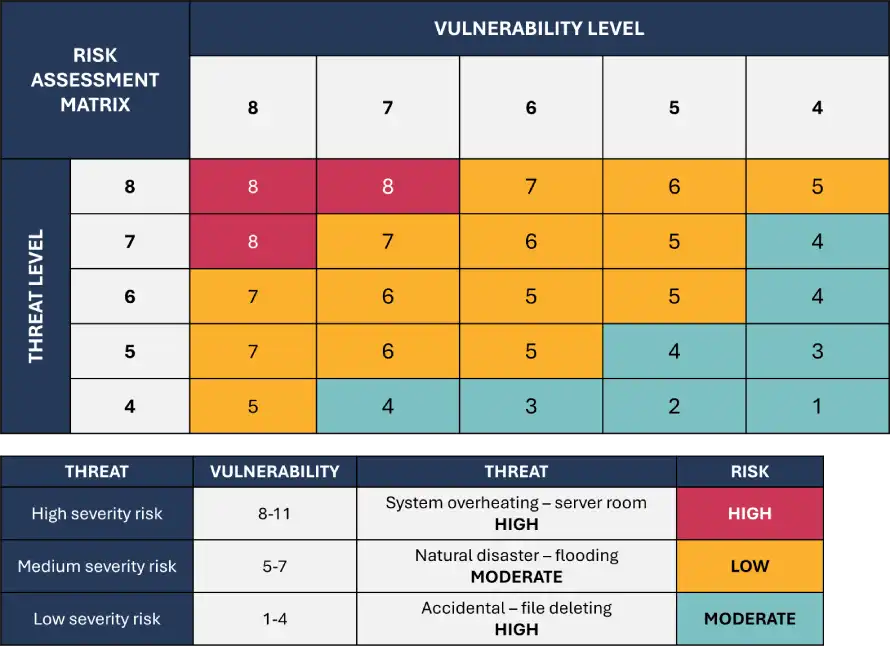
Risk assessment and mitigation strategies
Successful
risk management includes:Identifying potential risks
Determining their likelihood and impactDeveloping mitigation strategies for the highest priority risksContinuously monitoring and updating the risk assessments throughout the project.
- Change management planning
- Change management
- planning should include establishing a process for proposing and approving changes to the project scope, schedule, or budget, defining roles and responsibilities in the change management process, establishing criteria for evaluating the impact of proposed changes, and creating a system for documenting and communicating approved changes.
- By carefully considering each of these aspects during the planning phase, project managers can set the stage for a successful project execution and delivery.
- 3. Project executionThis is the stage where planning turns into action. The work must be supervised and managed at this point in time.Implementing the project plan
Executing the project plan involves:
Delegate tasks to team members based on their skills and availabilityEnsure they have the resources they need to complete their tasksTrack progress against the schedule
Resolve issues as they occur.
Managing team workflowsEfficient
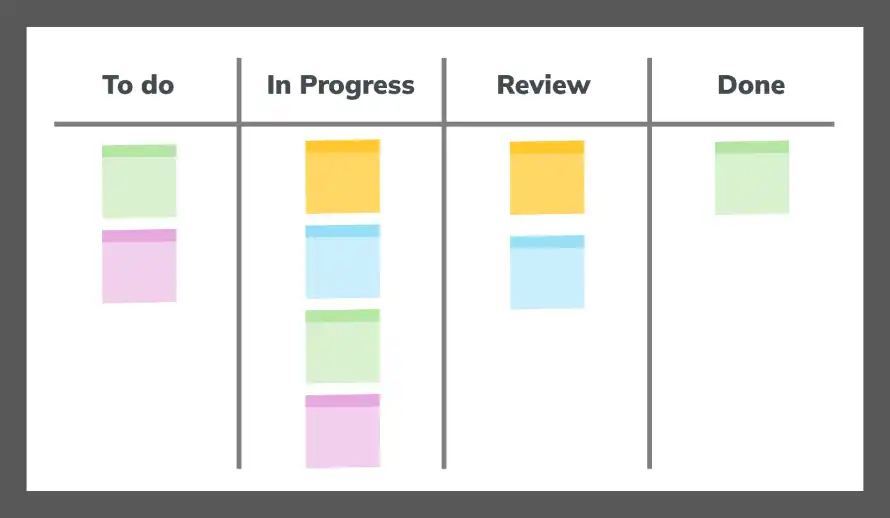
workflow management is crucial for maintaining productivity. Consider the following strategies:Set clear processes for handoffs between team members
- Use
- Agile approaches
- such as
- Scrum
- or Kanban to manage projects
Hold regular stand-up meetings to discuss progress and challenges
Encourage communication so that bottlenecks can be addressed quickly.
Ensuring effective collaboration
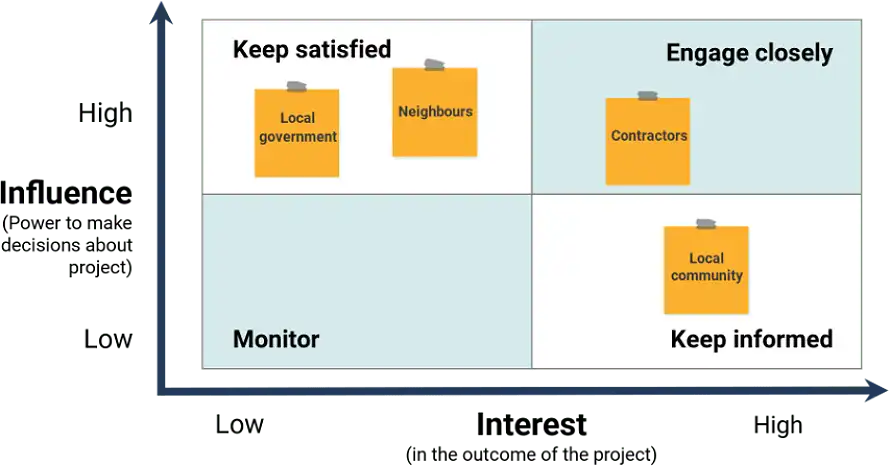
Collaboration is key to project success. To foster a collaborative environment:
StrategyDescriptionClear roles
Define responsibilities for each team member
- Open communication
- Encourage sharing of ideas and concerns
- Shared goals
Align team efforts towards common objectives
- Conflict resolution
- Address disagreements promptly and constructively
- Utilising project management tools
- Project management tools
can be leveraged to improve execution efficiency. Task management software can be used to track progress and deadlines. Collaboration platforms can centralise communication and file sharing. Time-tracking tools can be implemented to monitor resource allocation and productivity. Reporting dashboards can be utilised to provide real-time project status updates.
- By effectively implementing these strategies during the execution phase, project managers can ensure smooth project progression and maintain team momentum towards achieving project goals.
- Enhance your skills with our expert-led courses
and AgileBA 19 Feb 2026
- ®
- are registered trademarks of Agile Business Consortium Limited. All rights reserved. The APMG International AgilePM and Swirl Device logo, APMG International AgileBA and Swirl Device Logo, APMG International Change Management and APMG International Better Business Cases and Swirl Device logo are trademarks of The APM Group Limited, used under permission of The APM Group Limited. All rights reserved. Better Business Cases™ is a trademark of Her Majesty’s Treasury. All rights reserved. DevOps FoundationTO HELP ORGANISATIONS IMPROVEIn this video, Rosie Boxall describes how her career was boosted by taking a PRINCE2 training course with Knowledge Train.
- ®We offer solutions to help improve team performance including:
- is a registered mark of the DevOps Institute. “PMI”, “PMBOKConsultancy services
- ®Staff development
Guide”, “PMP” and “CAPM” are registered marks of Project Management Institute, Inc. Knowledge Train Scrum Essentials™, Business Learning Library (BLL)™, Business Analysis Learning Library (BALL)™, Agile Learning Library (ALL)™, IT Learning Library (ITLL)™, and Compliance Learning Library (CLL)™ are trademarks of Knowledge Train Limited. All rights reserved.Compliance training
Knowledge Train Ltd is an Introducer Appointed Representative of NewDay Cards Ltd for the Newpay finance product provided by NewDay Ltd. NewDay Cards Ltd acts as a credit broker, not a lender. We will introduce you exclusively to Newpay finance products provided by NewDay Limited under this Introducer Appointed Representative arrangement. Finance available from other lenders is not covered by this arrangement. NewDay Ltd and Newday Cards Ltd are authorised and regulated by the Financial Conduct Authority (ref nos 690292 and 682417 respectively).Apprenticeship training
- Custom e-Learning development
- What is PMP Certification? | How to Get Project Management Professional Certified
- Find out more
project. It’s when you finalise project deliverables, review performance, and document learnings for future reference.Delivering final project outcomesFinal delivery
involves:
- Validating that all project deliverables meet the agreed-upon specifications
- Seeking formal acceptance from stakeholders
- Transferring project outputs to the relevant teams or clients
Closing any remaining contracts or agreements.
Conducting project review meetings
- Project
- review meetings
- allow you to assess how well the project has performed:Convene all key stakeholders to review the project’s outcomes
- Assess the project’s success against the initial goals
Identify areas of excellence and opportunities for improvement
- Seek feedback from team members and stakeholders.
- Fairness
Quality
Give us a call
- +44 (0)207 148 5985
Or chat with us using the link at the bottom of the screen.
- Contact us with questions about the courses on this page, or about which project management certification or training is best for you.
- Finance FAQs
- Contact
- Cookies
Privacy
- Terms
- Customer Support
- [email protected]
Join Our Team [email protected]
Copyright © 2005-2026 Knowledge Train Limited.
Registered in UK: 5566983. Registered VAT: GB872413526.
Knowledge Train
- ®
- is a registered trademark of Knowledge Train Limited.
- 20 Old Bailey, London, EC4M 7AN, England, United Kin
- Marketing
- Marketing
Team learning strengthens problem-solving through dialogue, discussion, and fewer defensive routines.
- Implementation works best with leadership role-modelling, training, and small pilots that prove value.
Contents
Contents
- Introduction
- Senge’s model core principles
Senge’s model applications The importance of a business case
- Benefits and challenges Simon Buehring
- 19 Feb 2026
Understand why a business case is crucial for informed decision-making and effective resource allocation. Read on to master how to craft a powerful business case.
- Exception management in PRINCE2
Knowledge Train
19 Feb 2026
- Managing exceptions is vital to achieving success in PRINCE2 projects. This article demonstrates effective strategies for managing unexpected events to keep your project on schedule and achieve its goals.
FAQs See all dates
What are the most essential project management techniques?Save preferences Interview with Elizabeth Moon
Some of the most important and effective ones include Gantt charts, Work Breakdown StructureView preferences Sevcan Yasa, CPM, Kanban boards and Risk Analysis.{title}Self-paced19 Feb 2026
How do Gantt charts help in project management?{title}Change Management Practitioner (with Foundation) self-paced online
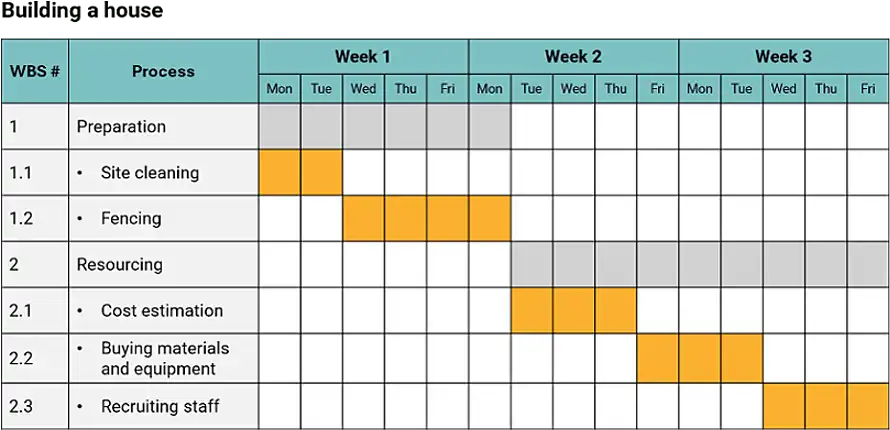
Gantt charts are versatile project management tools. A Gantt chart could help in many ways: from getting you started on your tasks and giving you deadlines to plotting out your timeline and tracking your progress, all the way to giving you an eagle eye on task dependencies and seeing bottlenecks.{title} In this video, Elizabeth Moon describes her experience of taking a PRINCE2 Foundation and Practitioner course with Knowledge Train.
What is the Work Breakdown Structure (WBS), and why is it important?Manage Consent£1,299 +vat
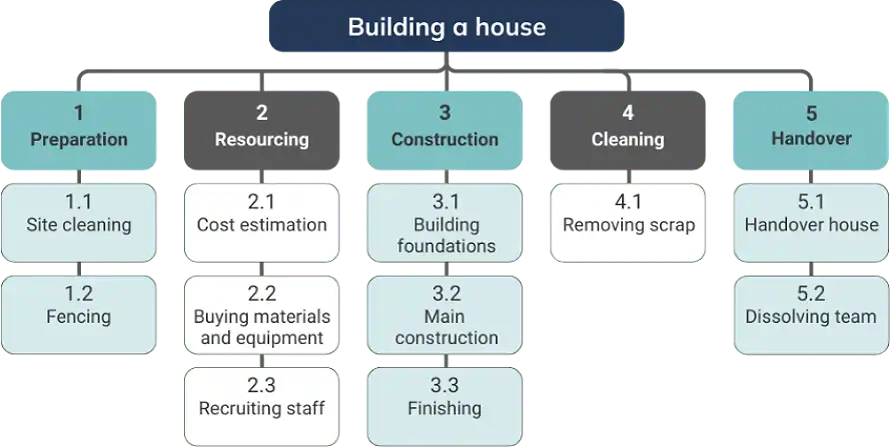
A Work Breakdown Structure or a WBS is a project management technique that decomposes a project into smaller pieces for easier management. A WBS To provide the best experiences, we use technologies like cookies to store and/or access device information. Consenting to these technologies will allow us to process data such as browsing behavior or unique IDs on this site. Not consenting or withdrawing consent, may adversely affect certain features and functions. is critical for task organisation, time and cost estimation and more it allows you to build a clear scope for your project and help you to not get overwhelmed and not forget anything important.
How can Kanban boards improve project workflow?Self-paced
Kanban boards are visual tools that can help you and your team to visualise and manage tasks and workflows. Kanban boards will help your team collaborate, limit work-in-progress, and manage processes more efficiently, they also help you to see the bottlenecks easily. Kanban boards are a more popular tool for recurring processes and Change Management Foundation self-paced online Agile project management .£799 +vatFunctionalPRINCE2 management products
What is the Critical Path Method (CPM), and how does it help in scheduling?Applications of Senge’s system thinking model
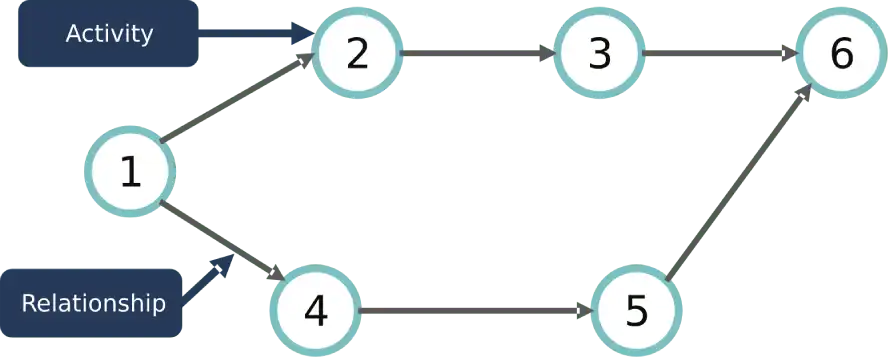
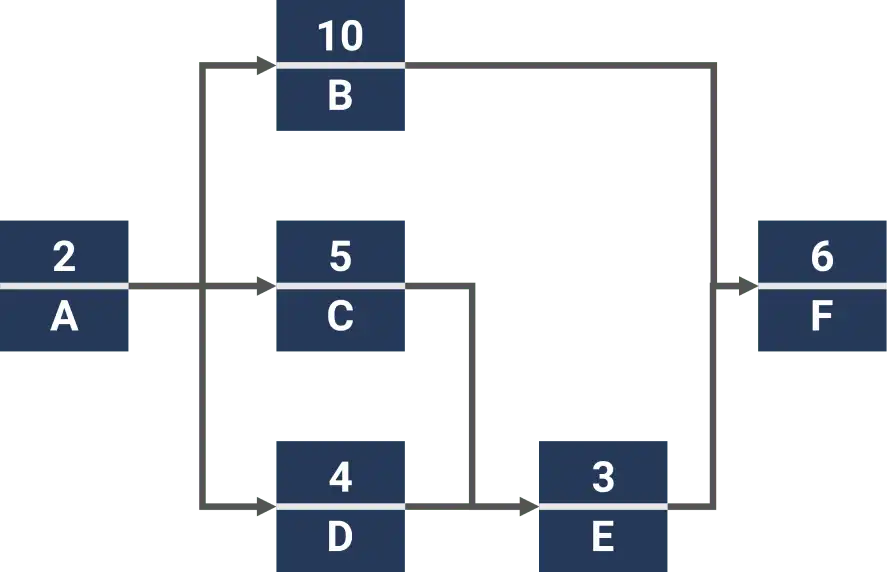
The Critical Path Method or CPM is a project scheduling technique that analyses your project in terms of tasks’ sequence and duration. CPM will help you to identify the longest chain of dependent tasks in your project, the so-called critical path, which would then help you in your decision-making: it will allow you to see what your project’s minimal duration is and what tasks can be delayed or rescheduled without affecting the project in general. The CPM is very useful in resource planning and allocation, as well as ensuring you have a solid deadline.Organisational strategy and change management Simon Buehring
What is Scrum, and how does it fit into Agile project management?Strategic planning 19 Feb 2026
ScrumSystem thinking plays a crucial role in strategic planning by offering a comprehensive view of organisational dynamics. It encourages leaders to consider the long-term effects of their decisions. By recognising patterns and feedback loops, organisations can develop robust strategies that anticipate potential challenges. This approach ensures that plans are adaptable and aligned with the organisation’s vision. is an Agile project management framework that organises the work into short iterative cycles (sprints). Scrum relies on defined roles (Product Owner, Development Team and Change managementFunctionalLearn about PRINCE2 management products and how they assist in planning, managing, and controlling projects. Scroll down for a detailed guide.In the realm of change management Always active
, system thinking provides a framework for understanding the complexities of organisational transitions. It helps identify underlying causes of resistance and facilitates smoother implementation of change initiatives. By focusing on relationships and interdependencies, leaders can craft strategies that address concerns and engage stakeholders effectively. This holistic view reduces disruptions and enhances the success of change efforts.
Problem-solving and decision-making Enhanced problem-solving
System thinking significantly improves problem-solving by shifting the focus from symptoms to root causes. It enables teams to identify and address the underlying issues affecting performance. By analysing the connections between various elements, organisations can develop solutions that are both effective and sustainable. This approach minimises recurring problems and fosters a culture of continuous improvement.
