Scrum Master

- Self-paced

NameThe technical storage or access that is used exclusively for statistical purposes. The technical storage or access that is used exclusively for anonymous statistical purposes. Without a subpoena, voluntary compliance on the part of your Internet Service Provider, or additional records from a third party, information stored or retrieved for this purpose alone cannot usually be used to identify you.Email

How can we help?
- MarketingSubmit
OUR VALUES Our 6 core values are everything we do. They include: Integrity
DiversityThe real power of lessons learned lies in how they are applied to future projects. In this part, we’ll explore strategies and techniques for leveraging lessons learned effectively to improve project outcomes and drive organisational success.
FairnessIncorporating lessons learned into project planningThe technical storage or access is required to create user profiles to send advertising, or to track the user on a website or across several websites for similar marketing purposes.QualityIncorporating lessons learned into your provide a framework for organising and executing Specialist: CDS Innovationproject planningprojects3-day ITIL Specialist: Create, Deliver and Support (CDS) course.See all dates Manage optionsSocial responsibility process is a crucial step in ensuring that past experiences inform future work. To do this, review relevant lessons learned when starting a new project. Make a from start to finish.IT Learning Library (ITLL)™ MarketingManage services lessons learned review
Brief overview of each phaseBUSINESS LEARNING LIBRARY (BLL)™ Manage {vendor_count} vendorsSOCIAL RESPONSIBILITYa standard part of project kick-off meetings and assign team members to research and present applicable lessons to the group. This practice ensures that lessons learned are not just documented but actively inform your project strategies.
- InitiationAgile Learning Library (ALL)™ Read more about these purposesSome of the charities we have helped over the years:Update project templates and checklists based on lessons learned to embed these insights into your standard operating procedures.: Identify the project’s goals, scope, and feasibility. Document them in a project charter and identify key stakeholders.Business Analysis Learning Library (BALL)™Self-paced Sharing lessons learned across the organisation
- PlanningCompliance Learning Library (CLL)™Scrum Essentials self-paced online Accept Maximising the value of lessons learned involves creating a culture that values : IT Learning Library (ITLL)™ knowledge sharingPlan the projectBusiness solutions£499 +vat Deny and continuous learning. Establish regular forums or platforms for teams to exchange and disseminate key lessons learned. Integrate lessons learned into training programmes and new employee onboarding processes to spread valuable insights across the organisation. in detail, including the timeline, budget, and resources needed. Communication and risk management strategies should also be developed._blankFinal delivery Encourage and reward individuals and teams that actively apply and share lessons learned to reinforce their importance.
- ExecutionAboutCompleting a project takes several sprints. Once all the user stories are completed to the Product Owner’s satisfaction, the product is ready for final delivery to the customer.The technical storage or access is required to create user profiles to send advertising, or to track the user on a website or across several websites for similar marketing purposes.View preferences Continuous improvement through lessons learned: Execute the project plan, manage team workflows, and ensure effective communication among stakeholders._blankHopefully this has been a useful guide to the AWARDSContinuous improvement is key to organisational growth and development. Implement a feedback loop to track the effectiveness of applied lessons learned. Regularly review and update your lessons learned repository to ensure it remains relevant and useful. Encourage teams to challenge existing practices and standards based on new insights and insights to promote innovation and adaptation.
- Monitoring and controllingBlogScrum methodologyManage optionsSave preferencesWe don’t go seeking awards, but here are two of the awards we have received for our training.Organisationally, use lessons learned data to inform strategic decision-making, ensuring that the company’s direction is shaped by real-world experiences and outcomes.: Measure and track project progress, performance, and quality to ensure they align with the plan. Adjust as necessary to keep the project on track. and whether it would be useful for managing product development in your organization. Some teams like to use Manage services By actively leveraging lessons learned, you can turn past experiences into valuable assets for future success. This proactive approach to project management not only improves individual project outcomes but also cultivates a culture of continuous learning and improvement throughout the organisation.
- ClosingEXPLORE SUBJECTSScrumManage {vendor_count} vendorsView preferences Remember, collecting lessons is just the first step; the real value lies in how you apply them systematically to drive tangible improvements in : Deliver the final product or service, conduct a project review, document Select your preferred subject. alongside Kanban, a highly visual work management method, also under the agile umbrella.Read more about these purposes{title} Request a quoteproject practiceslessons learned Subscribe to our exclusive offers and promotions {title} and outcomes., and archive project documents.PROJECT MANAGEMENT QUALIFICATIONS & WORKSHOPS Accept{title} Enhance your skills with our expert-led courses
Importance of understanding the project lifecycleSelect your preferred qualification or workshop.Subscribe now Manage consent
Understanding the project lifecycle can help project managers to: DenyManage consent
- Plan for potential problems and stay one step aheadPRINCE2 COURSESRelated articles +44 (0)207 148 5985
- Manage resources effectively during the projectSelect your preferred training course below: View preferences Self-paced
- Keep stakeholders informed throughout the project [email protected]APM PFQ blended online
- Respond to changes in the project without losing controlAPM COURSES Save preferences
- Uphold quality standards throughout the project.Select your preferred training course below: £749 +vat
Project managers can do all these things when they become familiar with the phases in the project lifecycle. View preferences
1. Project initiationSelect your preferred training course below: Cyprus that values learning and improvement can encourage more open sharing of experiences. Standardising documentation processes and implementing user-friendly knowledge management systems can also help capture and retrieve lessons more effectively.
Project initiation phase is important for the success of a project. During this stage, the ideas start to take shape, and the vision and purpose of the project are established. Simon BuehringCzech Republic Best practices for maximising the value of lessons learned
Developing a business caseSCRUM COURSES23 Feb 2026DenmarkThe technical storage or access is strictly necessary for the legitimate purpose of enabling the use of a specific service explicitly requested by the subscriber or user, or for the sole purpose of carrying out the transmission of a communication over an electronic communications network.To maximise the value of your lessons learned process, consider making it a continuous activity throughout the project lifecycle, rather than a one-time event. Involve all stakeholders in the lessons learned process, not just the project team, to gain a more comprehensive perspective. Use a variety of methods to collect lessons, such as surveys, interviews, and workshops, to capture a diverse range of insights. Ensure that documented lessons are specific, actionable, and relevant to future
The Select your preferred training course below: Estonia projectsbusiness case Discover the benefits of Agile methodologies and how they streamline project management. Scroll down for a detailed overview.Finland to increase their utility. Regularly review and update your lessons learned repository to keep it relevant and valuable over time. is a justification for a project and a description of the benefits the project will bring. To develop a AGILE BUSINESS ANALYSIS COURSES France Measuring the impact of lessons learnedbusiness caseSelect your preferred training course below: Germany Ensuring the effectiveness of your lessons learned process requires you to measure its impact on project performance and organisational growth. This section will focus on key performance indicators and evaluation methods for assessing the value of your lessons learned initiatives.: GreecePreferencesKey performance indicators for lessons learned processes
- Identify the problem/opportunity the project is solvingBUSINESS ANALYSIS QUALIFICATIONS Ireland Consider tracking the following
- Consider different solutions and evaluate their feasibilitySelect your preferred qualification. Italy KPIs
- Calculate the cost, benefit and return on investment Latvia to measure the success of your lessons learned efforts:
- List the risks and mitigation measures.BCS BUSINESS ANALYSIS COURSES PreferencesLithuaniaNumber of lessons captured per project
Defining project goals and scopeSelect your preferred training course below:How to become a Scrum Master LuxemburgPercentage of lessons applied to subsequent projects
Project goals MaltaReduction in recurring issues across projects and AGILE BUSINESS ANALYSIS COURSESSimon Buehring Improvement in project success ratesNetherlandsscopeSelect your preferred training course below:19 Feb 2026 Time saved through application of lessons learned.Poland need to be well-defined to have a successful project. To define the goals and the scope: Methods for evaluating the effectiveness of lessons learned initiativesPortugal
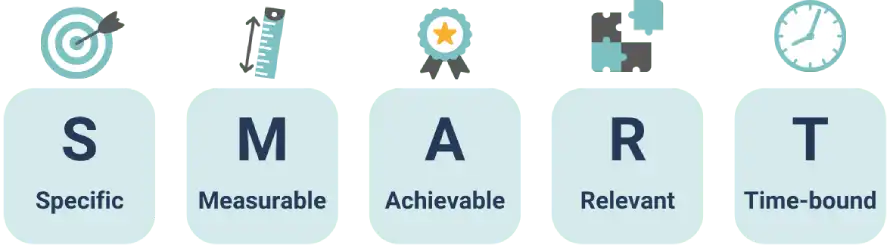
- Set SMART (Specific, Measurable, Achievable, Relevant, Time-bound) goalsCHANGE MANAGEMENT QUALIFICATIONSBecoming a certified Scrum Master is straightforward. Learn about the role and its requirements by reading further. To evaluate the impact of your lessons learned programme, try the following techniques:Romania
- List the deliverables and the project boundariesSelect your preferred qualification. Conduct surveys to measure team members’ perceived value of the processSlovakia
- Identify constraints and assumptions. The technical storage or access is necessary for the legitimate purpose of storing preferences that are not requested by the subscriber or user.Compare project outcomes before and after implementing lessons learned initiativesSlovenia
Creating a project charterAPMG CHANGE MANAGEMENT COURSES Track the frequency of accessed lessons in your repositorySpain
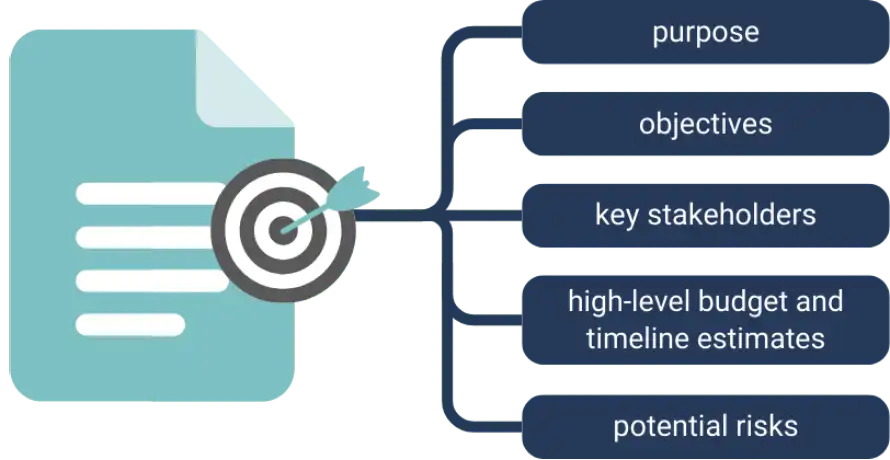
The Select your preferred training course below: Analyse the correlation between applied lessons and project success metricsSwedenproject charter Perform regular audits to ensure lessons are being consistently captured and utilised.Other countries serves as the project’s formal authorisation document. It should include:PROGRAMME MANAGEMENT QUALIFICATIONS By measuring the impact of your lessons learned process systematically, you can demonstrate its value to stakeholders and identify areas for improvement. This data-driven approach ensures that your organisation continues to refine and enhance its knowledge management practices.Home
| Key ElementsSelect your preferred qualification. StatisticsConclusionProject Management | Description Scrum frameworkThe Project management techniques |
|---|---|
| Project purposeMSP COURSES lessons learned process | Clear statement of the project’s objectivesSelect your preferred training course below: Simon Buehring is a vital component for organisational improvement and project success. By implementing a structured approach to identifying, documenting, analysing, storing, and retrieving valuable insights, organisations can significantly enhance their {"@context":"http://schema.org","@type":"BreadcrumbList","itemListElement":[{"@type":"ListItem","position":1,"name":"Home","item":"https://www.knowledgetrain.co.uk/"},{"@type":"ListItem","position":2,"name":"Project Management","item":"https://www.knowledgetrain.co.uk/project-management"},{"@type":"ListItem","position":3,"name":"Project management techniques","item":"https://www.knowledgetrain.co.uk/project-management/project-management-techniques"}]} |
| Scope Statistics19 Feb 2026project management practices | High-level description of what’s included and excludedPMI COURSES and drive continuous improvement. |
| TimelinesSelect your preferred training course below: Explore the 6 essential principles of the Scrum framework that guide successful projects. Scroll down for an in-depth look.A culture of | Estimated start and end dates continuous learning11 essential project management techniques |
| BudgetPMI COURSES is paramount for the success of lessons learned activities. Cultivating an environment that encourages open communication, values experiential knowledge, and promotes sharing and applying insights across | Initial cost estimatesSelect your preferred training course below: projectsKnowledge Train |
| Key stakeholders 19 Feb 2026 and teams will maximise the potential benefits of this process. | List of individuals or groups with vested interest PRINCE2 COURSES To unlock the full power of lessons learned, organisations must commit to making these activities an integral part of the project lifecycle and create a blame-free environment where team members feel safe to reflect honestly. Additionally, investing in user-friendly systems for capturing and accessing lessons, as well as regularly measuring and evaluating the effectiveness of lessons learned initiatives, will ensure the sustainability and continuous improvement of this valuable practice. |
Identifying key stakeholdersThe technical storage or access that is used exclusively for statistical purposes.Select your preferred training course below: By embracing the principles and implementing effective lessons learned processes discussed in this guide, organisations can drive continuous improvement, reduce the recurrence of issues, and ultimately achieve greater project success. Start improving your lessons learned practices today to secure a more efficient and effective
Stakeholder identification project management is an important part of the successful project. To manage your stakeholders, first make a stakeholder register of all the parties involved and then map out their interests, influence, and impact on the project. Lastly, create a communication strategy for each stakeholder.The technical storage or access that is used exclusively for anonymous statistical purposes. Without a subpoena, voluntary compliance on the part of your Internet Service Provider, or additional records from a third party, information stored or retrieved for this purpose alone cannot usually be used to identify you.APM COURSESShould I do PMP or Agile certification? future.
When each of these components has been properly considered during the initiation phase, a project manager has set the stage for the rest of the project lifecycle. Select your preferred training course below: Enhance your skills with our expert-led courses
2. Project planning Simon Buehring
The planning process is vital in ensuring that a project will be successful. It involves the development of a AGILE PROJECT MANAGEMENT COURSES23 Feb 2026 project plan Select your preferred training course below: . Choosing between PMP and Agile certification can be crucial. Read on to compare these paths and decide which suits your career goals best. Self-paced
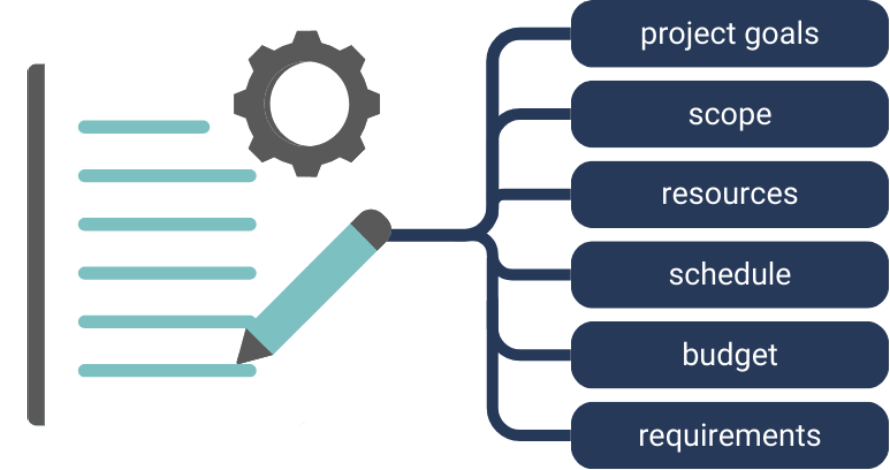
The MarketingPRINCE2 AGILE COURSES APM PFQ blended onlineproject plan Select your preferred training course below: elaborates on the project charter. It includes the following major components: the technical requirements, the £749 +vatwork breakdown structure BUSINESS CASE COURSES (which outlines the work to be performed), the resource management plan, and the schedule for the work and major milestones.MarketingSelect your preferred training course below:
Defining technical requirements
Technical requirementsAGILE COURSES Self-paced clearly define the characteristics of the project’s deliverables in terms of functions, features, and technical aspects. To define and document technical requirements effectively:Select your self-paced training course topic. The top 15 Agile books you should read PRINCE2 Agile Practitioner (with Foundation) self-paced online
- Involve stakeholders and collaborate with them to gather requirements
- Prioritise requirements based on their importance and feasibilityAGILE PROJECT MANAGEMENT COURSES Simon Buehring £1,399 +vat
- Ensure the requirements are stated clearly and unambiguouslySelect your preferred training course below: 19 Feb 2026
- Validate the requirements with relevant experts and end-users.
Developing a detailed project schedulePRINCE2 AGILE COURSESThe technical storage or access is required to create user profiles to send advertising, or to track the user on a website or across several websites for similar marketing purposes.Explore our top 15 Agile book recommendations to enhance your understanding and skills. Read on to choose your next read.Copied!
Creating an effective Select your preferred training course below: Key takeawaysSelf-pacedproject schedule Manage options Strong delivery comes from choosing and combining techniques that fit your project’s uncertainty, scale, and stakeholders.AgilePM Practitioner (with Foundation) self-paced online is crucial for meeting project deadlines. The steps involved are as follows:SCRUM COURSESManage services Use a Work Breakdown Structure to define scope clearly and create reliable estimates and ownership.
- Work Breakdown StructureSelect your preferred training course below:Manage {vendor_count} vendors Use Gantt charts and network diagrams to visualise sequencing, dependencies, and progress.£1,299 +vat ( Read more about these purposes Apply CPM and PERT to identify critical work, quantify schedule risk, and test scenarios.FAQsWBSLEAN SIX SIGMA COURSES Use Kanban to manage flow, limit work in progress, and surface blockers early.How often should lessons learned sessions be conducted?)Select your preferred training course below:Accept Prioritise uncertainty with a risk matrix and stakeholder mapping to guide action and communication.Ideally, at the end of each project phase and upon project completion. For longer projects, consider quarterly sessions to capture insights while they’re fresh.: Break down the project into manageable tasks Agile principlesTrack delivery health with EVM and cost-benefit analysis to support timely, evidence-based decisions.What’s the difference between lessons learned and project post-mortems?
- Task DurationBUSINESS ANALYST COURSESDeny Lessons learned focus on ongoing improvement throughout the project lifecycle. Post-mortems typically occur at project end and may have a broader scope, including overall project performance evaluation.: Estimate the duration of each task realisticallySelect your self-paced training course topic. Simon Buehring How can we encourage team members to actively participate in lessons learned sessions?
- Task Dependencies View preferences19 Feb 2026 Create a blame-free environment, emphasise the value of learning, and demonstrate how insights are applied. Consider using anonymous submission methods for sensitive topics.: Identify and document dependencies between tasksBCS BUSINESS ANALYST COURSES ContentsWhat are some effective tools for capturing lessons learned in real-time?
- Resource AllocationSelect your preferred training course below:Save preferencesUnderstand how Agile principles revolutionize project delivery and quality. Read on to learn about their application in various industries. Project management software: Allocate resources to tasks efficiently with built-in features, dedicated mobile apps, or simple shared documents. The key is accessibility and ease of use for team members.
- MilestonesCHANGE MANAGEMENT COURSESView preferences ContentsHow can we ensure lessons learned are actually applied to future projects?
| Stakeholders Introduction to project management techniques | Identify all parties involved in communicationIT QUALIFICATIONS Project management techniques have become an essential aspect of modern businesses, allowing organisations to achieve their objectives, meet deadlines, and deliver value to their stakeholders. These techniques refer to the tools and methodologies that project managers and teams use to plan, execute, and control projects efficiently. |
| FrequencySelect your preferred qualification.Are Agile courses worth it?Project management techniques | Determine how often updates will be shared have been in existence for centuries, and they have evolved to meet the changing needs of businesses and the latest technological developments. |
| ChannelsITIL COURSESSimon BuehringThe history of project management techniques dates to ancient times when large-scale projects such as the construction of the pyramids and the Great Wall of China were undertaken. However, modern project management started to emerge in the mid-20th century with the development of techniques such as the Gantt chart and the Critical Path Method (CPM). As businesses became more complex and globalised, new methodologies emerged to address the diverse project needs of different industries. | |
| LEARNING LIBRARIESFind out if Agile courses are worth the investment and how they can fast-track your career. Scroll down for more details. | Select your preferred training course topic. |
| AI QUALIFICATIONS & WORKSHOPS |
Select your preferred qualification or workshop.
AIPGF COURSES Select your preferred training course below:
- Lean principles
- Simon Buehring
- 19 Feb 2026
| Give us a call | |
|---|---|
| +44 (0)207 148 5985 | |
| Or chat with us using the link at the bottom of the screen. | |
| Contact us with questions about the courses on this page, or about which project management certification or training is best for you. | Finance FAQs |
| Contact | Cookies |
Privacy
TermsCustomer Support
, ITILAgilePM Practitioner (with Foundation) self-paced online
®
, P3O£1,299 +vat
®Scheduling and time management, PRINCE2Critical Path Method (CPM)®The
- Support from expert, experienced trainers Agile, RESILIACritical Path Method
- Latest educational technology.® (CPM) is a fundamental project management technique used to determine the longest sequence of dependent tasks that must be completed for a project to be finished on time. This sequence of tasks is known as the critical path. The CPM was first developed in the late 1950s and has since been widely adopted for
- project scheduling
- BUSINESS SOLUTIONS and control in various industries.
CPM involves the following key steps:
Identifying all project tasksDetermining task dependenciesEstimating task durationsCalculating the earliest and latest start and finish times for each task
| Identifying the critical path and the float time for non-critical tasks. | The critical path represents the sequence of tasks that directly affects the project’s overall duration. Any delay in a critical path task will result in a delay in the project completion date, unless the delay is addressed through corrective action. |
|---|---|
| CPM offers several benefits: | Provides a visual overview of project schedules |
| Highlights tasks that have the most significant impact on project duration | Helps optimise resource allocation |
Enables “what-if” scenario analysis.
To effectively apply CPM, project managers often use specialised software that can handle complex calculations and visualise schedules. These too
Request a quote
Manage Consent
- To provide the best experiences, we use technologies like cookies to store and/or access device information. Consenting to these technologies will allow us to process data such as browsing behavior or unique IDs on this site. Not consenting or withdrawing consent, may adversely affect certain features and functions.
- Update estimates regularly as new information becomes available
Use PERT in conjunction with CPM for a comprehensive schedule analysis
Leverage software tools for PERT calculations and visualisations.FunctionalCommon pitfalls Overreliance on extreme (optimistic or pessimistic) estimates
| Neglecting task dependencies | Failing to update analysis as the project progresses |
|---|---|
| Misinterpreting results as definitive rather than probabilistic. | PERT can be time-consuming to apply to large projects, and it may not be necessary for every project. It is most useful when used judiciously, in combination with other techniques, and applied to the most critical or highly uncertain aspects of a project. |
management
. A Kanban board is a visual tool that helps teams manage their work using Kanban methodology. The board is divided into columns that represent the stages of a workflow, for example, “To Do”, “In Progress”, and “Done”. Cards or sticky notes are placed on the board to represent the work items or tasks, and they are moved from one column to another as the work progresses. This way, the team can: Visualise workflow: The status of all tasks is visible at a glance.The technical storage or access is strictly necessary for the legitimate purpose of enabling the use of a specific service explicitly requested by the subscriber or user, or for the sole purpose of carrying out the transmission of a communication over an electronic communications network.Limit work in progress: Limits are set on the number of tasks in each column to avoid overloading the team.
Manage flow: Blockers are quickly identified and resolved.
Continuous improvement: The team optimises the workflow over time.
Benefits of using Kanban boards include:
Improved transparency and communication
PreferencesIncreased focus and productivity Flexibility to adapt to changing priorities Reduced waste of time and resources.
- Kanban boards can be physical or digital. A physical board can be as simple as a whiteboard and some sticky notes. A digital board is a virtual representation of the physical board that can be accessed and updated by the team members using
- Preferencesproject management software
- . Digital boards offer more features, such as automatic updates, task details, and integration with other tools.
- Implementing Kanban boards is easy, but it requires the team to be committed to updating the board regularly and following the work-in-progress limits.
Risk and stakeholder management
Risk management matrix A
| Risk Management Matrix | , also referred to as a Probability and Impact Matrix, is a graphical representation used in project management to prioritise and manage risks. It allows project managers and teams to evaluate potential risks based on their likelihood of occurrence and potential impact on the project. |
|---|---|
| The matrix typically displays a grid with probability on one axis and impact on the other. Risks are plotted on this grid, enabling quick visual identification of high-priority risks that require immediate attention and action.The technical storage or access is necessary for the legitimate purpose of storing preferences that are not requested by the subscriber or user. | Essential elements in a Risk Management Matrix: |
| Probability: The chance of a risk happening (typically rated as low, medium, high) | Impact: The severity of the outcome if the risk occurs (usually ranked from minor to major) |
| Risk score: A value obtained by multiplying the probability and impact assessments. | Advantages of employing a Risk Management Matrix:Statistics |
| Facilitates a clear, visual summary of potential project risks. | Assists in prioritising risk responses. |
Improves risk communication with stakeholders.
Aids in making more informed decisions.StatisticsTips for effective use:
- Update the matrix regularly as new risks emerge or situations evolve.
- Engage the whole project team in risk identification and evaluation.
- Formulate specific mitigation or contingency plans for prioritised risks.
- Periodically review and revise risk ratings and assumptions.
By systematically identifying, evaluating, and addressing risks,
project managers can proactively manage potential challenges and opportunities, thereby enhancing the project’s chances of success.The technical storage or access that is used exclusively for statistical purposes.
- Stakeholder mapping
- Stakeholder mappingThe technical storage or access that is used exclusively for anonymous statistical purposes. Without a subpoena, voluntary compliance on the part of your Internet Service Provider, or additional records from a third party, information stored or retrieved for this purpose alone cannot usually be used to identify you.
- is a visual technique to analyse and prioritise stakeholders for your project based on their interest, influence, and impact on the project.
- Key takeaways
Recognise all potential stakeholders, those who may affect or be affected by the project. Help prioritise stakeholders based on their influence and interest in the project.Facilitate communication planning with stakeholders.
Aid in gdom.
risk management Knowledge Train are experts in project management, PRINCE2, agile and change management training and certification. Choose from a full range of instructor-led and self-paced and informed decision making.project management coursesQuick tips, a Use a power/interest grid to plot stakeholders.PRINCE2 course
, or an agile project management course to boost your career. PRINCE2®
, MSP®, ITIL
