Select your preferred training course below:

Select your preferred training course below:
PRINCE2 AGILE COURSESSelect your preferred training course below:

BUSINESS CASE COURSESSelect your preferred training course below: AGILE COURSESSelect your self-paced training course topic.
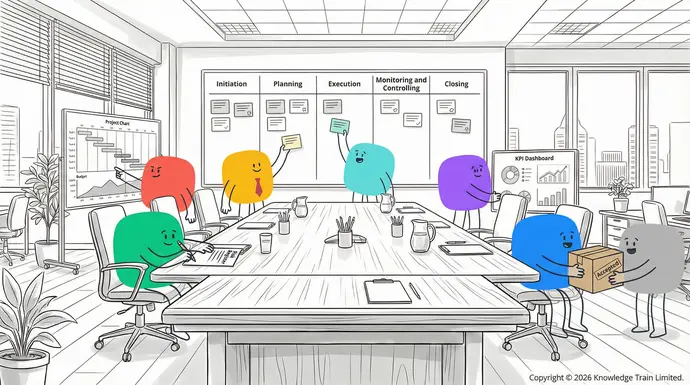
- InitiationAGILE PROJECT MANAGEMENT COURSES
- PlanningSelect your preferred training course below:BCS accredited training partner for Business Analysis.
- Execution
- Monitoring and controllingPRINCE2 AGILE COURSESWHAT YOU WILL GET
- ClosingSelect your preferred training course below:Our courses and workshops include:
Each of these phases plays a crucial role in a project’s lifecycle and contributes to its overall success. Understanding the purpose and activities associated with each phase is fundamental for Certification exam(s) where applicableproject managersSCRUM COURSESAccredited training course materials and their teams to navigate challenges and lead their projects to fruition. In this comprehensive article, we will delve into each project management phase, providing insights and best practices to ensure effective and efficient project management.Select your preferred training course below:Expert, experienced trainers to support you
The five phases of project management Course manual where applicable.
The project lifecycle is essential in project management. The five phases of the LEAN SIX SIGMA COURSES project lifecycleSelect your preferred training course below:SELF-PACED ONLINE TRAINING COURSES provide a framework for organising and executing Self-paced online training courses (e-learning) include:projectsBUSINESS ANALYST COURSESCertification exam(s) where applicable from start to finish.Select your self-paced training course topic.Accredited training course materials
business caseSOCIAL RESPONSIBILITY:Knowledge Train is a Better Business Cases Accredited Training Organization.Some of the charities we have helped over the years:
- Identify the problem/opportunity the project is solving
- Consider different solutions and evaluate their feasibilityKnowledge Train is a P3O Accredited Training Organization.
- Calculate the cost, benefit and return on investment
- List the risks and mitigation measures.Knowledge Train is an AgilePM Accredited Training Organization.
Defining project goals and scope
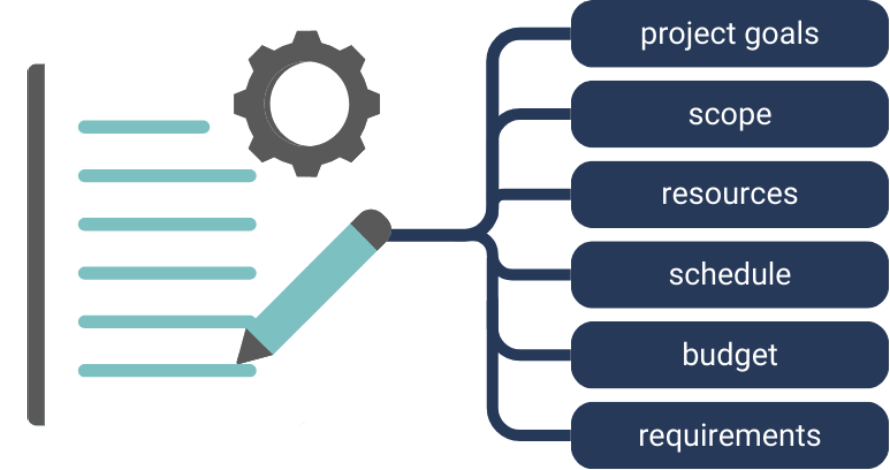
Project goalsKnowledge Train is a PRINCE2 Agile Accredited Training Organization. and AWARDSscopeKnowledge Train is an Agile BA Accredited Training Organization.We don’t go seeking awards, but here are two of the awards we have received for our training. need to be well-defined to have a successful project. To define the goals and the scope:
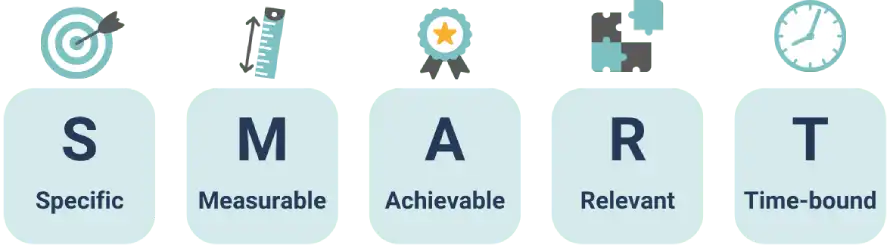
- Set SMART (Specific, Measurable, Achievable, Relevant, Time-bound) goalsBCS accredited training partner for Business Analysis.
- List the deliverables and the project boundaries Request a quote
- Identify constraints and assumptions.Knowledge Train is an Agile BA Accredited Training Organization.
Creating a project charter
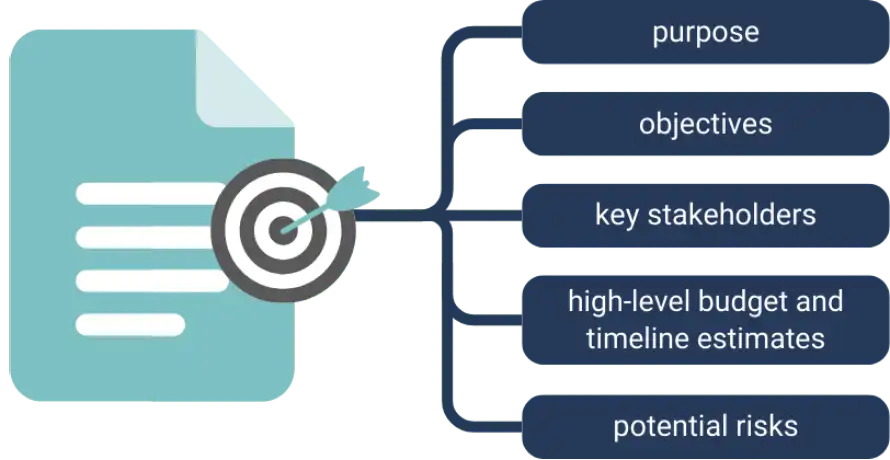
The Knowledge Train is a Change Management Accredited Training Organization. project charter serves as the project’s formal authorisation document. It should include:Knowledge Train is an MSP Accredited Training Organization.+44 (0)207 148 5985
| Key Elements | DescriptionKnowledge Train is a PRINCE2 Accredited Training Organization.[email protected] |
|---|---|
| Project purpose | Clear statement of the project’s objectivesKnowledge Train is an AgilePM Accredited Training Organization. |
| Scope | High-level description of what’s included and excludedKnowledge Train is a PRINCE2 Agile Accredited Training Organization. |
| Timelines | Estimated start and end datesKnowledge Train is a Better Business Cases Accredited Training Organization. |
| Budget | Initial cost estimatesKnowledge Train is an AgilePM Accredited Training Organization.United Kingdom |
| Key stakeholders | List of individuals or groups with vested interestKnowledge Train is a PRINCE2 Agile Accredited Training Organization. |
Identifying key stakeholders
Stakeholder identificationKnowledge Train is a Lean Six Sigma Accredited Training Organization. is an important part of the successful project. To manage your stakeholders, first make a stakeholder register of all the parties involved and then map out their interests, influence, and impact on the project. Lastly, create a communication strategy for each stakeholder.
When each of these components has been properly considered during the initiation phase, a project manager has set the stage for the rest of the project lifecycle.BCS accredited training partner for Business Analysis.
2. Project planning Search
The planning process is vital in ensuring that a project will be successful. It involves the development of a Knowledge Train is a Change Management Accredited Training Organization. project plan .Knowledge Train is an MSP Accredited Training Organization.
The project planAXELOS Peoplecert accredited training organisation for ITIL (IT Infrastructure Library). elaborates on the project charter. It includes the following major components: the technical requirements, the United Kingdomwork breakdown structureAXELOS Peoplecert accredited training organisation for ITIL (IT Infrastructure Library).Austria (which outlines the work to be performed), the resource management plan, and the schedule for the work and major milestones. Belgium
Defining technical requirementsKnowledge Train is an AIPGF Accredited Training Organization.
Knowledge Train is an AIPGF Accredited Training Organization.
- BCS accredited training partner for Business Analysis.
- WHAT YOU WILL GET
Our courses and workshops include:
Certification exam(s) where applicableAccredited training course materialsExpert, experienced trainers to support you
- Course manual where applicable. SELF-PACED ONLINE TRAINING COURSESSelf-paced online training courses (e-learning) include:Certification exam(s) where applicable
- Accredited training course materialsSupport from expert, experienced trainers
- Latest educational technology.
- BUSINESS SOLUTIONS
| DescriptionScrum of the project outcomes. If the three constraints are well-balanced, the project is more likely to achieve high-quality results. On the other hand, if there is an imbalance in any of the constraints, the quality of the project may be compromised. For example: | |
|---|---|
| CSFsScrum MasterA tight deadline may lead to a rushed project, resulting in lower quality outputs. | High-level goals that must be achieved for project success A limited budget may result in a project being understaffed or under-resourced, which may also affect quality. |
| KPIs{"@context":"http://schema.org","@type":"BreadcrumbList","itemListElement":[{"@type":"ListItem","position":1,"name":"Home","item":"https://www.knowledgetrain.co.uk/"},{"@type":"ListItem","position":2,"name":"Agile","item":"https://www.knowledgetrain.co.uk/agile"},{"@type":"ListItem","position":3,"name":"Scrum","item":"https://www.knowledgetrain.co.uk/agile/scrum"},{"@type":"ListItem","position":4,"name":"Scrum Master","item":"https://www.knowledgetrain.co.uk/agile/scrum/scrum-master"}]}A project with an overambitious scope can strain resources and time, leading to poor results. | Quantifiable measurements that indicate progress towards CSFs Successful project management involves finding the right balance and making trade-offs between the three constraints while maintaining the desired level of quality. By understanding the impact of these constraints on each other, project managers can make informed decisions to lead the |
You can follow these best practices to implement effective progress tracking strategies; first, you must identify CSFs that are aligned with your project goals. Once you have identified CSFs develop KPIs for each CSF that can effectively track the progress towards them and periodically review and update your KPIs as the project progresses. project
Managing budget and resources to a successful outcome.
To manage budget and resources effectively, it is important to track spending against budget, monitor resource allocation to ensure they are being used efficiently, identify potential resource bottlenecks or shortages early on and implement cost-saving measures where necessary.Scrum MasterBenefits of using the project management triangle
Adjusting plans as necessary Utilising the project management triangle provides some distinct benefits to the project team and stakeholders. These are as follows.
Project plans may need to be adjusted to overcome unforeseen obstacles, to do this effectively, regularly review the project to identify areas that may need to be changed, evaluate the potential impact of proposed changes on the project scope, timeline and budget, communicate any changes to all relevant stakeholders and update project documentation to reflect approved changes.Simon BuehringEasier change management
By carefully monitoring and controlling these aspects, project managers can ensure their projects stay on track and adapt to changes as needed.20 Mar 2026The triangle model helps to
5. Project closing make changes easier
Project closing is the phase that formally completes the . This is because if a change arises, the project managers can easily evaluate how this change will affect the scope, time and cost, decide, as such it helps to quickly evaluate a change request, understand the ripple effects, and make an informed decision on change.project Priority clarification. It’s when you finalise project deliverables, review performance, and document learnings for future reference.Visualising the three constraints helps to
Delivering final project outcomesclarify priorities
Final delivery. This will make it possible for the team to quickly identify important elements in the project, direct resources to important tasks and make trade-offs as required based on the project goals. involves:Improved client communication
- Validating that all project deliverables meet the agreed-upon specificationsThe triangle is a helpful
- Seeking formal acceptance from stakeholderscommunication tool
- Transferring project outputs to the relevant teams or clients to both communicate with and educate clients. The project managers can use the triangle to show the project’s constraints to the clients, visualise how changes would affect them, and set realistic expectations regarding project deliverables.
- Closing any remaining contracts or agreements.Risk reduction
Conducting project review meetingsUtilising the triangle will help in
Project managing risks review meetings. This is possible because this will help the team to predict potential problems earlier in the process, have a contingency plan, and balance the risks in all three constraints. allow you to assess how well the project has performed:The use of the project management triangle allows for
- Convene all key stakeholders to review the project’s outcomesmanagers
- Assess the project’s success against the initial goals to make decisions in a balanced manner. As such, it becomes possible to deal with complex projects with great ease.
- Identify areas of excellence and opportunities for improvementEnhance your skills with our expert-led courses
- Seek feedback from team members and stakeholders.
Documenting lessons learnt
Capturing lessons learntInstructor-ledCopied! is vital for organisational growth:Introduction to Project Management courseKey takeaways
| Aspect The Scrum Master enables effective Scrum through coaching, facilitation, and removing impediments. | Description£499 +vatThe Scrum Master is accountable for team effectiveness and acts as a servant leader who improves how work flows. |
|---|---|
| Successes Daily stand-ups expose blockers early, reduce siloed working, and create better decisions for the next 24 hours. | Document effective strategies and practicesSee all datesBacklog clarity improves when the Scrum Master supports the Product Owner with refinement, user stories, and planning in uncertainty. |
| Challenges The Scrum Master role is different from product direction and traditional project oversight, so responsibilities must stay clearly separated. | Note obstacles encountered and how they were overcome Strong facilitation, observation, listening, and knowing when to step back build self-management and predictable delivery. |
| Improvements | Identify areas for enhancement in future projectsInstructor-led |
Archiving project informationProject Management Essentials
Project archiving Contents involves preserving valuable information after project completion. To effectively archive project information, organise all project documentation in a central repository, ensure easy accessibility for future reference, include key documents such as £999 +vat project plans , reports, and communications and comply with organisational data retention policies.See all datesContents
By carefully managing these closing activities, project managers can ensure a smooth project closure and contribute to ongoing organisational learning and improvement.Managing the project management triangle
Best practices for effective project managementMaintaining the balance of the project management triangle requires strategic decisions and careful trade-offs between scope, time, and cost. Here are some tips to help:Introduction
Incorporating effective project management best practices can greatly improve your project’s success. These strategies guide teams through common challenges and help them deliver successful results more consistently.Choose at least one flexible constraint
Embracing Agile methodologiesOne constraint should be identified as more flexible than the others. This allows some wiggle room when dealing with changes or issues. Ask yourself:Scrum mastery
Following Which constraint is easiest or least impactful to change? Agile methodologiesAre stakeholders willing to adjust scope, extend deadlines, or increase budget if necessary?What is a Scrum Master responsible for? can provide flexibility and adaptability:How will increased flexibility in one constraint impact the other two?
- Implement iterative development cyclesIdentifying a flexible constraint up-front allows for better risk management and issue resolution.Agile Scrum Masters
- Encourage regular stakeholder feedbackPrioritise features and requirements
- Prioritise tasks based on value and adapt plans accordinglyIt is important to carefully evaluate the importance of each project deliverable. This will help you focus on what is essential to project success. Create a comprehensive list of features and requirements, then:Must-have skills for any aspiring Scrum Master
- Foster a culture of collaboration and self-organisation within the team.Rank or score each based on value and importance
Utilising project management softwareClearly define “must-have” vs. “nice-to-have” featuresBecoming a Scrum Master
Project management toolsIntroductionLeverage prioritisation to inform trade-off decisions. can simplify processes and increase efficiency:The Scrum Guide describes the Scrum Master as the role responsible for establishing This prioritisation process allows for objective trade-off discussions if needed.
| Tool TypeScrumDevelop a risk management plan | Benefits within a team or organisation, and teaching Scrum theory and practice. In this sense, they function both as a leader, coach, and mentor.Proactively identifying and managing risks will help avoid imbalances in the triangle. A |
|---|---|
| Task managementThe risk management | Organise and track project tasks effectivelyScrum Master plan |
| Collaboration platforms is accountable for the Scrum Team’s effectiveness. The Scrum Master is charged with enabling the should include: | Facilitate communication and file sharingScrum frameworkIdentification of risks that could impact any of the constraints |
| Resource allocation and improving Scrum practices according to the unique contexts of each team, project, and challenge.Risk scoring based on probability and impact | Optimise team member workloadsScrum Masters are what agile defines as ‘servant leaders’.Detailed contingency plans for high-priority risks |
| Reporting dashboardsScrum masteryA monitoring process to reassess risks throughout the project. | Provide real-time project status updatesMastering Risk management |
Fostering clear communicationScrum ensures prevention of imbalances before they happen.
Strong communication usually requires training as a starting point. A great place to start mastering Scrum is the Create a change management plan is essential for project success:Scrum Essentials training courseChange is inevitable on projects. A
- Set up clear communication channels for the team and stakeholdersHere’s a general breakdown of the kind of things you would learn about the Scrum Master role if you studied change management plan
- Ensure frequent status updates and meetings to share informationScrum training course provides a process for considering how changes impact the constraints. A plan should include:
- Be open to feedback and communication from team members and stakeholders:A system for submitting, reviewing, and approving changes
- Use different communication methods for different stakeholders.Scrum Masters coach team members in becoming cross-functional self-managing teamsProcedures for assessing change impact on each constraint
Continuous learning and improvementScrum Masters help create high-value iterations that meet the ‘Definition of Done’Approval thresholds based on change type and size
Regular learning and improvementScrum Masters remove any obstacles to development, in whatever form they may takeCommunication plans for approved changes can enhance project management practices:Scrum Masters plan all Scrum events and take measures to ensure that they are tailored so they remain positive and productive.A structured change management process helps to prevent imbalances.
- Review and analyse project results regularlyThe Scrum Master serves the Product Owner in several ways:Match management methodology to priority constraints
- Share and discuss findings and lessons learnt with the teamScrum Masters help find techniques for effective backlog managementThe project management methodology used should complement the project’s constraints. Consider:
- Stay informed about the latest trends and best practicesScrum Masters help the Scrum Team understand the need for a clear and concise backlogWaterfall methodologies
- Seek out training and development opportunities to improve skills.Scrum Masters help establish product planning in a complex environment based on empirical experience like traditional or predictive project management focus on upfront planning and are best suited for fixed-scope projects where time and cost can be more flexible.
: Regularly estimate the future costs of the project based on current performance and trends.
Vendor management
: Negotiate favourable terms and monitor supplier costs.
Quality assurance practices
When managing project quality, you can try these tips:
Quality standards
: Define specific, measurable quality criteria for the project deliverables.
Continuous testing
: Implement regular quality checks throughout the project lifecycle.
Peer review
: Leverage the expertise of team members to identify and address quality issues.
Customer feedback
: Regularly collect and incorporate stakeholder feedback on project deliverables.
