Project management steps

Key takeaways
Strong project delivery comes from following a clear lifecycle and staying disciplined on communication, change, and learning.
- Use initiation to justify the work, define scope, and secure stakeholder alignment via a charter.
- Build a detailed plan with requirements, work breakdown, schedule, budget, and agreed risk responses.
- Execute by delegating clearly, managing workflows, and using tools that keep work and communication visible.
- Monitor progress with CSFs and KPIs, control costs and resources, and act quickly on variances.


Importance of understanding the project lifecycle
Understanding the project lifecycle can help project managers to:
- Plan for potential problems and stay one step ahead
- Manage resources effectively during the project
- Keep stakeholders informed throughout the project
- Respond to changes in the project without losing control
- Uphold quality standards throughout the project.
Project managers can do all these things when they become familiar with the phases in the project lifecycle.
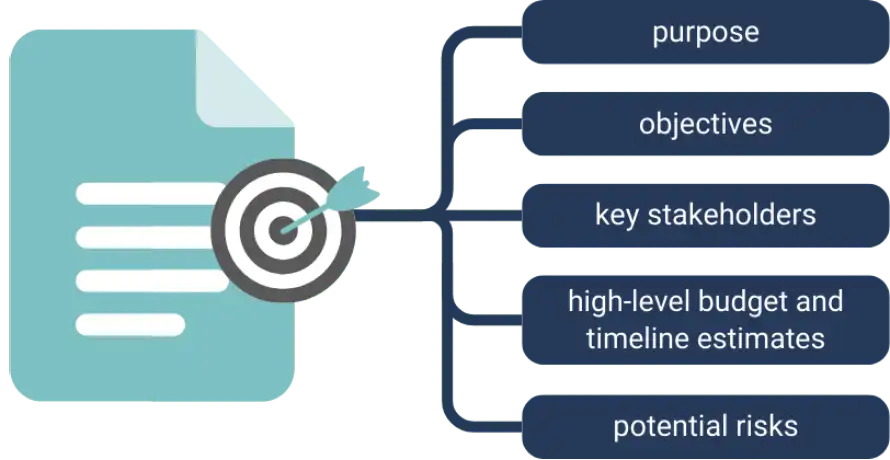
- : Allocate resources to tasks efficiently
- Milestones : Define significant points of progress or project phases to be achieved.
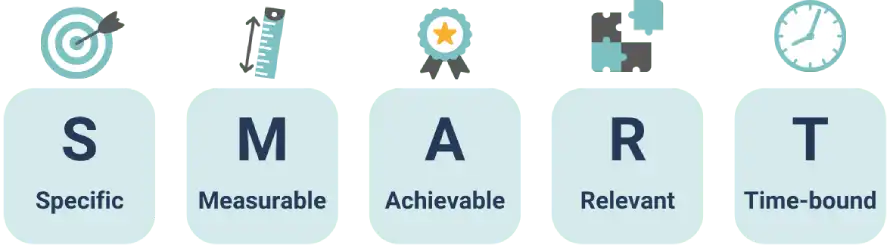
Setting SMART and CLEAR goals
Combine SMART (Specific, Measurable, Achievable, Relevant, Time-bound) and CLEAR (Collaborative, Limited, Emotional, Appreciable, Refinable) goal-setting methods for comprehensive project objectives.
Project plan
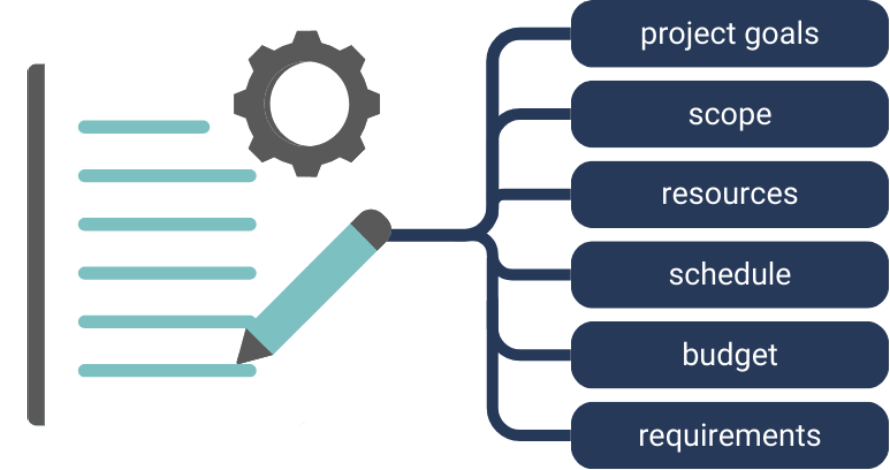
In this phase a project plan captures the project goals, scope, resources, schedule, budget, and main requirements for the project. The initial version of the project plan needs to be approved by the project sponsor before proceeding to the next phase and will be updated regularly as the project proceeds.
Creating a communication plan
Effective communication is vital for project success. A comprehensive plan should:
| Key Elements | Description |
|---|---|
| Stakeholders | Identify all parties involved in communication |
| Frequency | Determine how often updates will be shared |
| Channels | |
- or Kanban to manage projects
- Hold regular stand-up meetings to discuss progress and challenges
- Encourage communication so that bottlenecks can be addressed quickly.
Ensuring effective collaboration
Collaboration is key to project success. To foster a collaborative environment:
| Strategy | Description |
|---|---|
| Clear roles | Define responsibilities for each team member |
| Open communication | Encourage sharing of ideas and concerns |
| Shared goals | Align team efforts towards common objectives |
| Conflict resolution | Address disagreements promptly and constructively |
Utilising project management tools
Project management tools can be leveraged to improve execution efficiency. Task management software can be used to track progress and deadlines. Collaboration platforms can centralise communication and file sharing. Time-tracking tools can be implemented to monitor resource allocation and productivity. Reporting dashboards can be utilised to provide real-time project status updates.
Project Risk Single Certificate Level 1 4. Project monitoring and controlling
Monitoring and controlling involves keeping a check on all activities that are being executed to ensure that they are following the project plan.Enhance your project risk management skills.
Tracking progress against goalsAgilePM
Effective ®progress tracking – Agile Project Management involves:Foundation
- Regularly compare actual performance to planned objectivesLearn the key principles of Agile Project Management.
- Identify variances and their causesPractitioner
- Take corrective action to address any deviations from the planIncludes Foundation & Practitioner combined option.
- Update stakeholders on the project’s status and any major changes.PRINCE2
Establishing Critical Success Factors (CSF) and Key Performance Indicators (KPI)®
CSFs Agile and Foundation KPIsLearn the fundamentals of the PRINCE2 Agile method. are essential for measuring project success:Practitioner
| MetricIncludes Foundation & Practitioner combined option. | DescriptionAI Project Governance Framework (AIPGF) |
|---|---|
| CSFsFoundation | High-level goals that must be achieved for project successLearn the fundamentals of the governance framework. |
| KPIsPractitioner | Quantifiable measurements that indicate progress towards CSFsIncludes Foundation & Practitioner combined option. |
You can follow these best practices to implement effective progress tracking strategies; first, you must identify CSFs that are aligned with your project goals. Once you have identified CSFs develop KPIs for each CSF that can effectively track the progress towards them and periodically review and update your KPIs as the project progresses.Better Business Cases
Managing budget and resources™
To manage budget and resources effectively, it is important to track spending against budget, monitor resource allocation to ensure they are being used efficiently, identify potential resource bottlenecks or shortages early on and implement cost-saving measures where necessary.Foundation
Adjusting plans as necessaryLearn the fundamentals of Better Business cases.
Project plans may need to be adjusted to overcome unforeseen obstacles, to do this effectively, regularly review the project to identify areas that may need to be changed, evaluate the potential impact of proposed changes on the project scope, timeline and budget, communicate any changes to all relevant stakeholders and update project documentation to reflect approved changes.Practitioner
By carefully monitoring and controlling these aspects, project managers can ensure their projects stay on track and adapt to changes as needed.Includes Foundation & Practitioner combined option.
5. Project closingP3O
Foundation projectLearn the fundamentals of the P3O project management office.. It’s when you finalise project deliverables, review performance, and document learnings for future reference.Practitioner
Delivering final project outcomesIncludes Foundation & Practitioner combined option.
Final deliveryWorkshops involves:Introduction to Project Management
- Validating that all project deliverables meet the agreed-upon specifications1-day workshop to learn the basics of project management.
- Seeking formal acceptance from stakeholdersProject Management Essentials
- Transferring project outputs to the relevant teams or clients2-day workshop to learn how to manage projects without getting certified.
- Closing any remaining contracts or agreements.Writing Business Cases
Conducting project review meetingsHalf-day workshop to learn to write robust business cases.
Project AI in Project Management review meetingsLearn how to use AI tools in everyday project work. allow you to assess how well the project has performed:ARTIFICIAL INTELLIGENCE (AI)
- Convene all key stakeholders to review the project’s outcomesBCS AI
- Assess the project’s success against the initial goalsFoundation
- Identify areas of excellence and opportunities for improvementLearn the fundamentals of artificial intellegence.
- Seek feedback from team members and stakeholders.AI Project Governance Framework (AIPGF)
Documenting lessons learntFoundation
Capturing Learn the fundamentals of the governance framework.lessons learntPractitioner is vital for organisational growth:Includes Foundation & Practitioner combined option.
| AspectWorkshops | DescriptionAI in Project Management |
|---|---|
| SuccessesLearn how to use AI tools in everyday project work. | Document effective strategies and practicesAGILE |
| ChallengesAgilePM | Note obstacles encountered and how they were overcome® |
| Improvements – Agile Project Management | Identify areas for enhancement in future projectsFoundation |
Archiving project informationLearn the key principles of Agile Project Management.
Project archivingPractitioner involves preserving valuable information after project completion. To effectively archive project information, organise all project documentation in a central repository, ensure easy accessibility for future reference, include key documents such as Includes Foundation & Practitioner combined option.project plansPRINCE2, reports, and communications and comply with organisational data retention policies.®
By carefully managing these closing activities, project managers can ensure a smooth project closure and contribute to ongoing organisational learning and improvement. Agile
Best practices for effective project managementFoundation
Incorporating effective project management best practices can greatly improve your project’s success. These strategies guide teams through common challenges and help them deliver successful results more consistently.Learn the fundamentals of the PRINCE2 Agile method.
Embracing Agile methodologiesPractitioner
Following Includes Foundation & Practitioner combined option.Agile methodologiesScrum can provide flexibility and adaptability:Scrum Essentials
- Implement iterative development cyclesSelf-paced training course to learn the essentials of Scrum.
- Encourage regular stakeholder feedbackScrum Master
- Prioritise tasks based on value and adapt plans accordinglyChoose Scrum Alliance or Scrum.org Scrum Master training courses.
- Foster a culture of collaboration and self-organisation within the team.Scrum Product Owner
Utilising project management softwareChoose Scrum Alliance or Scrum.org Product Owner training courses.
Project management toolsAgileBA can simplify processes and increase efficiency:®
| Tool Type – Agile Business Analysis | BenefitsFoundation |
|---|---|
| Task managementLearn the fundamentals of Agile Business Analysis. | Organise and track project tasks effectivelyPractitioner |
| Collaboration platforms4-day course including Foundation. | Facilitate communication and file sharingLean Six Sigma |
| Resource allocationYellow Belt | Optimise team member workloadsSelf-paced training course to gain LSS Yellow Belt. |
| Reporting dashboardsPMI | Provide real-time project status updates® |
Fostering clear communicationPMI-ACP
Strong communicationSelf-paced course to prepare you for the exam (exam not included). is essential for project success:Kanban
- Set up clear communication channels for the team and stakeholdersEstimating for Agile Foundation
- Ensure frequent status updates and meetings to share informationAgile Learning Library (ALL)™
- Be open to feedback and communication from team members and stakeholdersBUSINESS ANALYSIS
- Use different communication methods for different stakeholders.BCS Business Analysis
Continuous learning and improvementBusiness Analysis Foundation
Regular learning and improvementLearn the fundamentals of business analysis. can enhance project management practices:Modelling Business Processes
- Review and analyse project results regularlyGain practitioner certificate in modelling business processes.
- Share and discuss findings and lessons learnt with the teamBusiness Analysis Practices
- Stay informed about the latest trends and best practicesGain practitioner certificate in business analysis practices.
- Seek out training and development opportunities to improve skills.Requirements Engineering
These best practices provide a solid foundation for project managers to achieve project success. By focusing on effective communication and a commitment to learning, organisations can foster adaptability, efficiency, and continuous improvement in Gain practitioner certificate in requirements engineering.project deliveryBusiness Analysis International Diploma .All 4 courses bundled into this Diploma certification package.
ConclusionAgileBA
Project management® is a vital discipline that plays a critical role in the successful execution of projects within organisations. By following a structured approach and adhering to best practices, project managers can ensure that their teams achieve organisational goals and – Agile Business AnalysisdeliverFoundation training successful outcomes.Learn the fundamentals of Agile Business Analysis.
To implement project management best practices, organisations should consider incorporating strategies such as adopting Practitioner Agile methodologies4-day course including Foundation., leveragingPMI project management software®, and emphasising clear communication and continuous learning.PMI-PBA
These practices not only improve project success rates but also foster a more efficient and effective project management team. Following the Self-paced course to prepare you for the exam (exam not included).phases of project management Business Analysis Learning Library (BALL)™provides a roadmap for teams to navigate challenges, optimise resources, and meet stakeholder expectations. By consistently applying these principles, organisations can enhance their project delivery capabilities and achieve successful results across all projects.CHANGE MANAGEMENT
