
Key takeaways
Strong project delivery comes from following a clear lifecycle and staying disciplined on communication, change, and learning.Introduction
- Use initiation to justify the work, define scope, and secure stakeholder alignment via a charter.
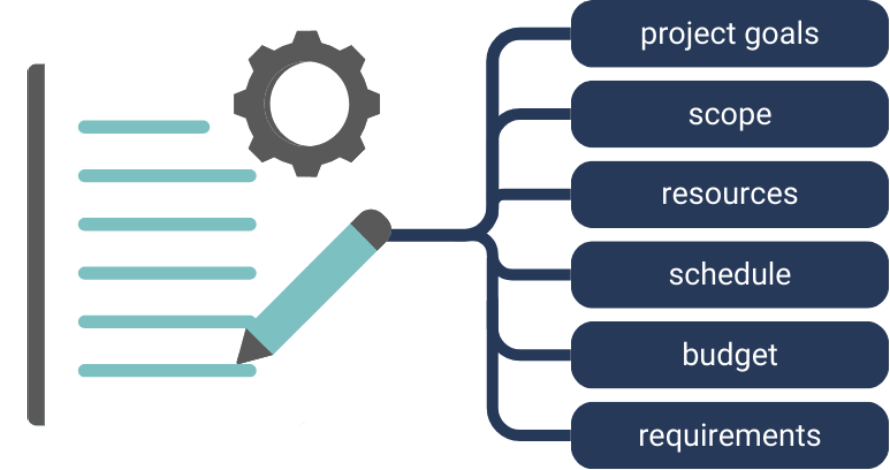
- Build a detailed plan with requirements, work breakdown, schedule, budget, and agreed risk responses.Sales pitch
- Execute by delegating clearly, managing workflows, and using tools that keep work and communication visible.
- Monitor progress with CSFs and KPIs, control costs and resources, and act quickly on variances.Materials
- Close formally with acceptance, a review of outcomes, lessons learnt, and well organised archives.
IntroductionHowever, while cost may be the most obvious variable from the purchasing end, it is perhaps the least important from the perspective of the experience and effectiveness of the training. Understanding the
Project managementPRINCE2 methodology is a vital process for turning ideas into reality. It provides a structured framework that guides teams from planning to execution and, ultimately, to the successful delivery of a project’s objectives. By following the different and project management phasespassing the PRINCE2 examinations, organisations can streamline their processes, optimise resource allocation, and increase the chances of achieving their desired outcomes. is dependent upon a training experience that allows students sufficient time to absorb the material, to communicate with an experienced PRINCE2 trainer, and to discuss the
The significance of PRINCE2 methodproject management in relation to their own project management situations. in any organisation or initiative cannot be overstated. Effective All too often, cost-cutter training courses preclude these aspects of the PRINCE2 training experience. In order to offer students cheap courses, training providers cut back in four basic areas: materials, venue, time and project managementtrainers allows for better control over resources, minimisation of risks and uncertainties, improved communication among stakeholders, and the timely delivery of projects..
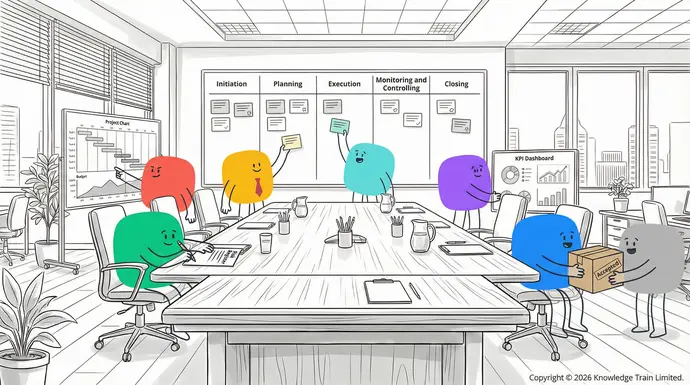
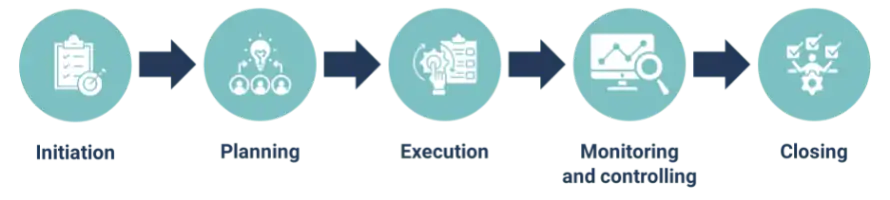
At the core of effective project management are five distinct phases:Enhance your skills with our expert-led courses
- Initiation
- Planning
- Execution
- Monitoring and controllingInstructor-led
- ClosingPRINCE2 Practitioner (with Foundation) course
Each of these phases plays a crucial role in a project’s lifecycle and contributes to its overall success. Understanding the purpose and activities associated with each phase is fundamental for
- : Identify the project’s goals, scope, and feasibility. Document them in a project charter and identify key stakeholders.
- Planning : Instructor-ledPlan the projectPRINCE2 Foundation course in detail, including the timeline, budget, and resources needed. Communication and risk management strategies should also be developed.
- Execution£1,299 +vat: Execute the project plan, manage team workflows, and ensure effective communication among stakeholders.
- Monitoring and controllingSee all dates: Measure and track project progress, performance, and quality to ensure they align with the plan. Adjust as necessary to keep the project on track.Materials
- ClosingPRINCE2: Deliver the final product or service, conduct a project review, document is a comprehensive methodology, and it is vital that students have access to clear and reliable training materials, in order to grasp the ins and outs of each process, the interrelation of the lessons learnedmanagement products, and archive project documents., and the role each principle and theme plays in the overall framework.
Importance of understanding the project lifecycleDeath by PowerPoint
Understanding the project lifecycle can help project managers to:Cheap training courses have a preference for PowerPoint, often printed six to a page. There are some PRINCE2 training providers who offer their students more than 360 PowerPoint slides in 3 days. Talk about death by PowerPoint!
- Plan for potential problems and stay one step aheadAsk about the materials
- Manage resources effectively during the projectWhen selecting a
- Keep stakeholders informed throughout the projectPRINCE2 course
- Respond to changes in the project without losing control for yourself or your team, take a few minutes to enquire about, or peruse the training materials available: Are they printed, for example, in black and white or colour (a significant concern, given the quantity of PRINCE2 charts and diagrams)? Are training materials available online? What kind of pre-course materials are offered?
- Uphold quality standards throughout the project.Need to be continuously improved
Project managers can do all these things when they become familiar with the phases in the project lifecycle.Less reputable training providers will not devote time to improving their course materials because they see this as a cost. If they can get away with using the same materials time after time, even though they aren’t effective, then they will do so.
1. Project initiationWhile I wouldn’t want to prevent any keen student from going that extra mile, it is important to be aware, when choosing your
Project initiation phase is important for the success of a project. During this stage, the ideas start to take shape, and the vision and purpose of the project are established.PRINCE2 training
Developing a business case, that such excessive extra study time is a clear indication that the classroom hours and environment are not sufficient to support a high success rate or effective PRINCE2 training.
The Everyone thought the course was very enjoyable and engaging, much more than they were expecting. I am definitely looking to get more staff onto this course.business case is a justification for a project and a description of the benefits the project will bring. To develop a business case :Jack E,
- Identify the problem/opportunity the project is solvingBusiness Analyst, Siemens.
- Consider different solutions and evaluate their feasibilityTrainers
- Calculate the cost, benefit and return on investmentGood trainers cost money
- List the risks and mitigation measures.One crucial way that cheap training providers use to save money is to employ inexperienced trainers. Those trainers just starting out in their training career are glad to get any work. The most experienced PRINCE2 trainers (and therefore more costly) can pick and choose who they work for.
Defining project goals and scopeBy choosing the cheapest PRINCE2 training providers, it’s very likely that your trainer will be relatively inexperienced in delivering
Project goals and scope need to be well-defined to have a successful project. To define the goals and the scope:
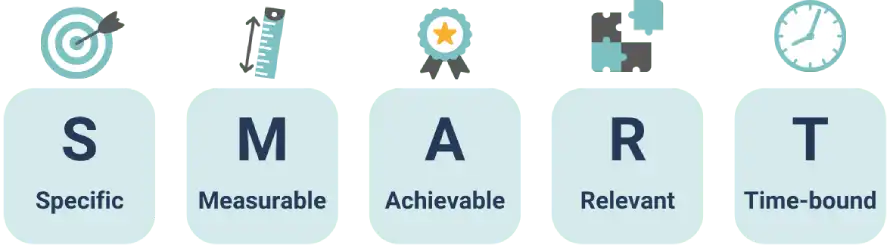
- Set SMART (Specific, Measurable, Achievable, Relevant, Time-bound) goals
- List the deliverables and the project boundariesPRINCE2
- Identify constraints and assumptions..
Creating a project charterWe’ve even heard of one academy bringing PRINCE2 trainers in from India to deliver courses in the UK. There’s no shortage of qualified, experienced PRINCE2 trainers in the UK, so they can only be doing this to save money.
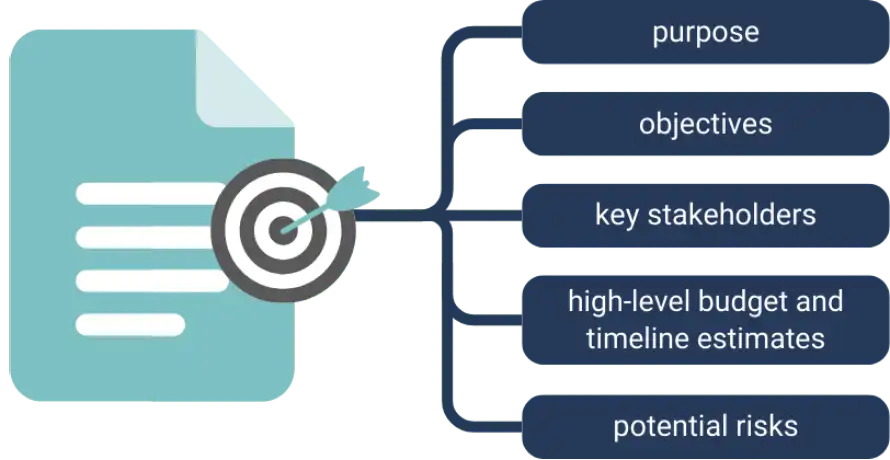
The The best thing about the course was the tutor who made the material really easy to understand and the exam a much less stressful process. I would recommend this course as I now feel I’m much more able to steer projects in a more meaningful way.project charter serves as the project’s formal authorisation document. It should include:
| Key Elements | DescriptionEmily S, |
|---|---|
| Project purposeSenior Project Manager, Reuters. | Clear statement of the project’s objectivesCompany size |
| ScopeBig is not better | High-level description of what’s included and excludedSome companies like to tell you they are the largest provider. You know what large companies are often like – think of your mobile, or gas or electric provider. Good customer service? Probably not. It’s the same with training providers. |
Copyright © 2005-2026 Knowledge Train Limited. Regular learning and improvement can enhance project management practices: Registered in UK: 5566983.
- Review and analyse project results regularly Registered VAT: GB872413526.
- Share and discuss findings and lessons learnt with the team Knowledge Train
- Stay informed about the latest trends and best practices®
- Seek out training and development opportunities to improve skills. is a registered trademark of Knowledge Train Limited.
These best practices provide a solid foundation for project managers to achieve project success. By focusing on effective communication and a commitment to learning, organisations can foster adaptability, efficiency, and continuous improvement in 20 Old Bailey, London, EC4M 7AN, England, United Kingdom.project delivery Knowledge Train are experts in project management, PRINCE2, agile and change management training and certification. Choose from a full range of instructor-led and self-paced .project management courses
Conclusion, a
Project managementPRINCE2 course is a vital discipline that plays a critical role in the successful execution of projects within organisations. By following a structured approach and adhering to best practices, project managers can ensure that their teams achieve organisational goals and , or an deliveragile project management course successful outcomes. to boost your career.
To implement project management best practices, organisations should consider incorporating strategies such as adopting PRINCE2Agile methodologies®, leveraging, MSP project management software®, and emphasising clear communication and continuous learning., ITIL
These practices not only improve project success rates but also foster a more efficient and effective project management team. Following the ®phases of project management , P3Oprovides a roadmap for teams to navigate challenges, optimise resources, and meet stakeholder expectations. By consistently applying these principles, organisations can enhance their project delivery capabilities and achieve successful results across all projects.®
FAQs
What is the most crucial phase of project management?
The planning phase is arguably the most important phase of project management. This is when you set your goals, resources, and timelines.
How can I prevent scope creep in my projects?
To avoid scope creep, be sure to clearly define the boundaries of your project, implement a change control process, and regularly review the project scope with stakeholders.
What’s the difference between traditional and Agile project management?
The key difference between traditional and Agile project management is the approach to the development process. Traditional project management is more linear and sequential. Agile methodologies focus on flexibility, iterative development, and continuous stakeholder feedback.
How often should I conduct project status meetings?Request a quote
The frequency of project status meetings will vary depending on the complexity and duration of your project. Weekly meetings are the norm, but you can adjust as needed to find a balance between communication and productivity.
What are some common project management pitfalls to avoid?
Some common project management mistakes to avoid include inadequate stakeholder communication, poor risk management, setting unrealistic timelines or budgets, lack of clear objectives, and insufficient resource allocation.
To avoid these mistakes, it is important to carefully plan, monitor, and proactively solve problems throughout the project lifecycle.
Infographic
