
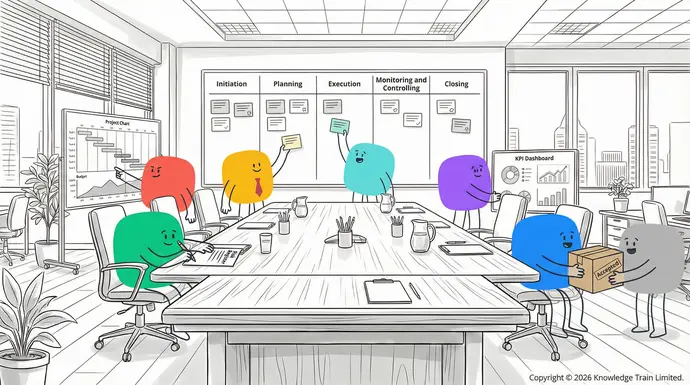

. They provide valuable information to make decisions throughout the project lifecycle.Understanding the project lifecycle can help project managers to:
- Plan for potential problems and stay one step aheadRole within project management
- Manage resources effectively during the projectProject controls are the navigational system in project management. They help
- Keep stakeholders informed throughout the projectproject managers
- Respond to changes in the project without losing control:
- Uphold quality standards throughout the project.Know project status at any time
Project managers can do all these things when they become familiar with the phases in the project lifecycle.Forecast outcomes
- Identify the problem/opportunity the project is solvingSee all dates
- Consider different solutions and evaluate their feasibility
- Calculate the cost, benefit and return on investment
- List the risks and mitigation measures.
Defining project goals and scopeInstructor-led
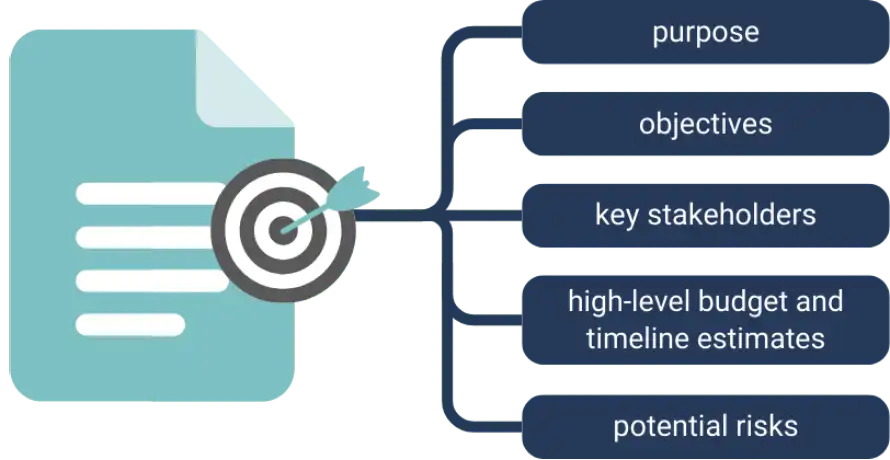
timeline development serves as the project’s formal authorisation document. It should include: means creating a project schedule. This involves identifying tasks, estimating durations and developing dependencies. Use a Gantt chart to visualise the
| Key Elementsproject timeline | Description and the critical path. |
|---|---|
| Project purposeMilestone tracking | Clear statement of the project’s objectivesTrack |
| Scope | High-level description of what’s included and excludedmilestones |
| Timelines to see how your project progresses towards its objectives. Review and update milestones regularly to see how your project is progressing. Milestones give you an easy-to-read indicator of the health of your project. | Estimated start and end datesCost control |
| BudgetBudget planning | Initial cost estimatesThe |
| Key stakeholdersbudget planning | List of individuals or groups with vested interest process involves estimating and allocating resources for each project phase. Create a detailed budget for the whole project. Include the expected cost of labour, materials and contingencies. |
Identifying key stakeholdersCost variance analysis
Stakeholder identificationAnalyse is an important part of the successful project. To manage your stakeholders, first make a stakeholder register of all the parties involved and then map out their interests, influence, and impact on the project. Lastly, create a communication strategy for each stakeholder.cost variance
When each of these components has been properly considered during the initiation phase, a project manager has set the stage for the rest of the project lifecycle. regularly to compare actual spend to the planned budget. This will allow you to identify and correct any discrepancies in time.
2. Project planningRisk management
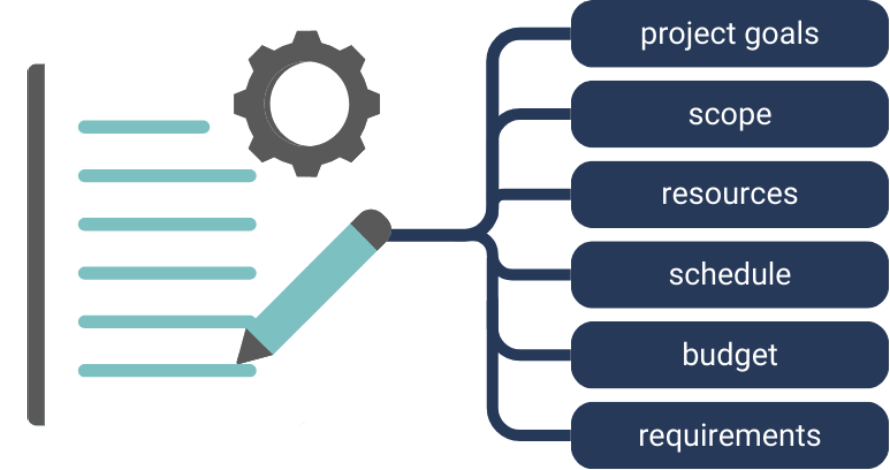
The planning process is vital in ensuring that a project will be successful. It involves the development of a Risk identificationproject planDo a thorough .risk
The project planidentification elaborates on the project charter. It includes the following major components: the technical requirements, the session to find threats to the success of the project. Involve people from all project disciplines to ensure that you cover all risks.work breakdown structureMitigation strategies (which outlines the work to be performed), the resource management plan, and the schedule for the work and major milestones.Create
Defining technical requirementsmitigation strategies
Technical requirements for identified risks. Prioritise risks according to their potential impact and likelihood. Develop action plans to manage them. clearly define the characteristics of the project’s deliverables in terms of functions, features, and technical aspects. To define and document technical requirements effectively:Change control
- Involve stakeholders and collaborate with them to gather requirements
- Prioritise requirements based on their importance and feasibility
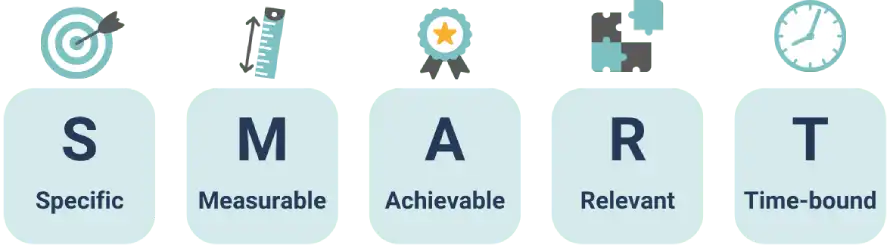
Define Effective
4. Project monitoring and controllingHere are the skills and qualifications you need to have to work in project controls:
Monitoring and controlling involves keeping a check on all activities that are being executed to ensure that they are following the project plan.Problem-solving and analytical skills
Tracking progress against goalsProficiency in
Effective project management softwareprogress trackingStrong communication skills involves:Certifications
- Regularly compare actual performance to planned objectives (PMP, CCP).
- Identify variances and their causes
- Take corrective action to address any deviations from the planCareer progression paths
- Update stakeholders on the project’s status and any major changes.With experience, you can advance your career to become a Project Control Manager or Director of Project Controls. You can also work as a senior project manager and oversee multiple
Establishing Critical Success Factors (CSF) and Key Performance Indicators (KPI)projects
CSFs or a and programKPIs. are essential for measuring project success:Enhance your skills with our expert-led courses
| Metric | Description |
|---|---|
| CSFs | High-level goals that must be achieved for project successInstructor-led |
| KPIsIntroduction to Project Management course | Quantifiable measurements that indicate progress towards CSFs |
You can follow these best practices to implement effective progress tracking strategies; first, you must identify CSFs that are aligned with your project goals. Once you have identified CSFs develop KPIs for each CSF that can effectively track the progress towards them and periodically review and update your KPIs as the project progresses.£499 +vat
Managing budget and resources
To manage budget and resources effectively, it is important to track spending against budget, monitor resource allocation to ensure they are being used efficiently, identify potential resource bottlenecks or shortages early on and implement cost-saving measures where necessary.See all dates
Adjusting plans as necessary
Project plans may need to be adjusted to overcome unforeseen obstacles, to do this effectively, regularly review the project to identify areas that may need to be changed, evaluate the potential impact of proposed changes on the project scope, timeline and budget, communicate any changes to all relevant stakeholders and update project documentation to reflect approved changes.
By carefully monitoring and controlling these aspects, project managers can ensure their projects stay on track and adapt to changes as needed.
5. Project closingInstructor-led
Project closing is the phase that formally completes the Project Management Essentialsproject . It’s when you finalise project deliverables, review performance, and document learnings for future reference.£999 +vat
Delivering final project outcomes
Final deliverySee all dates involves:Conclusion
- Validating that all project deliverables meet the agreed-upon specificationsProject controls
- Seeking formal acceptance from stakeholders are an important aspect of the modern-day project management. They provide you with insights into your project’s status, performance metrics, and issues. With project controls, you can make better decisions, identify problems, and improve the project’s outcome. You can use effective control techniques and appropriate tools to maximise your project’s success rate. Project controls can help you stay competitive in the complex business world.
- Transferring project outputs to the relevant teams or clientsFAQs
- Closing any remaining contracts or agreements.What is the main purpose of project controls?
Conducting project review meetingsThe purpose of project controls is to predict, understand, and influence time and cost outcomes.
Project How do project controls differ from project management?review meetingsProject controls are more specific. They are focused on data analysis and performance measurement. Project management encompasses all aspects of the project’s life cycle. allow you to assess how well the project has performed:What are the key skills needed for a career in project controls?
- Convene all key stakeholders to review the project’s outcomesYou need to have strong analytical thinking, be proficient in
- Assess the project’s success against the initial goalsproject management software
- Identify areas of excellence and opportunities for improvement, and be a great communicator.
- Seek feedback from team members and stakeholders.Can project controls be applied to small-scale projects?
Documenting lessons learntYes, project controls can be scaled and applied to any size of the project.
Capturing How often should project controls be reviewed and updated?lessons learntYou should review them regularly, but it depends on the project. Usually, it is done once a week or once a month. is vital for organisational growth:What are the common challenges in implementing project controls?
| AspectThe main challenges include resistance to change, data accuracy issues, and a lack of standard processes. | DescriptionInfographic |
|---|---|
| SuccessesSubscribe to our exclusive offers and promotions | |
To implement project management best practices, organisations should consider incorporating strategies such as adopting Agile methodologies , leveraging project management softwareHow to write a business case, and emphasising clear communication and continuous learning.
These practices not only improve project success rates but also foster a more efficient and effective project management team. Following the Simon Buehringphases of project management 19 Feb 2026provides a roadmap for teams to navigate challenges, optimise resources, and meet stakeholder expectations. By consistently applying these principles, organisations can enhance their project delivery capabilities and achieve successful results across all projects.
FAQs
What is the most crucial phase of project management?Simon Buehring
The planning phase is arguably the most important phase of project management. This is when you set your goals, resources, and timelines.19 Feb 2026
How can I prevent scope creep in my projects?
To avoid scope creep, be sure to clearly define the boundaries of your project, implement a change control process, and regularly review the project scope with stakeholders.Dive into 'Practical Project Management' for an easy-to-understand introduction to the field. Ideal for newcomers looking to get up to speed.
What’s the difference between traditional and Agile project management?
The key difference between traditional and Agile project management is the approach to the development process. Traditional project management is more linear and sequential. Agile methodologies focus on flexibility, iterative development, and continuous stakeholder feedback.
How often should I conduct project status meetings?
The frequency of project status meetings will vary depending on the complexity and duration of your project. Weekly meetings are the norm, but you can adjust as needed to find a balance between communication and productivity.
What are some common project management pitfalls to avoid?
Some common project management mistakes to avoid include inadequate stakeholder communication, poor risk management, setting unrealistic timelines or budgets, lack of clear objectives, and insufficient resource allocation.
