Knowledge Train is a PRINCE2 Agile Accredited Training Organization.

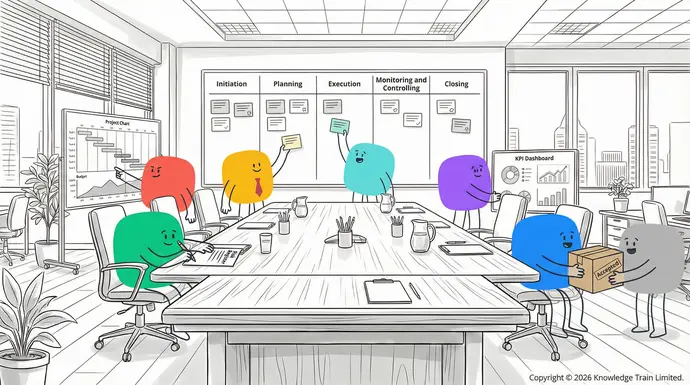

Diversityproject lifecycle Fairness provide a framework for organising and executing Qualityprojects Innovation from start to finish. Social responsibility
Brief overview of each phase
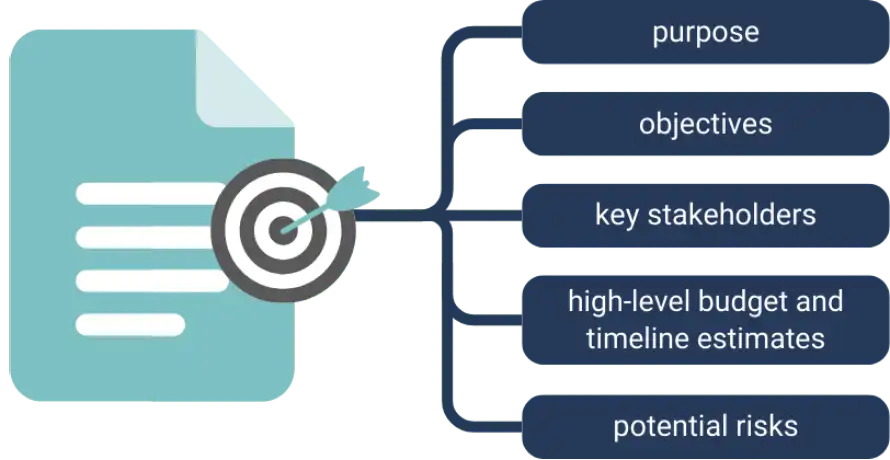
- Initiation SOCIAL RESPONSIBILITY: Identify the project’s goals, scope, and feasibility. Document them in a project charter and identify key stakeholders. Some of the charities we have helped over the years:
- Planning : Plan the project in detail, including the timeline, budget, and resources needed. Communication and risk management strategies should also be developed.
- Execution : Execute the project plan, manage team workflows, and ensure effective communication among stakeholders.
- Monitoring and controlling
Croatia
Cyprus
Czech Republic
DenmarkEstoniaFinlandFranceGermany
- Greece
- Ireland
- Italy
- Latvia
Lithuania
LuxemburgMaltaNetherlandsPoland
- Portugal
- Romania
- Slovakia
Slovenia
SpainSwedenOther countries
| Home | Project Management |
|---|---|
| Project controls | |
| {"@context":"http://schema.org","@type":"BreadcrumbList","itemListElement":[{"@type":"ListItem","position":1,"name":"Home","item":"https://www.knowledgetrain.co.uk/"},{"@type":"ListItem","position":2,"name":"Project Management","item":"https://www.knowledgetrain.co.uk/project-management"},{"@type":"ListItem","position":3,"name":"Project controls","item":"https://www.knowledgetrain.co.uk/project-management/project-controls"}]} | |
| Project controls – your driver to project success | |
| Knowledge Train | 19 Feb 2026 |
- Task Dependencies : Identify and document dependencies between tasks
- Resource Allocation Contents: Allocate resources to tasks efficiently
- Milestones : Define significant points of progress or project phases to be achieved. Contents
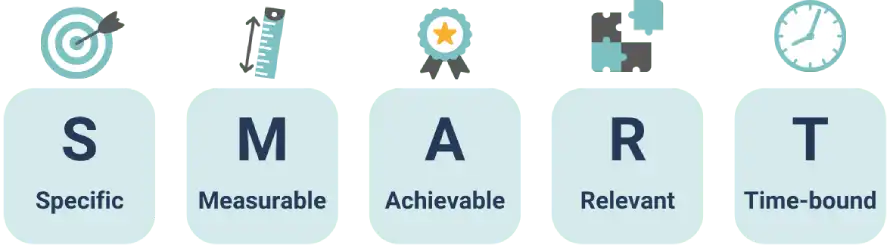
Setting SMART and CLEAR goals
Combine IntroductionSMART (Specific, Measurable, Achievable, Relevant, Time-bound) and Understanding project controls CLEAR (Collaborative, Limited, Emotional, Appreciable, Refinable) goal-setting methods for comprehensive project objectives.Essential project control techniques
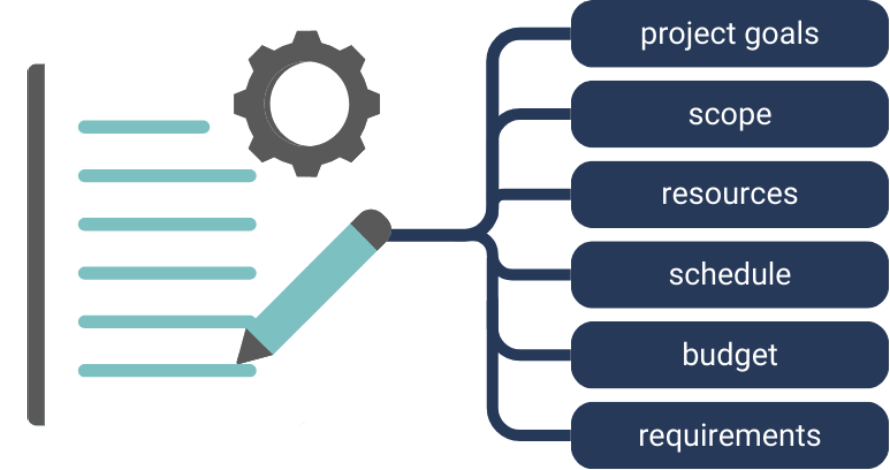
Project plan
In this phase a project plan captures the project goals, scope, resources, schedule, budget, and main requirements for the project. The initial version of the project plan needs to be approved by the project sponsor before proceeding to the next phase and will be updated regularly as the project proceeds.Implementing project controls
Creating a communication planBenefits of effective project controls
Effective communicationProject control tools and software is vital for project success. A comprehensive plan should:
| Key ElementsCareer opportunities in project controls | Description |
|---|---|
| StakeholdersConclusion | Identify all parties involved in communication |
| FrequencyFAQs | Determine how often updates will be shared |
| ChannelsInfographic | Project controls |
| are a crucial part of | project management |
| . They help project teams know and steer the time and cost that go into a project. | Project controls |
can help you:
Stay on scopeAvoid budget overrunsMeet deadlines.
- In this article, we will look at the definition and importance of project controls. We will examine some techniques and implementation approaches. We will see how controls can be beneficial and what their impact is on the success of a project. We will also discuss the tools, software and career opportunities in this field. By the end of this article, you will know how project controls can improve your project management practices.
- Understanding project controls
- Comprehensive definition
- Project controls
are methods and processes that help you collect data, process it and analyse results. They help you predict, understand and positively influence time and cost aspects of a
project. They provide valuable information to make decisions throughout the project lifecycle.
Role within project management
Project controls are the navigational system in project management. They help
project managers
:
Know project status at any timeForecast outcomesSpot deviations from the plan
- Recommend actions to correct the course.
- Key components of project controls
- These are the main components of project controls:
- Planning and scheduling
Cost estimation and control
Risk assessment and managementChange controlPerformance monitoring and reporting.
- Differences between project controls and project management
- While project management is the top level of the project, project controls focus on:Time and cost aspectsData processing and reporting
- Performance measurement
- Predictive modelling.
Project controls provide
project managers with valuable insights and recommendations. This allows
| project managers | to make informed decisions and steer projects towards successful completion. |
|---|---|
| Enhance your skills with our expert-led courses | |
| Instructor-led | Introduction to Project Management course |
| £499 +vat |
4. Project monitoring and controllingThe Learn the fundamentals of artificial intellegence.
Monitoring and controlling involves keeping a check on all activities that are being executed to ensure that they are following the project plan.budget planningAI Project Governance Framework (AIPGF)
Tracking progress against goals process involves estimating and allocating resources for each project phase. Create a detailed budget for the whole project. Include the expected cost of labour, materials and contingencies.Foundation
Effective Cost variance analysisLearn the fundamentals of the governance framework.progress trackingAnalyse Practitioner involves:cost varianceIncludes Foundation & Practitioner combined option.
- Regularly compare actual performance to planned objectives regularly to compare actual spend to the planned budget. This will allow you to identify and correct any discrepancies in time.Workshops
- Identify variances and their causesRisk managementAI in Project Management
- Take corrective action to address any deviations from the planRisk identificationLearn how to use AI tools in everyday project work.
- Update stakeholders on the project’s status and any major changes.Do a thorough AGILE
Establishing Critical Success Factors (CSF) and Key Performance Indicators (KPI)riskAgilePM
CSFs ® and identification – Agile Project ManagementKPIs session to find threats to the success of the project. Involve people from all project disciplines to ensure that you cover all risks.Foundation are essential for measuring project success:Mitigation strategiesLearn the key principles of Agile Project Management.
| MetricCreate Practitioner | Descriptionmitigation strategiesIncludes Foundation & Practitioner combined option. |
|---|---|
| CSFs for identified risks. Prioritise risks according to their potential impact and likelihood. Develop action plans to manage them.PRINCE2 | High-level goals that must be achieved for project successChange control® |
| KPIsScope management Agile | Quantifiable measurements that indicate progress towards CSFsEstablish Foundation |
You can follow these best practices to implement effective progress tracking strategies; first, you must identify CSFs that are aligned with your project goals. Once you have identified CSFs develop KPIs for each CSF that can effectively track the progress towards them and periodically review and update your KPIs as the project progresses.scopeLearn the fundamentals of the PRINCE2 Agile method.
Managing budget and resources Practitioner
To manage budget and resources effectively, it is important to track spending against budget, monitor resource allocation to ensure they are being used efficiently, identify potential resource bottlenecks or shortages early on and implement cost-saving measures where necessary.managementIncludes Foundation & Practitioner combined option.
Adjusting plans as necessary processes to avoid unauthorised changes. Define project boundaries and deliverables in the planning phase.Scrum
Project plans may need to be adjusted to overcome unforeseen obstacles, to do this effectively, regularly review the project to identify areas that may need to be changed, evaluate the potential impact of proposed changes on the project scope, timeline and budget, communicate any changes to all relevant stakeholders and update project documentation to reflect approved changes.Change request processesScrum Essentials
By carefully monitoring and controlling these aspects, project managers can ensure their projects stay on track and adapt to changes as needed.Establish Self-paced training course to learn the essentials of Scrum.
5. Project closingchange request processesScrum Master
Project closing is the phase that formally completes the to evaluate and approve needed changes. Ensure that all changes are reviewed, documented and executed.Choose Scrum Alliance or Scrum.org Scrum Master training courses.projectPerformance managementScrum Product Owner . It’s when you finalise project deliverables, review performance, and document learnings for future reference.Key Performance Indicators (KPIs)Choose Scrum Alliance or Scrum.org Product Owner training courses.
Delivering final project outcomesDefine relevant AgileBA
Final deliveryKPIs® involves: to measure the progress and success of your project. Track these KPIs regularly to see how your project is doing. Use them to spot any areas that need improvement. – Agile Business Analysis
- Validating that all project deliverables meet the agreed-upon specificationsEarned Value Management (EVM)Foundation
- Seeking formal acceptance from stakeholdersApply Learn the fundamentals of Agile Business Analysis.
- Transferring project outputs to the relevant teams or clientsEarned Value ManagementPractitioner
- Closing any remaining contracts or agreements. (EVM) techniques to measure project performance objectively. This method integrates scope, schedule and cost metrics to provide an overview of project status.4-day course including Foundation.
Conducting project review meetingsImplementing project controlsLean Six Sigma
Project Project planning phaseYellow Belt review meetingsEstablishing baselinesSelf-paced training course to gain LSS Yellow Belt. allow you to assess how well the project has performed:Start with establishing PMI
- Convene all key stakeholders to review the project’s outcomesproject®
- Assess the project’s success against the initial goals PMI-ACP
- Identify areas of excellence and opportunities for improvementbaselinesSelf-paced course to prepare you for the exam (exam not included).
- Seek feedback from team members and stakeholders.Kanban for scope, schedule and budget. These are the starting points of the project. They will be used to measure progress throughout the project lifecycle. Ensure that all stakeholders agree on the project baselines before moving forward.
Documenting lessons learntEstimating for Agile FoundationDefining roles and responsibilities
Capturing Agile Learning Library (ALL)™Define lessons learntBUSINESS ANALYSISroles and responsibilitiesBCS Business Analysis
| Business Analysis Foundation | Learn the fundamentals of business analysis. |
|---|---|
| Modelling Business Processes | Gain practitioner certificate in modelling business processes. |
| Business Analysis Practices | Gain practitioner certificate in business analysis practices. |
| Requirements Engineering | Gain practitioner certificate in requirements engineering. |
Business Analysis International Diploma
All 4 courses bundled into this Diploma certification package.AgileBA® – Agile Business Analysis
Foundation training
Learn the fundamentals of Agile Business Analysis.
Practitioner
4-day course including Foundation.
PMI®PMI-PBA
- Self-paced course to prepare you for the exam (exam not included).
- Business Analysis Learning Library (BALL)™
- CHANGE MANAGEMENT
- APMG Change Management
Foundation
Learn the fundamentals of enterprise change management.Practitioner
| Includes Foundation & Practitioner combined option. | PROGRAMME MANAGEMENT |
|---|---|
| MSP | ® |
| Foundation | Learn the fundamentals of programme management. |
| Practitioner | Includes Foundation & Practitioner combined option. |
| INFORMATION TECHNOLOGY (IT) | ITIL |
®
Foundation Learn the fundamentals of ITIL service management.
- Strategist DPI
- 3-day ITIL Strategist: Direct, Plan & Improve (DPI) course.
- Specialist: DSV
- 3-day ITIL Specialist: Drive Stakeholder Value (DSV) course.
status of the project, problems, and achievements. Thus, the project controls can increase trust and alignment among the stakeholders.Project control tools and softwarePopular project management tools
You can use project management platforms to run your projects. Most of them provide project controls as a part of their functionality. You can use Microsoft Project, Asana, and Jira to schedule the project, allocate resources, and track the progress. Moreover, these tools can provide you with customisable dashboards to monitor critical metrics.
FAQsHere are the skills and qualifications you need to have to work in project controls:Select your preferred training course below:
What is the most crucial phase of project management?Problem-solving and analytical skills
The planning phase is arguably the most important phase of project management. This is when you set your goals, resources, and timelines.Proficiency in PRINCE2 AGILE COURSES
How can I prevent scope creep in my projects?project management softwareSelect your preferred training course below:
To avoid scope creep, be sure to clearly define the boundaries of your project, implement a change control process, and regularly review the project scope with stakeholders.Strong communication skills
What’s the difference between traditional and Agile project management?CertificationsSCRUM COURSES
The key difference between traditional and Agile project management is the approach to the development process. Traditional project management is more linear and sequential. Agile methodologies focus on flexibility, iterative development, and continuous stakeholder feedback. (PMP, CCP).Select your preferred training course below:
How often should I conduct project status meetings?Career progression paths
The frequency of project status meetings will vary depending on the complexity and duration of your project. Weekly meetings are the norm, but you can adjust as needed to find a balance between communication and productivity.With experience, you can advance your career to become a Project Control Manager or Director of Project Controls. You can also work as a senior project manager and oversee multiple AGILE BUSINESS ANALYSIS COURSES
What are some common project management pitfalls to avoid?projectsSelect your preferred training course below:
Some common project management mistakes to avoid include inadequate stakeholder communication, poor risk management, setting unrealistic timelines or budgets, lack of clear objectives, and insufficient resource allocation. or a
To avoid these mistakes, it is important to carefully plan, monitor, and proactively solve problems throughout the project lifecycle.programBUSINESS ANALYSIS QUALIFICATIONS
Infographic.Select your preferred qualification.
