

Building project management capability is a long-term benefit that creates a culture of continuous improvement, develops a pool of skilled project managers , and enables the organisation to tackle more complex initiatives.
These intangible benefits significantly contribute to a positive organisational culture and long-term success, enabling a growth-oriented, collaborative, and excellent work environment.
Implementing project managementGive us a call
Successful implementation of project management requires careful planning and consideration of a few factors.
Choosing the right methodology
The choice of an appropriate project management methodology is crucial for project success. Traditional methodologies, such as +44 (0)207 148 5985 Waterfall , provide a structured, linear progression through project phases. These methodologies work best in projects with clear requirements and limited changes.Or chat with us using the link at the bottom of the screen.
On the other hand, Contact us with questions about the courses on this page, or about which project management certification or training is best for you. AgileFinance FAQs methodologies focus on flexibility and iterative development. They are more suitable for projects with evolving requirements or unknown outcomes.Contact
Organisations should customise their chosen methodology to their specific needs. It involves analysis of project types, team dynamics, and organisational culture. A hybrid approach, combining elements of different methodologies, might be suitable for some organisations.Cookies
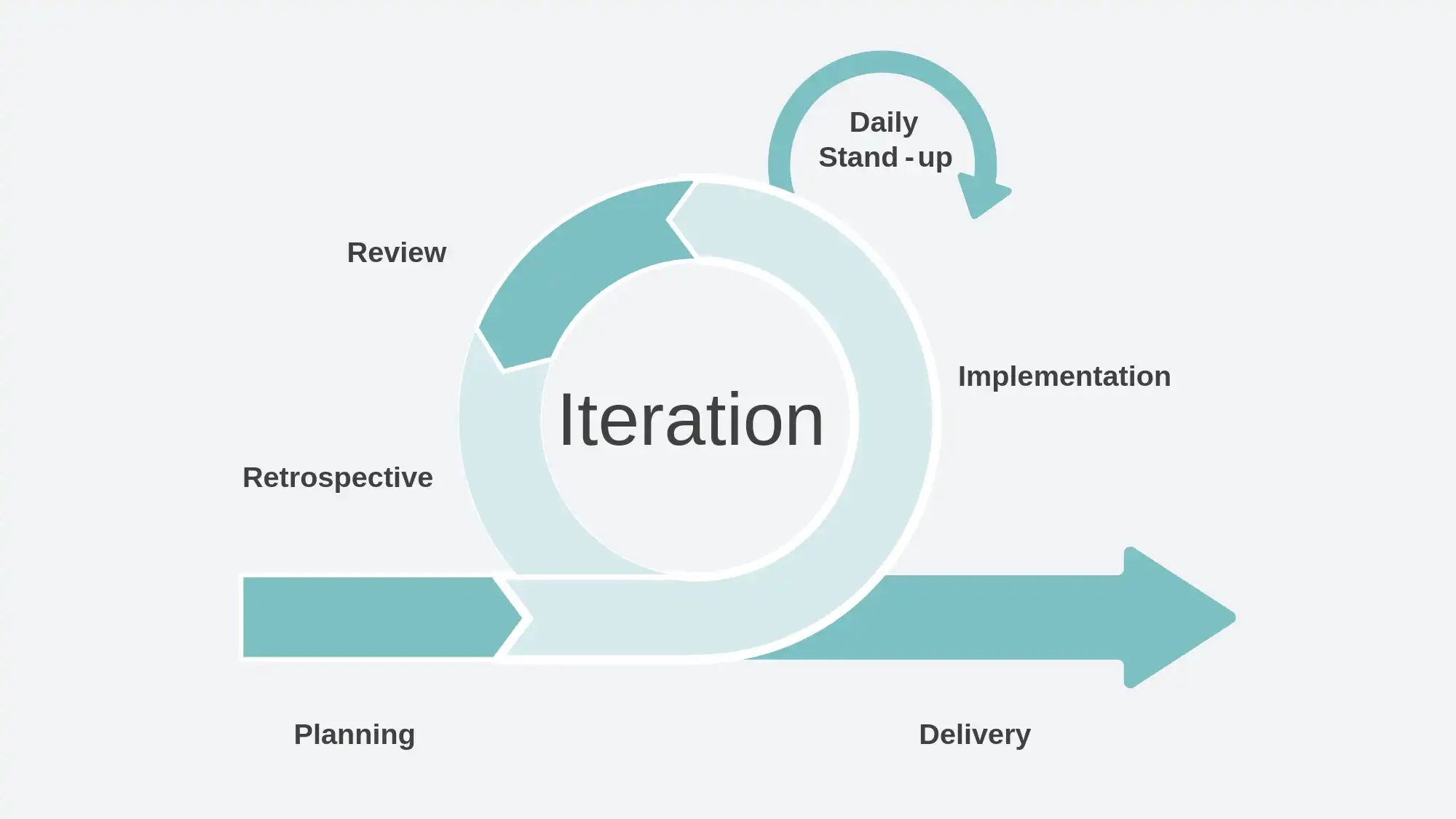
Privacy Agile methodTerms
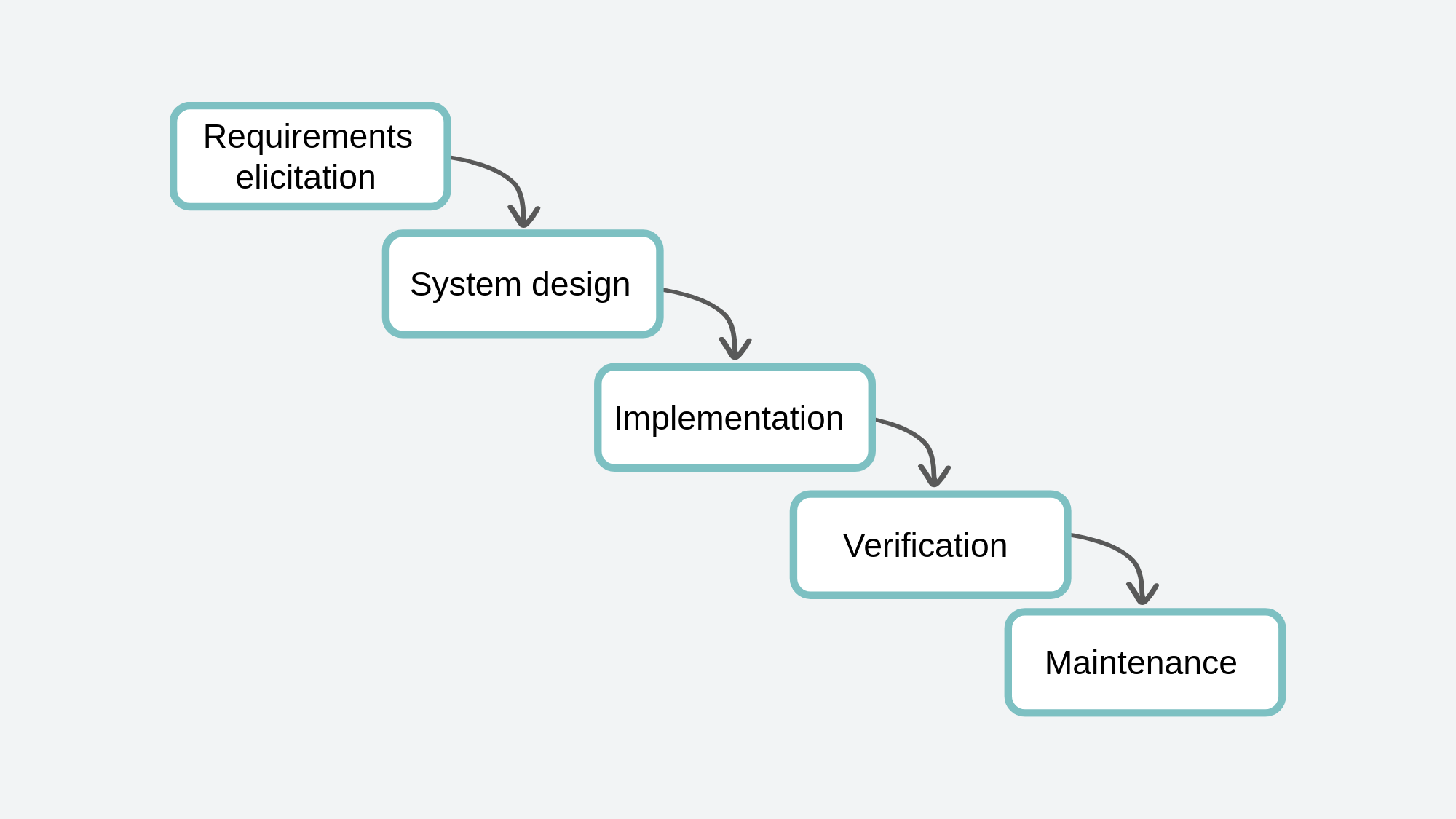
Customer Support
Join Our Team
[email protected] Copyright © 2005-2026 Knowledge Train Limited.
Registered in UK: 5566983.
Registered VAT: GB872413526.
Knowledge Train® is a registered trademark of Knowledge Train Limited. 20 Old Bailey, London, EC4M 7AN, England, United Kingdom. Knowledge Train are experts in project management, PRINCE2, agile and change management training and certification. Choose from a full range of instructor-led and self-paced project management courses, a PRINCE2 course
, or an agile project management course to boost your career. project management processesPRINCE2 keep up with industry trends and organisational needs.®
By considering these factors carefully, organisations can create a solid , MSP project management framework® for success and growth., ITIL
Overcoming common challenges®
There are many challenges that organisations face when implementing project management., P3O
- One common challenge is ® resistance to change, PRINCE2 , as staff may be reluctant to adopt new methodologies. To overcome this, organisations should communicate the benefits of project management and involve staff in the implementation process.®
- Another challenge is Agile, RESILIA resource constraints® . Limited budgets or staff may prevent organisations from adopting comprehensive tools or training programmes. Prioritising key components and implementing changes incrementally can help address this issue., and the Swirl logo are registered trademarks of the PeopleCert group. Used under licence from PeopleCert. All rights reserved. AgilePM
- Finally, finding the right ® balance between rigour and flexibility and AgileBA is critical for effective project management. Too much rigidity can stifle creativity and flexibility, while too little structure can lead to chaos. Organisations should aim for a middle ground, establishing core processes while allowing for adjustments based on the needs of each project.®
By acknowledging and addressing these challenges, organisations can navigate the transition to effective are registered trademarks of Agile Business Consortium Limited. All rights reserved. The APMG International AgilePM and Swirl Device logo, APMG International AgileBA and Swirl Device Logo, APMG International Change Management and APMG International Better Business Cases and Swirl Device logo are trademarks of The APM Group Limited, used under permission of The APM Group Limited. All rights reserved. Better Business Cases™ is a trademark of Her Majesty’s Treasury. All rights reserved. DevOps Foundation project management practices® and reap the associated benefits. is a registered mark of the DevOps Institute. “PMI”, “PMBOK
Conclusion
Project management offers numerous benefits to organisations, including improved decision-making, increased efficiency, and improved project success rates. These benefits translate into tangible impacts such as cost savings, productivity gains, and quality improvements. Less tangible benefits include enhanced morale and knowledge sharing, which contribute to a positive organisational culture.
While implementing project management practices may be challenging, the benefits far outweigh the initial hurdles. By carefully selecting methodologies, tools, and training programmesManage Consent , organisations can customise their approach to suit their needs. We encourage businesses of all sizes to embrace project management principlesTo provide the best experiences, we use technologies like cookies to store and/or access device information. Consenting to these technologies will allow us to process data such as browsing behavior or unique IDs on this site. Not consenting or withdrawing consent, may adversely affect certain features and functions. , as they provide a strong framework for achieving strategic goals and long-term success.
FAQs
What is the difference between project management and general management?
Project management is focused on temporary projects with specific goals and deadlines. General management involves ongoing operations and broader organisational oversight. Project managersFunctional manage resources for specific goals, while general managers oversee daily business operations.
How can small businesses benefit from project management?
Small businesses can improve efficiency, save money, and enhance customer satisfaction through project management. It helps to prioritise tasks, manage resources effectively, and deliver products or services on time. Project management also supports growth by providing a structured approach to new initiatives.
What are the essential skills for effective project managers?
Key skills include communication, leadership, problem-solving, and time management. Technical knowledge, risk management skills, and adaptability are also important. Successful project managers are skilled at managing stakeholders and possess strong analytical and organisational skills.Functional
How does project management contribute to risk mitigation?
Project management includes risk assessment and mitigation. It identifies potential risks early on, develops contingency plans, and monitors risks throughout the project life cycle. This approach reduces the impact of unforeseen events on project outcomes. Always active
Can project management principles be applied to non-traditional industries?
Yes, project management principles can be applied to various industries. Industries such as healthcare, education, and creative fields can adapt project management methodologies to improve processes and outcomes.
What are the key metrics for measuring project management success?
Key metrics include on-time delivery, adherence to budget, scope fulfilment, and stakeholder satisfaction. Quality metrics, team productivity, and return on investment are also valuable measures of project management success.
How often should project management processes be reviewed and updated?The technical storage or access is strictly necessary for the legitimate purpose of enabling the use of a specific service explicitly requested by the subscriber or user, or for the sole purpose of carrying out the transmission of a communication over an electronic communications network.
Processes should be reviewed regularly, typically annually or bi-annually. Organisations should also review processes after significant projects or changes in the market. Continual improvement ensures that project management processes are aligned with business goals and industry standards.
Infographic
