

Intangible benefits and organisational cultureMonitoring and controlling
Closingproject management: Finalising all activities, handing over deliverables to the user/customer, releasing resources, and capturing provides significant intangible benefits that enhance organisational culture and performance.lessons learned
Enhanced team morale and collaboration.
Clear communication and expectations are key elements of effective project management. It reduces misunderstandings and conflicts, creates a sense of purpose for team members, and fosters a collaborative work environment.Project management methodologies & frameworks
The structured approach of project management often leads to improved job satisfaction. Team members benefit from clear roles and responsibilities, opportunities for skill development, and recognition of individual and team achievements.Multiple methodologies and models structure how
Improved customer satisfactionprojects
Project management facilitates better alignment with customer needs by engaging stakeholders regularly, implementing iterative feedback loops, and being flexible to respond to changing requirements. Customers also appreciate predictable and reliable deliverables from consistent are managed:project management methodologiesAgile methodology, transparent progress reporting, and proactive : risk managementAgile. is an iterative, flexible approach emphasising collaboration, adaptability and rapid delivery; commonly used in software development and rapidly changing environments. Popular Agile frameworks such as
Knowledge sharing and continuous improvementScrum
Project management encourages capturing and sharing are used by teams to deliver the products specified by the customer.lessons learnedWaterfall model and best practices. It prevents repeated mistakes, improves future project results, and enhances overall organisational efficiency.: A sequential, linear process suited for projects with clear, fixed requirements, such as construction and manufacturing.
Building project management capability is a long-term benefit that creates a culture of continuous improvement, develops a pool of skilled Lean project managementproject managers: Minimises waste and maximises value; ideal for manufacturing, service improvement, and efficiency-focused projects., and enables the organisation to tackle more complex initiatives.Project Management Body of Knowledge (PMBOK)
These intangible benefits significantly contribute to a positive organisational culture and long-term success, enabling a growth-oriented, collaborative, and excellent work environment.: A set of standard terminology and guidelines from the
Implementing project managementProject Management Institute
Successful implementation of project management requires careful planning and consideration of a few factors. that covers all
Choosing the right methodologyproject management processes
The choice of an appropriate project management methodology is crucial for project success. Traditional methodologies, such as .WaterfallPRINCE2, provide a structured, linear progression through project phases. These methodologies work best in projects with clear requirements and limited changes.: A highly structured methodology focussed on business justification, clear organisation and divided into manageable stages; widely adopted by UK public sector and internationally.
On the other hand, Project roles and responsibilitiesAgileProjects rely on well-defined roles and accountability: methodologies focus on flexibility and iterative development. They are more suitable for projects with evolving requirements or unknown outcomes.Project manager
Organisations should customise their chosen methodology to their specific needs. It involves analysis of project types, team dynamics, and organisational culture. A hybrid approach, combining elements of different methodologies, might be suitable for some organisations.: Oversees planning, execution, monitoring, control and closing; manages risks, stakeholders, schedule, and budget.
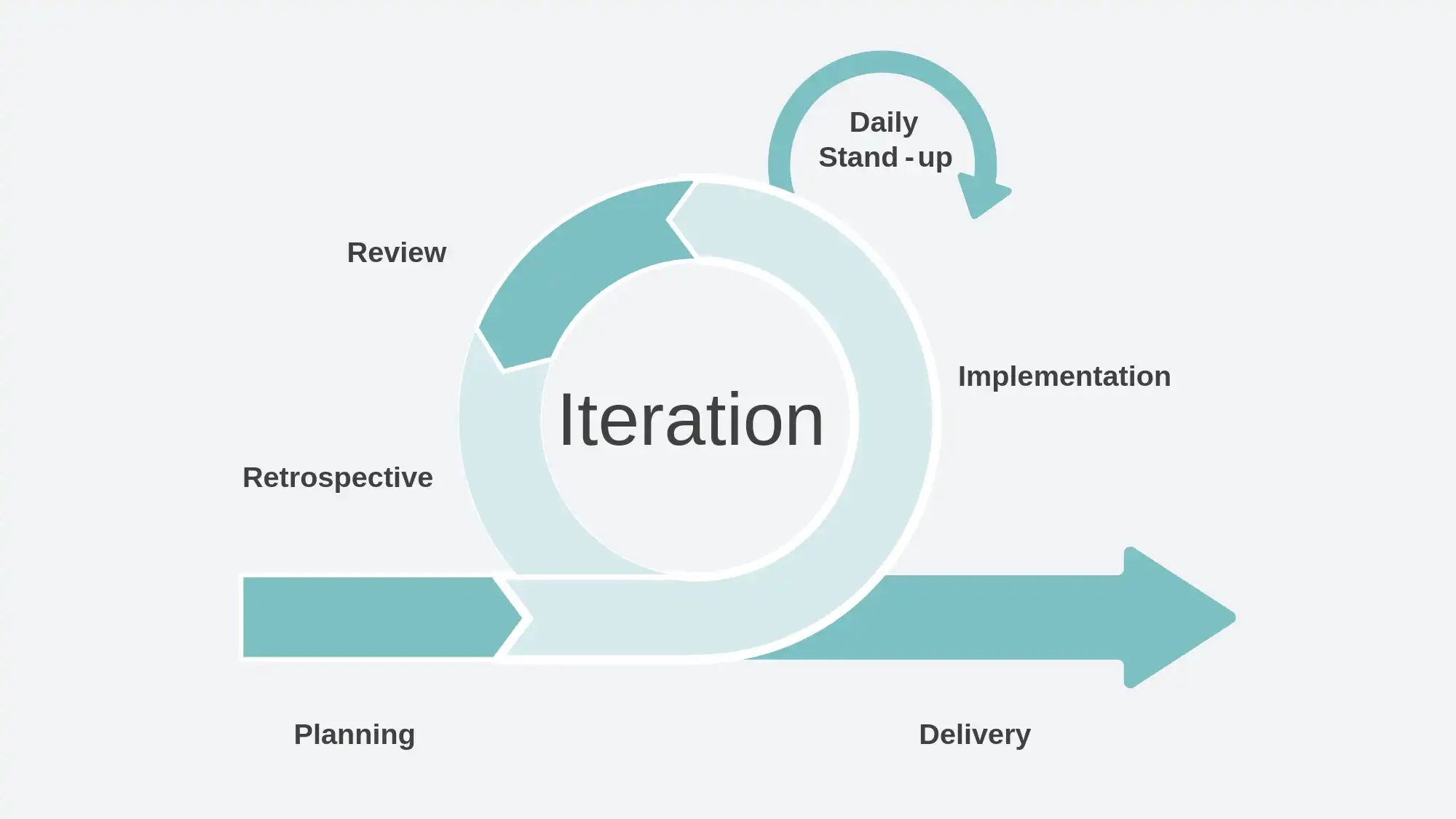
StakeholdersAgile method: Individuals or groups affected by the project or who can impact its outcome, such as clients, suppliers, and team members.
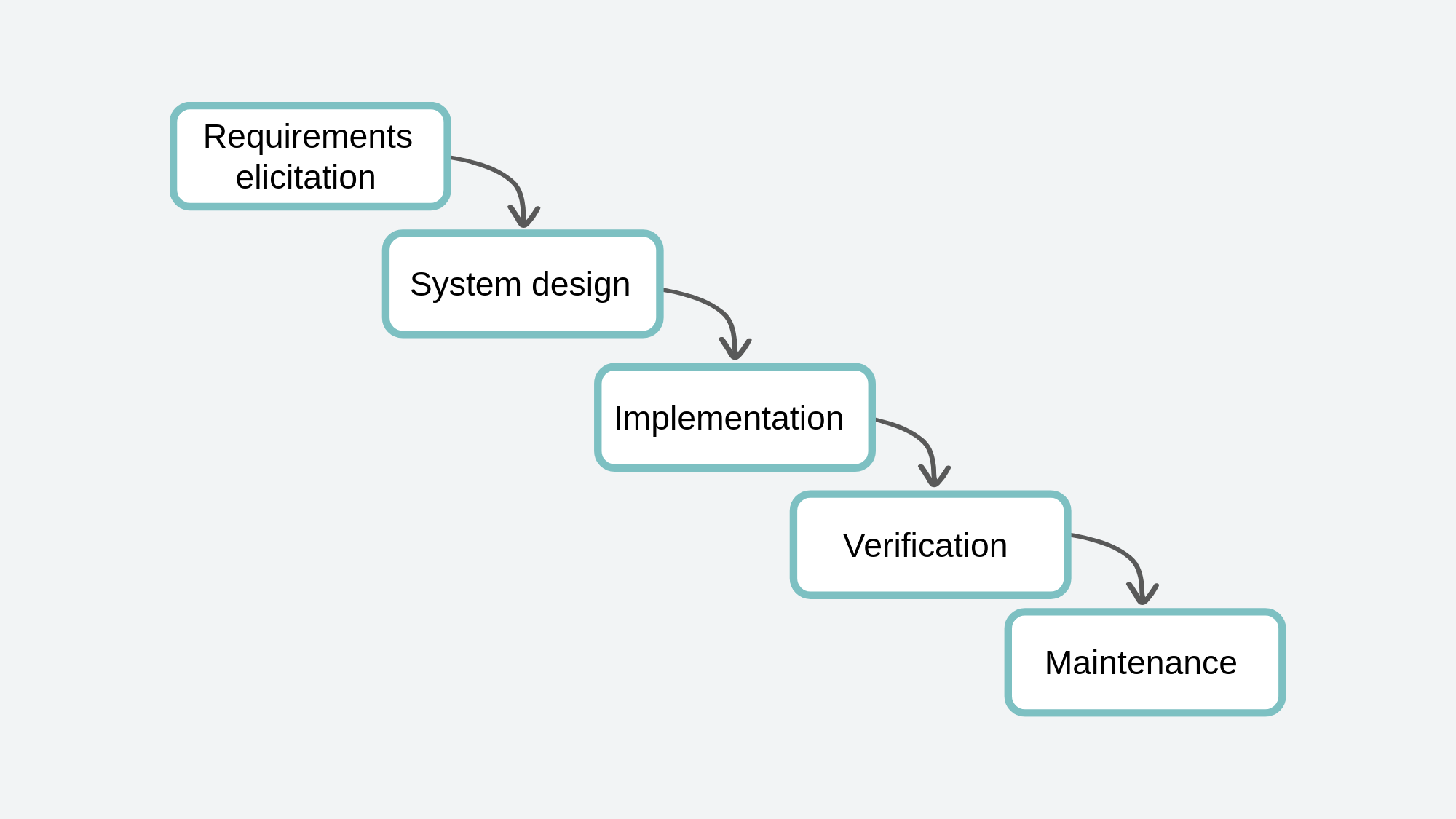
Project teamWaterfall method: Specialists responsible for delivering project tasks and deliverables.
Tools and technologyProject sponsor
Selecting the right : Provides financial resources and strategic guidance.softwareProject board/steering committee is critical to successful implementation. Modern options offer features such as task tracking, resource management, and real-time collaboration. Key factors to consider include ease of use, scalability, and integration.: High-level governance and decision making.
Integration with existing systems is vital for a smooth transition. Choose tools that can integrate with current enterprise software, such as CRM or ERP. This will ensure data flow and avoid double data entry.Effective stakeholder management and clear team communication are essential for project success. The project manager must align interests, resolve conflicts, and support collaborative team dynamics.
Training and skill developmentEssential project management skills
CertificationsThe such as PMP (skills required by project managersProject Management Professional are varied.) or SkillPRINCE2Description can significantly enhance team skills. They provide a strong foundation in Leadershipproject management principlesInspiring and guiding teams towards common goals. and best practices.Communication
However, certification alone is not enough. Organisations should create ongoing learning and development Conveying information clearly among stakeholders and team members.programmesRisk management. This could include internal workshops, mentoring programmes, and attendance at industry conferences. Continual development ensures that Identifying, analysing, and mitigating risks.project management processesScheduling keep up with industry trends and organisational needs.Planning timelines and managing deadlines using tools like Gantt charts and CPM.
By considering these factors carefully, organisations can create a solid Budgetingproject management frameworkEstimating, allocating, and controlling project finances. for success and growth.Scope management
Overcoming common challengesDefining and controlling what is included and excluded in the project.
There are many challenges that organisations face when implementing project management.Resource allocation
- One common challenge is Assigning people, equipment and budget where needed.resistance to changeProblem solving, as staff may be reluctant to adopt new methodologies. To overcome this, organisations should communicate the benefits of project management and involve staff in the implementation process.Overcoming obstacles and finding effective solutions.
- Another challenge is Negotiationresource constraintsReaching agreement among parties to resolve issues.. Limited budgets or staff may prevent organisations from adopting comprehensive tools or training programmes. Prioritising key components and implementing changes incrementally can help address this issue.Critical thinking
- Finally, finding the right Evaluating situations and implications for decision making.balance between rigour and flexibilityProject management tools & techniques is critical for effective project management. Too much rigidity can stifle creativity and flexibility, while too little structure can lead to chaos. Organisations should aim for a middle ground, establishing core processes while allowing for adjustments based on the needs of each project.Project management software
By acknowledging and addressing these challenges, organisations can navigate the transition to effective : (e.g., Microsoft Project, Asana, Trello) aids collaboration, scheduling, task assignment, budgeting, and document management.project management practicesGantt chart and reap the associated benefits.: Visual timeline for planning and tracking progress.
ConclusionPRINCE2
Project management: Process-based methodology emphasising control and organisation. offers numerous benefits to organisations, including improved decision-making, increased efficiency, and improved project success rates. These benefits translate into tangible impacts such as cost savings, productivity gains, and quality improvements. Less tangible benefits include enhanced morale and knowledge sharing, which contribute to a positive organisational culture.Best practices
While implementing project management practices may be challenging, the benefits far outweigh the initial hurdles. By carefully selecting methodologies, tools, and training : Align with global standards, stakeholder engagement, clear documentation, regular reviews, and continuous improvement.programmesRefer to the , organisations can customise their approach to suit their needs. We encourage businesses of all sizes to embrace Project Management Instituteproject management principles and , as they provide a strong framework for achieving strategic goals and long-term success.other authoritative sources
FAQs for further study.
What is the difference between project management and general management?Project management certifications
Project management is focused on temporary projects with specific goals and deadlines. General management involves ongoing operations and broader organisational oversight. Professional Project managerscertifications manage resources for specific goals, while general managers oversee daily business operations. validate project management knowledge and competence:
How can small businesses benefit from project management?PMP
Small businesses can improve efficiency, save money, and enhance customer satisfaction through project management. It helps to prioritise tasks, manage resources effectively, and deliver products or services on time. Project management also supports growth by providing a structured approach to new initiatives. (Project Management Professional),
What are the essential skills for effective project managers?CAPM
Key skills include communication, leadership, problem-solving, and time management. Technical knowledge, risk management skills, and adaptability are also important. Successful project managers are skilled at managing stakeholders and possess strong analytical and organisational skills. (Certified Associate in Project Management) from
How does project management contribute to risk mitigation?PMI
Project management includes risk assessment and mitigation. It identifies potential risks early on, develops contingency plans, and monitors risks throughout the project life cycle. This approach reduces the impact of unforeseen events on project outcomes.Foundation
Can project management principles be applied to non-traditional industries? and
Yes, project management principles can be applied to various industries. Industries such as healthcare, education, and creative fields can adapt Practitionerproject management methodologies level to improve processes and outcomes.PRINCE2 certifications
What are the key metrics for measuring project management success? and
Key metrics include on-time delivery, adherence to budget, scope fulfilment, and stakeholder satisfaction. Quality metrics, team productivity, and return on investment are also valuable measures of project management success.PRINCE2 Agile certifications
How often should project management processes be reviewed and updated?.
Processes should be reviewed regularly, typically annually or bi-annually. Organisations should also review processes after significant Foundationprojects and or changes in the market. Continual improvement ensures that project management processes are aligned with business goals and industry standards.Practitioner
Infographic level
