What is a Project Management Office (PMO)?Knowledge Train

Key takeawaysClear roles, accountability, and stakeholder communication improve decision-making and reduce conflict.
A PMO improves delivery by combining governance, support, and portfolio visibility.Structured planning and sequencing cut waste, optimise resources, and improve budget control.
- A PMO sets standards and decision controls so projects stay aligned to business strategy and risk is managed early.Regular monitoring and quality standards increase on-time delivery and reduce errors and rework.
- Supportive, controlling, and directive PMOs differ mainly by authority, from guidance to direct ownership of delivery outcomes.Better risk management and realistic estimating strengthen ROI and limit scope creep.
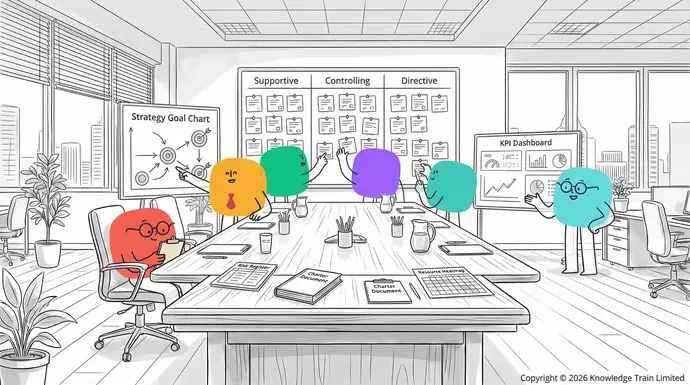
PMO definition.
A Project Management Office (PMO) is an organisational structure that defines and maintains project management standards, supports project teams, and ensures alignment with business objectives. PMOs play a crucial role in enabling successful project, programme and By focusing on these core benefits, organisations can significantly improve their project results, leading to improved performance and competitiveness in their respective markets.portfolio managementTangible impacts on business performance by offering governance, methodology, resource management and oversight.Implementing effective
The concept of a PMO has evolved as organisations recognise the need for a dedicated group to enhance consistency, optimise resources, and improve project management practicesproject delivery provides tangible benefits for organisations across various aspects of their operations. outcomes. PMOs may operate at the project, programme, or portfolio level and are commonly found in sectors such as Cost savings and financial benefitsITReduced waste and overruns are major benefits of project management. By implementing robust planning and control measures, organisations can avoid unnecessary expenditures, prevent scope creep, and identify potential cost overruns in advance., government, construction, and finance.Project management also leads to improved ROI on
PMO functions and rolesprojects
- Providing guidance, templates, tools, training and mentoring for Project Managers and teams.Project management frameworks
- Methodology Enforcement: provide clear quality standards and expectations, consistent methodologies across projects, and improved communication and collaboration.
- project delivery processes to ensure continuous improvement.
- Stakeholder Engagement: Acting as an interface between project teams, senior management, and other stakeholders.Self-paced
- Change ManagementPRINCE2 Agile Practitioner (with Foundation) self-paced online: Supporting change initiatives and minimising resistance through structured strategies.£1,399 +vat
Types of PMOs
PMOs are not one-size-fits-all. Their structure, authority and level of influence can vary significantly. The three primary PMO types are:
- Supportive PMO: Provides consultative services, best practices, templates, and guidance. Has low control and operates as a resource for Project Managers.Self-paced
- Controlling PMO:AgilePM Practitioner (with Foundation) self-paced online Requires compliance with project management£1,299 +vat standards and methodologies. Has moderate control—enforces processes and reviews adherence.Intangible benefits and organisational culture
- Directive PMO:While tangible benefits are easy to measure, Directly manages projects and assigns Project Managers. Exercises high control and is responsible for project managementproject delivery provides significant intangible benefits that enhance organisational culture and performance. and outcomes.Enhanced team morale and collaboration
Organisations may adapt their PMO model based on size, maturity, and strategic needs. A PMO may evolve from supportive to controlling or directive as project management capability matures.Clear communication and expectations are key elements of effective project management. It reduces misunderstandings and conflicts, creates a sense of purpose for team members, and fosters a collaborative work environment.
PMO best practicesThe structured approach of project management often leads to improved job satisfaction. Team members benefit from clear roles and responsibilities, opportunities for skill development, and recognition of individual and team achievements.
Implementing a PMO involves defining objectives, selecting the right PMO type, securing stakeholder support, setting up governance structures, and continuously reviewing processes. Best practices for successful PMO implementation include:Improved customer satisfaction
- Aligning PMO objectives with organisational strategy.Project management facilitates better alignment with customer needs by engaging stakeholders regularly, implementing iterative feedback loops, and being flexible to respond to changing requirements. Customers also appreciate predictable and reliable deliverables from consistent
- Engaging stakeholders and securing executive sponsorship.project management methodologies
- Adopting recognised standards and methodologies (such as those from , transparent progress reporting, and proactive PMIrisk management)..
- Investing in PMO tools for tracking, reporting, and collaboration.Knowledge sharing and continuous improvement
- Developing competency through PMO certification and staff training.Project management encourages capturing and sharing
- Emphasising process improvement and lessons learnedchange management and best practices. It prevents repeated mistakes, improves future project results, and enhances overall organisational efficiency..Building project management capability is a long-term benefit that creates a culture of continuous improvement, develops a pool of skilled
PMO certification & standardsproject managers
Professional recognition is available for PMO practitioners through PMO certification programmes. The Project Management Institute (PMI), a leading standards organisation, offers certifications such as the , and enables the organisation to tackle more complex initiatives.Project Management ProfessionalThese intangible benefits significantly contribute to a positive organisational culture and long-term success, enabling a growth-oriented, collaborative, and excellent work environment. (PMP) and Certified Associate in Project Management (CAPM). PMO-specific certifications such as the PMO-CP (PMO Certified Practitioner) are also available.Implementing project management
CertificationsSuccessful implementation of project management requires careful planning and consideration of a few factors. validate competency in project, programme, and portfolio management, enhancing PMO effectiveness and credibility. Learn more about certification options on Choosing the right methodologyPMI.orgThe choice of an appropriate project management methodology is crucial for project success. Traditional methodologies, such as .Waterfall
PMO in practice, provide a structured, linear progression through project phases. These methodologies work best in projects with clear requirements and limited changes.
- Corporate IT PMO:On the other hand, A global retailer established an IT PMO to standardise project methodologies across numerous business units, leading to improved delivery times and enhanced resource management.Agile
- Government Programme Office: methodologies focus on flexibility and iterative development. They are more suitable for projects with evolving requirements or unknown outcomes. A government department implemented a controlling PMO to oversee national infrastructure Organisations should customise their chosen methodology to their specific needs. It involves analysis of project types, team dynamics, and organisational culture. A hybrid approach, combining elements of different methodologies, might be suitable for some organisations.programmes . This supported greater transparency, better risk management, and alignment with public policy objectives.Agile method
- Financial services PMO: A bank set up a directive PMO to directly manage regulatory compliance Waterfall methodprojects, centralising project oversight for timely delivery.Tools and technology
PMO vs. project managerSelecting the right
While a softwareProject Manager is critical to successful implementation. Modern options offer features such as task tracking, resource management, and real-time collaboration. Key factors to consider include ease of use, scalability, and integration. is responsible for the planning, execution, and closure of individual projects, the PMO is a broader organisational entity. The PMO sets standards, provides resources and oversight, and may manage a portfolio of projects. In directive PMOs, the Project Manager may report directly to the PMO itself.Integration with existing systems is vital for a smooth transition. Choose tools that can integrate with current enterprise software, such as CRM or ERP. This will ensure data flow and avoid double data entry.
FAQsTraining and skill development
Can a PMO be one person?Certifications
Yes, a such as PMP (Project Management Office (PMO)Project Management Professional can consist of just one person. In smaller organisations or teams, a single PMO professional may handle essential functions such as tracking project performance, standardising documentation, and supporting ) or Project ManagersPRINCE2. can significantly enhance team skills. They provide a strong foundation in
Although capacity is limited, even a one-person PMO can significantly improve project consistency and governance by establishing clear standards and frameworks.project management principles
How does a PMO add value? and best practices.
A However, certification alone is not enough. Organisations should create ongoing learning and development PMOprogrammes adds value by improving project success rates, optimising resource allocation, and ensuring projects align with organisational objectives. It also enhances communication across teams, enforces compliance with methodologies, and provides transparency on project performance through dashboards and reporting.. This could include internal workshops, mentoring programmes, and attendance at industry conferences. Continual development ensures that
Ultimately, a well-functioning PMO ensures that project investments deliver measurable business benefits.project management processes
Is PMO a stressful job? keep up with industry trends and organisational needs.
Whether a By considering these factors carefully, organisations can create a solid PMO roleproject management framework is stressful depends on the organisation’s structure and culture. When supported by leadership and empowered to influence project decisions, PMO professionals typically thrive. However, if the PMO is under-resourced or lacks authority, managing multiple priorities without visible impact can create pressure and stress. for success and growth.
Strong governance, clear goals, and management support help minimise stress and enable PMO teams to work effectively.Overcoming common challenges
What are the 4 P’s of PMO?There are many challenges that organisations face when implementing project management.
The 4 P’s of a One common challenge is PMOresistance to change are , as staff may be reluctant to adopt new methodologies. To overcome this, organisations should communicate the benefits of project management and involve staff in the implementation process.People, Product, Process,Another challenge is and resource constraintsProject. Limited budgets or staff may prevent organisations from adopting comprehensive tools or training programmes. Prioritising key components and implementing changes incrementally can help address this issue.:Finally, finding the right
- People:balance between rigour and flexibility Define clear roles and responsibilities for the is critical for effective project management. Too much rigidity can stifle creativity and flexibility, while too little structure can lead to chaos. Organisations should aim for a middle ground, establishing core processes while allowing for adjustments based on the needs of each project.projectBy acknowledging and addressing these challenges, organisations can navigate the transition to effective team.project management practices
- Product: and reap the associated benefits. Ensure the right deliverables reach the right stakeholders.Enhance your skills with our expert-led courses
- Process: Implement consistent procedures to manage and control delivery.
- Project: Oversee the successful execution of initiatives aligned with strategy.Self-paced
What are the different types of PMOs?APM PFQ blended online
The three main types of PMOs£749 +vat are:
- Supportive PMO: Provides templates, best practices, and guidance to Project Managers.
- Controlling PMO: Enforces standards, methodologies, and reporting requirements.Self-paced
- Directive PMO:PRINCE2 Agile Practitioner (with Foundation) self-paced online Takes direct ownership of project delivery£1,399 +vat and management.
Each type varies in authority and responsibility, depending on organisational needs and project complexity.
What does a PMO do?
A Self-pacedPMOAgilePM Practitioner (with Foundation) self-paced online establishes and maintains project management standards across the organisation. It supports Project Managers£1,299 +vat, ensures project governance, and aligns initiatives with business goals. The PMO often oversees project portfolios to prioritise strategic investments and optimise resource use.Conclusion
What does PMO stand for?Project management
PMO offers numerous benefits to organisations, including improved decision-making, increased efficiency, and improved project success rates. These benefits translate into tangible impacts such as cost savings, productivity gains, and quality improvements. Less tangible benefits include enhanced morale and knowledge sharing, which contribute to a positive organisational culture. stands for While implementing project management practices may be challenging, the benefits far outweigh the initial hurdles. By carefully selecting methodologies, tools, and training Project Management Officeprogrammes. It is an organisational function responsible for standardising governance processes, sharing methodologies, , organisations can customise their approach to suit their needs. We encourage businesses of all sizes to embrace toolsproject management principles, and , as they provide a strong framework for achieving strategic goals and long-term success.techniquesFAQs, and improving overall project success.What is the difference between project management and general management?
A PMO may vary in size—from a single individual to an enterprise-wide team—but its purpose remains the same: to improve project performance and ensure alignment with Project management is focused on temporary projects with specific goals and deadlines. General management involves ongoing operations and broader organisational oversight. business strategyProject managers. manage resources for specific goals, while general managers oversee daily business operations.
What is the difference between a PMO and a Project Manager?How can small businesses benefit from project management?
The difference between a Small businesses can improve efficiency, save money, and enhance customer satisfaction through project management. It helps to prioritise tasks, manage resources effectively, and deliver products or services on time. Project management also supports growth by providing a structured approach to new initiatives.PMOWhat are the essential skills for effective project managers? and a Key skills include communication, leadership, problem-solving, and time management. Technical knowledge, risk management skills, and adaptability are also important. Successful project managers are skilled at managing stakeholders and possess strong analytical and organisational skills.Project ManagerHow does project management contribute to risk mitigation? lies in scope and responsibility. A Project Manager delivers specific Project management includes risk assessment and mitigation. It identifies potential risks early on, develops contingency plans, and monitors risks throughout the project life cycle. This approach reduces the impact of unforeseen events on project outcomes.projectsCan project management principles be applied to non-traditional industries?, managing budgets, timelines, and teams. The PMO, however, provides governance, guidance, and support to multiple projects, ensuring consistency and strategic alignment across the organisation.Yes, project management principles can be applied to various industries. Industries such as healthcare, education, and creative fields can adapt
What is the purpose of a PMO?project management methodologies
The primary purpose of a to improve processes and outcomes.PMOWhat are the key metrics for measuring project management success? is to introduce structure, consistency, and strategic alignment to project management practices. By standardising processes and methodologies, a PMO helps organisations improve project success rates and realise greater value from project investments.Key metrics include on-time delivery, adherence to budget, scope fulfilment, and stakeholder satisfaction. Quality metrics, team productivity, and return on investment are also valuable measures of project management success.
For further readingHow often should project management processes be reviewed and updated?
For official standards and frameworks, visit Processes should be reviewed regularly, typically annually or bi-annually. Organisations should also review processes after significant PMI.orgprojects for comprehensive PMO and project management guidance. or changes in the market. Continual improvement ensures that project management processes are aligned with business goals and industry standards.