
PMO definitionPlanning
A Project Management Office (PMO) is an organisational structure that defines and maintains project management standards, supports project teams, and ensures alignment with business objectives. PMOs play a crucial role in enabling successful project, programme and : Effective project management begins with a well-defined plan. The project manager needs to clearly outline the scope, objectives, and deliverables of the project, as well as the resources and timeline required to achieve them.portfolio managementExecution by offering governance, methodology, resource management and oversight.: The project manager and their team work together to carry out the tasks and activities outlined in the plan. This may involve coordinating with other departments, managing resources, and making decisions to keep the project on track.
The concept of a PMO has evolved as organisations recognise the need for a dedicated group to enhance consistency, optimise resources, and improve Monitoringproject delivery: Project managers need to regularly monitor the progress of the project and track its performance against the plan. This includes identifying and addressing any issues or risks that may arise during the project. outcomes. PMOs may operate at the project, programme, or portfolio level and are commonly found in sectors such as CompletionIT: Finally, once the project is complete, the project manager needs to ensure that the deliverables are handed over to the appropriate parties and that the success of the project is evaluated., government, construction, and finance.Essential project management skills
PMO functions and rolesProblem-solving and strategic planning
PMOs perform a wide range of functions, adapting their roles according to organisational needs. The main functions and roles typically include:: A good project manager is a strong problem solver and can develop effective strategies to overcome any challenges that arise during the project.
- Governance:Leadership and communication Establishing frameworks, processes and controls for effective decision-making and : The project manager should be able to effectively lead their team and communicate with stakeholders to ensure that everyone is on the same page and working towards the same goals.risk managementTechnical expertise across the project lifecycle.: Project managers should have a solid understanding of the technical aspects of their industry, as well as the tools and methodologies used in project management.
- Standardisation:Team and time management Implementing and maintaining : The project manager needs to be able to effectively manage their team and resources to ensure that the project stays on schedule and within budget.project management methodologiesThese are the fundamental elements that every project manager needs to understand and manage to lead successful projects. With the right skills, a project manager can effectively plan, execute, monitor, and complete a project to achieve its goals and objectives., best practices, and standards.Enhance your skills with our expert-led courses
- Support: Providing guidance, templates, tools, training and mentoring for Project Managers and teams.
- Methodology Enforcement: Ensuring consistent application of Self-pacedproject management approachesAPM PFQ blended online for delivery excellence.
- Resource Management:£749 +vat Coordinating allocation and utilisation of project personnel, tools, and budgets.
- Portfolio Management : Overseeing and prioritising Self-pacedprojectsPRINCE2 Agile Practitioner (with Foundation) self-paced online to align with strategic objectives and maximise value.
- Process Improvement:£1,399 +vat Reviewing and refining project delivery processes to ensure continuous improvement.
- Stakeholder Engagement:Self-paced Acting as an interface between project teams, senior management, and other stakeholders.AgilePM Practitioner (with Foundation) self-paced online
- Change Management :£1,299 +vat Supporting change initiatives and minimising resistance through structured strategies.10 real-world project management examples
Types of PMOsProject management is a versatile skill set that can be applied to a wide variety of projects in the real world. Here are ten diverse examples of project management from various industries to demonstrate the broad applicability of this discipline.
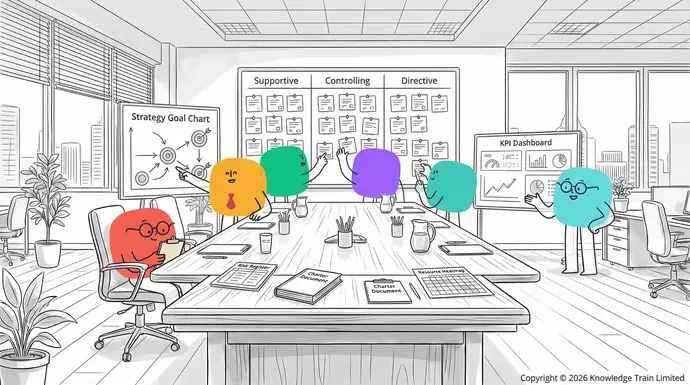
PMOs are not one-size-fits-all. Their structure, authority and level of influence can vary significantly. The three primary PMO types are:1. Organising a fundraiser
- Supportive PMO:Setting goals and budgets Provides consultative services, best practices, templates, and guidance. Has low control and operates as a resource for Project Managers.The
- Controlling PMO:project manager Requires compliance with establishes the fundraiser’s goals and objectives, including the target amount to be raised. They create a budget that includes all expenses associated with the fundraiser, such as venue rental, marketing materials, and refreshments.project managementVolunteer management standards and methodologies. Has moderate control—enforces processes and reviews adherence.The project manager recruits volunteers to assist with the fundraiser. They create a volunteer schedule, assign roles and responsibilities, and provide training and support to ensure that all volunteers understand their tasks and the event’s overall objectives.
- Directive PMO:Event execution and evaluation Directly manages projects and assigns Project Managers. Exercises high control and is responsible for On the day of the event, the project manager ensures that everything runs smoothly. They monitor the event’s progress, address any issues that arise, and ensure that all tasks are completed as planned. After the event, they evaluate its success and document any project deliverylessons learned and outcomes. for future reference.
Organisations may adapt their PMO model based on size, maturity, and strategic needs. A PMO may evolve from supportive to controlling or directive as project management capability matures.
PMO best practices2. Home renovation project
Implementing a PMO involves defining objectives, selecting the right PMO type, securing stakeholder support, setting up governance structures, and continuously reviewing processes. Best practices for successful PMO implementation include:Blueprint creation and permit applications
- Aligning PMO objectives with organisational strategy.The project manager works with the homeowner and architect to develop detailed blueprints for the renovation project. They also navigate the permit application process, ensuring that all necessary permits are obtained before work begins.
- Engaging stakeholders and securing executive sponsorship.Contractor coordination
- Adopting recognised standards and methodologies (such as those from The project manager sources and manages contractors for the renovation project. They vet potential contractors, negotiate contracts, and coordinate their schedules to ensure that the renovation stays on track.PMIBudget and schedule management).The project manager tracks the renovation project’s budget and timeline. They manage cash flow, handle payments, and adjust the timeline as needed to keep the project on track and within budget.
- Investing in PMO tools for tracking, reporting, and collaboration.3. Process improvement innovation
- Developing competency through PMO certification and staff training.Market research and consumer feedback
- Emphasising process improvement and The change managementproject manager. conducts market research to understand the current market landscape and identify potential opportunities for innovation and improvement. They also gather consumer feedback through surveys, focus groups, and other channels to understand their needs and pain points.
PMO certification & standardsSolution brainstorming
Professional recognition is available for PMO practitioners through PMO certification programmes. The Project Management Institute (PMI), a leading standards organisation, offers certifications such as the The project manager leads cross-functional teams in brainstorming and idea generation sessions. They facilitate discussions, help evaluate potential solutions, and narrow down the options based on their feasibility, impact, and alignment with the company’s goals.Project Management ProfessionalImplementation planning (PMP) and Certified Associate in Project Management (CAPM). PMO-specific certifications such as the PMO-CP (PMO Certified Practitioner) are also available.Once a solution has been selected, the project manager develops an implementation plan. They oversee the process, manage resources, and ensure that the new process or product is effectively integrated into the company’s operations.
Certifications4. Business office consolidation validate competency in project, programme, and portfolio management, enhancing PMO effectiveness and credibility. Learn more about certification options on Facility selection and preparationPMI.orgThe project manager assesses the available options for the new office location, considering factors such as size, cost, and location. They coordinate with the facilities team to prepare the chosen location for the move, including any necessary renovations or installations..IT infrastructure management
PMO in practiceThe project manager coordinates the move of IT equipment and data, working with the IT department to plan and execute the transfer. They ensure that all necessary equipment is installed and functional in the new location and that data is safely and securely transferred.
- Corporate IT PMO:Change management and communication A global retailer established an IT PMO to standardise project methodologies across numerous business units, leading to improved delivery times and enhanced resource management.The project manager manages the human side of the office consolidation, developing a communication plan to keep all employees informed of the move’s progress. They address any concerns, manage expectations, and work with human resources and other teams to facilitate a smooth transition for all staff.
- Government Programme Office:5. Website development A government department implemented a controlling PMO to oversee national infrastructure Team coordination (designers, developers, stakeholders)programmesThe project manager assembles and coordinates a team of designers, developers, and stakeholders. They facilitate communication and collaboration between team members to ensure that everyone is aligned on the project goals and their specific roles and responsibilities.. This supported greater transparency, better risk management, and alignment with public policy objectives.Timeline creation and testing
- Financial services PMO:The project manager develops a detailed timeline for the website development process, including key milestones and deadlines. They also coordinate testing phases to ensure that any issues are identified and addressed before the website is launched. A bank set up a directive PMO to directly manage regulatory compliance Contingency planningprojectsThe project manager anticipates potential issues and plans for contingencies to mitigate their impact on the project. This may include budget overruns, delays in content delivery, or technical challenges., centralising project oversight for timely delivery.6. Construction technology innovation
PMO vs. project managerIdentifying industry needs
While a The project manager researches the construction industry to identify current challenges and needs. They consult with industry professionals to understand potential areas for technological innovation.Project ManagerPrototype development is responsible for the planning, execution, and closure of individual projects, the PMO is a broader organisational entity. The PMO sets standards, provides resources and oversight, and may manage a portfolio of projects. In directive PMOs, the Project Manager may report directly to the PMO itself.Collaborating with engineers and designers, the
FAQsproject manager
Can a PMO be one person? oversees the development of prototypes for new construction technology. This includes multiple iterations and refinements based on testing and feedback.
Yes, a Implementation and testingProject Management Office (PMO)The project manager coordinates on-site testing of the new technology in real construction environments. They collect data on its performance, user experience, and areas for improvement. Based on the results, they guide further refinements and modifications before full-scale implementation. can consist of just one person. In smaller organisations or teams, a single PMO professional may handle essential functions such as tracking project performance, standardising documentation, and supporting 7. Remote workingProject ManagersSoftware selection and implementation.The project manager evaluates various collaboration and productivity tools. They select appropriate software solutions and oversee their implementation across the organisation, including training sessions for employees.
Although capacity is limited, even a one-person PMO can significantly improve project consistency and governance by establishing clear standards and frameworks.Cost analysis and projections
How does a PMO add value?A detailed cost analysis is conducted, comparing the expenses associated with remote work setups to traditional office costs. The project manager creates cost-saving proj
A PMO adds value by improving project success rates, optimising resource allocation, and ensuring projects align with organisational objectives. It also enhances communication across teams, enforces compliance with methodologies, and provides transparency on project performance through dashboards and reporting.
Ultimately, a well-functioning PMO ensures that project investments deliver measurable business benefits.
Is PMO a stressful job?
Whether a ections and potential productivity gains.PMO roleEmployee survey and communication is stressful depends on the organisation’s structure and culture. When supported by leadership and empowered to influence project decisions, PMO professionals typically thrive. However, if the PMO is under-resourced or lacks authority, managing multiple priorities without visible impact can create pressure and stress.To ensure a smooth transition to remote work, the project manager conducts surveys to understand employee needs and concerns. They also develop a communication strategy to keep all staff informed about the remote work plan and address any questions or issues.
Strong governance, clear goals, and management support help minimise stress and enable PMO teams to work effectively.8. Deck building
What are the 4 P’s of PMO?Design and material selection
The 4 P’s of a The project manager collaborates with the homeowner and designers to create a deck plan that meets aesthetic and functional requirements. They research and select suitable materials, considering factors like durability, cost, and maintenance needs.PMOPermit acquisition are Navigating local building regulations, the project manager secures all necessary permits for the deck construction. They ensure the design complies with safety standards and zoning requirements.People, Product, Process,Construction management and Throughout the building process, the project manager oversees the construction team. They monitor progress, manage the budget, and address any unforeseen issues that arise during construction.Project9. Product development:Market analysis and concept development
- People:The project manager leads market research efforts to identify consumer needs and preferences. They guide the team through concept development, ensuring the product aligns with market demands and company capabilities. Define clear roles and responsibilities for the Prototype creation and testingprojectOverseeing the creation of product prototypes, the project manager coordinates testing phases. They gather feedback from potential users and stakeholders, using this information to refine the product design. team.Production and launch planning
- Product:As the product nears completion, the project manager develops a production strategy. They coordinate with manufacturing teams, create a launch timeline, and oversee marketing efforts to ensure a successful product introduction. Ensure the right deliverables reach the right stakeholders.10. Customer loyalty programme launch
- Process:Programme design and structure Implement consistent procedures to manage and control delivery.The project manager works with marketing and customer service teams to design an engaging loyalty programme. They define reward structures, membership tiers, and programme rules that align with company objectives and customer preferences.
- Project:Implementation and integration Oversee the successful execution of initiatives aligned with strategy.Coordinating with IT teams, the project manager oversees the integration of the loyalty programme into existing systems. They ensure seamless data flow between the programme and other customer-facing platforms.
What are the different types of PMOs?Monitoring and optimisation
The three main types of After launch, the project manager continuously monitors programme performance. They analyse customer engagement data, gather feedback, and implement improvements to enhance the programme’s effectiveness and customer satisfaction.PMOsProject management methodologies and tools are:Effective project management is grounded in proven methodologies and supported by robust tools. Familiarity with these can greatly improve the success rate of projects.
- Supportive PMO:Popular methodologies Provides templates, best practices, and guidance to Project Managers.Waterfall
- Controlling PMO:: A linear and sequential approach where each phase must be completed before the next begins. Ideal for projects with well-defined requirements and minimal expected changes. Enforces standards, methodologies, and reporting requirements.Agile
- Directive PMO:: A flexible and iterative approach, Takes direct ownership of Agileproject delivery is suited for projects with evolving requirements. It promotes continuous improvement and customer collaboration. and management.Lean
Each type varies in authority and responsibility, depending on organisational needs and project complexity.: Concentrates on maximising value while reducing waste and is popular in manufacturing and software development.
What does a PMO do?Scrum
A : A subset of Agile, PMOScrum establishes and maintains project management standards across the organisation. It supports utilises short, time-boxed iterations known as sprints. Effective for complex projects that need frequent reassessment.Project ManagersSix Sigma, ensures project governance, and aligns initiatives with business goals. The PMO often oversees project portfolios to prioritise strategic investments and optimise resource use.: A data-driven approach aimed at eliminating defects and reducing variability. Commonly used in quality improvement projects.
What does PMO stand for?Essential project management tools
PMOProject management software stands for : Project Management OfficeTools. It is an organisational function responsible for standardising governance processes, sharing methodologies, like Microsoft Project, Asana, and Trello help organise tasks, timelines, and team responsibilities.toolsCommunication tools, and : Platforms such as Slack and Microsoft Teams enable real-time communication and collaboration.techniquesDocument management systems, and improving overall project success.: SharePoint and Google Drive allow for centralised storage and easy access to project documents.
A PMO may vary in size—from a single individual to an enterprise-wide team—but its purpose remains the same: to improve project performance and ensure alignment with Time-tracking softwarebusiness strategy: Harvest and Toggl are useful for monitoring time spent on tasks, aiding in resource allocation and billing..Risk management tools
What is the difference between a PMO and a Project Manager?: Assist in identifying, assessing, and mitigating potential project risks.
The difference between a Selecting the appropriate methodology and tools depends on the project’s nature, team dynamics, and organisational culture. Proficiency in these methodologies and tools is essential for modern PMOproject managers and a to navigate complex projects successfully.Project ManagerEnhance your skills with our expert-led courses lies in scope and responsibility. A Project Manager delivers specific projects , managing budgets, timelines, and teams. The PMO, however, provides governance, guidance, and support to multiple projects, ensuring consistency and strategic alignment across the organisation.
What is the purpose of a PMO?Self-paced
The primary purpose of a APM PFQ blended onlinePMO is to introduce structure, consistency, and strategic alignment to project management practices. By standardising processes and methodologies, a PMO helps organisations improve project success rates and realise greater value from project investments.£749 +vat
For further reading
For official standards and frameworks, visit PMI.org for comprehensive PMO and project management guidance.Self-paced