
PMO definitioniterative
A Project Management Office (PMO) is an organisational structure that defines and maintains project management standards, supports project teams, and ensures alignment with business objectives. PMOs play a crucial role in enabling successful project, programme and . It’s important to be aware of these core strategies when choosing the best approach for your project.portfolio managementLinear (Waterfall) approach by offering governance, methodology, resource management and oversight.Description and key principles
The concept of a PMO has evolved as organisations recognise the need for a dedicated group to enhance consistency, optimise resources, and improve The project deliveryWaterfall outcomes. PMOs may operate at the project, programme, or portfolio level and are commonly found in sectors such as strategy is a linear approach where a project is broken down into distinct phases, and each phase is completed before progressing to the next. Core tenets of this approach include detailed upfront planning, comprehensive documentation at each phase, rigorous change control processes, and a strong emphasis on following the planned path.ITAdvantages and disadvantages, government, construction, and finance.Advantages:
PMO functions and rolesClear structure and defined milestones
PMOs perform a wide range of functions, adapting their roles according to organisational needs. The main functions and roles typically include:Well-defined deliverables
- Governance:Easier costs and timelines estimation. Establishing frameworks, processes and controls for effective decision-making and Disadvantages:risk managementLimited flexibility to accommodate changes across the project lifecycle.Late identification of issues or misalignments
- Standardisation:Potentially longer development cycles. Implementing and maintaining Iterative (Agile) approachproject management methodologiesDescription and key principles, best practices, and standards.Agile
- Support: methodologies, on the other hand, emphasise flexibility, collaboration, and the rapid delivery of working products. Core tenets of Agile approaches include iterative development cycles (known as sprints), continuous feedback and adaptation, close collaboration with stakeholders, and a focus on delivering value early and frequently. Providing guidance, templates, tools, training and mentoring for Project Managers and teams.Advantages and disadvantages
- Methodology Enforcement:Advantages: Ensuring consistent application of Adaptability to changing requirementsproject management approachesEarly and frequent delivery of usable products for delivery excellence.Increased stakeholder satisfaction
- Resource Management:Quicker identification and resolution of issues. Coordinating allocation and utilisation of project personnel, tools, and budgets.Disadvantages:
- Portfolio ManagementRisk of scope creep:Challenges in estimating overall project timelines Overseeing and prioritising Requires highly skilled and self-motivated team members.projectsIt’s worth noting that choosing between linear and iterative strategies depends on several factors, such as project complexity, stakeholder involvement, and the team’s capabilities. Additionally, some to align with strategic objectives and maximise value.projects
- Process Improvement: may benefit from a hybrid approach that combines elements of both strategies to leverage their respective strengths. Reviewing and refining Enhance your skills with our expert-led coursesproject delivery processes to ensure continuous improvement.
- Stakeholder Engagement: Acting as an interface between project teams, senior management, and other stakeholders.Instructor-led
- Change ManagementIntroduction to Project Management course: Supporting change initiatives and minimising resistance through structured strategies.£499 +vat
Types of PMOs
PMOs are not one-size-fits-all. Their structure, authority and level of influence can vary significantly. The three primary PMO types are:See all dates
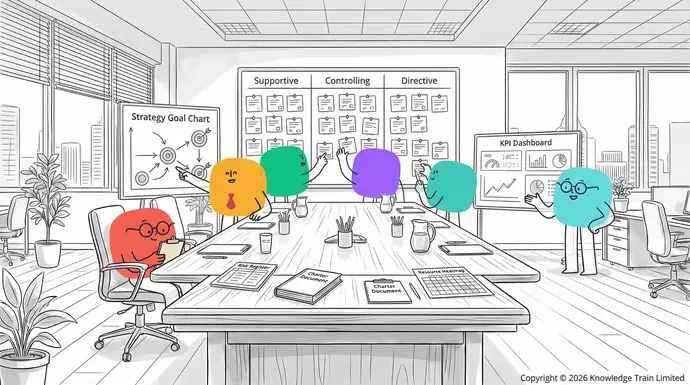
- Supportive PMO: Provides consultative services, best practices, templates, and guidance. Has low control and operates as a resource for Project Managers.
- Controlling PMO: Requires compliance with Instructor-ledproject managementProject Management Essentials standards and methodologies. Has moderate control—enforces processes and reviews adherence.
- Directive PMO:£999 +vat Directly manages projects and assigns Project Managers. Exercises high control and is responsible for project deliverySee all dates and outcomes.Traditional project management methodologies
Organisations may adapt their PMO model based on size, maturity, and strategic needs. A PMO may evolve from supportive to controlling or directive as project management capability matures.In this article, we will dive deep into several traditional
PMO best practicesproject management
Implementing a PMO involves defining objectives, selecting the right PMO type, securing stakeholder support, setting up governance structures, and continuously reviewing processes. Best practices for successful PMO implementation include: methodologies. These have been in use for years, and if you are new to the field or are simply curious to learn more, read on!
- Aligning PMO objectives with organisational strategy.Waterfall
- Engaging stakeholders and securing executive sponsorship.Process and stages
- Adopting recognised standards and methodologies (such as those from WaterfallPMI methodology follows a linear and sequential approach consisting of the following stages:).Requirements gathering
- Investing in PMO tools for tracking, reporting, and collaboration.Design
- Developing competency through PMO certification and staff training.Implementation
- Emphasising process improvement and Testingchange managementDeployment.Maintenance.
PMO certification & standardsEach stage must be completed before proceeding to the next, with an emphasis on documentation and clear milestones.
Professional recognition is available for PMO practitioners through PMO certification programmes. The Project Management Institute (PMI), a leading standards organisation, offers certifications such as the Best use casesProject Management ProfessionalConstruction projects, manufacturing processes, large-scale infrastructure projects and projects with well-defined and stable requirements are particularly suitable for Waterfall. (PMP) and Certified Associate in Project Management (CAPM). PMO-specific certifications such as the PMO-CP (PMO Certified Practitioner) are also available.Pros and cons
CertificationsPros: validate competency in project, programme, and portfolio management, enhancing PMO effectiveness and credibility. Learn more about certification options on Clear structure and timelinePMI.orgEasy to understand and manage.Detailed documentation at each stage.
PMO in practiceCons:
- Corporate IT PMO:Limited flexibility for changes A global retailer established an IT PMO to standardise project methodologies across numerous business units, leading to improved delivery times and enhanced resource management.Late identification of issues
- Government Programme Office:Potentially lengthy development cycles. A government department implemented a controlling PMO to oversee national infrastructure Critical Path Method (CPM)programmesKey concepts and implementation. This supported greater transparency, better risk management, and alignment with public policy objectives.CPM
- Financial services PMO: is a scheduling technique for project activities. It involves identifying all necessary tasks, task dependencies, calculating the longest path of planned activities, and determining the minimum project duration. A bank set up a directive PMO to directly manage regulatory compliance Suitable projects and industriesprojectsCPM is commonly used in construction projects, product development, research initiatives, and event planning., centralising project oversight for timely delivery.PRINCE2 (PRojects IN Controlled Environments)
PMO vs. project managerFramework overview
While a PRINCE2Project Manager is a process-based method that emphasises organisation and control. Its key features include division into manageable stages, defined roles and responsibilities, product-based planning approach and a strong focus on business justification. is responsible for the planning, execution, and closure of individual projects, the PMO is a broader organisational entity. The PMO sets standards, provides resources and oversight, and may manage a portfolio of projects. In directive PMOs, the Project Manager may report directly to the PMO itself.When to use PRINCE2
FAQsPRINCE2 is well-suited for large-scale government projects, IT implementations, business transformations and
Can a PMO be one person?projects
Yes, a with a need for strict governance.Project Management Office (PMO)Project Management Body of Knowledge (PMBOK)
ExecutingA PMOMonitoring and Controlling adds value by improving project success rates, optimising resource allocation, and ensuring projects align with organisational objectives. It also enhances communication across teams, enforces compliance with methodologies, and provides transparency on project performance through dashboards and reporting.Closing.
Ultimately, a well-functioning PMO ensures that project investments deliver measurable business benefits.It also encompasses ten knowledge areas, including scope, time, cost, and
Is PMO a stressful job?quality management
- People: is a lightweight framework that helps teams work together effectively. It consists of: Define clear roles and responsibilities for the RolesprojectEvents team.Artifact
- Product:Product Owner Ensure the right deliverables reach the right stakeholders.Sprint Planning
- Process:Product Backlog Implement consistent procedures to manage and control delivery.Scrum Master
- Project:Daily Scrum Oversee the successful execution of initiatives aligned with strategy.Sprint Backlog
What are the different types of PMOs?Development Team
The three main types of Sprint ReviewPMOsReview Increment are:Sprint Retrospective
- Supportive PMO:Sprint planning and execution Provides templates, best practices, and guidance to Project Managers.Scrum operates in time-boxed iterations known as
- Controlling PMO:Sprints Enforces standards, methodologies, and reporting requirements., typically ranging from 1 to 4 weeks. During each Sprint, the team commits to delivering a set of features.
- Directive PMO:Benefits and challenges Takes direct ownership of Benefits:project deliveryImproved product quality and management.Increased stakeholder satisfaction
Each type varies in authority and responsibility, depending on organisational needs and project complexity.Better team collaboration.
What does a PMO do?Challenges:
A Requires cultural shiftPMOPotential for scope creep establishes and maintains project management standards across the organisation. It supports Difficulty in estimating long-term projects.Project ManagersKanban, ensures project governance, and aligns initiatives with business goals. The PMO often oversees project portfolios to prioritise strategic investments and optimise resource use.Visualising workflow with Kanban boards
What does PMO stand for?Kanban
PMO uses visual boards to represent work items as they move through different stages of completion. stands for Principles of KanbanProject Management OfficeKey principles include: