Includes Foundation & Practitioner combined option.

AgileBA
®
- – Agile Business Analysis
- Foundation
- Learn the fundamentals of Agile Business Analysis.
- Practitioner
- 4-day course including Foundation.
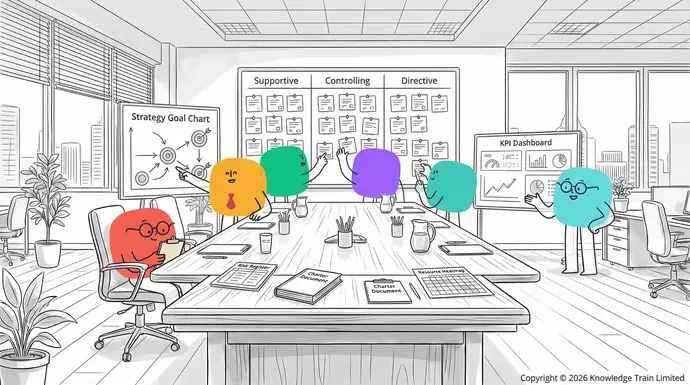
- Governance: Establishing frameworks, processes and controls for effective decision-making and risk management across the project lifecycle.
- Standardisation: Implementing and maintaining
- project management methodologies
- Project Management Qualification (PMQ) Reviewing and refining
- Advance your APM project management expertise.project deliveryProject Risk Single Certificate Level 1 processes to ensure continuous improvement.Enhance your project risk management skills.Stakeholder Engagement:
AgilePM Acting as an interface between project teams, senior management, and other stakeholders.
®Change Management
- – Agile Project Management:Foundation Supporting change initiatives and minimising resistance through structured strategies.
- Learn the key principles of Agile Project Management.Practitioner Includes Foundation & Practitioner combined option.
- Learn the fundamentals of Better Business cases.Practitioner Includes Foundation & Practitioner combined option.
P3ODeveloping competency through PMO certification and staff training.
®Emphasising process improvement and Foundation change managementLearn the fundamentals of the P3O project management office..
Practitioner PMO certification & standardsIncludes Foundation & Practitioner combined option.Professional recognition is available for PMO practitioners through PMO certification programmes. The Project Management Institute (PMI), a leading standards organisation, offers certifications such as the WorkshopsProject Management ProfessionalIntroduction to Project Management (PMP) and Certified Associate in Project Management (CAPM). PMO-specific certifications such as the PMO-CP (PMO Certified Practitioner) are also available.
1-day workshop to learn the basics of project management.Certifications
- Project Management Essentials validate competency in project, programme, and portfolio management, enhancing PMO effectiveness and credibility. Learn more about certification options on 2-day workshop to learn how to manage projects without getting certified.PMI.org
- Writing Business Cases .PMO in practiceHalf-day workshop to learn to write robust business cases.Corporate IT PMO:AI in Project Management A global retailer established an IT PMO to standardise project methodologies across numerous business units, leading to improved delivery times and enhanced resource management.Learn how to use AI tools in everyday project work.
- Government Programme Office:ARTIFICIAL INTELLIGENCE (AI) A government department implemented a controlling PMO to oversee national infrastructure BCS AIprogrammesFoundation . This supported greater transparency, better risk management, and alignment with public policy objectives.Learn the fundamentals of artificial intellegence.
Financial services PMO:AI Project Governance Framework (AIPGF)
A bank set up a directive PMO to directly manage regulatory compliance Foundation projectsLearn the fundamentals of the governance framework., centralising project oversight for timely delivery.Practitioner
PMO vs. project managerIncludes Foundation & Practitioner combined option.
While a Workshops
Project ManagerAI in Project Management is responsible for the planning, execution, and closure of individual projects, the PMO is a broader organisational entity. The PMO sets standards, provides resources and oversight, and may manage a portfolio of projects. In directive PMOs, the Project Manager may report directly to the PMO itself.Learn how to use AI tools in everyday project work.FAQsAGILECan a PMO be one person?AgilePMYes, a ®
Project Management Office (PMO) – Agile Project Management
can consist of just one person. In smaller organisations or teams, a single PMO professional may handle essential functions such as tracking project performance, standardising documentation, and supporting Foundation
Project ManagersLearn the key principles of Agile Project Management..Practitioner Although capacity is limited, even a one-person PMO can significantly improve project consistency and governance by establishing clear standards and frameworks.Includes Foundation & Practitioner combined option.
How does a PMO add value?PRINCE2
A ®
PMO Agile adds value by improving project success rates, optimising resource allocation, and ensuring projects align with organisational objectives. It also enhances communication across teams, enforces compliance with methodologies, and provides transparency on project performance through dashboards and reporting.Foundation Ultimately, a well-functioning PMO ensures that project investments deliver measurable business benefits.Learn the fundamentals of the PRINCE2 Agile method.
Practitioner
Includes Foundation & Practitioner combined option.
ScrumScrum Essentials Self-paced training course to learn the essentials of Scrum.Scrum Master Choose Scrum Alliance or Scrum.org Scrum Master training courses.Scrum Product Owner Choose Scrum Alliance or Scrum.org Product Owner training courses.
- AgileBA® – Agile Business AnalysisFoundation
- Learn the fundamentals of Agile Business Analysis.Practitioner
- 4-day course including Foundation.Lean Six Sigma
- Yellow Belt Self-paced training course to gain LSS Yellow Belt.
PMI
®PMI-ACP Self-paced course to prepare you for the exam (exam not included).
- KanbanEstimating for Agile Foundation
- Agile Learning Library (ALL)™BUSINESS ANALYSIS
- BCS Business Analysis
, ensures project governance, and aligns initiatives with business goals. The PMO often oversees project portfolios to prioritise strategic investments and optimise resource use.CyprusWhat does PMO stand for?Czech RepublicPMODenmark stands for EstoniaProject Management OfficeFinland. It is an organisational function responsible for standardising governance processes, sharing methodologies, France
toolsGermany, and techniques
, and improving overall project success.
A PMO may vary in size—from a single individual to an enterprise-wide team—but its purpose remains the same: to improve project performance and ensure alignment with business strategy.What is the difference between a PMO and a Project Manager?The difference between a PMO and a
Project Manager
lies in scope and responsibility. A Project Manager delivers specific projects, managing budgets, timelines, and teams. The PMO, however, provides governance, guidance, and support to multiple projects, ensuring consistency and strategic alignment across the organisation.
What is the purpose of a PMO?
The primary purpose of a PMO is to introduce structure, consistency, and strategic alignment to project management practices. By standardising processes and methodologies, a PMO helps organisations improve project success rates and realise greater value from project investments.