What is a Project Management Office (PMO)?Czech Republic

Key takeawaysStay Ahead in Project Management!
A PMO improves delivery by combining governance, support, and portfolio visibility.Sign up for our mailing list to receive the latest tips, industry insights, and exclusive offers on project management training and certifications.
- A PMO sets standards and decision controls so projects stay aligned to business strategy and risk is managed early.
- Supportive, controlling, and directive PMOs differ mainly by authority, from guidance to direct ownership of delivery outcomes.
- Useful PMOs prioritise the portfolio using transparent criteria, balancing value, risk, and capacity constraints.What is the most respected project management certification?
- Dashboards work best when paired with short narrative context that explains variance and prompts clear decisions.What is the most respected project management certification in the UK would be
- Start with a clear charter and quick wins, then scale tools, training, and templates through continuous improvement.APM PMQ
PMO definition
A Project Management Office (PMO) is an organisational structure that defines and maintains project management standards, supports project teams, and ensures alignment with business objectives. PMOs play a crucial role in enabling successful project, programme and portfolio managementWhat is the best certification to get for project management? by offering governance, methodology, resource management and oversight.
The concept of a PMO has evolved as organisations recognise the need for a dedicated group to enhance consistency, optimise resources, and improve project deliveryWhat is the best entry-level project management certification? outcomes. PMOs may operate at the project, programme, or portfolio level and are commonly found in sectors such as IT , government, construction, and finance.What is the best project management certification in the UK?
PMO functions and roles
PMOs perform a wide range of functions, adapting their roles according to organisational needs. The main functions and roles typically include:
- Governance:What is the best project management qualification in the UK? Establishing frameworks, processes and controls for effective decision-making and risk management across the project lifecycle.What is the best project management qualification?
- Standardisation: Implementing and maintaining project management methodologiesWhat is the hardest project management certification?, best practices, and standards.
- Support: Providing guidance, templates, tools, training and mentoring for Project Managers and teams.What is the hardest project management exam?
- Methodology Enforcement: Ensuring consistent application of project management approachesWhat is the highest qualification in project management? for delivery excellence.
- Resource Management: Coordinating allocation and utilisation of project personnel, tools, and budgets.What is the most prestigious project management certification?
- Portfolio Management : Overseeing and prioritising What is the most recognized project management certification?projects to align with strategic objectives and maximise value.
- Process Improvement:What is the most reputable project management certification? Reviewing and refining project delivery processes to ensure continuous improvement.What is the most respected project management certification?
- Stakeholder Engagement: Acting as an interface between project teams, senior management, and other stakeholders.
- Change ManagementWhat project management qualification is best in the UK?: Supporting change initiatives and minimising resistance through structured strategies.
Types of PMOsWhat qualifications do I need to be a project manager?
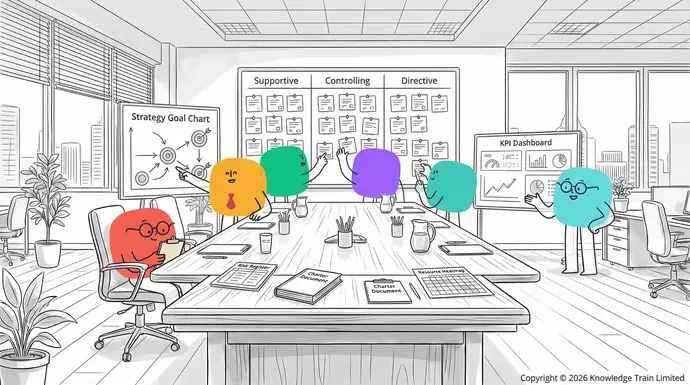
PMOs are not one-size-fits-all. Their structure, authority and level of influence can vary significantly. The three primary PMO types are:
- Supportive PMO: Provides consultative services, best practices, templates, and guidance. Has low control and operates as a resource for Project Managers.What qualifications do you need to become a PM?
- Controlling PMO: Requires compliance with project managementWhich certificate is best for a project manager? standards and methodologies. Has moderate control—enforces processes and reviews adherence.
- Directive PMO: Directly manages projects and assigns Project Managers. Exercises high control and is responsible for
- ).{"@context":"https://schema.org","@type":"Question","name":"What is the most respected project management certification?","text":"What is the most respected project management certification?","acceptedAnswer":{"@type":"Answer","text":"What is the most respected project management certification in the UK would be APM PMQ. In Europe, the most respected project management certification would be PRINCE2 Practitioner. In the Americas and Asia the most respected project management certification would be PMP®.\n","dateCreated":"2026-03-18T12:59:33+00:00"},"author":{"@type":"Person","name":"Simon Buehring"},"dateCreated":"2026-03-18T12:59:33+00:00","dateModified":"2026-03-18T12:59:33+00:00","datePublished":"2026-03-18T12:59:33+00:00","mainEntityOfPage":{"@type":"WebPage","@id":"https://www.knowledgetrain.co.uk/project-management/project-management-faqs/what-is-the-most-respected-project-management-certification"}}
- Investing in PMO tools for tracking, reporting, and collaboration.
- Developing competency through PMO certification and staff training.Project Management related articles
- Emphasising process improvement and change management .
PMO certification & standards
Professional recognition is available for PMO practitioners through PMO certification programmes. The Project Management Institute (PMI), a leading standards organisation, offers certifications such as the Project Management Professional (PMP) and Certified Associate in Project Management (CAPM). PMO-specific certifications such as the PMO-CP (PMO Certified Practitioner) are also available.
CertificationsFive Case Model for business cases validate competency in project, programme, and portfolio management, enhancing PMO effectiveness and credibility. Learn more about certification options on PMI.orgSimon Buehring.19 Feb 2026
PMO in practice
- Corporate IT PMO:Explore the Five Case Model, a comprehensive framework for solving business problems. Enhance your understanding of its structured approach by reading further. A global retailer established an IT PMO to standardise project methodologies across numerous business units, leading to improved delivery times and enhanced resource management.
- Government Programme Office: A government department implemented a controlling PMO to oversee national infrastructure programmes . This supported greater transparency, better risk management, and alignment with public policy objectives.
- Financial services PMO: A bank set up a directive PMO to directly manage regulatory compliance projectsProject management vs product management
Although capacity is limited, even a one-person PMO can significantly improve project consistency and governance by establishing clear standards and frameworks.Understanding PMO roles
How does a PMO add value?
A Knowledge TrainPMO23 Feb 2026 adds value by improving project success rates, optimising resource allocation, and ensuring projects align with organisational objectives. It also enhances communication across teams, enforces compliance with methodologies, and provides transparency on project performance through dashboards and reporting.
Ultimately, a well-functioning PMO ensures that project investments deliver measurable business benefits.Learn about crucial positions in a Project Management Office (PMO). The article presents important PMO positions together with their impact on successful project management. Continue reading to fully understand the organisational frameworks of PMOs.
Is PMO a stressful job?
Whether a PMO role is stressful depends on the organisation’s structure and culture. When supported by leadership and empowered to influence project decisions, PMO professionals typically thrive. However, if the PMO is under-resourced or lacks authority, managing multiple priorities without visible impact can create pressure and stress.
Strong governance, clear goals, and management support help minimise stress and enable PMO teams to work effectively.
What are the 4 P’s of PMO?
The 4 P’s of a PMOWhat soft skills do project managers need? are People, Product, Process,Simon Buehring and 19 Feb 2026Project :Discover essential soft skills for project managers and why they are crucial for successful project delivery. Read on to enhance your skill set.
- People: Define clear roles and responsibilities for the project team.
- Product: Ensure the right deliverables reach the right stakeholders.
- Process: Implement consistent procedures to manage and control delivery.Project management interview techniques: Free ebook
- Project: Oversee the successful execution of initiatives aligned with strategy.Simon Buehring
What are the different types of PMOs?19 Feb 2026
The three main types of PMOsPrepare for your project management interview with our free ebook full of techniques and tips. Enhance your interview skills today. are:
- Supportive PMO: Provides templates, best practices, and guidance to Project Managers.
- Controlling PMO: Enforces standards, methodologies, and reporting requirements.
- Directive PMO: Takes direct ownership of project deliveryWhat is PRINCE2 Agile? and management.
Each type varies in authority and responsibility, depending on organisational needs and project complexity.Simon Buehring
What does a PMO do?29 Apr 2026
A PMOPRINCE2 Agile is a project management methodology that combines the governance of PRINCE2 with the flexibility and responsiveness of Agile approaches. It enables organisations to deliver projects more effectively by integrating structured project control with iterative delivery techniques. establishes and maintains project management standards across the organisation. It supports Project Managers , ensures project governance, and aligns initiatives with business goals. The PMO often oversees project portfolios to prioritise strategic investments and optimise resource use.
What does PMO stand for?
PMO stands for Project Management Office . It is an organisational function responsible for standardising governance processes, sharing methodologies, Book review: Applied Software Project Managementtools , and Simon Buehringtechniques19 Feb 2026, and improving overall project success.
A PMO may vary in size—from a single individual to an enterprise-wide team—but its purpose remains the same: to improve project performance and ensure alignment with Explore the practical applications of software project management in 'Applied Software Project Management'. Read our review for insights.business strategy .
What is the difference between a PMO and a Project Manager?
The difference between a PMO and a Project Manager lies in scope and responsibility. A Project Manager delivers specific Strategic project managementprojects , managing budgets, timelines, and teams. The PMO, however, provides governance, guidance, and support to multiple projects, ensuring consistency and strategic alignment across the organisation.Knowledge Train
What is the purpose of a PMO?19 Feb 2026
The primary purpose of a PMOLearn how to connect projects to business strategy and objectives. Select and prioritise initiatives that will help your organisation move forward. Find out how to do it, and improve the results you get from projects, for improved performance overall. is to introduce structure, consistency, and strategic alignment to project management practices. By standardising processes and methodologies, a PMO helps organisations improve project success rates and realise greater value from project investments.
For further reading
For official standards and frameworks, visit PMI.org for comprehensive PMO and project management guidance.