What is a Project Management Office (PMO)?Some of the charities we have helped over the years:

Key takeawaysUnited Kingdom
A PMO improves delivery by combining governance, support, and portfolio visibility.
- A PMO sets standards and decision controls so projects stay aligned to business strategy and risk is managed early.
- Supportive, controlling, and directive PMOs differ mainly by authority, from guidance to direct ownership of delivery outcomes.
- Useful PMOs prioritise the portfolio using transparent criteria, balancing value, risk, and capacity constraints.
- Dashboards work best when paired with short narrative context that explains variance and prompts clear decisions.
- Start with a clear charter and quick wins, then scale tools, training, and templates through continuous improvement.
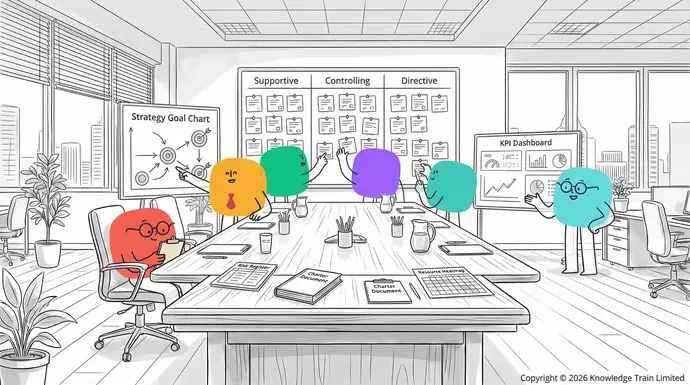
The concept of a PMO has evolved as organisations recognise the need for a dedicated group to enhance consistency, optimise resources, and improve project delivery outcomes. PMOs may operate at the project, programme, or portfolio level and are commonly found in sectors such as IT , government, construction, and finance.
PMO functions and roles
PMOs perform a wide range of functions, adapting their roles according to organisational needs. The main functions and roles typically include:
- Governance: Establishing frameworks, processes and controls for effective decision-making and risk management across the project lifecycle.Copied!
- Standardisation:Key takeaways Implementing and maintaining A strong schedule turns a plan into a workable timeline that can be managed and improved.project management methodologiesA project schedule focuses on timing, sequencing, and deadlines, while the project plan also covers scope, budget, and resources., best practices, and standards.Use a Work Breakdown Structure to define tasks, group them into work packages, and set clear milestones.
- Support:Sequence work using dependencies and estimates, then assign resources realistically based on availability and skills. Providing guidance, templates, tools, training and mentoring for Project Managers and teams.Validate the schedule with stakeholders, communicate it widely, and monitor progress with regular updates.
- Methodology Enforcement:Choose fit-for-purpose tools, and use CPM or CCPM to manage critical paths, constraints, and buffers in complex projects. Ensuring consistent application of project management approaches for delivery excellence.
- Resource Management:Contents Coordinating allocation and utilisation of project personnel, tools, and budgets.
- Portfolio Management :Contents Overseeing and prioritising projectsIntroduction to align with strategic objectives and maximise value.
- Process Improvement:Understanding project scheduling Reviewing and refining project deliverySteps to create a project schedule processes to ensure continuous improvement.
- Stakeholder Engagement:Project scheduling techniques Acting as an interface between project teams, senior management, and other stakeholders.
- Change ManagementAdvanced scheduling concepts: Supporting change initiatives and minimising resistance through structured strategies.Tools for project scheduling
Types of PMOs
PMOs are not one-size-fits-all. Their structure, authority and level of influence can vary significantly. The three primary PMO types are:Best practices for effective scheduling
- Supportive PMO: Provides consultative services, best practices, templates, and guidance. Has low control and operates as a resource for Project Managers.Common challenges in scheduling
- Controlling PMO: Requires compliance with Conclusionproject management standards and methodologies. Has moderate control—enforces processes and reviews adherence.FAQs
- Directive PMO:Introduction Directly manages projects and assigns Project Managers. Exercises high control and is responsible for Project schedulingproject delivery is an integral part of effective and outcomes.project management
Organisations may adapt their PMO model based on size, maturity, and strategic needs. A PMO may evolve from supportive to controlling or directive as project management capability matures.. Project scheduling includes the development of a project timeline, including tasks, resources, and milestones, that is necessary to ensure a project’s successful completion. A solid schedule can provide a roadmap for project execution, allowing
PMO best practicesproject managers
Implementing a PMO involves defining objectives, selecting the right PMO type, securing stakeholder support, setting up governance structures, and continuously reviewing processes. Best practices for successful PMO implementation include: to allocate resources, monitor progress and recognise potential issues in advance.
- Aligning PMO objectives with organisational strategy.In the modern workplace, having an edge in project scheduling is vital to the successful
- Engaging stakeholders and securing executive sponsorship.delivery of projects
- Adopting recognised standards and methodologies (such as those from within the time and budget constraints. In this article, we will explore the fundamentals of project scheduling. We will discuss key concepts, techniques, and best practices for project scheduling. In addition, we will analyse the challenges commonly faced in project scheduling and review tools and software solutions that can simplify and optimise the process.PMIUnderstanding project scheduling).What is a project schedule?
- Investing in PMO tools for tracking, reporting, and collaboration.A
- Developing competency through PMO certification and staff training.project schedule
- Emphasising process improvement and is a detailed document that outlines the timeline of tasks and milestones that must be completed to accomplish the project. It acts as a roadmap for project execution and monitoring.change managementComponents of a project schedule.Tasks and activities
PMO certification & standardsDuration and deadlines
Professional recognition is available for PMO practitioners through PMO certification programmes. The Project Management Institute (PMI), a leading standards organisation, offers certifications such as the Resource allocationProject Management ProfessionalDependencies and constraints (PMP) and Certified Associate in Project Management (CAPM). PMO-specific certifications such as the PMO-CP (PMO Certified Practitioner) are also available.Milestones and deliverables.
CertificationsDifference between project schedule and project plan validate competency in project, programme, and portfolio management, enhancing PMO effectiveness and credibility. Learn more about certification options on A PMI.orgproject.
PMO in practiceplan
- Corporate IT PMO: is a more comprehensive document that encompasses the schedule, as well as other project aspects such as scope, budget, and resources. The project schedule, on the other hand, focuses on the time aspect, including task sequencing and deadlines. A global retailer established an IT PMO to standardise project methodologies across numerous business units, leading to improved delivery times and enhanced resource management.Benefits of using a project schedule
- Government Programme Office:Provides clarity and direction A government department implemented a controlling PMO to oversee national infrastructure : A project schedule offers a clear path for project execution, ensuring that all team members are aware of their responsibilities and deadlines.programmesImproves time management. This supported greater transparency, better risk management, and alignment with public policy objectives.: A schedule helps to prioritise tasks and allocate time efficiently, reducing the risk of missing deadlines.
- Financial services PMO:Allows efficient resource allocation A bank set up a directive PMO to directly manage regulatory compliance : A project schedule enables the optimal distribution of personnel, equipment, and materials across project tasks.projectsHelps in effective risk management, centralising project oversight for timely delivery.: A project schedule helps to identify potential bottlenecks, and resource conflicts in advance, allowing for timely risk mitigation.
PMO vs. project managerBy utilising these advantages,
While a project managersProject Manager can significantly improve the chances of project success and timely delivery. is responsible for the planning, execution, and closure of individual projects, the PMO is a broader organisational entity. The PMO sets standards, provides resources and oversight, and may manage a portfolio of projects. In directive PMOs, the Project Manager may report directly to the PMO itself.Six steps to create a project schedule
FAQsA project schedule is a comprehensive document that outlines a project’s timeline. It is one of the most important project management tools. Scheduling is one of the key tasks in project management. To help you along, here are six steps that will allow you to create a solid schedule for your project.
Can a PMO be one person?1. Define tasks and milestones
Yes, a List all the tasks that are necessary to complete the project. Then determine the Project Management Office (PMO)project milestones can consist of just one person. In smaller organisations or teams, a single PMO professional may handle essential functions such as tracking project performance, standardising documentation, and supporting , and group tasks that make up each milestone into work packages. The process of preparing a comprehensive list of project tasks is known as Project ManagersWork Breakdown Structure. (WBS).
Although capacity is limited, even a one-person PMO can significantly improve project consistency and governance by establishing clear standards and frameworks.List all required tasks
How does a PMO add value?Determine project milestones
A Group related tasks into work packages.PMO2. Sequence activities
3. Estimate task durationsIs PMO a stressful job?
Whether a Estimate the time required for each task, then assign the estimates to each task. For more accurate results, ask your team members to help, and make use of the historical data for tasks of a similar nature to the ones in the current project. As a rule of thumb, provide PMO rolethree-point estimates is stressful depends on the organisation’s structure and culture. When supported by leadership and empowered to influence project decisions, PMO professionals typically thrive. However, if the PMO is under-resourced or lacks authority, managing multiple priorities without visible impact can create pressure and stress.:
Strong governance, clear goals, and management support help minimise stress and enable PMO teams to work effectively.Optimistic estimate
What are the 4 P’s of PMO?Most likely estimate
The 4 P’s of a Pessimistic estimate.PMO4. Assign resources are Identify the resources needed for each task, then assign them to the relevant tasks. Be sure to consider team members’ skills and experience, availability and current workloads.People, Product, Process,5. Finalise the schedule and Confirm the draft schedule with the stakeholders and finalise it. Be sure that the schedule is realistic and it meets the project’s objectives and constraints and use the scheduling software to create a ProjectGantt chart: (or another visual representation).
- People:6. Share and monitor progress Define clear roles and responsibilities for the Share the finalised schedule with the team members and stakeholders and track and report on the progress. Consider using projectproject management software team. for real-time updates and collaboration.
- Product:Set up regular progress meetings Ensure the right deliverables reach the right stakeholders.Encourage team members to report the task completions as soon as they are done
- Process:Update the schedule if necessary to account for the actual progress. Implement consistent procedures to manage and control delivery.With these steps, you can create a comprehensive project schedule that will guide your team to successful project completion.
- Project:Enhance your skills with our expert-led courses Oversee the successful execution of initiatives aligned with strategy.
What are the different types of PMOs?
The three main types of PMOsSelf-paced are:
AgilePM Practitioner (with Foundation) self-paced online, ensures project governance, and aligns initiatives with business goals. The PMO often oversees project portfolios to prioritise strategic investments and optimise resource use.
What does PMO stand for?
PMO stands for £1,299 +vatProject Management OfficeProject scheduling techniques. It is an organisational function responsible for standardising governance processes, sharing methodologies, There are several techniques available for the effective creation and management of project schedules. Some of these techniques include Gantt charts, task lists, and calendars. This knowledge train will cover the definition and purpose of each of these techniques, the advantages and limitations of using each, when it is appropriate to use each, and benefits for smaller projects. The knowledge train aims to provide a comprehensive understanding of project scheduling techniques to help project managers make informed decisions about which techniques to use for their projects.toolsGantt charts, and Definition and purposetechniquesA , and improving overall project success.Gantt chart
A PMO may vary in size—from a single individual to an enterprise-wide team—but its purpose remains the same: to improve project performance and ensure alignment with is a type of bar chart that is commonly used in project management to visually represent a project schedule. It shows the start and end dates of project tasks, as well as their duration, as horizontal bars along a timeline. Gantt charts can also be used to display the dependencies between tasks.business strategyAdvantages and limitations.Advantages
What is the difference between a PMO and a Project Manager?Provides a visual representation of task dependencies
The difference between a Simplifies the identification of the critical pathPMOCapable of showing progress against the planned schedule. and a LimitationsProject ManagerCan become cluttered and difficult to read for larger projects with many tasks lies in scope and responsibility. A Project Manager delivers specific Can be time-consuming to create and maintainprojectsLimited ability to show detailed task dependencies and resource allocation., managing budgets, timelines, and teams. The PMO, however, provides governance, guidance, and support to multiple projects, ensuring consistency and strategic alignment across the organisation.Task lists
What is the purpose of a PMO?When to use task lists
The primary purpose of a Task lists are often used in project management as a basic tool for organising and tracking project activities. They can be useful in the early stages of a project, or as a supplement to more advanced scheduling techniques. Task lists are appropriate to use when the project is relatively simple, and the team members are familiar with the tasks.PMO