
- 19 Feb 2026
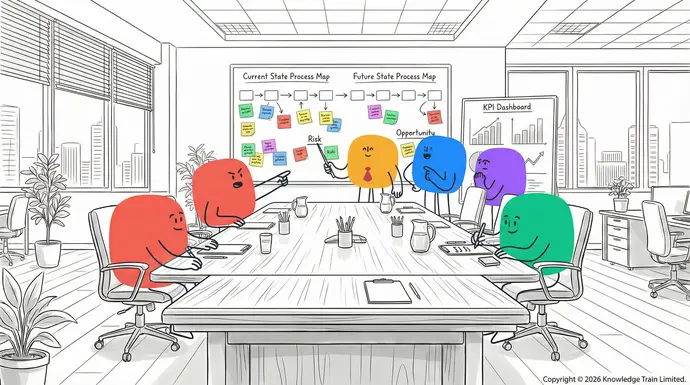
Portugal is a professional discipline that involves understanding business needs and problems, eliciting and documenting requirements, and proposing solutions that drive process improvement Romania and deliver value. It acts as a bridge between stakeholders and technical teams, ensuring that strategic objectives are aligned with operational execution. Reputable bodies such as the Slovakia International Institute of Business Analysis (IIBA) Slovenia define business analysis as the practice of enabling change in an organisational context by defining needs and recommending solutions that yield benefits for key stakeholders. Spain
The objectives and value of business analysis Sweden
- Identifying business needs and opportunities for improvementHow do I become Agile certified?Other countries
- Supporting stakeholders in achieving strategic goals Home
- Facilitating Simon BuehringChange management change management19 Feb 2026 processes
- Reducing project risk through clear requirements and solution assessmentLearn what it takes to become Agile certified and the advantages it brings to your professional life. Read on for examination tips.Change management: models, steps, and best practices
- Ensuring solutions are feasible, cost-effective, and aligned with business requirements
Business analysts enable informed decision-making, increase process efficiency, and help organisations remain competitive. Knowledge Train
Key responsibilities of a business analyst 23 Apr 2026
The business analyst plays a critical role throughout project lifecycles and change initiatives. Their main responsibilities include:
- Requirements elicitation: Facilitating workshops, interviews, and surveys to gather needs from stakeholdersAgile vs waterfall project management
- Requirements documentation: Creating clear business and technical requirements using various formats (e.g., Simon Buehring user stories23 Feb 2026 , use cases)
- Gap analysis and feasibility studies:Compare Agile and waterfall methodologies to see why many industries prefer Agile. Discover the benefits by reading more. Assessing current and desired future states to highlight improvements and evaluate solution viability
- Stakeholder engagement: Communicating with diverse stakeholders to ensure requirements are validated and aligned
- Process mapping and business process modelling : Visualising workflows for process improvement opportunities
- Solution assessment and validation:What is Agile? Reviewing proposals to ensure solutions address documented requirementsSimon Buehring and deliver value19 Feb 2026
- Change management Copied! :Explore the evolution of Agile from a niche software development tool to a mainstream strategy. Read on to understand its significance.Key takeaways Supporting the transition of solutions into the business and managing effects on people and processes Effective change management blends clear planning with sustained support for adoption.
Main business analysis processes Use structured frameworks such as Kotter, Lewin, or ADKAR to sequence activities and maintain momentum.
| Process Visible leadership sponsorship and consistent communication reduce uncertainty and resistance. | Description Engage stakeholders early, using influence and impact mapping to target effort where it matters most. |
|---|---|
| Requirements elicitation Integrate change work with project delivery so training, readiness, risks, and benefits stay aligned. | Gathering information from stakeholders using interviews, workshops, observation, and document analysis Measure adoption with KPIs and feedback, then reinforce new behaviours through governance, coaching, and policy. |
| Requirements documentation | Capturing business and technical requirements in written formats, such as user stories , use cases, or requirement specifications Contents |
| Requirements validation | Ensuring requirements are accurate, feasible, and aligned with business goals |
| Stakeholder engagement Contents | Building relationships with all parties affected by the change to ensure their needs are met |
| Process improvement What is change management? | Analysing existing workflows and recommending enhancements for efficiency |
| Solution assessment Importance of change management | Evaluating potential solutions against requirements |
| Change management Change management principles | Supporting successful adoption of new processes or systems |
Common business analysis techniques Change management processes
- SWOT analysis Change management frameworks
- Change management challenges
- Change management and business functionsGive us a call
- Change management best practices
- +44 (0)207 148 5985Related concepts in change management
- Or chat with us using the link at the bottom of the screen.FAQsContact us with questions about the courses on this page, or about which project management certification or training is best for you.What is change management?Finance FAQsChange management
- Contact refers to the systematic process of planning, implementing, and overseeing organisational changes to achieve desired business outcomes.CookiesChange management encompasses strategies, techniques, and tools that help organisations prepare for, execute, and sustain change, whether related to processes, technologies, culture, or organisational structure.
- PrivacyEffective change management seeks to minimise disruption, address resistance to change, and strengthen engagement among all Termsstakeholders
Customer Support.
Importance of change management
- [email protected]Organisational change is inevitable as businesses adapt to evolving markets, technologies, and regulations. By using structured frameworks and engaging leadership, organisations can minimise risks, foster innovation, and achieve sustainable success.Join Our TeamEffective change management
- [email protected] ensures smooth transitions, maintains productivity during transformation, increases return on investment, and supports
- Copyright © 2005-2026 Knowledge Train Limited. employee engagement
- Registered in UK: 5566983. .
Registered VAT: GB872413526.Here are some reasons why change management is important.
- Knowledge TrainExternal factors®External factors play a big role in is a registered trademark of Knowledge Train Limited. organisational change 20 Old Bailey, London, EC4M 7AN, England, United Kingdom.. Globalisation and the rapid developments in new digital solutions are forcing organisations to respond. Ignoring such external factors is likely to jeopardise your organisation’s success.
- Knowledge Train are experts in project management, PRINCE2, agile and change management training and certification. Choose from a full range of instructor-led and self-paced Nokia was once the biggest mobile phone company in the world, but it almost went out of business. That’s because it didn’t keep up with changes in mobile technologies. As a result, Nokia’s products didn’t appeal to consumers, and its market share rapidly declined.project management coursesMaking ideas succeed , a Many organisations use change management methodologies to enable ideas to succeed. Working alongside
- PRINCE2 courseproject managers, or an who deliver new capabilities into an organisation, agile project management coursechange managers
to boost your career. and change agents help ensure staff are able to fully utilise the new capabilities.
PRINCE2Enabling cross-functional changes
- ®Almost every functional unit within a modern organisation relies on change management to enable it to:
- , MSPAlign the change plan to the business’s overall strategy.
- ®Improve internal and external services and requests.
- , ITILTrack and resolve issues.
- ®Engaging people with the change process
- , P3OA key part of
®managing change
, PRINCE2 in an organisation is to engage those people affected by a change initiative. Staff will be involved in the change process eventually, therefore communicating and engaging with staff about a change plan early helps lay the groundwork for its later success.®Preparing for organisational transition Agile, RESILIAChange managers® are often appointed to make organisational change go smoothly. They use , and the Swirl logo are registered trademarks of the PeopleCert group. Used under licence from PeopleCert. All rights reserved. AgilePMchange management frameworks® to make changes such as: and AgileBARestructuring job roles.®Restructuring business processes. are registered trademarks of Agile Business Consortium Limited. All rights reserved. The APMG International AgilePM and Swirl Device logo, APMG International AgileBA and Swirl Device Logo, APMG International Change Management and APMG International Better Business Cases and Swirl Device logo are trademarks of The APM Group Limited, used under permission of The APM Group Limited. All rights reserved. Better Business Cases™ is a trademark of Her Majesty’s Treasury. All rights reserved. DevOps FoundationImplementing new technologies.®Decreasing resistance to a change initiative is a registered mark of the DevOps Institute. “PMI”, “PMBOKResistance is inevitable in any change initiative because people often find it unsettling being asked to work in new and different ways. So, change managers can often expect a denial reaction from staff. It takes time to overcome those reactions. When change managers® are transparent from day one, the less resistance they are likely to face. Guide”, “PMP” and “CAPM” are registered marks of Project Management Institute, Inc. Knowledge Train Scrum Essentials™, Business Learning Library (BLL)™, Business Analysis Learning Library (BALL)™, Agile Learning Library (ALL)™, IT Learning Library (ITLL)™, and Compliance Learning Library (CLL)™ are trademarks of Knowledge Train Limited. All rights reserved.
Improving performance and productivityKnowledge Train Ltd is an Introducer Appointed Representative of NewDay Cards Ltd for the Newpay finance product provided by NewDay Ltd. NewDay Cards Ltd acts as a credit broker, not a lender. We will introduce you exclusively to Newpay finance products provided by NewDay Limited under this Introducer Appointed Representative arrangement. Finance available from other lenders is not covered by this arrangement. NewDay Ltd and Newday Cards Ltd are authorised and regulated by the Financial Conduct Authority (ref nos 690292 and 682417 respectively).When an organisation adapts improved ways of working, it tends to increase productivity. At the same time, it encourages innovation. As a result, it guarantees improved performance and places an organisation in a healthier environment better able to succeed. Reducing costs When positive change is applied correctly, it helps to reduce waste and therefore reduce costs. Effective change management helps an organisation make smart choices. It increases productivity, decreases risks, and helps to improve the profitability of an organisation. Change management principles Clear communication : Ensure transparency and regular updates throughout the process.SearchLeadership involvement : Leaders must champion change and encourage desired behaviours. Stakeholder engagement : Involve and listen to those affected by the change.
: Monitor outcomes and adjust strategies where necessary.
Change management processes
Identify the need for change
: Recognise drivers such as technological advancements, market shifts, or process inefficiencies.
Define the vision and objectives
: Set clear goals for what the change will achieve.
Engage stakeholders: Involve key groups early to build support and address concerns.Develop a change management plan: Outline actions, timelines, resources, and communication strategies.Implement the change
: Launch the initiative, ensuring leadership guidance and active support from
change agents. Manage resistance to change : Identify the sources of resistance and address them through communication and support.What is a Project Management Office (PMO)? Roles, Types & Benefits Monitor progress and reinforce : Use metrics to track success and celebrate milestones. Sustain change
: Embed new ways of working into culture and practices for lasting results.
Change management frameworks
Several
change management frameworks guide organisations through transitions. The most prominent include: Kotter’s 8-Step Process Lewin’s Change Framework ADKAR framework
Kotter’s 8-Step Process
Establish a sense of urgency
Form a guiding coalition Create a vision for change