What is business analysis?

Key takeawaysSOCIAL RESPONSIBILITY
Business analysis turns business needs into clear requirements and evidence-based decisions.Some of the charities we have helped over the years:
- Business analysis aligns strategic goals with delivery by bridging stakeholders and technical teams.
- Clear requirements and validation reduce project risk and improve solution fit, cost and feasibility.
- Techniques like SWOT, gap analysis, process modelling and data analysis expose opportunities and bottlenecks.
- Embedding analysis in governance strengthens planning, transparency and measurable outcomes.
- Rigour can be maintained alongside speed by using consistent standards, templates and lightweight frameworks.
Business analysis: definition and overviewSearch
Business analysis is a professional discipline that involves understanding business needs and problems, eliciting and documenting requirements, and proposing solutions that drive process improvement and deliver value. It acts as a bridge between stakeholders and technical teams, ensuring that strategic objectives are aligned with operational execution. Reputable bodies such as the International Institute of Business Analysis (IIBA) define business analysis as the practice of enabling change in an organisational context by defining needs and recommending solutions that yield benefits for key stakeholders.United Kingdom
The objectives and value of business analysisAustria
- Identifying business needs and opportunities for improvementBelgium
- Supporting stakeholders in achieving strategic goalsBulgaria
- Facilitating Croatiachange managementCyprus processesCzech Republic
- Reducing project risk through clear requirements and solution assessmentDenmark
- Ensuring solutions are feasible, cost-effective, and aligned with business requirementsEstonia
Business analysts enable informed decision-making, increase process efficiency, and help organisations remain competitive.Finland
Key responsibilities of a business analystFrance
The Germanybusiness analystGreece plays a critical role throughout project lifecycles and change initiatives. Their main responsibilities include:Ireland
- Requirements elicitation:Italy Facilitating workshops, interviews, and surveys to gather needs from stakeholdersLatvia
- Requirements documentation:Lithuania Creating clear business and technical requirements using various formats (e.g., Luxemburguser storiesMalta, use cases)Netherlands
- Gap analysis and feasibility studies:Poland Assessing current and desired future states to highlight improvements and evaluate solution viabilityPortugal
- Stakeholder engagement:Romania Communicating with diverse stakeholders to ensure requirements are validated and alignedSlovakia
- Process mapping and Sloveniabusiness process modellingSpain:Sweden Visualising workflows for process improvement opportunitiesOther countries
- Solution assessment and validation:Home Reviewing proposals to ensure solutions address documented requirementsAgile and deliver value
- Change managementScrum:Scrum certification Supporting the transition of solutions into the business and managing effects on people and processes
Main business analysis processes
| ProcessWhat is Scrum certification? Guide to providers, costs, and benefits | Description |
|---|---|
| Requirements elicitationSimon Buehring | Gathering information from stakeholders using interviews, workshops, observation, and document analysis30 Apr 2026 |
| Requirements documentation | Capturing business and technical requirements in written formats, such as user stories , use cases, or requirement specifications |
| Requirements validation | Ensuring requirements are accurate, feasible, and aligned with business goals |
| Stakeholder engagement | Building relationships with all parties affected by the change to ensure their needs are met |
| Process improvement | Analysing existing workflows and recommending enhancements for efficiency |
| Solution assessment | Evaluating potential solutions against requirements |
| Change management | Supporting successful adoption of new processes or systems |
Common business analysis techniques
- SWOT analysis : Identifying strengths, weaknesses, opportunities, and threats related to a business area or solution
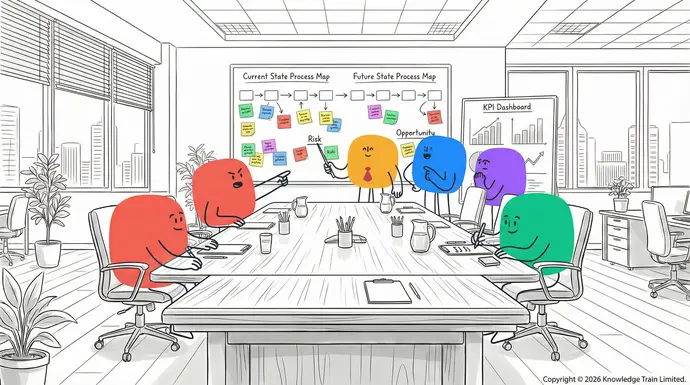
- Gap analysis: Comparing current and target states to identify improvement areas
- Use case modelling: Mapping user interactions with systems to define requirementsCopied!
- Business process modelling:Key takeaways Creating diagrams (such as BPMN) to visualise business processesScrum certification helps validate practical Scrum knowledge and can strengthen career prospects when chosen and used well.
- Stakeholder analysis:Pick a certification that matches the role you want, such as Scrum Master or Product Owner, and your current experience level. Identifying stakeholder interests, influence, and engagement needsProviders differ on prerequisites, with some requiring accredited training and others allowing direct exam entry.
- User storiesBudget for the full cost, as prices range from exam-only fees to higher course-plus-exam bundles and possible renewals.:Use official guides, mock exams, and study groups to prepare for scenario-based questions under time pressure. Documenting concise functional requirements, typically in Agile projectsTurn the credential into impact by applying Scrum practices at work and updating your CV and professional profiles.
- Feasibility study: Analysing proposed solutions for practicality and viability
- Data analysis: Using quantitative and qualitative data to inform decision-makingContents