Project manager: Key responsibilities, skills, and career prospectsSpain

Key takeaways
Project management blends planning discipline with leadership to deliver outcomes reliably.
- Define scope, timelines, resources, and budget early to create clear delivery boundaries.
- Lead the team through delegation and communication so work stays aligned and collaborative.
- Anticipate risks, prepare contingencies, and resolve issues quickly to protect delivery.
- Monitor progress against milestones and report regularly to keep stakeholders informed.
- Build technical, soft, and business skills, then keep developing through certifications and networks.
- Prepare for AI, remote delivery, and sustainability expectations as standard parts of projects.
IntroductionIntroduction
Project managers are in-demand professionals who can be found in virtually every industry. They are responsible for planning, executing, and overseeing Types of PMO
Key responsibilities of a project managerFAQs
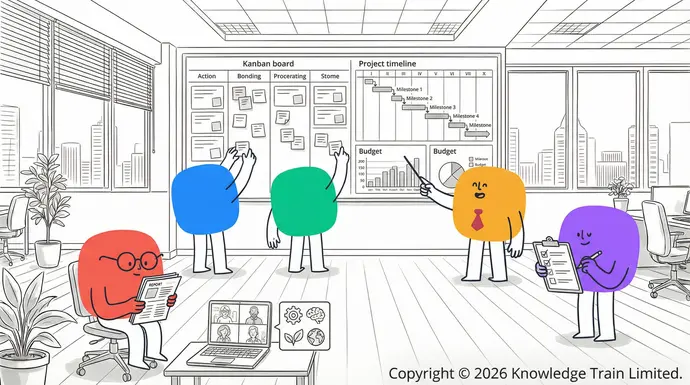
Project managers have a wide variety of roles and responsibilities, each of which is important for the overall success of a project. These can be broadly categorised into four main areas:
Project planning and initiationInfographic
- Define clear Introductionproject scopeA and objectivesProject Management Office
- Establish timelines and schedules for tasks and deliverables (PMO) operates as a centralised department responsible for standardising project governance processes while also facilitating the sharing of resources and providing access to methodologies and tools. Project Management Offices (PMOs) play a vital role in aligning projects with organisational strategy while maximising resource use and boosting project success rates.
- Allocate resources efficiently and create a project The article investigates different budgetPMO roles .along with their responsibilities and how they contribute to achieving organisational success. Our examination will cover the spectrum of PMO types and analyse the distinctions between PMO functions and project manager tasks while also evaluating current trends in the field. Organisations can utilise PMOs to enhance efficiency and achieve strategic goals by fully understanding various aspects.
Team leadership and managementTypes of PMO
- Recruit and motivate the right team members for the projectOrganisations can group PMOs according to their specific roles and operational reach. The knowledge of these PMO types enables organisations to establish the appropriate PMO structure.
- Delegate tasks and responsibilities to team membersProject Management Office
- Ensure effective communication among team members.: Helps individual projects by giving project managers both guidance and best practices.
Risk management and problem-solvingProgramme Management Office
- Identify and assess potential risks and issues that could affect the project: This office supervises projects that align with a particular program while managing their interdependencies and resolving conflicts.
- Prepare Portfolio Management Officecontingency plans: Manages all projects and programmes within the portfolio while distributing resources and setting initiative priorities according to strategic goals. to address potential risksEnterprise-level PMO
- Resolve issues as they arise throughout the project.: Integrates project management activities with the comprehensive strategic aims and targets of the entire organisation throughout all departments.
Monitoring and reportingSupportive PMO
- Track the progress of the project regularly against established goals and milestones: This functions as a consultative resource that delivers guidance and support for project managers whenever required.
- Prepare and deliver reports to stakeholders on a regular basisControlling PMO
- Ensure the project is completed on time and within budget.: Ensures adherence to project management processes and standards and conducts reviews to approve project plans.
Balancing these roles requires technical knowledge as well as strong leadership and strategic thinking. Project managers who are successful in their role are those who can adapt to each unique project and its challenges.Directive PMO
FAQsEnhance your skills with our expert-led courses
What is the average salary for a project manager in the UK?
The average salary is between £35,000 and £80,000 per year, depending on experience and industry.
How long does it take to become a certified project manager?
CertificationInstructor-led can take 3-6 months of study and requires relevant work experience.P3O Practitioner (with Foundation) course
Can I become a project manager without a degree?
No, you can become a project manager without a degree by gaining experience and professional £2,099 +vatcertifications .See all dates