
Foundation
Learn the fundamentals of the P3O project management office.
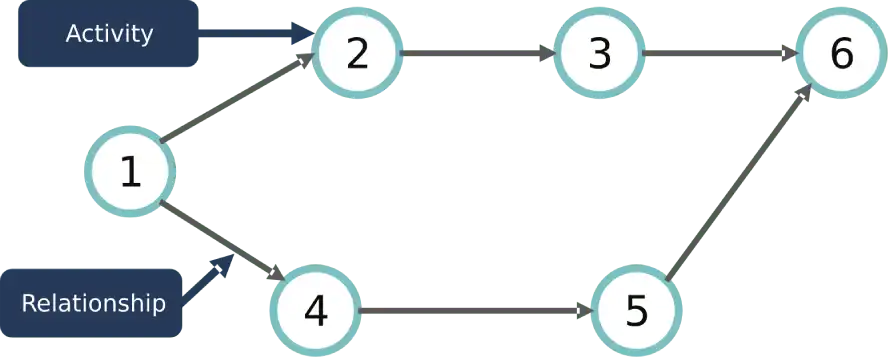
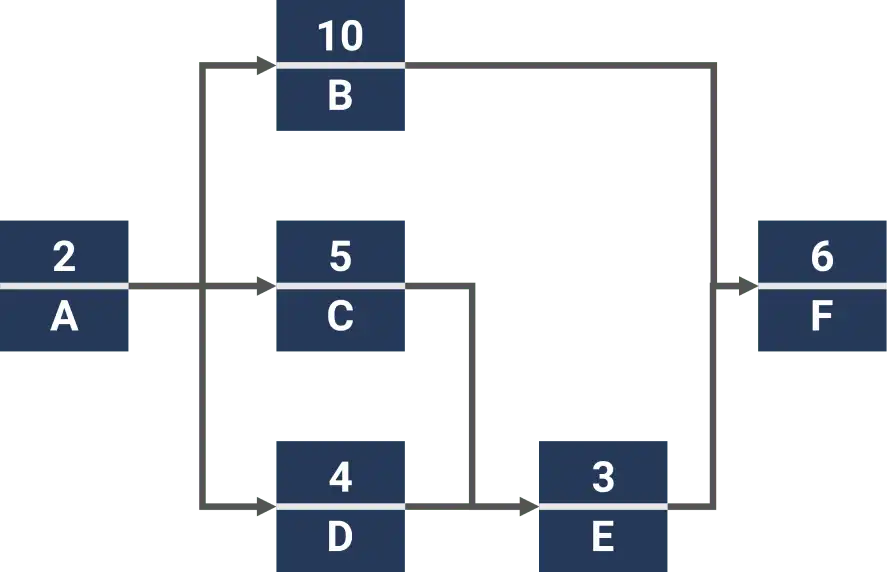
The Practitioner +44 (0)207 148 5985Critical Path MethodIncludes Foundation & Practitioner combined option. (CPM) is a fundamental project management technique used to determine the longest sequence of dependent tasks that must be completed for a project to be finished on time. This sequence of tasks is known as the critical path. The CPM was first developed in the late 1950s and has since been widely adopted for Workshops[email protected]project schedulingIntroduction to Project Management and control in various industries.1-day workshop to learn the basics of project management.
CPM involves the following key steps:Project Management Essentials
- Identifying all project tasks2-day workshop to learn how to manage projects without getting certified.
- Determining task dependenciesWriting Business Cases
- Estimating task durationsHalf-day workshop to learn to write robust business cases.
- Calculating the earliest and latest start and finish times for each taskAI in Project Management
- Identifying the critical path and the float time for non-critical tasks.Learn how to use AI tools in everyday project work.United Kingdom
The critical path represents the sequence of tasks that directly affects the project’s overall duration. Any delay in a critical path task will result in a delay in the project completion date, unless the delay is addressed through corrective action.ARTIFICIAL INTELLIGENCE (AI)
CPM offers several benefits:BCS AI
- Provides a visual overview of project schedulesFoundation
- Highlights tasks that have the most significant impact on project durationLearn the fundamentals of artificial intellegence.
- Helps optimise resource allocationAI Project Governance Framework (AIPGF)
- Enables “what-if” scenario analysis.Foundation
To effectively apply CPM, project managers often use specialised software that can handle complex calculations and visualise schedules. These tools can also integrate with other techniques like Gantt charts and resource levelling.Learn the fundamentals of the governance framework.Search
While CPM is well-suited for projects with well-defined tasks and dependencies, it may be less effective for projects with high levels of uncertainty or frequent changes. In such cases, it’s often used in conjunction with other techniques, such as PERT or Practitioner Agile methodologiesIncludes Foundation & Practitioner combined option. , for a more adaptive approach.Workshops
PERT (Program Evaluation and Review Technique)AI in Project Management
PERTLearn how to use AI tools in everyday project work. is a project management technique that can be used for AGILEUnited KingdomprojectsAgilePMAustria with uncertain or variable task durations. Developed in the 1950s for the U.S. Navy’s Polaris missile program, PERT allows project managers to incorporate probabilistic time estimates into their project schedules.®Belgium
PERT requires the creation of a network diagram of all project tasks, along with three time estimates for each task: – Agile Project ManagementBulgaria
- Optimistic time (O): The shortest time the task could possibly take.Foundation Croatia
- Most likely time (M): The best estimate of how long the task will take, based on available information.Learn the key principles of Agile Project Management.Cyprus
- Pessimistic time (P): The longest time the task could possibly take, considering all potential issues.Practitioner Czech Republic
The expected time (E) for each task is then calculated as E = (O + 4M + P) / 6.Includes Foundation & Practitioner combined option.Denmark
Key takeawaysPRINCE2Estonia
- Provides more realistic project timelines by accounting for uncertainties®Finland
- Identifies critical paths and potential schedule risks AgileFrance
- Helps in better resource allocation and Foundation Germanyrisk managementLearn the fundamentals of the PRINCE2 Agile method.Greece
- Allows probabilistic analysis of project completion times.Practitioner Ireland
Quick tipsIncludes Foundation & Practitioner combined option.Italy
- Involve experts in estimating task durations to get accurate timeframesScrumLatvia
- Update estimates regularly as new information becomes availableScrum Essentials Lithuania
- Use PERT in conjunction with CPM for a comprehensive schedule analysisSelf-paced training course to learn the essentials of Scrum.Luxemburg
- Leverage software tools for PERT calculations and visualisations.Scrum Master Malta
Common pitfallsChoose Scrum Alliance or Scrum.org Scrum Master training courses.Netherlands
- Scrum Product Owner
- Choose Scrum Alliance or Scrum.org Product Owner training courses.
- AgileBA
- ®
– Agile Business Analysis
Foundation
Learn the fundamentals of Agile Business Analysis.Practitioner 4-day course including Foundation.Lean Six SigmaYellow Belt
Self-paced training course to gain LSS Yellow Belt.
- PMI
- ®
- PMI-ACP
- Self-paced course to prepare you for the exam (exam not included).
Kanban
- Estimating for Agile Foundation
- Agile Learning Library (ALL)™
- BUSINESS ANALYSIS
- BCS Business Analysis
Business Analysis Foundation Learn the fundamentals of business analysis.Modelling Business Processes
Gain practitioner certificate in modelling business processes.
Business Analysis Practices
Gain practitioner certificate in business analysis practices.
Requirements Engineering Gain practitioner certificate in requirements engineering.Business Analysis International Diploma
All 4 courses bundled into this Diploma certification package.
AgileBA
- ®
- – Agile Business Analysis
- Foundation training
Learn the fundamentals of Agile Business Analysis.
- Practitioner
- 4-day course including Foundation.
- PMI
- ®
PMI-PBA
- Self-paced course to prepare you for the exam (exam not included).
- Business Analysis Learning Library (BALL)™
- CHANGE MANAGEMENT
- APMG Change Management
Foundation Learn the fundamentals of enterprise change management.Practitioner
Includes Foundation & Practitioner combined option.
PROGRAMME MANAGEMENTMSPDefined roles and tailored management products improve accountability, reporting, and stakeholder buy-in.
Key takeaways®
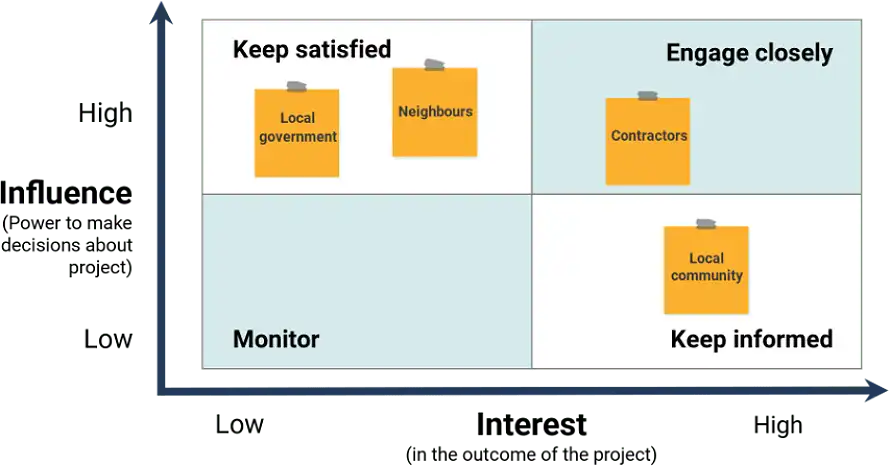
- Recognise all potential stakeholders, those who may affect or be affected by the project.Foundation
- Help prioritise stakeholders based on their influence and interest in the project.Learn the fundamentals of programme management.
- Facilitate communication planning with stakeholders.Practitioner Contents
- Aid in Includes Foundation & Practitioner combined option. risk managementINFORMATION TECHNOLOGY (IT) and informed decision making.ITILContents
Quick tips®
- Use a power/interest grid to plot stakeholders.Foundation Introduction
- Update the stakeholder map regularly as the project evolves.Learn the fundamentals of ITIL service management.
- Identify both positive and negative stakeholders.Strategist DPI What’s in the PRINCE2 methodology?
- Customise communication plans for different stakeholder groups.3-day ITIL Strategist: Direct, Plan & Improve (DPI) course.
- Engage team members in the mapping process for a broader view.Specialist: DSV When to use the PRINCE2 methodology?
Common pitfalls3-day ITIL Specialist: Drive Stakeholder Value (DSV) course.
- Missing less apparent stakeholders.Specialist: CDS Why is the PRINCE2 methodology helpful?
- Not reassessing stakeholder positions over time.3-day ITIL Specialist: Create, Deliver and Support (CDS) course.
- Ignoring low-power stakeholders.IT Learning Library (ITLL)™Summary
- Overlooking the need for individual engagement strategies.BUSINESS LEARNING LIBRARY (BLL)™
- Assuming stakeholders’ interests do not change.Agile Learning Library (ALL)™Infographic
Project success can be achieved by carefully identifying and communicating with key project stakeholders. The concept of a stakeholder map can be explained as the graphical representation of project stakeholders. The process to be performed for conducting a stakeholder mapping analysis is very crucial for the project success. When starting with a new project, the first phase in stakeholder mapping analysis is to conduct a stakeholder identification process. The stakeholder identification process in a project involves categorising the identified stakeholders based on their impact on the project and their level of influence in the project.Business Analysis Learning Library (BALL)™Introduction
Financial and resource management Select your preferred training course below:
Earned Value Management (EVM)Instructor-led
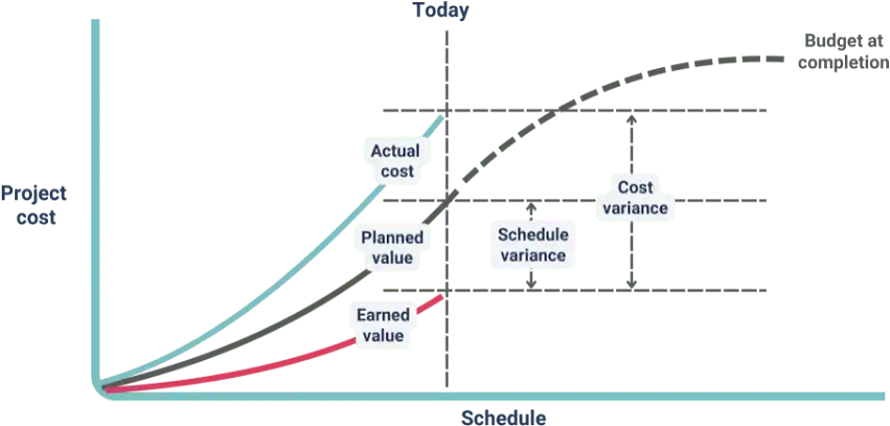
Earned Value ManagementPRINCE2 Practitioner (with Foundation) coursePRINCE2 AGILE COURSES (EVM) is a project management technique that uses scope, schedule, and cost data to assess a project’s progress and performance. It integrates scope, schedule, and cost measures to provide a comprehensive view of the project’s health. EVM compares the planned work with the actual completed work and the actual costs incurred, offering insights into both the status and future projections of the project. Select your preferred training course below:
The key components of EVM are: £1,899 +vat
- Planned Value (PV): The budgeted cost of work scheduled to be doneBETTER BUSINESS CASES COURSES
- Earned Value (EV): The budgeted cost of work performedSelect your preferred training course below:See all dates
- Actual Cost (AC): The actual cost incurred for work performed.
EVM is used to compute the following metrics: P3O COURSES
- Schedule Variance (SV) = EV – PV Select your preferred training course below:
- Cost Variance (CV) = EV – ACSelf-paced
- Schedule Performance Index (SPI) = EV / PVPRINCE2 Practitioner (with Foundation) self-paced onlineWORKSHOPS
- Cost Performance Index (CPI) = EV / AC Select your preferred workshop below:
Key takeaways£1,399 +vat
- Offers early warning signs for potential project performance issues AGILE QUALIFICATIONS
- Allows for accurate prediction of project costs and completion dates Select your preferred qualification.
- Facilitates data-driven decision making.
Quick tipsInstructor-ledAGILE PROJECT MANAGEMENT COURSES
- Set a clear project baseline before implementing EVMPRINCE2 Foundation courseSelect your preferred training course below:
- Utilise project management software£1,299 +vatPRINCE2 AGILE COURSES to automate EVM calculations Select your preferred training course below:
- Regularly review and analyse EVM metricsSee all dates
- Effectively communicate EVM results to stakeholders.What’s in the PRINCE2 methodology?SCRUM COURSES
Common pitfallsPRINCE2 is a methodology because of its thorough, procedural approach to Select your preferred training course below:
- Using EVM in a rigid way without understanding the context and qualitative issuesproject management
- Using EVM without adequate training or knowledge. It offers a roadmap for any project, covering everything from start to finish.AGILE BUSINESS ANALYSIS COURSES
- Not revising the baseline for significant changesUnderlying PRINCE2 are principles, people, practices, and processes that must be tailored to each unique project context to steer the team throughout the project.Select your preferred training course below:
- Not acting based on the EVM information.The
Cost-benefit analysisPRINCE2 methodologyBUSINESS ANALYSIS QUALIFICATIONS
Cost-Benefit Analysis is structured to address typical project management needs and consists of 5 integrated elements:Select your preferred qualification. (CBA) is a financial evaluation technique that assesses the expected costs and benefits of a project or decision. It aims to determine whether the project is economically viable and justifiable.Principles
Five steps to perform a CBA:PeopleBCS BUSINESS ANALYSIS COURSES
- Identify all the costs and benefits associated with the projectPracticesSelect your preferred training course below:
- Monetise the costs and benefits in monetary termsProcesses
- Compare the present value of costs and benefits using metrics such as net present value (NPV) or benefit-cost ratio (BCR)Project context.AGILE BUSINESS ANALYSIS COURSES
- Analyse the sensitivity of the results to changes in assumptions or inputsThe Select your preferred training course below:
- Decide based on the CBA results and other criteria.PRINCE2 manual
Key takeaways (CHANGE MANAGEMENT QUALIFICATIONS
- CBA provides a clear and transparent financial justification for a Managing Projects Successfully with PRINCE2Select your preferred qualification.project) describes in detail the five main elements within the methodology. They are described below.
- It helps prioritise projects with the highest return on investment (ROI)PrinciplesAPMG CHANGE MANAGEMENT COURSES
- It supports objective and rational decision-making.PRINCE2’s principles serve as its foundational pillars, confirming if a project is genuinely managed using PRINCE2. They are universal, self-affirming, and enable effective Select your preferred training course below:
Quick tipsproject management practices
- Identify and include all relevant costs and benefits, both tangible and intangible.PROGRAMME MANAGEMENT QUALIFICATIONS
- Use realistic and consistent assumptions and data sourcesApplying the Select your preferred qualification.
- Involve subject matter experts in the analysis processPRINCE2 principles
- Review and update the CBA regularly to reflect changes in the project or environment. is a requirement if a project is to be a PRINCE2 project. The principles act as immutable laws that cannot be removed from a project.MSP COURSES
Common pitfallsThe 7 principles within the methodology are described below.Select your preferred training course below:
- Overlooking or underestimating hidden or long-term costs or benefitsEnsure continued business justification
- Overestimating the benefits or underestimating the costsA project is only successful if it realizes the expected benefits in return for its investment of money, time, and resources. Therefore, it is imperative that all investment decisions are based upon where the project is on course to achieve these objectives. If it isn’t, then it should be closed.PMI COURSES
- Not considering alternative options or the status quoLearn from experienceSelect your preferred training course below:
- Not accounting for risks and uncertainties.The experience of previous projects should be used to guide the practices on the current, and later projects.
Resource levellingDefine roles, responsibilities, and relationshipsPMI COURSES
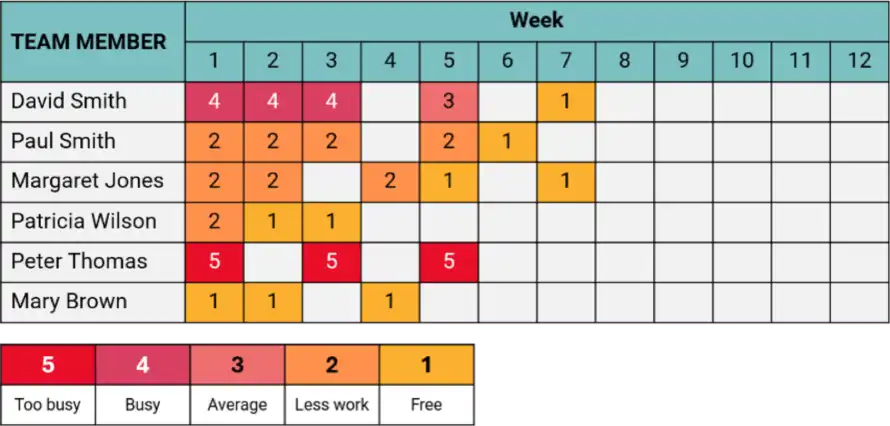
Resource levelling is a technique for managing project resources to achieve optimal resource utilisation. It involves adjusting the allocation of resources to tasks so that resource demand does not exceed the available supply. By smoothing out the use of resources, resource levelling can reduce overallocation and idle time.Everyone involved in the Select your preferred training course below:
Key takeawaysproject management team
- Resource levelling can lead to better resource utilisation and increased productivity. must be clear what they are accountable and responsible for.PRINCE2 COURSES
- It can help avoid burnout and reduce project risks.Manage by stagesSelect your preferred training course below:
- It can help project managers create more realistic A project is broken down into 2 more management stages which form ‘stop/continue’ decision points. Any decision to continue necessitates the commitment of money and resources to the next stage. schedulesManage by exceptionAPM COURSES.Authority to take decisions is granted by a higher authority to a lower authority which is an efficient use of senior managers’ time. The higher authority can be kept informed of progress via regular reports, but at the same time, the lower management level can manage with the delegated boundaries. If these boundaries are forecast to be exceeded, this exception is escalated to the higher level for a decision.Select your preferred training course below:
FAQsrisk management
What are the most essential project management techniques? procedure should be set up to handle risks consistently. Risks surpassing the set tolerance level must be brought to senior management’s attention for resolution.IT QUALIFICATIONS
Some of the most important and effective ones include Gantt charts, IssuesSelect your preferred qualification.Work Breakdown StructureProjects , CPM, Kanban boards and Risk Analysis. inevitably face issues and changes, whether external, like new laws, or internal, such as shifting user requirements. PRINCE2 provides guidance for how issues can be managed to avoid them damaging the project, and how changes can be incorporated using cost-effective ways that contribute to the project’s outcomes and benefits.ITIL COURSES
How do Gantt charts help in project management?ProgressSelect your preferred training course below:
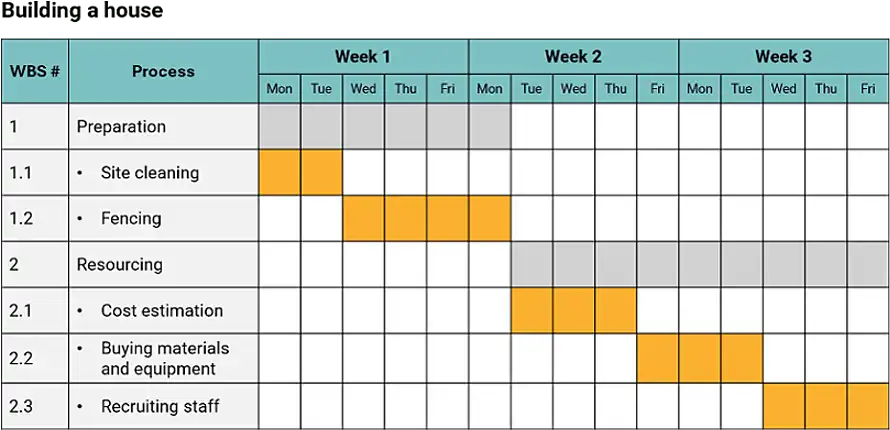
Gantt charts are versatile project management tools. A Gantt chart could help in many ways: from getting you started on your tasks and giving you deadlines to plotting out your timeline and tracking your progress, all the way to giving you an eagle eye on task dependencies and seeing bottlenecks.PRINCE2 identifies two types of controls: time-driven and event-driven.
What is the Work Breakdown Structure (WBS), and why is it important?Time-driven controls, like regular highlight reports from the IT QUALIFICATIONS
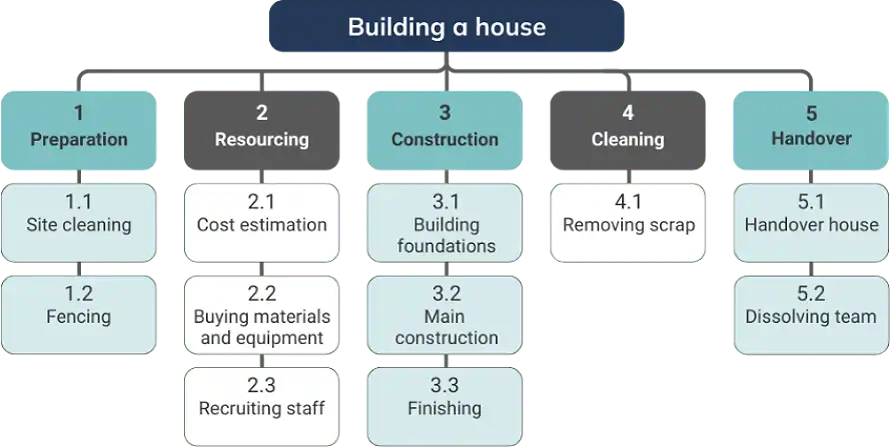
A Work Breakdown Structure or a WBS is a project management technique that decomposes a project into smaller pieces for easier management. A project managerSelect your preferred qualification.WBS to the board, track progress routinely (e.g., weekly). They compare actual progress to expected outcomes, facilitating necessary decisions and adjustments. is critical for task organisation, time and cost estimation and more it allows you to build a clear scope for your project and help you to not get overwhelmed and not forget anything important.Event-driven controls arise in response to specific events. For instance, an exception report is created when a tolerance threat is predicted. These reports inform decision-making in response to events and are directed to the management level with decision-making authority.ITIL COURSES
How can Kanban boards improve project workflow?ProcessesSelect your preferred training course below:
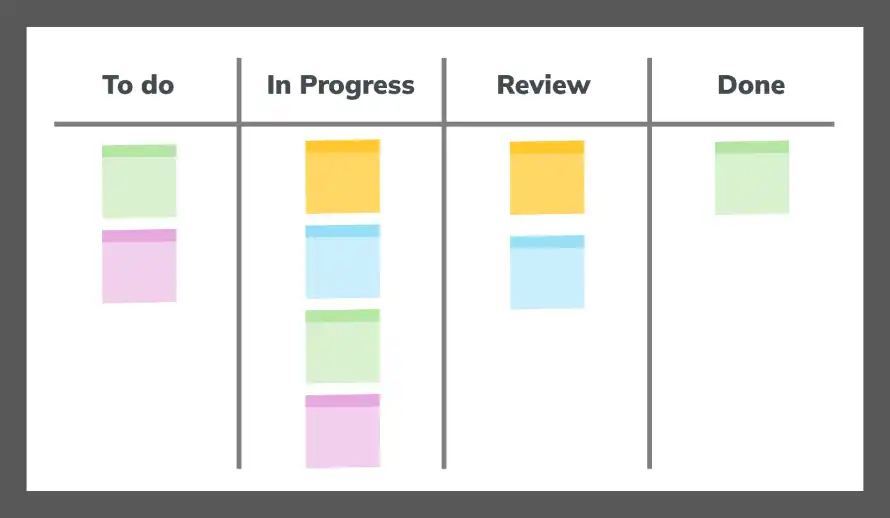
Kanban boards are visual tools that can help you and your team to visualise and manage tasks and workflows. Kanban boards will help your team collaborate, limit work-in-progress, and manage processes more efficiently, they also help you to see the bottlenecks easily. Kanban boards are a more popular tool for recurring processes and Processes within the Agile project managementPRINCE2 methodologyLEARNING LIBRARIES. outline the decisions to be made, by whom, and when during the project. The Select your preferred training course topic.
What is the Critical Path Method (CPM), and how does it help in scheduling?processes
The Critical Path Method or CPM is a project scheduling technique that analyses your project in terms of tasks’ sequence and duration. CPM will help you to identify the longest chain of dependent tasks in your project, the so-called critical path, which would then help you in your decision-making: it will allow you to see what your project’s minimal duration is and what tasks can be delayed or rescheduled without affecting the project in general. The CPM is very useful in resource planning and allocation, as well as ensuring you have a solid deadline. span from just before the project begins to its closure, aligning with management stages that act as ‘stop/continue’ major decision points. These processes ensure a structured project progression, with investment decisions made on a stage-by-stage basis.AI QUALIFICATIONS & WORKSHOPS
What is Scrum, and how does it fit into Agile project management?The PRINCE2 methodology outlines 7 processes which address:Select your preferred qualification or workshop.
ScrumRequired decisions is an Agile project management framework that organises the work into short iterative cycles (sprints). Scrum relies on defined roles (Product Owner, Development Team and Decision-makersAIPGF COURSESScrum MasterSupporting Select your preferred training course below:), events (sprint planning, daily stand-ups) and tools (sprint backlog). Scrum helps teams to plan and manage their work, adapt to changing requirements, and deliver value quickly.management products
How does Agile project management differ from traditional methods?Timing of decisions.BCS AI COURSES
AgileThese processes are where PRINCE2’s principles and practices are implemented and equate ‘Process Groups’ in the PMBOKSelect your preferred training course below: is an iterative and incremental approach to product development that values flexibility, collaboration, and customer satisfaction over following a rigid plan. Agile teams embrace change even late in the project, and they focus on delivering working solutions regularly rather than following a fixed set of requirements. Agile is all about continuous improvement and responding to feedback, and there are different ways (frameworks) to do it.®
Infographic. The processes ensure methodical project progression, from before the project begins, through to when the project is closed.AIPGF COURSES
