
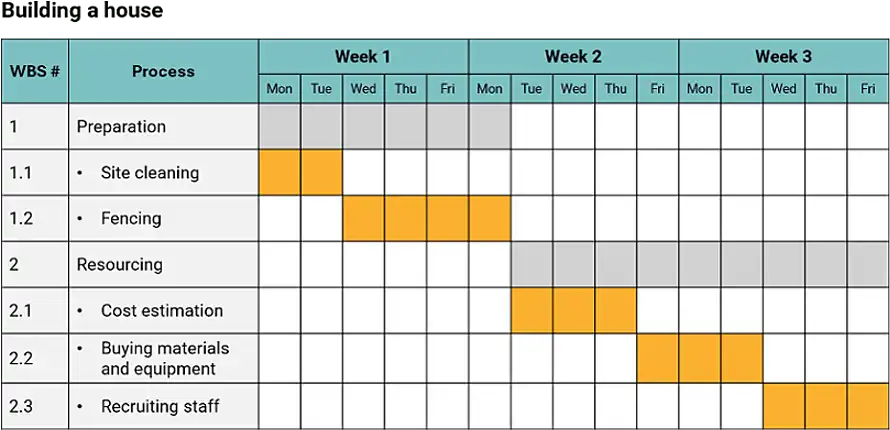
A Gantt chart typically consists of a horizontal bar chart with the project tasks listed on the vertical axis on the left side and the time periods spread across the top. The project tasks are then represented by horizontal bars spanning the time periods in which they are scheduled to be performed. The length of the bar indicates the duration of each task. This format allows CHANGE MANAGEMENT COURSESproject managersSelect your self-paced training course topic. and team members to:
- Clearly visualise the project timeline and the duration of each taskAPMG CHANGE MANAGEMENT COURSES
- Identify dependencies and relationships between tasksSelect your preferred training course below:
- Track progress against the planned schedule
- Allocate resources to tasksPROGRAMME MANAGEMENT COURSES
- Communicate the project timelines to stakeholders.Select your self-paced training course topic.
Some modern Gantt chart software provides additional features such as colour-coding of tasks, milestone markers, and linking of dependent tasks. Some tools also allow for resource allocation and workload management directly from the Gantt view.
Gantt charts are most useful when you want to provide an overview of the entire project. However, for large and complex projects, they may become cluttered and difficult to read. Despite this, Gantt charts remain a popular tool for project managers because of their intuitive design and ability to communicate complex scheduling information quickly and clearly.MSP COURSES
Project network diagramsSelect your preferred training course below:
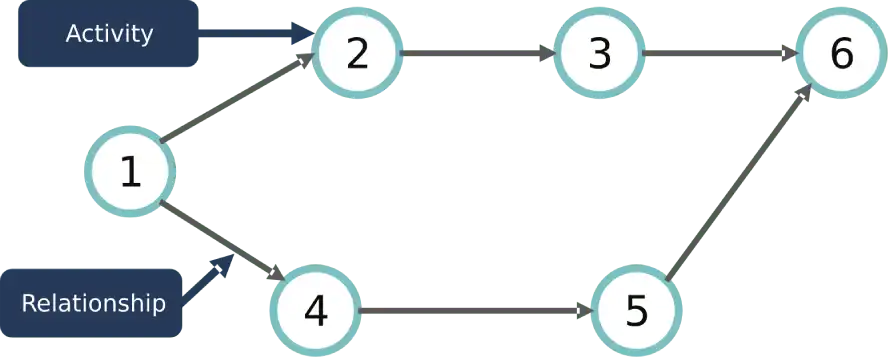
Project Network Diagrams , as the name implies, are graphical representations of a project’s tasks and their relationships, showing how the project activities are sequenced and interrelated. These diagrams provide a visual depiction of the project flow and are commonly used in project management methodologies that include Critical Path Method (CPM) and Program Evaluation and Review Technique (PERT).IT QUALIFICATIONS
Network diagrams typically use nodes to represent tasks or activities and arrows to indicate dependencies between these tasks. They allow for a clear visualisation of task sequences and can help project managers identify potential bottlenecks or critical paths in the Select your preferred qualification.project schedule .ITIL COURSES
Key takeawaysSelect your preferred training course below:
- Visual representation of task dependencies
- Identify critical path and potential schedule risksIT QUALIFICATIONS
- Facilitate resource allocation and schedule optimisation.Select your preferred qualification.
Quick tips
- Begin with a clear list of all project tasks and their dependencies.ITIL COURSES
- Use software tools for easy creation and updating of network diagrams.Select your preferred training course below:
- LEARNING LIBRARIES
- Utilise color-coding to highlight critical paths or high-risk activities.Select your preferred training course topic.
Common pitfalls
- Overlooking important task dependencies.AI QUALIFICATIONS & WORKSHOPS
- Creating overly complex diagrams that are difficult to understand.Select your preferred qualification or workshop.
- Failing to update the diagram as project scope or timelines change.
- Neglecting to consider resource constraints when analysing the network.AIPGF COURSES
By learning project network diagrams, managers can enhance their ability to plan, schedule, and control complex projects effectively.Select your preferred training course below:
Scheduling and time managementKnowledge Train is a PRINCE2 Agile Accredited Training Organization.
Critical Path Method (CPM)
The Knowledge Train is an Agile BA Accredited Training Organization.Critical Path Method (CPM) is a fundamental project management technique used to determine the longest sequence of dependent tasks that must be completed for a project to be finished on time. This sequence of tasks is known as the critical path. The CPM was first developed in the late 1950s and has since been widely adopted for BCS accrproject scheduling and control in various industries.
CPM involves the following key steps:
- Identifying all project tasks
- Determining task dependencies
- Estimating task durations
- Calculating the earliest and latest start and finish times for each task
- Identifying the critical path and the float time for non-critical tasks.edited training partner for Business Analysis.
The critical path represents the sequence of tasks that directly affects the project’s overall duration. Any delay in a critical path task will result in a delay in the project completion date, unless the delay is addressed through corrective action.
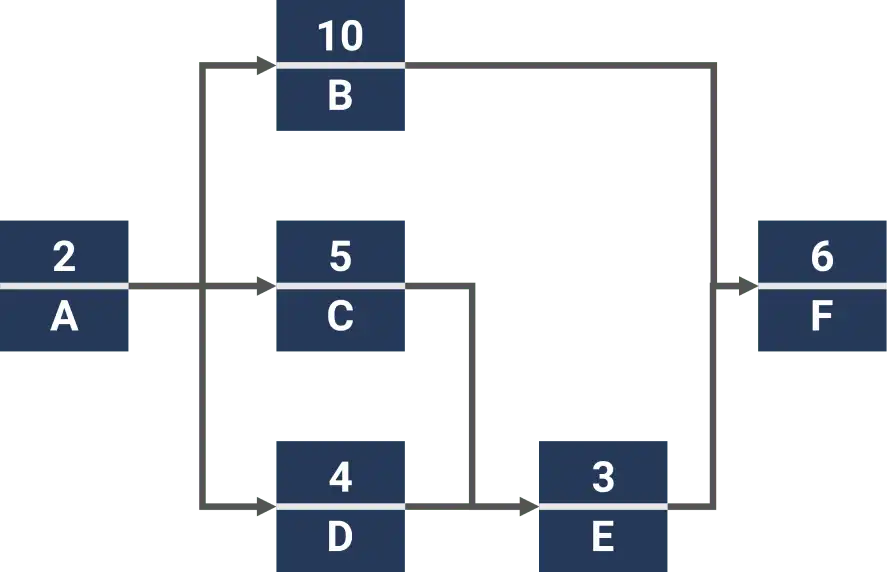
CPM offers several benefits:Knowledge Train is an Agile BA Accredited Training Organization.
- Provides a visual overview of project schedules
- Highlights tasks that have the most significant impact on project durationKnowledge Train is a Change Management Accredited Training Organization.
- Helps optimise resource allocation
- Enables “what-if” scenario analysis.Knowledge Train is an MSP Accredited Training Organization.
To effectively apply CPM, project managers often use specialised software that can handle complex calculations and visualise schedules. These tools can also integrate with other techniques like Gantt charts and resource levelling.
While CPM is well-suited for projects with well-defined tasks and dependencies, it may be less effective for projects with high levels of uncertainty or frequent changes. In such cases, it’s often used in conjunction with other techniques, such as PERT or Knowledge Train is a PRINCE2 Accredited Training Organization.Agile methodologies , for a more adaptive approach.Knowledge Train is an AgilePM Accredited Training Organization.
PERT (Program Evaluation and Review Technique)
PERTKnowledge Train is a PRINCE2 Agile Accredited Training Organization. is a project management technique that can be used for projectsKnowledge Train is a Better Business Cases Accredited Training Organization. with uncertain or variable task durations. Developed in the 1950s for the U.S. Navy’s Polaris missile program, PERT allows project managers to incorporate probabilistic time estimates into their project schedules.
PERT requires the creation of a network diagram of all project tasks, along with three time estimates for each task:Knowledge Train is an AgilePM Accredited Training Organization.
- Optimistic time (O): The shortest time the task could possibly take.
- Most likely time (M): The best estimate of how long the task will take, based on available information.Knowledge Train is a PRINCE2 Agile Accredited Training Organization.
- Pessimistic time (P): The longest time the task could possibly take, considering all potential issues.
The expected time (E) for each task is then calculated as E = (O + 4M + P) / 6.Knowledge Train is a Lean Six Sigma Accredited Training Organization.
Key takeaways
- Provides more realistic project timelines by accounting for uncertaintiesBCS accredited training partner for Business Analysis.
- Identifies critical paths and potential schedule risks
- Helps in better resource allocation and Knowledge Train is a Change Management Accredited Training Organization.risk management
- Allows probabilistic analysis of project completion times.Knowledge Train is an MSP Accredited Training Organization.
Quick tips
- Leverage software tools for PERT calculations and visualisations.AXELOS Peoplecert accredited training organisation for ITIL (IT Infrastructure Library).
Common pitfalls
- Overreliance on extreme (optimistic or pessimistic) estimatesKnowledge Train is an AIPGF Accredited Training Organization.
- Neglecting task dependencies
- Failing to update analysis as the project progressesKnowledge Train is an AIPGF Accredited Training Organization.
- Misinterpreting results as definitive rather than probabilistic.
PERT can be time-consuming to apply to large projects, and it may not be necessary for every project. It is most useful when used judiciously, in combination with other techniques, and applied to the most critical or highly uncertain aspects of a project.BCS accredited training partner for Business Analysis.
Kanban boards
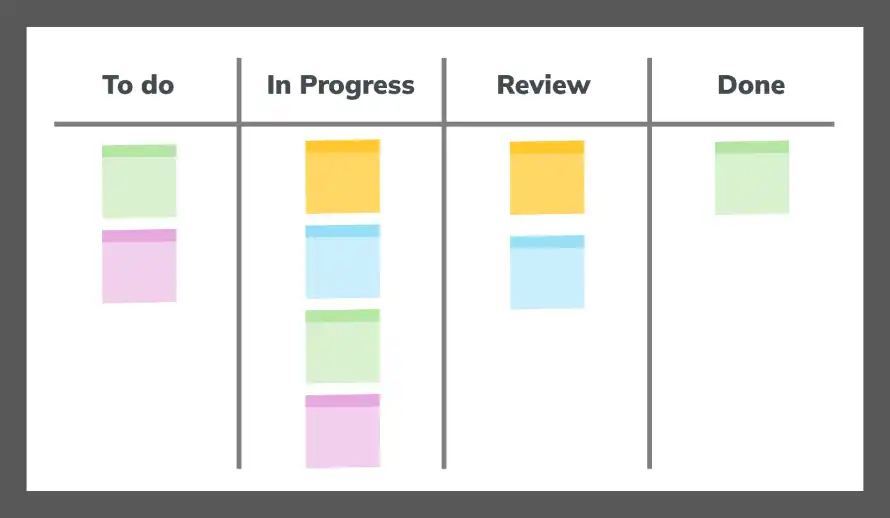
Kanban BoardsWHAT YOU WILL GET are a visual project management tool that originated in Toyota’s lean manufacturing system and have since become popular in various industries, particularly in software development and Our courses and workshops include:Agile project Certification exam(s) where applicable
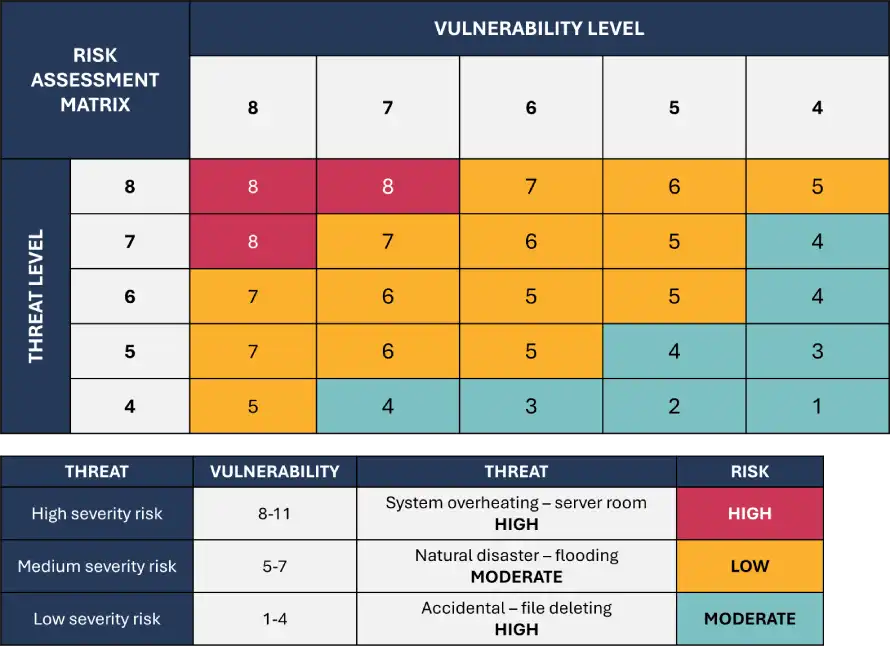
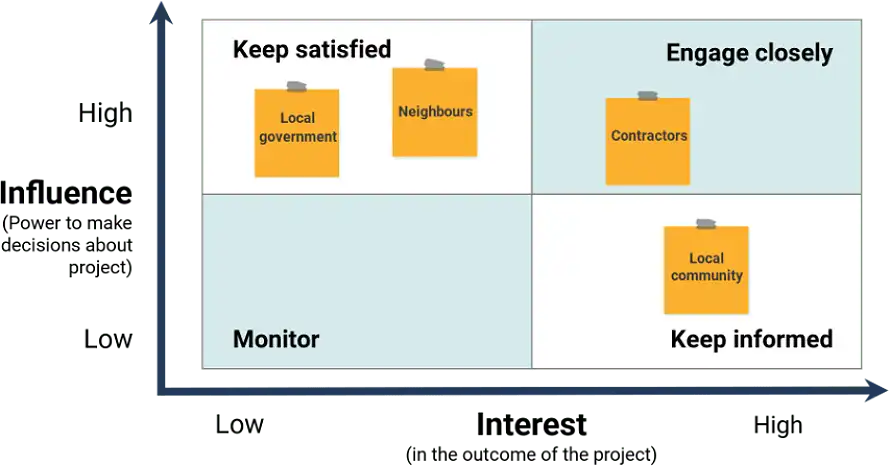
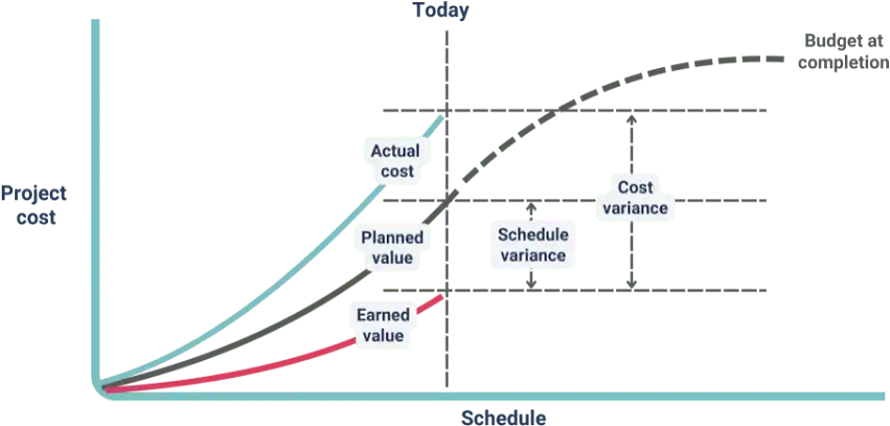
(CBA) is a financial evaluation technique that assesses the expected costs and benefits of a project or decision. It aims to determine whether the project is economically viable and justifiable.Malta
Five steps to perform a CBA:Netherlands
- Identify all the costs and benefits associated with the projectPoland
- Monetise the costs and benefits in monetary termsPortugal
- Compare the present value of costs and benefits using metrics such as net present value (NPV) or benefit-cost ratio (BCR)Romania
- Analyse the sensitivity of the results to changes in assumptions or inputsSlovakia
Common pitfalls
- Overlooking or underestimating hidden or long-term costs or benefits
- Overestimating the benefits or underestimating the costsInstructor-led
- Not considering alternative options or the status quo
- Not accounting for risks and uncertainties.
Resource levelling
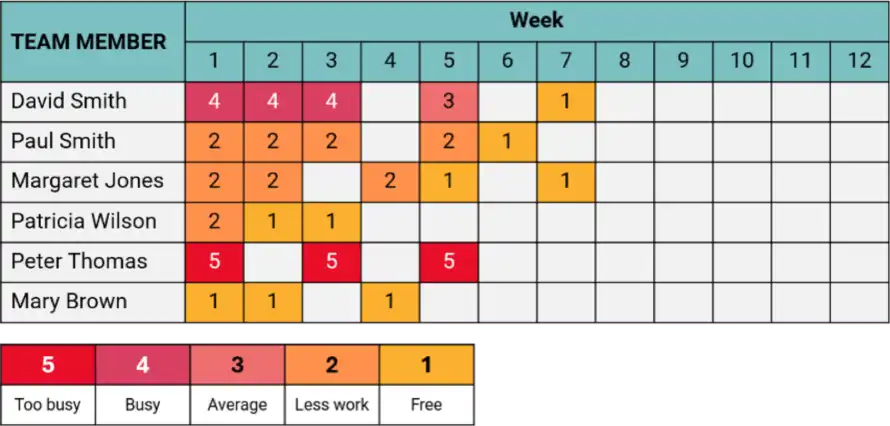
Resource levelling is a technique for managing project resources to achieve optimal resource utilisation. It involves adjusting the allocation of resources to tasks so that resource demand does not exceed the available supply. By smoothing out the use of resources, resource levelling can reduce overallocation and idle time.
Key takeawaysSelf-paced
- Resource levelling can lead to better resource utilisation and increased productivity.
- It can help avoid burnout and reduce project risks.
- It can help project managers create more realistic schedulesProject management courses.Compare project management qualifications and practical workshops. Choose the route that fits your role, experience and goals.
Quick tips
- Identify resource constraints early in the project planning process.
- Use Accredited qualifications availableproject management software that includes resource levelling capabilities.
- Prioritise critical path activities when levelling resources.Practical workshops
- Communicate any resource changes to team members and stakeholders.
Common pitfalls
- Over-optimising resources at the expense of meeting project deadlines.Expert trainers
- Forgetting to account for the skill sets of individual resources when reallocating them.
- Failing to update the resource levelling as the project progresses. Compare options
- Overlooking the impact of resource levelling on project costs.
Conclusion Speak to our team
Project managers can add the project management techniques described in this article to their project management toolkits. The larger the toolkit, the better equipped they are to handle the challenges their projects throw at them.
Project managers who effectively implement these techniques can improve their project plans , resource scheduling, time and cost management, risks and stakeholders’ management and project performance.
Informed decisions and right use of these techniques can help project managers deliver better project outcomes.
FAQsChoose your route
What are the most essential project management techniques? Not sure where to start? Pick the path that matches what you’re trying to achieve - then explore the best-fit options.
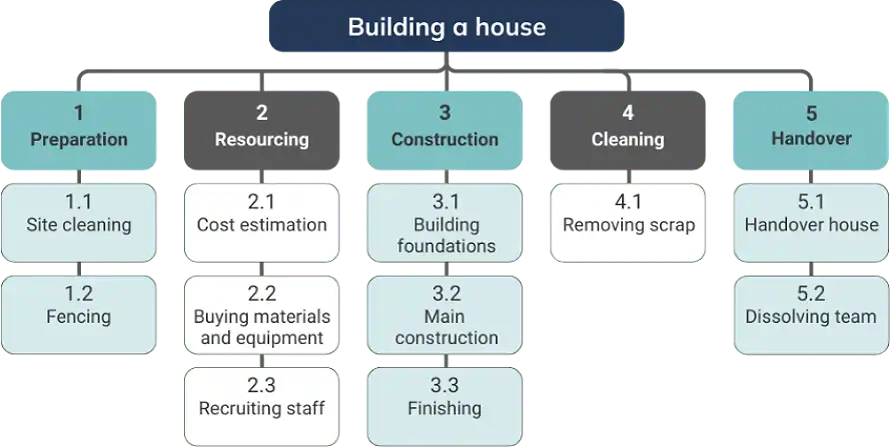
Some of the most important and effective ones include Gantt charts, Project management qualificationsWork Breakdown Structure For professionals choosing between APM, PRINCE2, and Agile Project Management qualifications., CPM, Kanban boards and Risk Analysis.
How do Gantt charts help in project management?
Gantt charts are versatile project management tools. A Gantt chart could help in many ways: from getting you started on your tasks and giving you deadlines to plotting out your timeline and tracking your progress, all the way to giving you an eagle eye on task dependencies and seeing bottlenecks.Compare qualifications
What is the Work Breakdown Structure (WBS), and why is it important?
A Work Breakdown Structure or a WBS is a project management technique that decomposes a project into smaller pieces for easier management. A PMO and governance qualificationsWBS For PMO professionals and decision-makers who need governance, control and stronger investment decisions. is critical for task organisation, time and cost estimation and more it allows you to build a clear scope for your project and help you to not get overwhelmed and not forget anything important.
How can Kanban boards improve project workflow?
Kanban boards are visual tools that can help you and your team to visualise and manage tasks and workflows. Kanban boards will help your team collaborate, limit work-in-progress, and manage processes more efficiently, they also help you to see the bottlenecks easily. Kanban boards are a more popular tool for recurring processes and Compare qualificationsAgile project management . Workshops and practical skills
What is the Critical Path Method (CPM), and how does it help in scheduling? For people who want practical project management skills quickly, with a Knowledge Train certificate.
The Critical Path Method or CPM is a project scheduling technique that analyses your project in terms of tasks’ sequence and duration. CPM will help you to identify the longest chain of dependent tasks in your project, the so-called critical path, which would then help you in your decision-making: it will allow you to see what your project’s minimal duration is and what tasks can be delayed or rescheduled without affecting the project in general. The CPM is very useful in resource planning and allocation, as well as ensuring you have a solid deadline.
What is Scrum, and how does it fit into Agile project management?
ScrumExplore workshops is an Agile project management framework that organises the work into short iterative cycles (sprints). Scrum relies on defined roles (Product Owner, Development Team and Scrum MasterAlready know what you’re looking for?), events (sprint planning, daily stand-ups) and tools (sprint backlog). Scrum helps teams to plan and manage their work, adapt to changing requirements, and deliver value quickly. Jump straight to
How does Agile project management differ from traditional methods?APM
Agile, is an iterative and incremental approach to product development that values flexibility, collaboration, and customer satisfaction over following a rigid plan. Agile teams embrace change even late in the project, and they focus on delivering working solutions regularly rather than following a fixed set of requirements. Agile is all about continuous improvement and responding to feedback, and there are different ways (frameworks) to do it.PRINCE2
Infographic,
