Core project management roles enables organisations to achieve optimal
Project manager (PM)project delivery
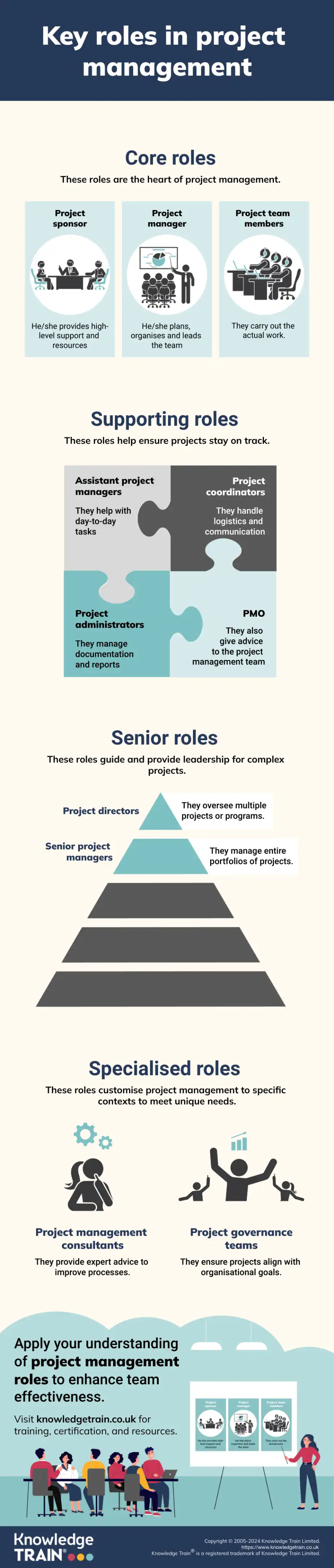
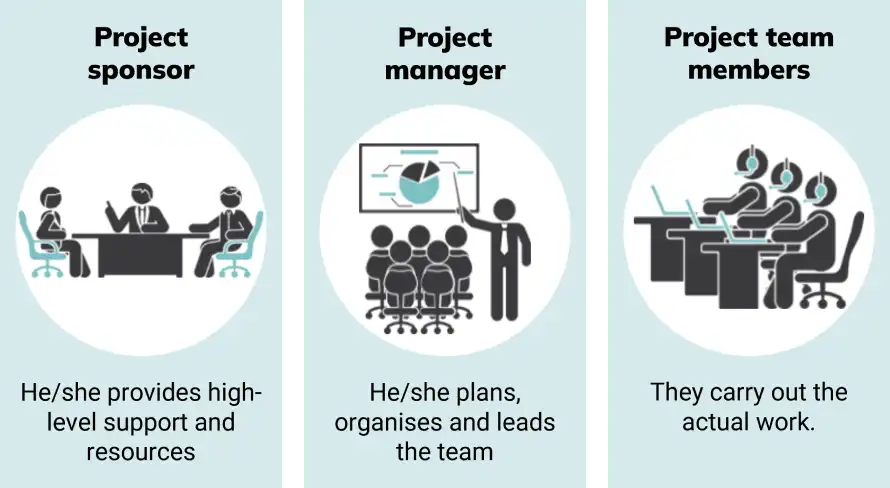
This role serves as the central hub of any project, assuming responsibility for its successful execution. This pivotal role involves the coordination of resources, people, and tasks to ensure that the project stays on track and meets its predefined objectives. Some of the core responsibilities that fall under this role include: through strategic methods. The Project Management Office functions as a central point for managing and coordinating all projects within an organisation.
- Planning and defining the project scopePMO consultants
- Creating and managing budgets apply their specialised knowledge to create and improve these structures while making sure they support business goals.
- Developing schedules and timelinesThis article explores:
- Implementation across various industries
- Mitigating risks and resolving issuesBest practices for success
- Communicating with stakeholders.Top PMO consulting firms.
- LeadershipUnderstanding PMO consulting: Inspiring and motivating team members to perform at their bestWhat is a PMO?
- CommunicationA : Clearly conveying ideas, expectations, and instructions to all parties involvedProject Management Office
- Problem-solving (PMO) serves as an organisational unit which manages and supervises : Addressing and resolving challenges and obstacles efficientlyproject management activities
- Adaptability. This unit functions as the primary location for managing coordination and standardisation of projects within an organisation.: Adjusting strategies and plans as necessary to meet changing circumstancesCore functions and responsibilities
- OrganisationDeveloping and maintaining project management standards: Managing multiple tasks and priorities simultaneously without losing focus.Providing
This role is crucial to the success of any project. It acts as the glue that holds the project together and maintain the entire process moving in the right direction. This role keeps the project aligned with organisational goals, ensure deadlines are met, and foster collaboration and communication among team members. By expertly balancing constraints such as time, budget, and scope, this role significantly increase the chances of achieving the desired project outcomes and delivering value to all stakeholders.project management tools
Project sponsor and methodologies
The Monitoring project performance and reportingproject sponsorManaging resource allocation across projects plays an important part in starting and supporting Ensuring alignment of projects with business objectives.projectsTypes of PMOs from initiation through completion. This role, typically held by someone at an executive or senior management level, champions the project and ensures it is in alignment with organisational objectives. Some of the key responsibilities that fall under the project sponsor’s domain include:Supportive
- Securing funding and resources for the project: Provides templates, best practices, and training
- Approving the project charter and project scopeControlling
- Making high-level decisions related to the project: Ensures adherence to standards and methodologies
- Providing resolution to any escalated issues.Directive
Project sponsors act as the connection between the project team and senior-level stakeholders. They are responsible for clearly communicating the value and progress of the project to these stakeholders. The project sponsor is also the final person with accountability for the project budget and results.: The Directive PMO assumes total responsibility for project execution and management..
The relationship between the sponsor and the PM is vital to the success of the project. This role oversees the day-to-day operations of the project, while the sponsor provides strategic guidance and support by:The role of PMO consultants
- Offers strategic directionPMO consultants serve as
- Provides political supportexternal advisors
- Eliminates organisational barriers. who help organisations build or enhance their PMO operations.
This strong partnership guarantees that the project is on track, has enough resources and is well aligned with business goals. By actively engaging with and supporting project sponsors, the PM increases the likelihood of project success and stakeholder satisfaction.Expertise and skills
Project team membersIn-depth knowledge of
Project team members are a collection of skilled and experienced professionals who apply their specialised knowledge to help projects meet their goals. These team members can take on many different titles or roles, including:project management methodologies
- Developers and engineersStrong analytical and problem-solving abilities
- Designers and other creative specialistsExcellent communication and leadership skills
- Quality assurance (QA) testersKnowledge of different industry sectors along with their unique operational problems.
- Business analystsServices offered
- Subject matter experts.PMO setup and implementation
Project team members’ primary responsibilities include:Process improvement and standardisation
- Completing the tasks assigned to them within the specified timelinesTraining and skill development for internal teams
- Maintaining quality standards throughout the projectChange management
- Reporting progress and any challenges encountered to the PM and organisational alignment
- Contributing ideas to problem-solving and innovative solutions.Performance measurement and reporting systems implementation.
CollaborationOrganisations gain access to valuable plays a significant role in the success of any project. Team members are expected to:external perspectives
- Communicate effectively and consistently with all stakeholders and team members and industry best practices through PMO consultancy. Through customisation of PMO structures they ensure project management processes meet specific business requirements for peak efficiency and effectiveness. Companies attain improved project outcomes by accelerating PMO maturity through the application of expert knowledge.
- Share knowledge and resourcesEnhance your skills with our expert-led courses
- Help their colleagues succeed
- Be adaptable to the changing project requirements.
By promoting open communication, trust, and respect, project team members can overcome project challenges more effectively. This kind of collaboration boosts productivity, creativity, and ultimately, the success of the project, thereby contributing to the achievement of the organisation’s strategic goals.
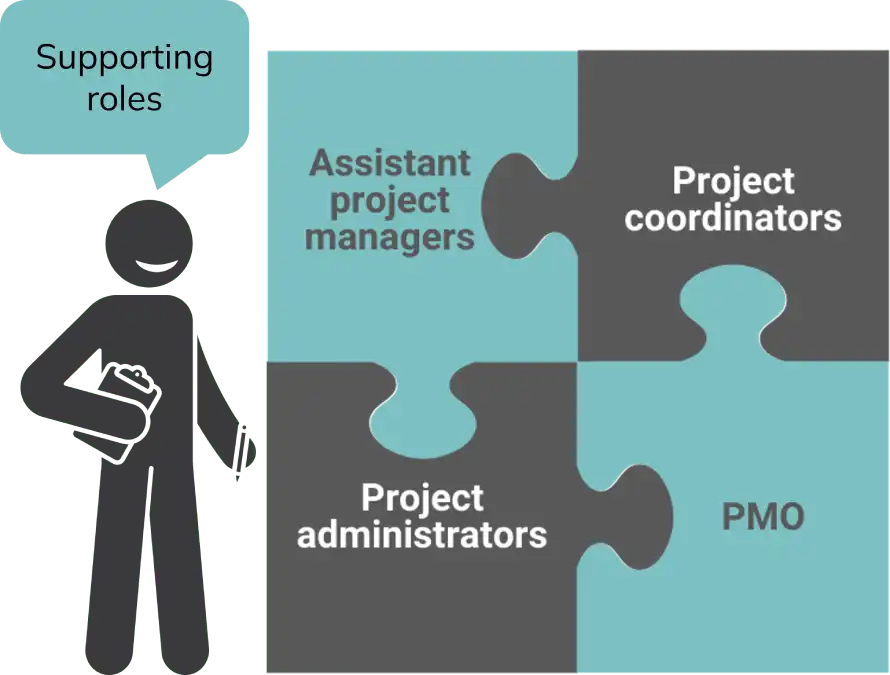
- Today’s Project Management Offices gain significant advantages using sophisticated Guiding organisations through complex project challenges
- Mentoring internal PMs.project management software
Common tasks for a project management consultant involve: and analytical tools. Consultants must identify and deploy effective technologies that improve project visibility while streamlining operations and delivering crucial decision-making information.
- Assessing project plans and deliverablesFocusing on communication and collaboration
- Developing customised Good PMOs enable transparent communication throughout every organisational level. Consultants need to set up strong information-sharing channels and promote joint problem-solving between project management frameworksproject teams and methodologies and stakeholders.
- Providing guidance and support in overcoming project challengesInvesting in training and development
- Training and coaching internal PMs and teams.A successful PMO relies on skilled professionals. Consultants need to build complete training programmes that will improve the skills of PMO personnel and
Advantages of hiring a project managersproject management consultant. Through this investment the organisation secures its ability to sustain and advance project management practices beyond the consultants’ departure. include:PMO consultants provide substantial benefits to their clients by following established best practices. Sustainable improvement strategies reinforce project management capabilities which result in better organisational performance and competitive advantages.
- Gaining access to industry expertise and best practices.Challenges and pitfalls in PMO consulting
- Improved project success rates and efficiencyCommon obstacles faced by PMO consultants
- Enhanced risk management and mitigation strategiesConsultants working with PMOs regularly face organisational resistance when attempting to implement changes. Stakeholders might view the PMO as an organisation that imposes bureaucratic constraints or threatens their independence. The lack of sufficient resources and impractical goals can obstruct progress. When executive support fluctuates it can weaken the PMO’s power and its overall performance.
- Faster adoption of effective Strategies for overcoming challengesproject management techniquesConsultants must demonstrate .tangible value
Project management consultants bring valuable experience from working with diverse organisations, helping companies refine their project management processes and achieve their objectives more effectively. early in the implementation process to address these obstacles effectively. Creating solid connections with primary stakeholders and ensuring PMO goals match organisational objectives is essential. Consultants need to ensure sufficient resources are allocated while establishing practical timelines for PMO development.
Project governance
Project governance refers to the framework and processes that ensure effective oversight and strategic alignment of projects within an organisation. Components include:
Steering committee