Project management steps, overseeing a suite of interlinked projects all aimed at a common goal.

Key takeaways
Strong project delivery comes from following a clear lifecycle and staying disciplined on communication, change, and learning.
- Use initiation to justify the work, define scope, and secure stakeholder alignment via a charter.Self-paced
- Build a detailed plan with requirements, work breakdown, schedule, budget, and agreed risk responses.MSP Practitioner (with Foundation) self-paced online
- Execute by delegating clearly, managing workflows, and using tools that keep work and communication visible.
- Monitor progress with CSFs and KPIs, control costs and resources, and act quickly on variances.£1,399 +vat
- Close formally with acceptance, a review of outcomes, lessons learnt, and well organised archives.

IntroductionOptimized resource allocation
Project managementResources, including time, manpower, and finances, are allocated and utilized more efficiently across various projects, preventing redundancy and waste. is a vital process for turning ideas into reality. It provides a structured framework that guides teams from planning to execution and, ultimately, to the successful delivery of a project’s objectives. By following the different Risk managementproject management phasesBy looking at a collection of projects, programme management can identify, mitigate, and manage risks that might not be visible at the individual project level., organisations can streamline their processes, optimise resource allocation, and increase the chances of achieving their desired outcomes.Enhanced stakeholder engagement

The significance of Provides a structured framework for consistent and effective communication with all stakeholders, fostering trust and collaboration.project managementManagement of interdependencies in any organisation or initiative cannot be overstated. Effective Enables efficient handling of dependencies between projects, ensuring that the progress or outcome of one project doesn’t adversely impact another.project managementImproved decision-making allows for better control over resources, minimisation of risks and uncertainties, improved communication among stakeholders, and the timely delivery of projects.Offers a holistic view of all projects, leading to better-informed decisions based on comprehensive data and insights.
At the core of effective project management are five distinct phases:Benefits realization
- InitiationGoes beyond just completing
- Planningprojects
- Execution on time and budget, focusing on achieving the desired outcomes and ensuring that the anticipated benefits are realized and sustained.
- Monitoring and controllingIncreased flexibility
- ClosingProvides a framework that can adapt to changes in the business environment or organizational strategy, ensuring projects remain relevant and aligned.
Each of these phases plays a crucial role in a project’s lifecycle and contributes to its overall success. Understanding the purpose and activities associated with each phase is fundamental for Consistency and standardizationproject managersBy adopting a standardized approach, organizations can ensure consistency in the delivery and quality of projects across the board. and their teams to navigate challenges and lead their projects to fruition. In this comprehensive article, we will delve into each project management phase, providing insights and best practices to ensure effective and efficient project management.Continuous improvement
The five phases of project managementFacilitates a culture of learning and improvement by regularly reviewing performance, capturing
The project lifecycle is essential in project management. The five phases of the lessons learnedproject lifecycle, and implementing best practices across all projects. provide a framework for organising and executing Value for moneyprojectsEnsures that investments in individual projects culminate in the desired benefits, yielding a positive return on investment for the organization. from start to finish.Boosted morale and team cohesion
Brief overview of each phaseWith clear objectives and coordinated efforts, teams have a clearer sense of purpose, leading to increased motivation and collaboration.
- InitiationIn essence, : Identify the project’s goals, scope, and feasibility. Document them in a project charter and identify key stakeholders.programme management
- Planning offers organizations a structured and strategic approach to managing multiple projects, ensuring not just their successful delivery but also the realization of broader business objectives and benefits.: Enhance your skills with our expert-led coursesPlan the project in detail, including the timeline, budget, and resources needed. Communication and risk management strategies should also be developed.
- Execution : Execute the project plan, manage team workflows, and ensure effective communication among stakeholders.Instructor-led
- Monitoring and controllingMSP Practitioner (with Foundation) course: Measure and track project progress, performance, and quality to ensure they align with the plan. Adjust as necessary to keep the project on track.
- Closing£1,899 +vat: Deliver the final product or service, conduct a project review, document lessons learnedSee all dates, and archive project documents.
Importance of understanding the project lifecycle
Understanding the project lifecycle can help project managers to:
- Plan for potential problems and stay one step aheadSelf-paced
- Manage resources effectively during the projectMSP Practitioner (with Foundation) self-paced online
- Keep stakeholders informed throughout the project
- Respond to changes in the project without losing control£1,399 +vat
- Uphold quality standards throughout the project.
Project managers can do all these things when they become familiar with the phases in the project lifecycle.
1. Project initiation
Project initiation phase is important for the success of a project. During this stage, the ideas start to take shape, and the vision and purpose of the project are established.
Defining project goals and scope
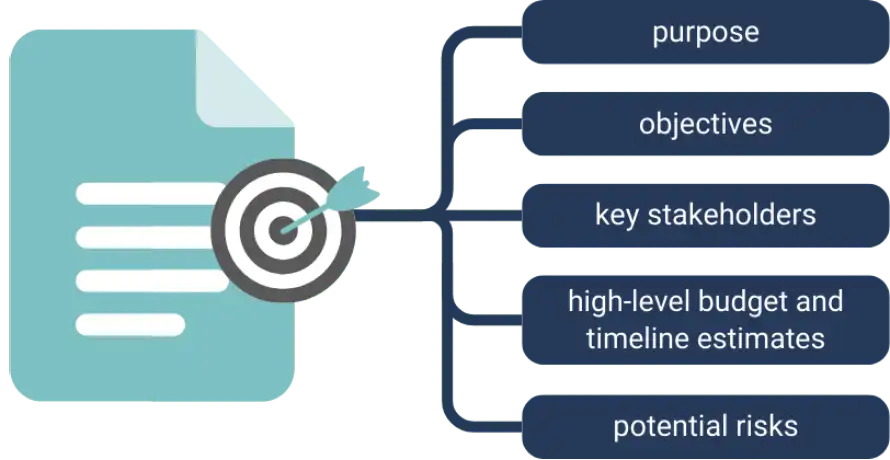
| Description | |
|---|---|
| Project purposeP3O, or Portfolio, Programme and Project Offices, is a best practice framework that helps organisations optimise decision-making, governance and delivery across their initiatives. Learn how the P3O model supports effective management of portfolios, programmes and projects. | Clear statement of the project’s objectives |
| Scope | High-level description of what’s included and excluded |
| Timelines | Estimated start and end dates |
| Budget | Initial cost estimates |
| Key stakeholdersHow MSP training and qualifications can help your career | List of individuals or groups with vested interest |
Identifying key stakeholdersSimon Buehring
Stakeholder identification19 Feb 2026 is an important part of the successful project. To manage your stakeholders, first make a stakeholder register of all the parties involved and then map out their interests, influence, and impact on the project. Lastly, create a communication strategy for each stakeholder.
When each of these components has been properly considered during the initiation phase, a project manager has set the stage for the rest of the project lifecycle.Discover how MSP training and qualifications can enhance your career and contribute to successful programme design and delivery. Read on for more.
2. Project planning
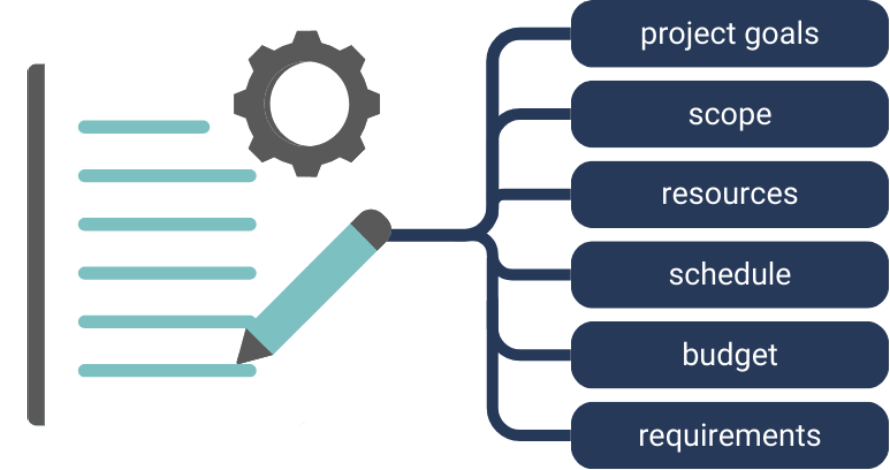
The planning process is vital in ensuring that a project will be successful. It involves the development of a project plan .
The project plan elaborates on the project charter. It includes the following major components: the technical requirements, the work breakdown structurePortfolio management – Interview with Ipek Sahra Özgüler (which outlines the work to be performed), the resource management plan, and the schedule for the work and major milestones.
Defining technical requirementsSimon Buehring
Technical requirements19 Feb 2026 clearly define the characteristics of the project’s deliverables in terms of functions, features, and technical aspects. To define and document technical requirements effectively:
- Involve stakeholders and collaborate with them to gather requirementsGain insights into portfolio management from expert Ipek Sahra Özgüler and its strategic importance. Read the interview for deep insights.
- Prioritise requirements based on their importance and feasibility
- Ensure the requirements are stated clearly and unambiguously
- Validate the requirements with relevant experts and end-users.
Developing a detailed project schedule
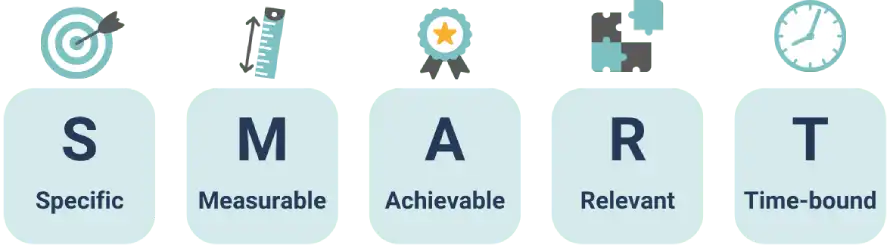
Creating an effective project schedule is crucial for meeting project deadlines. The steps involved are as follows:
| keholders | Identify all parties involved in communication |
| Frequency | Determine how often updates will be shared |
| Channels | Specify methods of communication (e.g., emails, meetings) |
| Content | Outline what information will be shared |
| Responsibilities | Assign roles for creating and disseminating information |
Risk assessment and mitigation strategiesGive us a call
Successful risk management includes:
- Identifying potential risks+44 (0)207 148 5985
- Determining their likelihood and impact
- Developing mitigation strategies for the highest priority risksOr chat with us using the link at the bottom of the screen.
- Continuously monitoring and updating the risk assessments throughout the project.Contact us with questions about the courses on this page, or about which project management certification or training is best for you.
Change management planningFinance FAQs
Change managementContact planning should include establishing a process for proposing and approving changes to the project scope, schedule, or budget, defining roles and responsibilities in the change management process, establishing criteria for evaluating the impact of proposed changes, and creating a system for documenting and communicating approved changes.Cookies
By carefully considering each of these aspects during the planning phase, project managers can set the stage for a successful project execution and delivery.Privacy
3. Project executionTerms
This is the stage where planning turns into action. The work must be supervised and managed at this point in time.Customer Support
Implementing the project plan
Executing the [email protected]project planJoin Our Team involves:
- Delegate tasks to team members based on their skills and availability[email protected]
- Ensure they have the resources they need to complete their tasks Copyright © 2005-2026 Knowledge Train Limited.
- Track progress against the schedule Registered in UK: 5566983.
- Resolve issues as they occur. Registered VAT: GB872413526.
Managing team workflows Knowledge Train
Efficient ®workflow management is a registered trademark of Knowledge Train Limited. is crucial for maintaining productivity. Consider the following strategies: 20 Old Bailey, London, EC4M 7AN, England, United Kingdom.
- Set clear processes for handoffs between team members Knowledge Train are experts in project management, PRINCE2, agile and change management training and certification. Choose from a full range of instructor-led and self-paced
- Use project management coursesAgile approaches, a such as PRINCE2 courseScrum, or an or Kanban to manage projectsagile project management course
- Hold regular stand-up meetings to discuss progress and challenges to boost your career.
- Encourage communication so that bottlenecks can be addressed quickly.PRINCE2
Ensuring effective collaboration®
Collaboration, MSP is key to project success. To foster a collaborative environment:®
| Strategy, ITIL | Description® |
|---|---|
| Clear roles, P3O | Define responsibilities for each team member® |
| Open communication, PRINCE2 | Encourage sharing of ideas and concerns® |
| Shared goals Agile, RESILIA | Align team efforts towards common objectives® |
| Conflict resolution, and the Swirl logo are registered trademarks of the PeopleCert group. Used under licence from PeopleCert. All rights reserved. AgilePM | Address disagreements promptly and constructively® |
Utilising project management tools and AgileBA
Project management tools® can be leveraged to improve execution efficiency. Task management software can be used to track progress and deadlines. Collaboration platforms can centralise communication and file sharing. Time-tracking tools can be implemented to monitor resource allocation and productivity. Reporting dashboards can be utilised to provide real-time project status updates. are registered trademarks of Agile Business Consortium Limited. All rights reserved. The APMG International AgilePM and Swirl Device logo, APMG International AgileBA and Swirl Device Logo, APMG International Change Management and APMG International Better Business Cases and Swirl Device logo are trademarks of The APM Group Limited, used under permission of The APM Group Limited. All rights reserved. Better Business Cases™ is a trademark of Her Majesty’s Treasury. All rights reserved. DevOps Foundation
By effectively implementing these strategies during the execution phase, project managers can ensure smooth project progression and maintain team momentum towards achieving project goals.®
4. Project monitoring and controlling
Monitoring and controlling involves keeping a check on all activities that are being executed to ensure that they are following the project plan.
Tracking progress against goals
Effective progress trackingManage Consent involves:
- Regularly compare actual performance to planned objectivesTo provide the best experiences, we use technologies like cookies to store and/or access device information. Consenting to these technologies will allow us to process data such as browsing behavior or unique IDs on this site. Not consenting or withdrawing consent, may adversely affect certain features and functions.
- Identify variances and their causes
- Take corrective action to address any deviations from the plan
- Update stakeholders on the project’s status and any major changes.
Establishing Critical Success Factors (CSF) and Key Performance Indicators (KPI)
CSFsFunctional and KPIs are essential for measuring project success:
| Metric | DescriptionFunctional |
|---|---|
| CSFs | High-level goals that must be achieved for project success Always active |
| KPIs | Quantifiable measurements that indicate progress towards CSFs |
You can follow these best practices to implement effective progress tracking strategies; first, you must identify CSFs that are aligned with your project goals. Once you have identified CSFs develop KPIs for each CSF that can effectively track the progress towards them and periodically review and update your KPIs as the project progresses.
Managing budget and resources
To manage budget and resources effectively, it is important to track spending against budget, monitor resource allocation to ensure they are being used efficiently, identify potential resource bottlenecks or shortages early on and implement cost-saving measures where necessary.
Adjusting plans as necessary
Project plans may need to be adjusted to overcome unforeseen obstacles, to do this effectively, regularly review the project to identify areas that may need to be changed, evaluate the potential impact of proposed changes on the project scope, timeline and budget, communicate any changes to all relevant stakeholders and update project documentation to reflect approved changes.The technical storage or access is strictly necessary for the legitimate purpose of enabling the use of a specific service explicitly requested by the subscriber or user, or for the sole purpose of carrying out the transmission of a communication over an electronic communications network.
By carefully monitoring and controlling these aspects, project managers can ensure their projects stay on track and adapt to changes as needed.
5. Project closing
Project closing is the phase that formally completes the project . It’s when you finalise project deliverables, review performance, and document learnings for future reference.Preferences
Delivering final project outcomes
Final delivery involves:
- Validating that all project deliverables meet the agreed-upon specificationsPreferences
- Seeking formal acceptance from stakeholders
- Transferring project outputs to the relevant teams or clients
- Closing any remaining contracts or agreements.
Conducting project review meetings
Project review meetings allow you to assess how well the project has performed:
- Convene all key stakeholders to review the project’s outcomesThe technical storage or access is necessary for the legitimate purpose of storing preferences that are not requested by the subscriber or user.
- Assess the project’s success against the initial goals
- Identify areas of excellence and opportunities for improvement
- Seek feedback from team members and stakeholders.
Documenting lessons learnt
Capturing Statisticslessons learnt is vital for organisational growth:
| Aspect | DescriptionStatistics |
|---|---|
| Successes | Document effective strategies and practices |
| Challenges | Note obstacles encountered and how they were overcome |
| Improvements | Identify areas for enhancement in future projects |
Archiving project information
Project archivingThe technical storage or access that is used exclusively for statistical purposes. involves preserving valuable information after project completion. To effectively archive project information, organise all project documentation in a central repository, ensure easy accessibility for future reference, include key documents such as project plansThe technical storage or access that is used exclusively for anonymous statistical purposes. Without a subpoena, voluntary compliance on the part of your Internet Service Provider, or additional records from a third party, information stored or retrieved for this purpose alone cannot usually be used to identify you., reports, and communications and comply with organisational data retention policies.
By carefully managing these closing activities, project managers can ensure a smooth project closure and contribute to ongoing organisational learning and improvement.
Best practices for effective project management
Incorporating effective project management best practices can greatly improve your project’s success. These strategies guide teams through common challenges and help them deliver successful results more consistently.
Embracing Agile methodologies
Following MarketingAgile methodologies can provide flexibility and adaptability:
- Implement iterative development cycles
- Encourage regular stakeholder feedbackMarketing
- Prioritise tasks based on value and adapt plans accordingly
- Foster a culture of collaboration and self-organisation within the team.
Utilising project management software
Project management tools can simplify processes and increase efficiency:
| Tool Type | Benefits |
|---|---|
| Task managementThe technical storage or access is required to create user profiles to send advertising, or to track the user on a website or across several websites for similar marketing purposes. | Organise and track project tasks effectively |
| Collaboration platformsManage options | Facilitate communication and file sharingManage services |
| Resource allocationManage {vendor_count} vendors | Optimise team member workloadsRead more about these purposes |
| Reporting dashboards | Provide real-time project status updatesAccept |
Fostering clear communication
Strong communicationDeny is essential for project success:
- Set up clear communication channels for the team and stakeholdersView preferences
- Ensure frequent status updates and meetings to share information
- Be open to feedback and communication from team members and stakeholdersSave preferences
- Use different communication methods for different stakeholders.
Continuous learning and improvementView preferences
Regular learning and improvement{title} can enhance project management practices:{title}
- Review and analyse project results regularly{title}
- Share and discuss findings and lessons learnt with the teamManage Consent
- Stay informed about the latest trends and best practices
- Seek out training and development opportunities to improve skills.To provide the best experiences, we use technologies like cookies to store and/or access device information. Consenting to these technologies will allow us to process data such as browsing behavior or unique IDs on this site. Not consenting or withdrawing consent, may adversely affect certain features and functions.
These best practices provide a solid foundation for project managers to achieve project success. By focusing on effective communication and a commitment to learning, organisations can foster adaptability, efficiency, and continuous improvement in project delivery .
Conclusion
Project managementFunctional is a vital discipline that plays a critical role in the successful execution of projects within organisations. By following a structured approach and adhering to best practices, project managers can ensure that their teams achieve organisational goals and deliver successful outcomes.
To implement project management best practices, organisations should consider incorporating strategies such as adopting Agile methodologiesFunctional, leveraging project management software Always active , and emphasising clear communication and continuous learning.
These practices not only improve project success rates but also foster a more efficient and effective project management team. Following the phases of project management provides a roadmap for teams to navigate challenges, optimise resources, and meet stakeholder expectations. By consistently applying these principles, organisations can enhance their project delivery capabilities and achieve successful results across all projects.
FAQs
What is the most crucial phase of project management?
The planning phase is arguably the most important phase of project management. This is when you set your goals, resources, and timelines.Statistics
How can I prevent scope creep in my projects?
To avoid scope creep, be sure to clearly define the boundaries of your project, implement a change control process, and regularly review the project scope with stakeholders.
What’s the difference between traditional and Agile project management?
The key difference between traditional and Agile project management is the approach to the development process. Traditional project management is more linear and sequential. Agile methodologies focus on flexibility, iterative development, and continuous stakeholder feedback.Statistics
How often should I conduct project status meetings?
The frequency of project status meetings will vary depending on the complexity and duration of your project. Weekly meetings are the norm, but you can adjust as needed to find a balance between communication and productivity.
What are some common project management pitfalls to avoid?
Some common project management mistakes to avoid include inadequate stakeholder communication, poor risk management, setting unrealistic timelines or budgets, lack of clear objectives, and insufficient resource allocation.
To avoid these mistakes, it is important to carefully plan, monitor, and proactively solve problems throughout the project lifecycle.
Infographic
