
- risk management across the project lifecycle.Best for
- Standardisation:People new to project management, and professionals working in organisations with formal governance, reporting and defined project stages. Implementing and maintaining project management methodologiesChoose this if…, best practices, and standards.You need a method with defined roles, management stages, and clear controls for planning, reporting and decision-making.
- Support: Providing guidance, templates, tools, training and mentoring for Project Managers and teams.You’ll leave with
- Methodology Enforcement:A PRINCE2 certification route (Foundation and Practitioner options) and a practical approach to plan, control and deliver projects. Ensuring consistent application of project management approachesPRINCE2 courses for delivery excellence.
- Resource Management:AgilePM Coordinating allocation and utilisation of project personnel, tools, and budgets.
- Portfolio Management : Overseeing and prioritising Best forprojectsProject professionals and aspiring project managers working with agile delivery teams. to align with strategic objectives and maximise value.
- Process Improvement:Choose this if… Reviewing and refining You need to understand agile project delivery while still managing time, cost and governance expectations.project delivery processes to ensure continuous improvement.You’ll leave with
- Stakeholder Engagement:An AgilePM certification route (Foundation and Practitioner options) and practical techniques for planning and managing agile projects. Acting as an interface between project teams, senior management, and other stakeholders.
- Change ManagementAgilePM courses: Supporting change initiatives and minimising resistance through structured strategies.PRINCE2 Agile
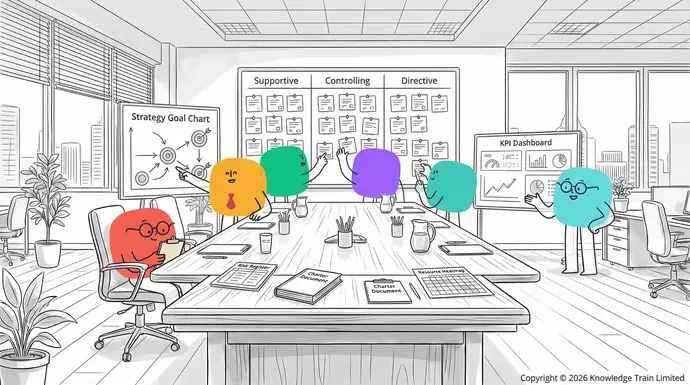
The three main types of Flexible study routesPMOs are: Instructor-led and self-paced options are available across many courses, with clear pathways to choose from.
- Supportive PMO: Quality learning materials Provides templates, best practices, and guidance to Project Managers.
- Controlling PMO: Access course materials and resources designed to help you build understanding and confidence quickly. Enforces standards, methodologies, and reporting requirements. Team training for organisations
- Directive PMO: Takes direct ownership of Run private courses for your team, with tailored focus and delivery to match your goals and timeline.project delivery and management.Trusted by professionals at
Each type varies in authority and responsibility, depending on organisational needs and project complexity.
What does a PMO do?
A PMO establishes and maintains project management standards across the organisation. It supports Project ManagersFAQs, ensures project governance, and aligns initiatives with business goals. The PMO often oversees project portfolios to prioritise strategic investments and optimise resource use.Which project management qualification should I choose?
What does PMO stand for?
PMO stands for Start with your goal: do you want a structured project method, broad project management knowledge, or an agile project delivery approach. PRINCE2 is a defined project management method with governance and controls, APM builds broad project management knowledge, and AgilePM/PRINCE2 Agile focus on agile delivery in project environments. If you’re unsure, use the comparison summaries on this page and then view the qualification page for full details and options.Project Management OfficeWhat’s the difference between PRINCE2 and APM?. It is an organisational function responsible for standardising governance processes, sharing methodologies, tools , and PRINCE2 is a project management method with defined roles, stages and controls you can apply to run projects consistently. APM courses focus on broader project management knowledge and good practice across tools, techniques and professional terminology. If you want a step-by-step method for delivery, PRINCE2 is often a good fit; if you want a wider understanding that applies across many approaches, APM may suit you better.techniquesShould I choose AgilePM or PRINCE2 Agile?, and improving overall project success.
A PMO may vary in size—from a single individual to an enterprise-wide team—but its purpose remains the same: to improve project performance and ensure alignment with business strategyChoose AgilePM if you want a structured approach to managing agile projects end-to-end, with practical techniques for planning and managing delivery in an agile way. Choose PRINCE2 Agile if you want PRINCE2-style governance and controls to work effectively alongside agile delivery practices in teams. If your organisation already uses PRINCE2 controls, PRINCE2 Agile is often the most natural fit..I’m new to project management - where should I start?
What is the difference between a PMO and a Project Manager?
The difference between a PMOIf you want an entry route into qualifications, a Foundation-level course is usually the best starting point (for example PRINCE2 Foundation or APM PFQ). If you’d rather build confidence first without committing to a qualification route, a practical workshop can be a great first step. The best choice depends on your role goals, how quickly you need results, and whether you want a recognised qualification. and a Are there any free project management courses available?Project Manager lies in scope and responsibility. A Project Manager delivers specific projects, managing budgets, timelines, and teams. The PMO, however, provides governance, guidance, and support to multiple projects, ensuring consistency and strategic alignment across the organisation.
What is the purpose of a PMO?
The primary purpose of a PMO is to introduce structure, consistency, and strategic alignment to project management practices. By standardising processes and methodologies, a PMO helps organisations improve project success rates and realise greater value from project investments.
For further reading
For official standards and frameworks, visit PMI.org for comprehensive PMO and project management guidance.There are plenty of free project management introductions online, including short videos, articles and taster lessons. These can be useful for getting a feel for the basics, but they usually don’t include an accredited qualification or an official exam. If your goal is a recognised credential (such as PRINCE2, APM or similar), you should expect to pay for training and assessment. If you’d like a low-commitment way to explore the topic first, you can