
Key takeaways
Business analysis turns business needs into clear requirements and evidence-based decisions.
- Business analysis aligns strategic goals with delivery by bridging stakeholders and technical teams.
- Clear requirements and validation reduce project risk and improve solution fit, cost and feasibility.
- Techniques like SWOT, gap analysis, process modelling and data analysis expose opportunities and bottlenecks.
- Embedding analysis in governance strengthens planning, transparency and measurable outcomes.
- Rigour can be maintained alongside speed by using consistent standards, templates and lightweight frameworks.
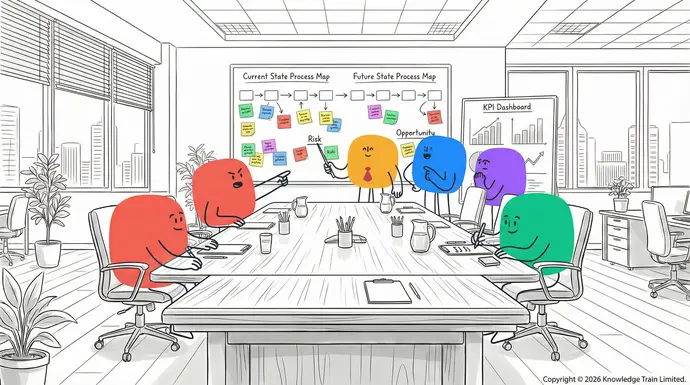
Business analysis: definition and overview
Business analysisExam preparation tips is a professional discipline that involves understanding business needs and problems, eliciting and documenting requirements, and proposing solutions that drive process improvementFAQs and deliver value. It acts as a bridge between stakeholders and technical teams, ensuring that strategic objectives are aligned with operational execution. Reputable bodies such as the Introduction to Scrum certificationInternational Institute of Business Analysis (IIBA)Scrum certification define business analysis as the practice of enabling change in an organisational context by defining needs and recommending solutions that yield benefits for key stakeholders. demonstrates your knowledge and ability to apply
PMI: to support broader career progression. Agile project experience and prerequisite hours needed.
FAQs, and interactive sessions.
What is business analysis?Value and career benefits of Scrum certification
Business analysis is the systematic investigation and evaluation of business needs to recommend solutions that achieve organisational objectives. It includes requirements gathering, stakeholder engagement, and process optimisation.Holding a Scrum certification signals verified expertise in the
What does a business analyst do?Agile methodology
A business analyst identifies business problems, elicits requirements, engages stakeholders, and ensures that proposed solutions align with business goals. They act as a bridge between business and IT functions. and is associated with
What are the key techniques in business analysis?career advancement
Common . According to global salary data, certified Scrum Masters and Product Owners command higher salaries and are preferred by employers seeking to implement or scale Agile frameworks. business analysis techniquesCertification include validates your commitment to best practices in SWOT analysisAgile project management, gap analysis, requirements elicitation, process mapping, use case modelling, and stakeholder analysis..
What are the main types of requirements in business analysis?Greater employability in industries adopting
Practise time management with full-length mock exams.International Diploma in Business Analysis, and Practitioner certificates in Business Analysis Practices, Requirements Engineering, and Modelling Business Processes.Focus on Scrum roles, events, artefacts, and common scenarios faced by Scrum Masters and Product Owners.
In addition, there are IIBA’s ECBA, CCBA, and CBAP, which validate knowledge of BABOK and proficiency in requirements elicitation, stakeholder engagement, and process improvement.FAQs
How does business analysis differ from project management?How do you get Scrum certified?
Business analysis focuses on defining requirements and recommending solutions, while To become Scrum certified, select a certification provider and relevant exam (such as PSM, CSM, Scrum Essentials, or SAFe Scrum Master), complete any required training, prepare using official materials, and pass the certification assessment. Update your CV and profiles to reflect your achievement.project managementWhich organisations offer Scrum Certification? is concerned with planning, executing, and Major organisations include delivering projectsScrum.org within scope, time, and budget constraints.,