
Business analysis: definition and overview
Business analysisBusiness analysis: definition and overview is a professional discipline that involves understanding business needs and problems, eliciting and documenting requirements, and proposing solutions that drive process improvementThe objectives and value of business analysis and deliver value. It acts as a bridge between stakeholders and technical teams, ensuring that strategic objectives are aligned with operational execution. Reputable bodies such as the International Institute of Business Analysis (IIBA)Key responsibilities of a business analyst define business analysis as the practice of enabling change in an organisational context by defining needs and recommending solutions that yield benefits for key stakeholders.
The objectives and value of business analysisMain business analysis processes
- Identifying business needs and opportunities for improvement
- Supporting stakeholders in achieving strategic goalsCommon business analysis techniques
- Facilitating change managementBusiness analysis tools and methodologies processes
- Reducing project risk through clear requirements and solution assessmentEssential skills and competencies for business analysts
- Ensuring solutions are feasible, cost-effective, and aligned with business requirements
Business analysts enable informed decision-making, increase process efficiency, and help organisations remain competitive.Certification and career progression
Key responsibilities of a business analyst
The Related conceptsbusiness analyst plays a critical role throughout project lifecycles and change initiatives. Their main responsibilities include:FAQs
- Requirements elicitation:Business analysis: definition and overview Facilitating workshops, interviews, and surveys to gather needs from stakeholdersBusiness analysis
- Requirements documentation: is a professional discipline that involves understanding business needs and problems, eliciting and documenting requirements, and proposing solutions that drive Creating clear business and technical requirements using various formats (e.g., process improvementuser stories and deliver value. It acts as a bridge between stakeholders and technical teams, ensuring that strategic objectives are aligned with operational execution. Reputable bodies such as the , use cases)International Institute of Business Analysis (IIBA)
- Gap analysis and feasibility studies: define business analysis as the practice of enabling change in an organisational context by defining needs and recommending solutions that yield benefits for key stakeholders. Assessing current and desired future states to highlight improvements and evaluate solution viabilityThe objectives and value of business analysis
- Stakeholder engagement:Identifying business needs and opportunities for improvement Communicating with diverse stakeholders to ensure requirements are validated and alignedSupporting stakeholders in achieving strategic goals
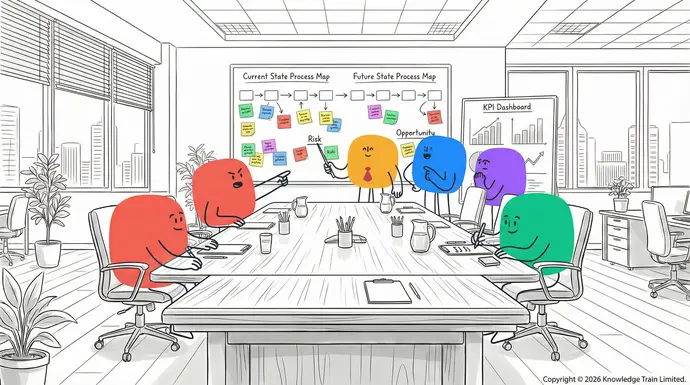
- Process mapping and Facilitating business process modellingchange management: processes Visualising workflows for process improvement opportunitiesReducing project risk through clear requirements and solution assessment
- Solution assessment and validation:Ensuring solutions are feasible, cost-effective, and aligned with business requirements Reviewing proposals to ensure solutions address documented Business analysts enable informed decision-making, increase process efficiency, and help organisations remain competitive.requirementsKey responsibilities of a business analyst
- DevOpsProblem-solving and solution assessment
- Knowledge of business and technical requirements)
- Proficiency in process improvement and data analysisProcess mapping tools (such as Visio, Lucidchart)
Certification and career progressionMind mapping and collaboration software
BCSData analysis tools (for example, Excel, Power BI) Methodologies offers globally recognised certifications, such as BABOK (Business Analysis Body of Knowledge):Business Analysis Foundation The leading global standard published by , IIBAInternational Diploma in Business Analysis, outlining best practices and techniques for business analysis, Practitioner certificates in AgileRequirements Engineering:, An iterative methodology focusing on flexibility, frequent delivery, and collaboration (often using user stories)Modelling Business ProcessesWaterfall methodology, and :Business Analysis Practices A linear, phased project approach suitable for well-defined requirements.Choosing the right methodology depends on project size, risk, stakeholder needs, and desired adaptability.
The Essential skills and competencies for business analystsInternational Institute of Business Analysis (IIBA)Analytical and critical thinking offers globally recognised certifications, such as ECBA, CCBA, and CBAP, based on the Effective communication and stakeholder engagementBABOK GuideAttention to detail in requirements documentation. Problem-solving and solution assessmentCertificationsKnowledge of business and technical requirements demonstrate expertise in requirements elicitation, stakeholder management, and business analysis best practices. Aspiring business analysts may also pursue Proficiency in process improvement and data analysisproject managementCertification and career progression or BCSchange management qualifications to support broader career progression. offers globally recognised certifications, such as
FAQsModelling Business Processes
What is business analysis?, and
Business analysis is the systematic investigation and evaluation of business needs to recommend solutions that achieve organisational objectives. It includes requirements gathering, stakeholder engagement, and process optimisation.Business Analysis Practices
What does a business analyst do?.
A business analyst identifies business problems, elicits requirements, engages stakeholders, and ensures that proposed solutions align with business goals. They act as a bridge between business and IT functions.The
What are the key techniques in business analysis?International Institute of Business Analysis (IIBA)
Common offers globally recognised certifications, such as ECBA, CCBA, and CBAP, based on the business analysis techniquesBABOK Guide include . SWOT analysisCertifications, gap analysis, requirements elicitation, process mapping, use case modelling, and stakeholder analysis. demonstrate expertise in requirements elicitation, stakeholder management, and business analysis best practices. Aspiring business analysts may also pursue
What are the main types of requirements in business analysis?project management
Business analysts work with or business requirementschange management qualifications (organisational goals), to support broader career progression.stakeholder requirementsRelated concepts, and Project managementtechnical requirementsRequirements engineering (system or IT needs).Change management
What is the BABOK?Quality assurance
BABOK refers to the Business Analysis Body of Knowledge, a globally-accepted standard containing best practices, techniques, and competencies for business analysis, maintained by IIBA.Systems analysis
What qualifications or certification should a business analyst have?FAQs
Common What is business analysis?certificationsBusiness analysis is the systematic investigation and evaluation of business needs to recommend solutions that achieve organisational objectives. It includes requirements gathering, stakeholder engagement, and process optimisation. include BCS’s Business Analysis Foundation certificate, What does a business analyst do?International Diploma in Business AnalysisA business analyst identifies business problems, elicits requirements, engages stakeholders, and ensures that proposed solutions align with business goals. They act as a bridge between business and IT functions., and Practitioner certificates in Business Analysis Practices, Requirements Engineering, and Modelling Business Processes.What are the key techniques in business analysis?
In addition, there are IIBA’s ECBA, CCBA, and CBAP, which validate knowledge of BABOK and proficiency in requirements elicitation, stakeholder engagement, and process improvement.Common
How does business analysis differ from project management?business analysis techniques
Business analysis focuses on defining requirements and recommending solutions, while include project managementSWOT analysis is concerned with planning, executing, and , gap analysis, requirements elicitation, process mapping, use case modelling, and stakeholder analysis.delivering projectsWhat are the main types of requirements in business analysis? within scope, time, and budget constraints.Business analysts work with