
Business analysis turns business needs into clear requirements and evidence-based decisions.
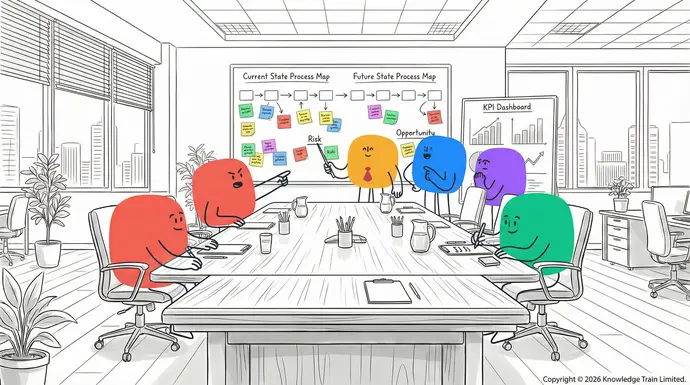
business analyst plays a critical role throughout project lifecycles and change initiatives. Their main responsibilities include:
- Requirements elicitation:Phone Facilitating workshops, interviews, and surveys to gather needs from stakeholders
- Requirements documentation: Creating clear business and technical requirements using various formats (e.g., How can we help?user stories , use cases)
- Gap analysis and feasibility studies:Submit Assessing current and desired future states to highlight improvements and evaluate solution viability
- Stakeholder engagement: Communicating with diverse stakeholders to ensure requirements are validated and alignedOUR VALUES
- Process mapping and Our 6 core values are everything we do. They include:business process modellingIntegrity:
- Gap analysis: Comparing current and target states to identify improvement areas
- Use case modelling:United Kingdom Mapping user interactions with systems to define requirements
- Business process modelling: Creating diagrams (such as BPMN) to visualise business processes
- Stakeholder analysis: Identifying stakeholder interests, influence, and engagement needs
- User stories :Search Documenting concise functional requirements, typically in Agile projects
- Feasibility study: Analysing proposed solutions for practicality and viability
- Data analysis: Using quantitative and qualitative data to inform decision-making
Business analysis tools and methodologiesUnited Kingdom
Key toolsAustria
- Requirements management software (for example, Jira, Confluence, or Azure BelgiumDevOpsBulgaria)Croatia
- Process mapping tools (such as Visio, Lucidchart)Cyprus
- Mind mapping and collaboration softwareCzech Republic
- Data analysis tools (for example, Excel, Power BI)Denmark
MethodologiesEstonia
- BABOK (Business Analysis Body of Knowledge):Finland The leading global standard published by FranceIIBAGermany, outlining best practices and techniques for business analysisGreece
- AgileIreland:Italy An iterative methodology focusing on flexibility, frequent delivery, and collaboration (often using user stories)Latvia
- Waterfall methodologyLithuania:Luxemburg A linear, phased project approach suitable for well-defined requirementsMalta
Choosing the right methodology depends on project size, risk, stakeholder needs, and desired adaptability.Netherlands
Essential skills and competencies for business analystsPoland
- Analytical and critical thinkingPortugal
- Effective communication and stakeholder engagementRomania
- Attention to detail in requirements documentationSlovakia
- Problem-solving and solution assessmentSlovenia
- Knowledge of business and technical requirementsSpain
- Proficiency in process improvement and data analysisSweden
Certification and career progressionOther countries
BCSHome Project Management offers globally recognised certifications, such as Project management kick off meetingBusiness Analysis Foundation , {"@context":"http://schema.org","@type":"BreadcrumbList","itemListElement":[{"@type":"ListItem","position":1,"name":"Home","item":"https://www.knowledgetrain.co.uk/"},{"@type":"ListItem","position":2,"name":"Project Management","item":"https://www.knowledgetrain.co.uk/project-management"},{"@type":"ListItem","position":3,"name":"Project management kick off meeting","item":"https://www.knowledgetrain.co.uk/project-management/project-management-kick-off-meeting"}]}International Diploma in Business Analysis , Practitioner certificates in Requirements Engineering , Project management kick-off meetingsModelling Business Processes , and Knowledge TrainBusiness Analysis Practices19 Feb 2026.
The International Institute of Business Analysis (IIBA) offers globally recognised certifications, such as ECBA, CCBA, and CBAP, based on the BABOK Guide . Certifications demonstrate expertise in requirements elicitation, stakeholder management, and business analysis best practices. Aspiring business analysts may also pursue project management or change management qualifications to support broader career progression.
FAQs
What is business analysis?
Business analysis is the systematic investigation and evaluation of business needs to recommend solutions that achieve organisational objectives. It includes requirements gathering, stakeholder engagement, and process optimisation.
What does a business analyst do?Copied!
A business analyst identifies business problems, elicits requirements, engages stakeholders, and ensures that proposed solutions align with business goals. They act as a bridge between business and IT functions.
What are the key techniques in business analysis?Key takeaways
Common A strong kick-off creates alignment, energy, and a practical plan for execution.business analysis techniquesUse the kick-off to align stakeholders on objectives, scope, success measures, and constraints. include Prepare properly with the right attendees, a shared agenda, and essential documents like the charter and timeline.SWOT analysisClarify roles, decision rights, and responsibilities, using a RACI where helpful., gap analysis, requirements elicitation, process mapping, use case modelling, and stakeholder analysis.Agree communication channels, meeting cadence, tools, and a single source of truth for project information.
What are the main types of requirements in business analysis?Surface risks, conflicting expectations, and scope change rules early, then track action items with owners and deadlines.
Business analysts work with business requirements