- Collaborate during sprint planning, support development, test against acceptance criteria.Review costs regularly
- Leverage Product Increment:project management software Validate deliverables with Stakeholders, gather feedback, and foster continuous improvement.
Leadership and interpersonal skills often document all requirements upfront and manage change via formal processes. In contrast, Agile BAs embrace change, encourage ongoing feedback, and continuously reprioritise work to align with evolving business needs.
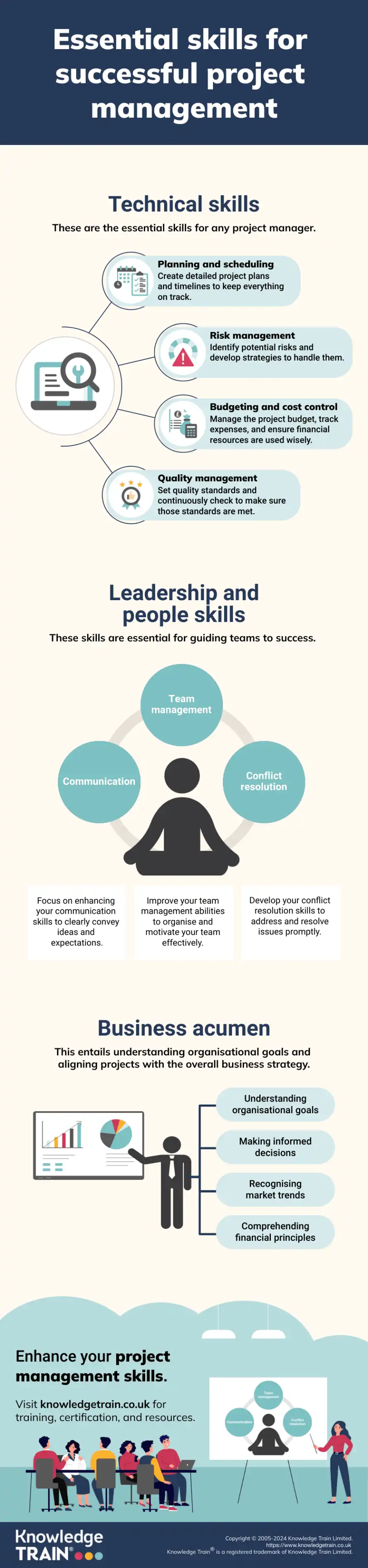
Project managers need to have How to become an Agile business analyst?strong leadershipTo become an and interpersonal skills, apart from the hard-core technical skills.Agile business analyst
Communication, start by learning the
Verbal and written communication techniquesAgile principles
Effective communication is the foundation of successful project management. Enhance your verbal and written communication techniques by: and frameworks such as
- Tailoring your message to your audience and purposeScrum
- Utilising concise language and avoiding jargon or technical terms and Kanban. Gain hands-on experience by contributing to
- Encouraging open communication, collaboration, and idea-sharingAgile BA role
- Leading by example with enthusiasm, commitment, and a positive attitude. by enrolling in an
Conflict resolutionAgile Business Analyst certification course
- projects
Negotiation and mediation techniques, Agile BAs collaborate continuously with Product Owners and teams throughout delivery cycles.
Conflicts often require negotiation and mediation skills to reach a resolution. Acquire the necessary techniques by:You can learn more about this role through an
- Practising active listening to understand all perspectives involvedAgile Business Analyst certification course
- Identifying common ground and shared interests.
- Proposing creative solutions that can benefit all partiesWhat is the value of continuous improvement in Agile Business Analysis?
- Seeking win-win outcomes whenever possible.Continuous improvement is central to Agile Business Analysis. It ensures teams regularly assess performance, gather feedback, and make iterative adjustments to improve efficiency and outcomes.
Conflict resolutionFor Agile BAs, continuous improvement means refining processes, facilitating retrospectives, and identifying opportunities to deliver higher value. This culture of learning helps maintain alignment between project goals and evolving business needs.
Identifying and engaging stakeholdersWhat tools do Agile BAs use?
Stakeholders play a critical role in project success, so it’s essential to manage them effectively. Learn to identify and engage stakeholders by:Agile Business Analysts use various tools to collaborate, document, and manage work efficiently. Common tools include:
- Conducting a comprehensive stakeholder analysisJira
- Developing a stakeholder engagement plan outlining communication strategy – for backlog management and sprint tracking
- Establishing regular and appropriate communication channelsConfluence
- Involving key stakeholders in decision-making processes when applicable. – for documentation and collaboration
Managing expectations and relationshipsTrello
Maintaining positive stakeholder relationships is key to successful project management. Hone your skills in managing expectations and relationships by: – for lightweight visual task management
- Clearly communicating project goals, timelines, and constraintsMiro
- Providing regular updates on project progress, achievements, and challenges – for virtual whiteboarding and workshop facilitation
- Promptly addressing concerns, issues, and expectationsThese tools enable Agile BAs to maintain transparency, streamline communication, and support continuous feedback loops within teams.
- Actively seeking feedback and incorporating valuable suggestions whenever possible.Which certifications are relevant for Agile BAs?
By refining leadership and interpersonal skills, Several project managerscertifications can create a positive team environment, foster collaboration, and lead projects to success through effective communication and stakeholder management. are valuable for Agile Business Analysts seeking to validate their skills and advance their careers. Popular options include:
Business acumen and strategic thinkingIIBA Agile Analysis Certification (IIBA-AAC)
Effective project managers also have a deep understanding of business principles and strategic thinking. These competencies allow project managers to align projects with organisational objectives and drive value. – focuses on applying
Understanding organisational goals and objectivesbusiness analysis
Project managers can align their efforts with organisational success by: within Agile environments.
- Becoming familiar with the organisation’s mission and visionCertified ScrumMaster (CSM)
- Keeping up-to-date with industry trends and market conditions – ideal for those working closely with Scrum teams.
- Recognising the competitive landscape of the organisationAgileBA Certification
- Periodically reviewing financial statements and key performance indicators (KPIs). – specifically designed for
Aligning projects with business strategyBusiness Analysts
Ensuring that projects support the overall business strategy is crucial: working in Agile projects.
- Identify how each project aligns with and contributes to strategic goalsThese
- Prioritise projects based on their strategic importancecertifications
- Communicate the strategic value of projects to stakeholders demonstrate professional competence and help strengthen your understanding of Agile frameworks and business analysis practices.
- Adjust Subscribe to our exclusive offers and promotionsproject plans as necessary when business strategies change.Subscribe now
Decision-making and problem-solving
Project managers must be skilled in making informed decisions and solving complex problems:
- {"@context":"https://schema.org","@type":"WebPage","name":"Agile Business Analysis: Definition, Roles & Best Practices","url":"https://www.knowledgetrain.co.uk/agile/agile-business-analysis","description":"Explore Agile Business Analysis, its roles, frameworks, techniques and how BAs add value in Agile environments. Compare Agile and traditional business analysis.","significantLink":"https://www.iiba.org/certification/agile-analysis-certification-endorsement/","mainEntity":[{"@type":"Article","headline":"Agile Business Analysis explained","about":[{"@type":"DefinedTerm","name":"Agile Business Analysis","sameAs":["https://en.wikipedia.org/wiki/Agile_business_analysis","https://www.google.com/search?&kgmid=/g/11h_h7r8x7","https://www.wikidata.org/wiki/Q57496180"]},{"@type":"DefinedTerm","name":"Business Analyst","sameAs":["https://en.wikipedia.org/wiki/Business_Analyst","https://www.google.com/search?&kgmid=/m/0b1txf4","https://www.wikidata.org/wiki/Q2970349"]},{"@type":"DefinedTerm","name":"Scrum","sameAs":["https://en.wikipedia.org/wiki/Scrum_(software_development)","https://www.google.com/search?&kgmid=/m/01rfwj","https://www.wikidata.org/wiki/Q15900473"]},{"@type":"DefinedTerm","name":"Kanban","sameAs":["https://en.wikipedia.org/wiki/Kanban","https://www.google.com/search?&kgmid=/m/0131j1","https://www.wikidata.org/wiki/Q1146727"]},{"@type":"DefinedTerm","name":"Product Owner","sameAs":["https://en.wikipedia.org/wiki/Product_owner","https://www.google.com/search?&kgmid=/g/121xfpw0","https://www.wikidata.org/wiki/Q21660523"]},{"@type":"DefinedTerm","name":"Scrum Master","sameAs":["https://en.wikipedia.org/wiki/Scrum_master","https://www.google.com/search?&kgmid=/g/11c1wwjfcw","https://www.wikidata.org/wiki/Q21098157"]},{"@type":"DefinedTerm","name":"Stakeholder","sameAs":["https://en.wikipedia.org/wiki/Stakeholder_(corporate)","https://www.google.com/search?&kgmid=/m/02k0y4","https://www.wikidata.org/wiki/Q2380010"]},{"@type":"DefinedTerm","name":"Backlog","sameAs":["https://en.wikipedia.org/wiki/Product_backlog","https://www.google.com/search?&kgmid=/g/1219vjg1","https://www.wikidata.org/wiki/Q7605156"]},{"@type":"DefinedTerm","name":"User Stories","sameAs":["https://en.wikipedia.org/wiki/User_story","https://www.google.com/search?&kgmid=/m/0c6q5pr","https://www.wikidata.org/wiki/Q509695"]},{"@type":"DefinedTerm","name":"Requirements","sameAs":["https://en.wikipedia.org/wiki/Requirements_analysis","https://www.google.com/search?&kgmid=/m/01ypk_","https://www.wikidata.org/wiki/Q467915"]},{"@type":"DefinedTerm","name":"Requirements Elicitation","sameAs":["https://en.wikipedia.org/wiki/Requirements_elicitation","https://www.google.com/search?&kgmid=/g/121z4ljy","https://www.wikidata.org/wiki/Q7312824"]},{"@type":"DefinedTerm","name":"Prioritization","sameAs":["https://en.wikipedia.org/wiki/Priority_(project_management)","https://www.google.com/search?&kgmid=/m/09g5y_q","https://www.wikidata.org/wiki/Q3508070"]},{"@type":"DefinedTerm","name":"Sprint","sameAs":["https://en.wikipedia.org/wiki/Sprint_(software_development)","https://www.google.com/search?&kgmid=/g/1td1gpft","https://www.wikidata.org/wiki/Q3841694"]},{"@type":"DefinedTerm","name":"Agile Principles","sameAs":["https://en.wikipedia.org/wiki/Agile_software_development","https://www.google.com/search?&kgmid=/m/05jff","https://www.wikidata.org/wiki/Q1009523"]},{"@type":"DefinedTerm","name":"Iteration","sameAs":["https://en.wikipedia.org/wiki/Iterative_and_incremental_development","https://www.google.com/search?&kgmid=/m/05f_8c","https://www.wikidata.org/wiki/Q783076"]},{"@type":"DefinedTerm","name":"Acceptance Criteria","sameAs":["https://en.wikipedia.org/wiki/Acceptance_criteria","https://www.google.com/search?&kgmid=/g/11bwyznvj0","https://www.wikidata.org/wiki/Q10326466"]},{"@type":"DefinedTerm","name":"Agile Techniques","sameAs":["https://en.wikipedia.org/wiki/Agile_software_development","https://www.google.com/search?&kgmid=/m/05jff","https://www.wikidata.org/wiki/Q1009523"]},{"@type":"DefinedTerm","name":"Story Mapping","sameAs":["https://en.wikipedia.org/wiki/User_story_mapping","https://www.google.com/search?&kgmid=/g/11c6kg16l0","https://www.wikidata.org/wiki/Q98627867"]},{"@type":"DefinedTerm","name":"Continuous Improvement","sameAs":["https://en.wikipedia.org/wiki/Continual_improvement_process","https://www.google.com/search?&kgmid=/g/122q9g94","https://www.wikidata.org/wiki/Q784522"]},{"@type":"DefinedTerm","name":"Collaboration","sameAs":["https://en.wikipedia.org/wiki/Collaboration","https://www.google.com/search?&kgmid=/m/0162wm","https://www.wikidata.org/wiki/Q5438"]}],"mentions":[{"@type":"DefinedTerm","name":"Backlog Grooming","sameAs":["https://en.wikipedia.org/wiki/Product_backlog#Backlog_grooming","https://www.google.com/search?&kgmid=/g/1219vjg1","https://www.wikidata.org/wiki/Q7605156"]},{"@type":"DefinedTerm","name":"Agile Team","sameAs":["https://en.wikipedia.org/wiki/Agile_software_development#Agile_teams","https://www.google.com/search?&kgmid=/m/05jff","https://www.wikidata.org/wiki/Q1009523"]},{"@type":"DefinedTerm","name":"Product Increment","sameAs":["https://en.wikipedia.org/wiki/Product_increment","https://www.google.com/search?&kgmid=/g/11j99nt2nt","https://www.wikidata.org/wiki/Q107434386"]},{"@type":"DefinedTerm","name":"IIBA Agile Certification","sameAs":["https://www.iiba.org/certification/agile-analysis-certification-endorsement/","https://www.wikidata.org/wiki/Q105861915"]}]},{"@type":"FAQPage","mainEntity":[{"@type":"Question","name":"Do you need a business analyst in Agile?","acceptedAnswer":{"@type":"Answer","text":"Consider multiple alternatives and weigh their potential consequences<
- p>Having a business analyst in an Agile environment is essential. They act as facilitators of clear communication between business and technical teams, ensuring everyone understands the project goals and the best path to achieve them. Their skill in translating business requirements into actionable insights helps ensure the success of Agile projects.Use structured problem-solving techniques (e.g., root cause analysis)
- >Balance short-term project needs with long-term strategic objectives.<
p>You can learn more about the business analyst role in Agile environments by taking an Agile BA course.Adaptability and change management
>"}},{"@type":"Question","name":"How do Agile Business Analysts contribute to backlog grooming?","acceptedAnswer":{"@type":"Answer","text":"In a dynamic business environment, adaptability is key:<
- p>Agile Business Analysts help clarify, refine, and prioritise backlog items so the development team understands each user story before implementation. They ensure stories meet the definition of ready, facilitate stakeholder feedback, and support the Product Owner in maintaining a balanced, value-driven backlog. This improves sprint planning and ensures business goals are consistently met.Anticipate and prepare for potential changes in the business landscape
- >"}},{"@type":"Question","name":"How is the Agile BA role different from a traditional BA?","acceptedAnswer":{"@type":"Answer","text":"Develop contingency plans for various scenarios<
- p>Agile Business Analysts work iteratively and collaboratively, focusing on delivering Foster a culture of flexibility and innovation within project teams<
- strong>incremental business valueImplement > through short development cycles. Traditional Business Analysts often document all requirements upfront and manage change via formal processes. In contrast, Agile BAs embrace change, encourage ongoing feedback, and continuously reprioritise work to align with evolving business needs.change management>"}},{"@type":"Question","name":"How to become an Agile business analyst?","acceptedAnswer":{"@type":"Answer","text":" strategies to support organisational transitions.<
p>To become an Agile business analyst, start by learning the Agile principles and frameworks such as Scrum and Kanban. Gain hands-on experience by contributing to Agile projects and using tools like Jira, Confluence, and Miro.Developing these skills in business acumen and strategic thinking can help project managers:
- >Make better-informed decisions<
- p>Develop skills in stakeholder communication, facilitation, and backlog management. You can strengthen your expertise by earning an Agile Business Analyst certification through a structured training programme.Align projects more effectively with organisational goals
- >"}},{"@type":"Question","name":"What does an Agile Business Analyst do?","acceptedAnswer":{"@type":"Answer","text":"Adapt to changing business conditions<
- p>An Agile Business Analyst collaborates with Product Owners, stakeholders, and development teams to translate business requirements into user stories, manage backlogs, and facilitate prioritisation. They ensure each product increment delivers measurable business value while supporting continuous improvement and adaptive planning.Drive meaningful value for their organisations.
>By honing these skills, project managers become strategic partners in their organisations, significantly enhancing their contribution to overall business success.<
>"}},{"@type":"Question","name":"What is the value of continuous improvement in Agile Business Analysis?","acceptedAnswer":{"@type":"Answer","text":"Technical proficiency<
p>Continuous improvement is central to Agile Business Analysis. It ensures teams regularly assess performance, gather feedback, and make iterative adjustments to improve efficiency and outcomes.To efficiently work on projects as well as to effectively lead and manage teams, project managers need to have technical skills that are relevant to the digital world of today.
>Project management software and tools<
p>For Agile BAs, continuous improvement means refining processes, facilitating retrospectives, and identifying opportunities to deliver higher value. This culture of learning helps maintain alignment between project goals and evolving business needs.Popular project management software options
>"}},{"@type":"Question","name":"What tools do Agile BAs use?","acceptedAnswer":{"@type":"Answer","text":"Familiarise with the top software tools used for project management. Some of the most popular ones are:<
- p>Agile Business Analysts use various tools to collaborate, document, and manage work efficiently. Common tools include:Microsoft Project>: Use Microsoft Project to plan, schedule, and monitor project tasks and resources<
- ul>Jira<li>: Master Jira for <strong>JiraAgile project management> – for backlog management and sprint tracking and issue tracking
- >Trello<li>: Learn Trello for visual task management using boards and cards<
- strong>ConfluenceAsana> – for documentation and collaboration: Get proficient in Asana for team collaboration and workflow management.
>Collaboration and communication tools<
li>Equip yourself with tools that enhance communication and collaboration within your team and with stakeholders. Some of the most essential tools are:<
- strong>TrelloSlack> – for lightweight visual task management: Use Slack for real-time messaging, file sharing, and team collaboration
- >Microsoft Teams<li>: Learn Microsoft Teams for video conferencing and document collaboration<
- strong>MiroZoom> – for virtual whiteboarding and workshop facilitation: Get familiar with Zoom for virtual meetings and webinars
- >Google Workspace>: Become proficient in Google Workspace for cloud-based document creation and sharing.<
p>These tools enable Agile BAs to maintain transparency, streamline communication, and support continuous feedback loops within teams.Data analysis and reporting>"}},{"@type":"Question","name":"Which certifications are relevant for Agile BAs?","acceptedAnswer":{"@type":"Answer","text":"Creating and interpreting project reports<
p>Several certifications are valuable for Agile Business Analysts seeking to validate their skills and advance their careers. Popular options include:Gain the ability to create and interpret project reports. Here are some of the essential skills:
- >Generating project status reports using <ul>project management software<
- li>Creating visual representations of data (charts, graphs)<
- strong>IIBA Agile Analysis Certification (IIBA-AAC)Customising reports for different stakeholders
- > – focuses on applying business analysis within Agile environments.Interpreting Key Performance Indicators (KPIs) and metrics.
>Data-driven decision-making<
li>Develop skills to make data-informed decisions to guide projects towards success. Here are some steps to achieve that:<
- strong>Certified ScrumMaster (CSM)Collect and analyse project performance data
- > – ideal for those working closely with Scrum teams.Use statistical tools to identify trends and patterns
- >Employ predictive analytics for risk assessment<
- li>Present data-driven recommendations to stakeholders.<
strong>AgileBA CertificationProject managers can enhance their ability to streamline processes, improve communication, and make informed decisions based on accurate data analysis by developing proficiency in these technical skills.
> – specifically designed for Business Analysts working in Agile projects.Developing your project management skills
>As a project manager, you may wish to build or enhance your knowledge of this valuable role. There are several ways in which this can be achieved:
>Formal education and training<
p>These certifications demonstrate professional competence and help strengthen your understanding of Agile frameworks and business analysis practices.Enrol in advanced degrees or specialised
- Attend conferences and networking events
- Join professional associations such as PMI and APMAgile methodologies.
Incorporate a combination of these strategies to continuously develop your project management skills and advance your career in this ever-evolving field.Simon Buehring
- Take formal education or training courses
- Obtain professional certifications
- Seek mentorship from experienced project managers
- Volunteer for challenging projects to gain practical experience
- Stay updated on industry trends and best practicesAgile digital marketing
- Continuously reflect on and learn from your experiences.
What software tools are essential for project managers?Simon Buehring
Essential 14 Feb 2025project management tools include:Marketers can apply Agile techniques to digital campaigns. Learn how these methods streamline workflows and improve results. Read on.
- Planning and scheduling software, such as Microsoft Project or Primavera
- Collaboration platforms like Slack or Microsoft Teams
- Task management tools, like Trello or Asana
- Data analysis and reporting software like Excel or Power BI.
The exact tools you need will depend on your project and organisation.
How do project management skills differ across industries?
While many project management skills are transferable, some industry-specific knowledge is usually required. For example:
- IT projects often require expertise in Six SigmaAgile methodologies
- Construction projects may place more emphasis on cost and resource managementSimon Buehring
- Healthcare projects may have a focus on regulatory compliance and patient safety.22 Apr 2026
To be successful in different industries, you must adapt your skills to the specific needs of each one.
What certifications are valuable for project managers?Six Sigma offers tools for improving business processes and quality. Read on to see how it can benefit your projects.
Valuable project management certifications include:
- Project Management Professional (PMP)
- PRINCE2 Practitioner
- Certified ScrumMaster (CSM)
- Agile Certified PractitionerThe 4 Kanban principles: A visual guide (PMI-ACP)