Key takeaways
Clear role boundaries and strong collaboration improve delivery, governance, and outcomes.
- The project manager integrates scope, budget, schedule, risks, and communication to keep delivery on track.
- The project sponsor secures funding, removes obstacles, and owns accountability for business value.
- Team members deliver quality work and share progress early to prevent issues compounding.
- Assistant PMs, coordinators, and administrators reduce operational load through delegation, tracking, and documentation.Copied!
- Senior PMs and project directors align initiatives to strategy, optimise resources, and manage cross-project risk.Key takeaways
- Consultants and governance frameworks strengthen standards, oversight, and continuous improvement.An effective project plan aligns scope, time, cost, resources, and communication into one workable roadmap.
Introduction
Project managementBest practices for effective project planning plays a crucial role in the success of organisational initiatives. It involves the efficient coordination of resources, tasks, and people to achieve specific goals within defined constraints.
Central to effective project management is the understanding of the diverse roles that contribute to the project’s success. From Common challenges and how to overcome themproject managers and team members to stakeholders and sponsors, each position holds unique responsibilities and expectations.Conclusion
This article delves into ten essential project management roles, their key responsibilities, and their impact on project outcomes. Gaining a clear grasp of these roles will empower professionals to:
- Strengthen collaboration within teams
Core project management roles is a document that outlines the objectives, scope, structure, resources, and timeline of a project. It serves as a roadmap for project managers and team members to guide them through the project lifecycle.
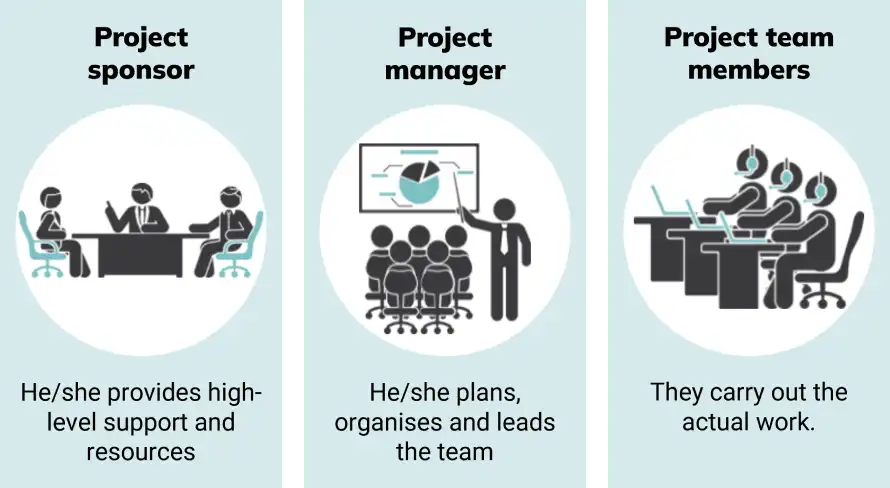
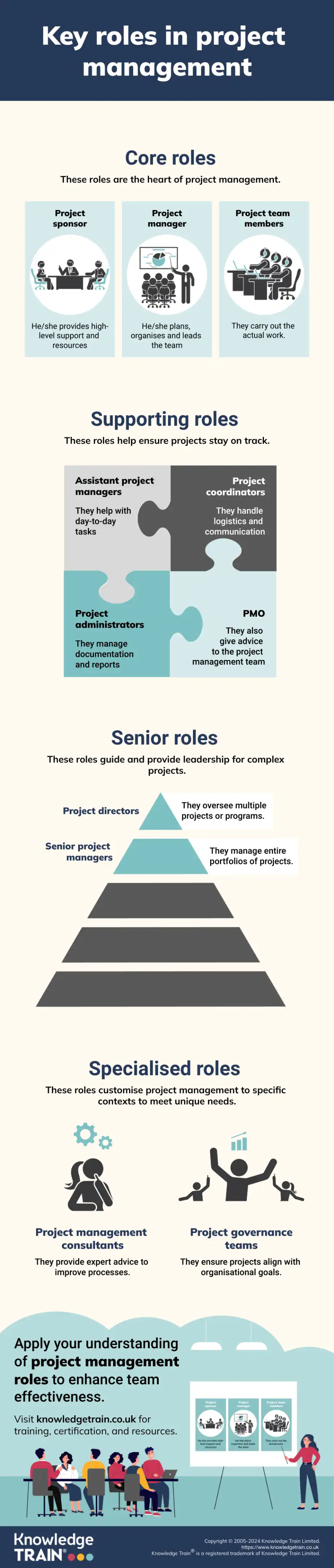
Project manager (PM)Definition and purpose
This role serves as the central hub of any project, assuming responsibility for its successful execution. This pivotal role involves the coordination of resources, people, and tasks to ensure that the project stays on track and meets its predefined objectives. Some of the core responsibilities that fall under this role include:: A project plan defines the goals of a project and how to achieve them. It provides a structured approach to project execution and management.
- Planning and defining the project scopeKey components
- Creating and managing budgets: Essential elements include:
- Developing schedules and timelinesExecutive summary
- Allocating resources efficientlyProject scope
- Mitigating risks and resolving issuesWork Breakdown Structure
- Communicating with stakeholders. (WBS)
Successful Timeline and milestonesPMsResource allocation possess a unique set of technical and interpersonal skills:Budget
- LeadershipRisk management plan.: Inspiring and motivating team members to perform at their bestImportance
- Communication: Effective project plans:: Clearly conveying ideas, expectations, and instructions to all parties involvedKeep
- Problem-solvingprojects: Addressing and resolving challenges and obstacles efficiently on track
- AdaptabilityPrevent scope creep: Adjusting strategies and plans as necessary to meet changing circumstancesImprove resource management
- OrganisationEnhance communication: Managing multiple tasks and priorities simultaneously without losing focus.Increase project success rates.
This role is crucial to the success of any project. It acts as the glue that holds the project together and maintain the entire process moving in the right direction. This role keeps the project aligned with organisational goals, ensure deadlines are met, and foster collaboration and communication among team members. By expertly balancing constraints such as time, budget, and scope, this role significantly increase the chances of achieving the desired project outcomes and delivering value to all stakeholders.A project plan is a vital part of
Project sponsorproject management
The , as it outlines the steps needed to complete a project, as well as the resources and stakeholders involved.project sponsorProject planning process plays an important part in starting and supporting Understanding the project planning phaseprojectsIt’s time to understand the project planning phase. This is an essential step in the project management process, and one that will have a significant impact on your chances of successfully completing your project. Let’s look at the project lifecycle in general and then the key tasks that make up the planning phase. from initiation through completion. This role, typically held by someone at an executive or senior management level, champions the project and ensures it is in alignment with organisational objectives. Some of the key responsibilities that fall under the project sponsor’s domain include:Project management lifecycle overview
- Securing funding and resources for the projectThe four phases of the project management lifecycle are as follows:
- Approving the project charter and project scopeProject initiation
- Making high-level decisions related to the project: This is where you first identify a business need or problem, then offer a potential solution. Key activities here include:
- Providing resolution to any escalated issues.Preparing a project charter
Project sponsors act as the connection between the project team and senior-level stakeholders. They are responsible for clearly communicating the value and progress of the project to these stakeholders. The project sponsor is also the final person with accountability for the project budget and results.Identifying project stakeholders
The relationship between the sponsor and the PM is vital to the success of the project. This role oversees the day-to-day operations of the project, while the sponsor provides strategic guidance and support by:Conducting feasibility studies and research.
- Offers strategic directionProject planning
- Provides political support: This is the second phase and an extremely important one. We will be discussing this in more detail below.
- Eliminates organisational barriers.Project execution
This strong partnership guarantees that the project is on track, has enough resources and is well aligned with business goals. By actively engaging with and supporting project sponsors, the PM increases the likelihood of project success and stakeholder satisfaction.: This phase sees your team begin to execute the project plan. This involves:
Project team membersAllocating and managing resources
Project team members are a collection of skilled and experienced professionals who apply their specialised knowledge to help projects meet their goals. These team members can take on many different titles or roles, including:Tracking progress
- Developers and engineersCommunicating with stakeholders.
- Designers and other creative specialistsProject close-out
- Quality assurance (QA) testers: The last phase involves looking back at your project, analysing its success, and determining what can be improved upon next time. Key activities include:
- Business analystsReviewing project performance
- Subject matter experts.Conducting a post-mortem
Project team members’ primary responsibilities include:Archiving documents.
Supporting project management roles to develop a detailed project plan. This plan guides the project throughout its lifecycle, significantly increasing the chance of a successful project.
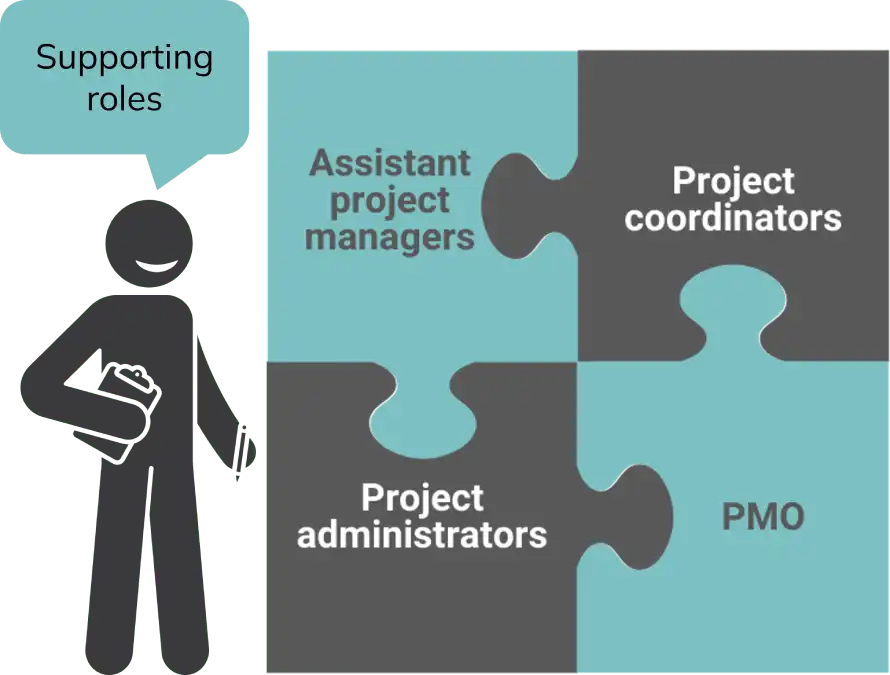
Assistant PMEnhance your skills with our expert-led courses
An Assistant PM is a second manager or someone who is directly underneath the main PM and they help them out; they do the same job as a regular PM but on smaller or less important projects.
For example, if you are working on a huge project and it’s starting to get a lot of tasks, you may ask an Assistant PM to take over and get it done and they will, if it’s small enough! In summary, the assistant is a great help and acts as a mini PM. The responsibilities of an assistant include:Instructor-led
- Planning the projectIntroduction to Project Management course
- Monitoring the project and its work
- Overseeing the allocated budget£499 +vat
- Communicating with the stakeholders
- Assisting the PM.See all dates
Working under the PM, the assistant:
- Learns high-level project management skills
- Gets first-hand experience of making top-level decisionsInstructor-led
- Builds leadership experience for his/her own future career development.Project Management Essentials
This relationship enables effective delegation of tasks as well as broader project supervision. The role of Assistant PM is particularly important for big or complex projects, offering extra management resources and helping to ensure that no detail is missed.
Project coordinator£899 +vat
A project coordinatorSee all dates, or as we will be using to describe it, a coordinator. They work on the team as a supporting role. Some of the responsibilities of a coordinator include:Essential elements of a project plan
- Meeting and calendar managementComponents of an effective project plan
- Project record keepingA well-structured project plan includes several critical elements that work in unison to offer a comprehensive guide for carrying out a project. Let’s delve into these vital components.
- Project logisticsExecutive summary
- Project tracking and reporting.The
Project coordinators, supporting the PM and team, may:executive summary
- Serve as a central point of communication offers a concise overview of the entire project plan. It should:
- Support resource allocation and managementA brief description of the project’s purpose and goals
- Monitor and control project budgets and expensesHighlights of key deliverables and timelines
- Support risk identification and mitigation.A summary of resource requirements and budget
Project coordinators help with administrative support, allowing the PM to focus on decision-making and leading the project. Their organisational skills and eye for detail allows for a smoother and more effective project workflow.A summary of potential risks and mitigation strategies.
Project administratorThe executive summary is typically a concise section that allows readers to quickly understand the project’s essence without having to read the entire plan.
The Project scope and objectivesproject administratorDefining the plays another important support role, providing administrative support. The project administrator’s key tasks include:project scope
- Managing paperwork and digital files related to the project is essential to prevent scope creep and ensure successful project completion. This section should cover:
- Updating and maintaining Specific project goals and objectivesproject management softwareProject boundaries and limitations
- Supporting financial tracking and budget reportsDeliverables and acceptance criteria
- Helping to coordinate team schedules and resource allocation.Any exclusions or out-of-scope items.
DocumentationClear articulation of the project scope helps manage stakeholders’ expectations and sets a solid foundation for the project’s execution. is the heart of a project administrator’s job. This includes:Work Breakdown Structure (WBS)
- Developing and organising A project planswork breakdown structure
- Compiling progress reports and status updates is a hierarchical decomposition of the project into smaller, manageable components. The purpose of a WBS is to:
- Archiving important communications and decisionsIdentify all required tasks and subtasks
- Ensuring compliance with organisational policies.Organise the work into logical groupings
Administrators leave a paper trail and detailed record of project actions and decisions. This documentation is a valuable tool for decision-making, performance reviews, and sharing knowledge for future Establish a basis for resource allocation and scheduling.projectsCreating a WBS helps to ensure that all aspects of the project are considered and nothing is overlooked.. It also contributes to the organisation’s long-term success and efficiency.Project timeline and milestones
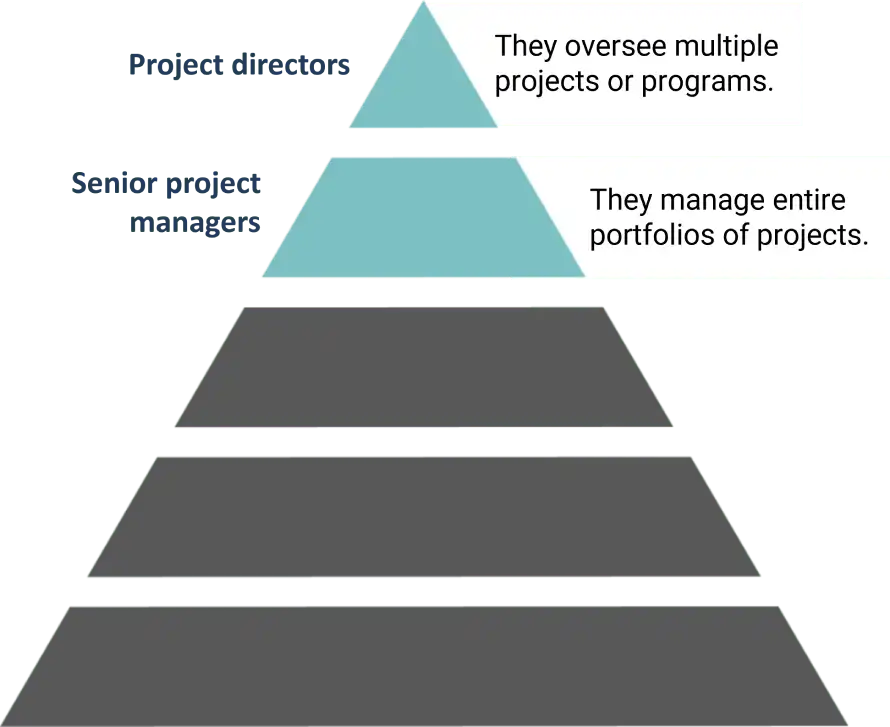
Senior project management rolesThe
Senior PMproject timeline
A provides a visual representation of the project’s duration and key events. It should include:Senior PMStart and end dates for each task takes on more senior and advanced project management responsibilities, often based on extensive experience and a proven track record in handling complex initiatives. Their role may include:Important milestones and deadlines
- Managing multiple interconnected Task dependencies and critical path.projectsUsing visual tools like Gantt charts can effectively illustrate the project timeline and make it easier for stakeholders to understand the project’s schedule. or Resource allocationprogrammesList the
- Designing and implementing strategic resourcesproject management methodologies needed to complete the project, including:
- Mentoring and developing junior PMs and team membersHuman resources (team members, roles, and responsibilities)
- Managing high-level stakeholder relationships.Equipment and materials
Such professionals typically have:External resources or contractors.
- A history of successful project deliveriesSpecifying the resources required for the project can help to ensure that the necessary resources are available to support its successful completion.
- Advanced Budget and cost estimatescertificationsInclude a (e.g. PMP, budgetPRINCE2 Practitioner or cost estimates for the project, covering:)Estimated costs for each component of the project
- Deep industry-specific knowledge.Labour, materials, and overhead costs
In leading Contingency funds for unforeseen expensescomplex initiativesCash flow projections, if applicable., Senior PMs:A comprehensive budget or cost estimate provides a financial roadmap for the project, enabling effective financial management and control.
- Align projects with organisational goalsRisk management plan
- Oversee significant budgets and resourcesInclude a
- Address risks across diverse project domainsrisk
- Promote innovation and process improvements. management plan, which should:
Their strategic vision and leadership enable them to navigate intricate project landscapes effectively. By prioritising tasks, balancing competing interests, and optimising resource allocation, Senior PMs significantly contribute to enhancing an organisation’s project management capabilities and overall performance.List identified risks and their potential impact
Project directorDescribe the strategies for mitigating each risk
Project directorsAssign risk owners and response plans hold senior leadership roles and are responsible for managing entire project portfolios within an organisation. Key responsibilities include:Explain the process for ongoing risk monitoring and management.
- Aligning project portfolios with strategic business objectivesProactively managing risks is crucial to minimise their impact on the project and increase the likelihood of its success.
- Optimising resource allocation across multiple projectsCommunication plan
- Establishing project management standards and methodologiesDefine a
- Evaluating and reporting on overall portfolio performance.communication
Project directors play a critical role in managing resources and stakeholder relationships: plan, which should:
- Coordinating cross-functional teams and departmentsIdentify the key stakeholders and their information needs
- Negotiating with senior executives and external partnersDescribe the communication methods and frequency
- Balancing competing priorities and resource demandsEstablish reporting structures and escalation procedures
- Identifying and mitigating portfolio-wide risks.Specify the tools and platforms for information sharing.
Project directors contribute to:Effective communication is key to project success, and a well-defined
- Maximising return on investment for project initiativescommunication plan
- Fostering a culture of continuous improvement can help to ensure that all stakeholders are informed and engaged throughout the project lifecycle.
- Mentoring and developing project management talent.Steps to create a project plan
Their strategic vision and leadership skills are essential for driving organisational success through effective project portfolio management. By optimising resource utilisation and stakeholder engagement, project directors significantly enhance an organisation’s project delivery capabilities.How to write a project plan in 6 steps
Specialised project management rolesIdentifying deliverables and expectations
Creative PMList all the deliverables of the project
Creative PMsDefine acceptance criteria for each deliverable are responsible for leading State stakeholder expectations clearly.projectsAddressing potential risks that have a creative or design component. Special considerations for this type of PM include:Do a preliminary risk assessment
- Managing brainstorming and idea generationList potential risks and obstacles
- Handling creative workflows and approvalsProvide a high-level overview of how to mitigate them.
- Maintaining brand consistencyStep 3: Structure your project
- Negotiating between client expectations and creative vision.Organising your project helps ensure that everything is in the right place and in the right order.
Skills and qualities important for managing creative projects include:Choosing a framework
- Strong visual and design sensibilitiesSelect an appropriate project management framework (
- Excellent communication skillsWaterfall
- Flexibility and adaptability,
- Ability to translate client needs into a creative brief.Agile
Identify task dependencies and relationships.
Project management consultantEstablishing communication structures
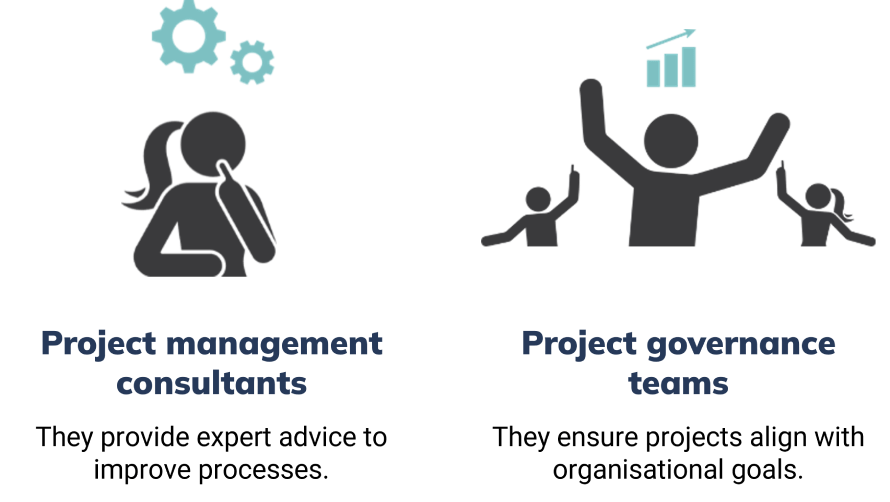
Project management consultantsList key stakeholders and their specific communication needs are specialised advisors who provide guidance and expertise to organisations in effectively managing their projects. They offer a fresh perspective and industry knowledge to help businesses optimise project planning, execution, and delivery. Decide on communication channels and frequencyProject managementSet reporting structures and escalation procedures.
- Improved project success rates and efficiencyUse project management tools like Gantt charts to visualise the timeline
- Enhanced risk management and mitigation strategiesHighlight critical path activities and dependencies
- Faster adoption of effective Indicate task relationships and durations.project management techniquesStep 6: Manage project changes.Change is a common part of most projects. Setting up a process for dealing with change can help keep the project on track and avoid disruption.
Project management consultants bring valuable experience from working with diverse organisations, helping companies refine their project management processes and achieve their objectives more effectively.Planning for change management
Project governanceDocument the process for submitting and reviewing change requests
Project governance refers to the framework and processes that ensure effective oversight and strategic alignment of projects within an organisation. Components include:Define the criteria for evaluating the impact of proposed changes
Steering committeeIdentify who has the authority to approve changes.:Establishing change control processes
- High-level direction and decision-makingSet up a change request form or system
- Approving major project changes and resource allocationEstablish a change control board or designated approvers
- Ensuring projects align with organisational objectives.Develop a process for communicating approved changes to the project team.
Project Management Office (By following these six steps, you can create a well-thought-out and detailed project plan that will set you up for success. It’s important to remember that a project plan is not set in stone and should be reviewed and updated regularly throughout the project’s lifecycle.