
Key takeaways
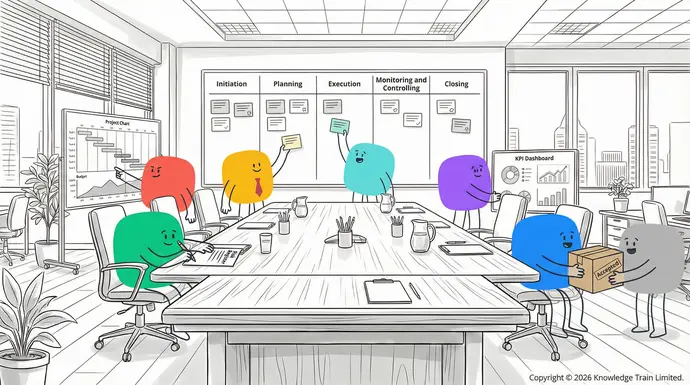

- : Identify the project’s goals, scope, and feasibility. Document them in a project charter and identify key stakeholders.
- PlanningHow to start as a project manager?: Plan the project in detail, including the timeline, budget, and resources needed. Communication and risk management strategies should also be developed.Is 40 too old to become a project manager?
- Execution : Execute the project plan, manage team workflows, and ensure effective communication among stakeholders.
- Monitoring and controllingIs a PM a Scrum Master?: Measure and track project progress, performance, and quality to ensure they align with the plan. Adjust as necessary to keep the project on track.
- Closing : Deliver the final product or service, conduct a project review, document Is a program manager a project manager?lessons learned , and archive project documents.
Importance of understanding the project lifecycleIs a program manager higher than a project manager?
Understanding the project lifecycle can help project managers to:
- Plan for potential problems and stay one step ahead
- Manage resources effectively during the projectIs a Scrum Master just a project manager?
- Keep stakeholders informed throughout the project
- Respond to changes in the project without losing control
- Uphold quality standards throughout the project.Is PMO better than project manager?
Project managers can do all these things when they become familiar with the phases in the project lifecycle.
1. Project initiationWhat credentials do I need to be a project manager?
Project initiation phase is important for the success of a project. During this stage, the ideas start to take shape, and the vision and purpose of the project are established.
Developing a business case
The What degree do you need to be a project manager?business case is a justification for a project and a description of the benefits the project will bring. To develop a business caseWhat do you need to be a project manager in the UK?:
- Identify the problem/opportunity the project is solving
- Consider different solutions and evaluate their feasibilityWhat does a program manager do that project managers don't do?
- Calculate the cost, benefit and return on investment
- List the risks and mitigation measures.
Defining project goals and scopeWhat is entry-level project management?
Project goals
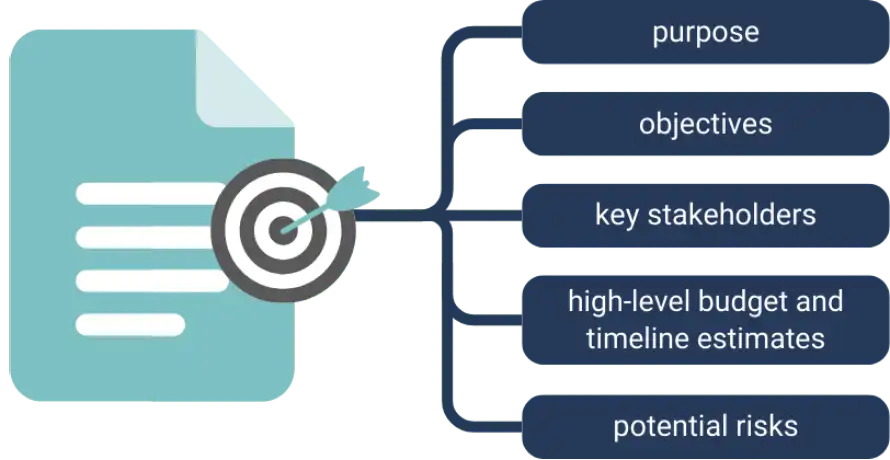
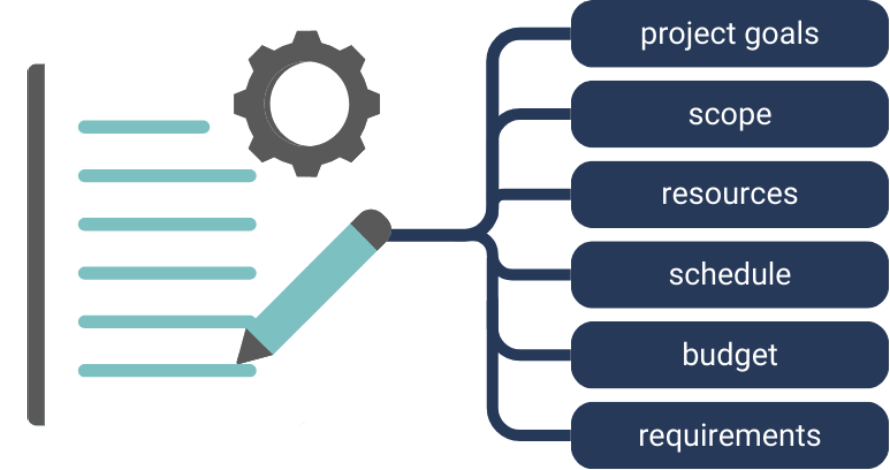
work breakdown structureWhat qualifications do you need to become a PM? (which outlines the work to be performed), the resource management plan, and the schedule for the work and major milestones.
Defining technical requirements
Technical requirementsWhat training is required to be a Project Manager? clearly define the characteristics of the project’s deliverables in terms of functions, features, and technical aspects. To define and document technical requirements effectively:
- Involve stakeholders and collaborate with them to gather requirements
- Prioritise requirements based on their importance and feasibilityWhich certificate is best for a project manager?
- Ensure the requirements are stated clearly and unambiguously
FAQs
What is the most crucial phase of project management?
The planning phase is arguably the most important phase of project management. This is when you set your goals, resources, and timelines.
How can I prevent scope creep in my projects?
To avoid scope creep, be sure to clearly define the boundaries of your project, implement a change control process, and regularly review the project scope with stakeholders.
What’s the difference between traditional and Agile project management?
The key difference between traditional and Agile project management is the approach to the development process. Traditional project management is more linear and sequential. Agile methodologies focus on flexibility, iterative development, and continuous stakeholder feedback.
How often should I conduct project status meetings?
The frequency of project status meetings will vary depending on the complexity and duration of your project. Weekly meetings are the norm, but you can adjust as needed to find a balance between communication and productivity.
What are some common project management pitfalls to avoid?
Some common project management mistakes to avoid include inadequate stakeholder communication, poor risk management, setting unrealistic timelines or budgets, lack of clear objectives, and insufficient resource allocation.
To avoid these mistakes, it is important to carefully plan, monitor, and proactively solve problems throughout the project lifecycle.
InfographicManage Consent
