
Key takeaways
Strong project delivery comes from following a clear lifecycle and staying disciplined on communication, change, and learning.
- Use initiation to justify the work, define scope, and secure stakeholder alignment via a charter.
- Build a detailed plan with requirements, work breakdown, schedule, budget, and agreed risk responses.Name
- Execute by delegating clearly, managing workflows, and using tools that keep work and communication visible.
- Monitor progress with CSFs and KPIs, control costs and resources, and act quickly on variances.
- Close formally with acceptance, a review of outcomes, lessons learnt, and well organised archives.Email

IntroductionWe don’t go seeking awards, but here are two of the awards we have received for our training.
Project management is a vital process for turning ideas into reality. It provides a structured framework that guides teams from planning to execution and, ultimately, to the successful delivery of a project’s objectives. By following the different project management phases Request a quote, organisations can streamline their processes, optimise resource allocation, and increase the chances of achieving their desired outcomes.

The significance of project management in any organisation or initiative cannot be overstated. Effective project management+44 (0)207 148 5985 allows for better control over resources, minimisation of risks and uncertainties, improved communication among stakeholders, and the timely delivery of projects.
At the core of effective project management are five distinct phases:[email protected]
- Initiation
- Planning
- Execution
- Monitoring and controlling
- Closing
Each of these phases plays a crucial role in a project’s lifecycle and contributes to its overall success. Understanding the purpose and activities associated with each phase is fundamental for project managers and their teams to navigate challenges and lead their projects to fruition. In this comprehensive article, we will delve into each project management phase, providing insights and best practices to ensure effective and efficient project management.United Kingdom
The five phases of project management
The project lifecycle is essential in project management. The five phases of the project lifecycle provide a framework for organising and executing projects from start to finish.
Brief overview of each phaseSearch
- Initiation : Identify the project’s goals, scope, and feasibility. Document them in a project charter and identify key stakeholders.
- Planning : Plan the project in detail, including the timeline, budget, and resources needed. Communication and risk management strategies should also be developed.United Kingdom
- ExecutionAustria: Execute the project plan, manage team workflows, and ensure effective communication among stakeholders.Belgium
- Monitoring and controllingBulgaria: Measure and track project progress, performance, and quality to ensure they align with the plan. Adjust as necessary to keep the project on track.Croatia
- ClosingCyprus: Deliver the final product or service, conduct a project review, document Czech Republiclessons learnedDenmark, and archive project documents.Estonia
Importance of understanding the project lifecycleFinland
Understanding the project lifecycle can help project managers to:France
- Plan for potential problems and stay one step aheadGermany
- Manage resources effectively during the projectGreece
- Keep stakeholders informed throughout the projectIreland
- Respond to changes in the project without losing controlItaly
- Uphold quality standards throughout the project.Latvia
Project managers can do all these things when they become familiar with the phases in the project lifecycle.Lithuania
1. Project initiation
Project initiation phase is important for the success of a project. During this stage, the ideas start to take shape, and the vision and purpose of the project are established.
Developing a business case
The business case is a justification for a project and a description of the benefits the project will bring. To develop a Self-pacedbusiness case :
- Identify the problem/opportunity the project is solving
- Consider different solutions and evaluate their feasibility
- Calculate the cost, benefit and return on investmentCyber Security Awareness online course
- List the risks and mitigation measures.Learn how to recognise common cyber threats and protect sensitive information at work. This self-paced online course gives you practical steps to stay secure every day.
Defining project goals and scope
Project goals and Beginner-friendlyscopeIs PgMP more difficult than PMP? | Knowledge Train need to be well-defined to have a successful project. To define the goals and the scope:
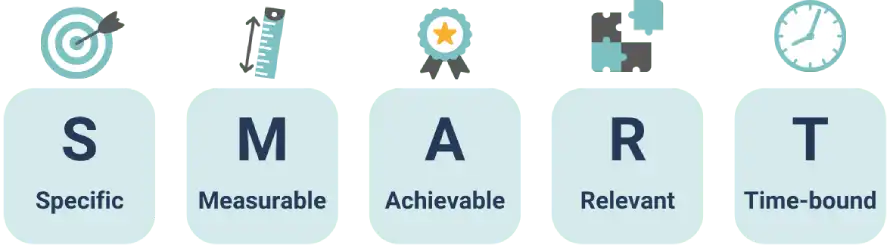
- Set SMART (Specific, Measurable, Achievable, Relevant, Time-bound) goals Self-paced online
- List the deliverables and the project boundaries
- Identify constraints and assumptions.
Creating a project charter Learn in 1 hour
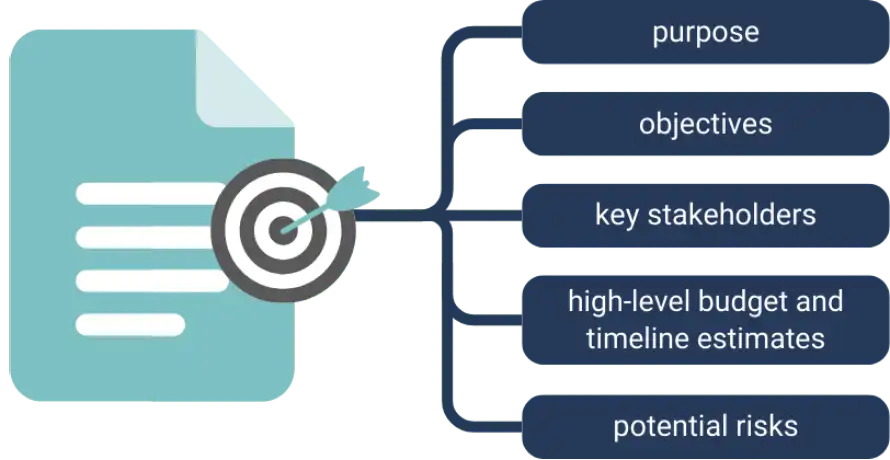
The project charter Enrol now serves as the project’s formal authorisation document. It should include:
| Key Elements More details | Description |
|---|---|
| Project purpose | Clear statement of the project’s objectives |
| Scope | High-level description of what’s included and excluded All major cards accepted. |
| Timelines Invoice/PO option available in checkout. | Estimated start and end dates |
| Budget | Initial cost estimates |
| Key stakeholders Enrol | List of individuals or groups with vested interest |
Identifying key stakeholders
Stakeholder identification is an important part of the successful project. To manage your stakeholders, first make a stakeholder register of all the parties involved and then map out their interests, influence, and impact on the project. Lastly, create a communication strategy for each stakeholder. Overview
When each of these components has been properly considered during the initiation phase, a project manager has set the stage for the rest of the project lifecycle.
2. Project planning
The planning process is vital in ensuring that a project will be successful. It involves the development of a project planDelivery .
The project plan elaborates on the project charter. It includes the following major components: the technical requirements, the Course work breakdown structure (which outlines the work to be performed), the resource management plan, and the schedule for the work and major milestones.
Defining technical requirements
Technical requirementsReviews clearly define the characteristics of the project’s deliverables in terms of functions, features, and technical aspects. To define and document technical requirements effectively:
- Involve stakeholders and collaborate with them to gather requirements
- Prioritise requirements based on their importance and feasibility
- Ensure the requirements are stated clearly and unambiguouslyFAQs
- Validate the requirements with relevant experts and end-users.
Developing a detailed project schedule
Creating an effective project scheduleClick or scroll is crucial for meeting project deadlines. The steps involved are as follows:Enrol on this course
- Work Breakdown StructurePlease use the (region selector WBS at the top of the website if you are purchasing from outside the UK. )Note: *All prices exclusive of VAT. : Break down the project into manageable tasksHow this course is delivered
- Task Duration : Estimate the duration of each task realistically
- Task DependenciesCyber Security Awareness self-paced online : Identify and document dependencies between tasks
- Resource Allocation £15 : Allocate resources to tasks efficiently
- Milestones£25 : Define significant points of progress or project phases to be achieved.
Setting SMART and CLEAR goalsEnrol now
Combine SMART (Specific, Measurable, Achievable, Relevant, Time-bound) and CLEAR (Collaborative, Limited, Emotional, Appreciable, Refinable) goal-setting methods for comprehensive project objectives.{"@context":"http://schema.org","@type":"Course","name":"Cyber Security Awareness self-paced online","description":"Complete online at your own pace (Self-paced)","image":"https://www.knowledgetrain.co.uk/training-courses/res/logos/knowledge-train-logo.svg","url":"https://www.knowledgetrain.co.uk/it/cyber-security/cyber-security-courses/cyber-awareness-training-course","provider":{"@type":"Organization","name":"Knowledge Train","logo":{"@type":"ImageObject","url":"https://www.knowledgetrain.co.uk/it/cyber-security/cyber-security-courses/cyber-awareness-training-course"}},"assesses":"
Project planh3>Learning outcomes
In this phase a project plan captures the project goals, scope, resources, schedule, budget, and main requirements for the project. The initial version of the project plan needs to be approved by the project sponsor before proceeding to the next phase and will be updated regularly as the project proceeds.3>
p>Candidates gain an understanding of: 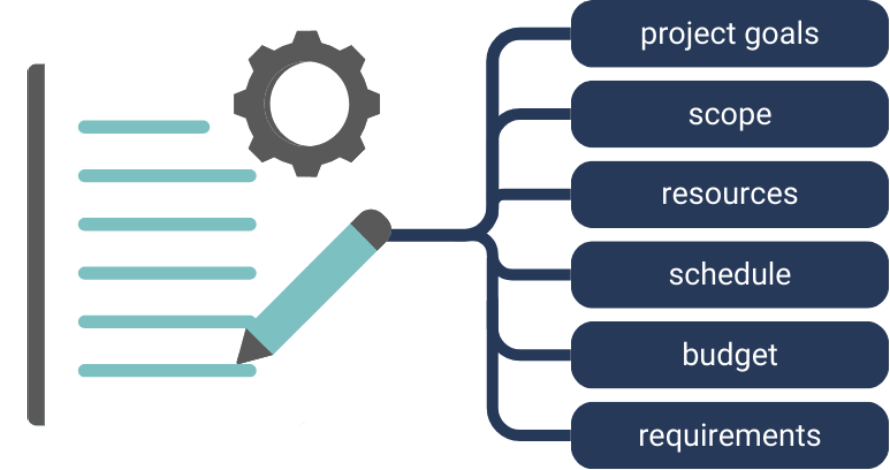
Creating a communication plan> <
ul>Effective <li>communication <span>The purpose, benefits, and key terms of cyber resilience is vital for project success. A comprehensive plan should:
| >Key Elements | >Description < |
|---|---|
| li>Stakeholders < | span>Risk management and the key activities needed to address risks and opportunitiesIdentify all parties involved in communication |
| >Frequency | >Determine how often updates will be shared < |
| li>Channels < | span>The purpose of an online security management system and how best practices and standards can contributeSpecify methods of communication (e.g., emails, meetings) |
| >Content | >Outline what information will be shared < |
| li>Responsibilities < | span>Cyber resilience strategyAssign roles for creating and disseminating information |
>Risk assessment and mitigation strategies
>Successful <li>risk management <span>Cyber resilience design includes:
- >Identifying potential risks
- >Determining their likelihood and impact <
- li>Developing mitigation strategies for the highest priority risks <
- span>Cyber resilience transitionContinuously monitoring and updating the risk assessments throughout the project.
>Change management planning
>Change management <li> planning should include establishing a process for proposing and approving changes to the project scope, schedule, or budget, defining roles and responsibilities in the change management process, establishing criteria for evaluating the impact of proposed changes, and creating a system for documenting and communicating approved changes. <
span>Cyber resilience operationBy carefully considering each of these aspects during the planning phase, project managers can set the stage for a successful project execution and delivery.
>3. Project execution
>This is the stage where planning turns into action. The work must be supervised and managed at this point in time. <
li>Implementing the project plan<
Executing the project plan involves:
- Delegate tasks to team members based on their skills and availability<
- Ensure they have the resources they need to complete their tasks
- Track progress against the schedule<
- Resolve issues as they occur.
Managing team workflows<
Efficient
workflow management< is crucial for maintaining productivity. Consider the following strategies:<- Set clear processes for handoffs between team members
- Use < Agile approaches such as < Scrum or Kanban to manage projects<
- Hold regular stand-up meetings to discuss progress and challenges
- Encourage communication so that bottlenecks can be addressed quickly.<
Ensuring effective collaboration
Collaboration< is key to project success. To foster a collaborative environment:
| Strategy< | Description |
|---|---|
| Clear roles< | Define responsibilities for each team member |
| Open communication< | Encourage sharing of ideas and concerns |
| Shared goals< | Align team efforts towards common objectives |
| Conflict resolution< | Address disagreements promptly and constructively |
Utilising project management tools<
Project management tools can be leveraged to improve execution efficiency. Task management software can be used to track progress and deadlines. Collaboration platforms can centralise communication and file sharing. Time-tracking tools can be implemented to monitor resource allocation and productivity. Reporting dashboards can be utilised to provide real-time project status updates.<
By effectively implementing these strategies during the execution phase, project managers can ensure smooth project progression and maintain team momentum towards achieving project goals.
4. Project monitoring and controlling
Monitoring and controlling involves keeping a check on all activities that are being executed to ensure that they are following the project plan.<
Tracking progress against goals
Effective < progress tracking
Self-paced
- 1 hour
- Prioritise tasks based on value and adapt plans accordinglyTutor and technical support via email and phone
- Foster a culture of collaboration and self-organisation within the team.
Utilising project management softwareStart anytime
Project management tools can simplify processes and increase efficiency:N/A
| Tool Type | BenefitsInteractive content |
|---|---|
| Task management | Organise and track project tasks effectively30 days access |
| Collaboration platforms | Facilitate communication and file sharingLearners who prefer flexibility & self-study |
| Resource allocation | Optimise team member workloadsShort, interactive lessons with practical scenarios |
| Reporting dashboards | Provide real-time project status updatesAbout our e-learning design |
Fostering clear communication Our Cyber Security Awareness self-paced course is not just recorded lectures. It uses modern interactive design principles, including scenarios, questions, and short activities, to help you learn by doing. The course works on any device, so you can study on a computer, tablet, or phone.
Strong communicationCourse is essential for project success: This course offers a practical introduction to staying safe online and reducing cyber risks in everyday work.
- Set up clear communication channels for the team and stakeholders Understanding cyber threats
- Ensure frequent status updates and meetings to share information
- Be open to feedback and communication from team members and stakeholders Learn what cyber attacks are, why they happen, and how they can affect people and organisations.
- Use different communication methods for different stakeholders. Phishing and social engineering
Continuous learning and improvement
Regular learning and improvement See realworld examples of phishing and scams and learn how to spot warning signs before you click. can enhance project management practices: Passwords and access control
- Review and analyse project results regularly
- Share and discuss findings and lessons learnt with the team Discover how to create stronger passwords, avoid common mistakes, and protect your accounts.
- Stay informed about the latest trends and best practices Safe use of devices and networks
- Seek out training and development opportunities to improve skills.
