
IntroductionFAQs
Project management is a vital process for turning ideas into reality. It provides a structured framework that guides teams from planning to execution and, ultimately, to the successful delivery of a project’s objectives. By following the different Infographicproject management phasesIntroduction, organisations can streamline their processes, optimise resource allocation, and increase the chances of achieving their desired outcomes.A

The significance of project kick-off meetingproject management is an event that formally initiates a new project. It is a chance for all the project team members and stakeholders to come together, discuss the project’s objectives and goals, and ensure that everyone is on the same page. This meeting is an important opportunity to set the tone and direction for the project. in any organisation or initiative cannot be overstated. Effective Kick-off meetings are important for several reasons. First, they help to ensure that all the stakeholders are aware of and understand the project goals and objectives. Second, they provide an opportunity for everyone involved to get acquainted and begin building relationships. Third, they allow the project team to review the project plan and ensure that everyone is clear on their roles and responsibilities. Finally, kick-off meetings help to generate excitement and enthusiasm for the project managementproject allows for better control over resources, minimisation of risks and uncertainties, improved communication among stakeholders, and the timely delivery of projects..
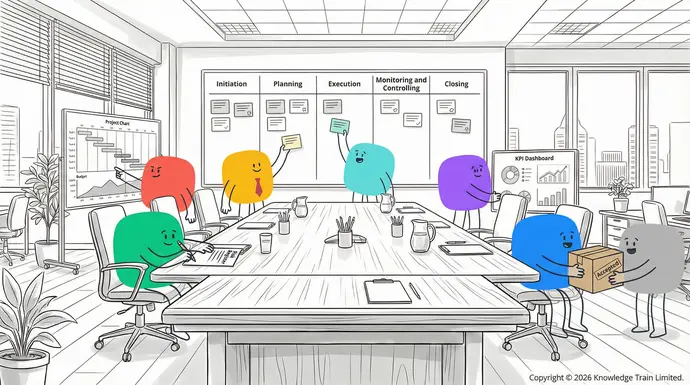
At the core of effective project management are five distinct phases:In this guide, we will discuss how to plan and facilitate effective kick-off meetings, as well as provide tips for engaging participants and ensuring a successful outcome. We will also cover some variations of kick-off meetings that may be more appropriate for different types of projects or teams. By following the advice in this guide, you can help set the stage for a successful project kick-off meeting.
- InitiationUnderstanding project kick-off meetings
- PlanningPurpose and goals of kick-off meetings
- ExecutionProject kick-off meetings are the starting points of new projects. They aim to align all participants with the project’s objectives, scope, and expectations. The main goals of such meetings are to build team unity, clarify roles and responsibilities, and establish a shared vision of success.
- Monitoring and controllingTypes of kick-off meetings
- ClosingInternal project kick-off meetings
Each of these phases plays a crucial role in a project’s lifecycle and contributes to its overall success. Understanding the purpose and activities associated with each phase is fundamental for : These meetings focus on aligning the core project team. They cover project details, timelines, and individual responsibilities.project managersExecutive sponsor kick-off meetings and their teams to navigate challenges and lead their projects to fruition. In this comprehensive article, we will delve into each project management phase, providing insights and best practices to ensure effective and efficient project management.: Tailored for high-level stakeholders, these meetings emphasise strategic goals and business impact. They provide a broader context for the project’s importance.
The five phases of project managementExternal or client-facing kick-off meetings
The project lifecycle is essential in project management. The five phases of the : These involve both the internal team and external clients or partners. They aim to set expectations, confirm deliverables, and establish communication protocols.project lifecycleAgile project kick-off meetings provide a framework for organising and executing : Specific to projectsAgile methodologies from start to finish., these meetings set the stage for sprints and iterations. They focus on short-term goals and adaptability.
Brief overview of each phaseKey benefits of effective kick-off meetings
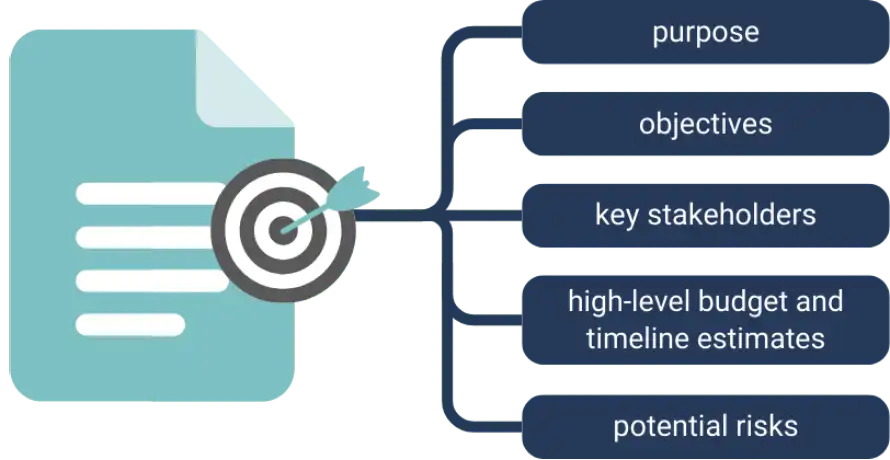
- InitiationWell-executed kick-off meetings offer numerous advantages:: Identify the project’s goals, scope, and feasibility. Document them in a project charter and identify key stakeholders.Enhanced team alignment and motivation
- PlanningClearer understanding of project goals and constraints: Early identification of potential risks or challengesPlan the projectImproved stakeholder engagement and buy-in in detail, including the timeline, budget, and resources needed. Communication and risk management strategies should also be developed.Established communication channels and expectations.
- ExecutionBy investing time in thorough kick-off meetings, : Execute the project plan, manage team workflows, and ensure effective communication among stakeholders.project managers
- Monitoring and controlling create a solid foundation for success. These sessions set the tone for collaboration and provide a roadmap for the work ahead.: Measure and track project progress, performance, and quality to ensure they align with the plan. Adjust as necessary to keep the project on track.Enhance your skills with our expert-led courses
work breakdown structure (which outlines the work to be performed), the resource management plan, and the schedule for the work and major milestones.Tools and processes
Defining technical requirements: Introduce the tools and software that will be used for
Technical requirementsproject management clearly define the characteristics of the project’s deliverables in terms of functions, features, and technical aspects. To define and document technical requirements effectively: and collaboration.
- Involve stakeholders and collaborate with them to gather requirementsMeeting cadence
- Prioritise requirements based on their importance and feasibility: Set expectations for regular project meetings, including frequency, duration, and participants.
- Ensure the requirements are stated clearly and unambiguouslyRisk and issue management
- Validate the requirements with relevant experts and end-users.Address potential risks and challenges, encouraging team input on mitigation strategies.
Developing a detailed project scheduleQuestion and answer session
Creating an effective Allocate time for participants to ask questions and seek clarification on any aspect of the project.project scheduleNext steps and action items is crucial for meeting project deadlines. The steps involved are as follows:Conclude by summarising key decisions and assigning actionable tasks with clear owners and deadlines.
- Work Breakdown StructureBy following this structured agenda, you ensure comprehensive coverage of all crucial project elements. This approach promotes clarity, alignment, and engagement among team members and stakeholders. Remember to remain flexible and adapt the agenda as needed to suit your specific project requirements and team dynamics. (Best practices for running an effective kick-off meetingWBSSetting the right tone and energy)Begin your kick-off meeting with enthusiasm and positivity. Your attitude sets the stage for the entire project. Demonstrate confidence in the team’s abilities and the project’s potential for success. Use : Break down the project into manageable tasksinclusive language
- Task Duration to foster a sense of unity and shared purpose among participants.: Estimate the duration of each task realisticallyEncouraging participation and engagement
- Task DependenciesCreate an environment where all team members feel comfortable contributing. Consider using round-robin exchanges or breakout sessions for smaller group interactions. Interactive tools like digital whiteboards or polling software can also boost engagement. Actively solicit input from quieter participants to ensure diverse perspectives are heard and valued.: Identify and document dependencies between tasksManaging time effectively
- Resource AllocationRespect everyone’s time by adhering to the agenda and keeping meetings on track. Assign a : Allocate resources to tasks efficientlytimekeeper
- Milestonesto monitor each section’s duration. If conversations veer off-topic, gently guide them back to the agenda items. Be prepared to table lengthy conversation for follow-up meetings if necessary, ensuring the kick-off remains focused and productive.: Define significant points of progress or project phases to be achieved.Addressing concerns and potential roadblocks
Setting SMART and CLEAR goalsEncourage open dialogue about potential challenges. Create a safe space for team members to voice concerns without fear of judgment. Address issues proactively and collaboratively, focusing on solutions rather than dwelling on problems. This approach helps build trust and demonstrates a commitment to overcoming obstacles as a team.
Combine Ensuring clarity on project goals and expectationsSMARTClearly articulate the project’s objectives and success criteria. Use visual aids like charts or diagrams to illustrate complex concepts. Encourage questions and provide thorough explanations to ensure everyone leaves with a shared understanding of the project’s direction. This clarity is essential for aligning efforts and maintaining focus throughout the project lifecycle. (Specific, Measurable, Achievable, Relevant, Time-bound) and Fostering team collaboration and rapportCLEARPromote a collaborative atmosphere by highlighting the unique skills each team member brings to the project. Establish clear communication channels for ongoing collaboration and encourage cross-functional interactions during the meeting. Consider incorporating a brief team-building activity to strengthen interpersonal connections, which can enhance future teamwork and project outcomes. (Collaborative, Limited, Emotional, Appreciable, Refinable) goal-setting methods for comprehensive project objectives.By implementing these best practices, you’ll create a kick-off meeting that energises your team and sets a positive tone for the entire project. A well-executed kick-off meeting lays the foundation for successful project execution and team cohesion throughout the project lifecycle.

Project planEnhance your skills with our expert-led courses
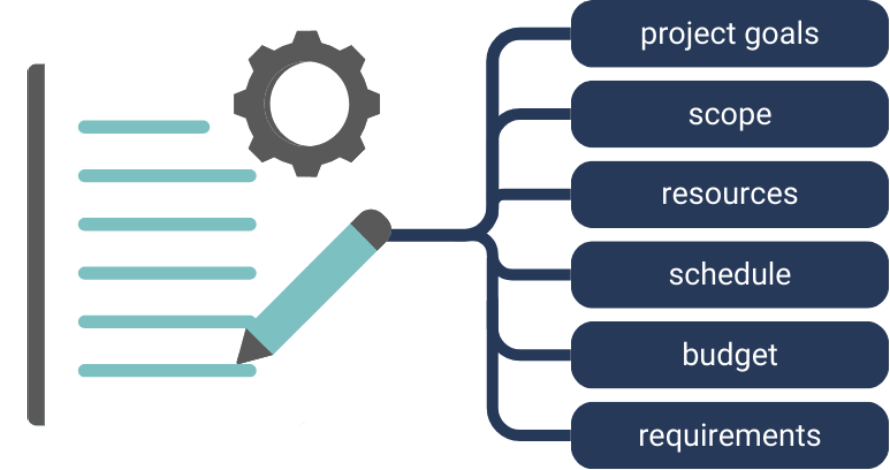
In this phase a project plan captures the project goals, scope, resources, schedule, budget, and main requirements for the project. The initial version of the project plan needs to be approved by the project sponsor before proceeding to the next phase and will be updated regularly as the project proceeds.
Creating a communication plan
Effective Self-pacedcommunicationAPM PFQ blended online is vital for project success. A comprehensive plan should:
| Key Elements£749 +vat | Description |
|---|---|
| Stakeholders | Identify all parties involved in communication |
| FrequencySelf-paced | Determine how often updates will be sharedPRINCE2 Agile Practitioner (with Foundation) self-paced online |
| Channels | |
Distributing meeting notes and recordings
- Identifying potential risksShare comprehensive
- Determining their likelihood and impactmeeting minutes
- Developing mitigation strategies for the highest priority risks and, if applicable, meeting recordings or links to them with all attendees and relevant stakeholders as soon as possible after the kick-off meeting. This allows everyone, including those who were unable to attend, to be up to date and serves as a reference for future discussions. Detailed documentation ensures transparency and alignment among team members and stakeholders.
- Continuously monitoring and updating the risk assessments throughout the project.Following up on action items
Change management planningCompile a list of
Change managementaction items planning should include establishing a process for proposing and approving changes to the project scope, schedule, or budget, defining roles and responsibilities in the change management process, establishing criteria for evaluating the impact of proposed changes, and creating a system for documenting and communicating approved changes. identified during the kick-off meeting and assign them to team members with clear deadlines. Check in with everyone to verify their understanding and commitment to completing the assigned tasks. Following up early on ensures accountability and sets the stage for project progress from day one.
By carefully considering each of these aspects during the planning phase, project managers can set the stage for a successful project execution and delivery.Establishing a central source of truth for project information
3. Project executionSet up a
This is the stage where planning turns into action. The work must be supervised and managed at this point in time.centralised location
Implementing the project plan for all project-related information, such as the project charter, timeline, and resource allocation. This could be a shared drive,
Executing the project management toolproject plan, or a dedicated intranet page. Ensure that all team members have access and are familiar with navigating the system. Having a single source of truth reduces confusion and enhances collaboration. involves:Setting up regular check-ins and status updates
- Delegate tasks to team members based on their skills and availabilityEstablish a
- Ensure they have the resources they need to complete their taskscommunication plan
- Track progress against the schedulefor ongoing project updates. This may include weekly team meetings, bi-weekly stakeholder briefings, or monthly executive summaries. Define the format, frequency, and participants for each type of update to ensure a consistent flow of information throughout the project lifecycle. Regular check-ins help address issues early and keep the project on track.
- Resolve issues as they occur.Tailoring kick-off meetings for different project types
Managing team workflowsAdapting the agenda for internal vs external projects
Efficient Internal project kick-offs often focus more on team alignment and organisational goals. In contrast, external project kick-offs should emphasise client expectations, deliverables, and communication protocols. When working with external stakeholders, clarify roles and responsibilities between your team and the client’s representatives.workflow managementConsiderations for Agile project kick-offs is crucial for maintaining productivity. Consider the following strategies:Agile project kick-offs should highlight the importance of
- Set clear processes for handoffs between team membersflexibility
- Use and Agile approachesiterative development such as . Instead of focusing on detailed long-term plans, Agile kick-offs concentrate on high-level project goals and the first sprint’s objectives. Agile-specific concepts like Scrumuser stories or Kanban to manage projects, sprint planning, and daily stand-ups can be introduced during the kick-off meeting.
- Hold regular stand-up meetings to discuss progress and challengesScaling the kick-off process for different project sizes
- Encourage communication so that bottlenecks can be addressed quickly.Small projects may benefit from a more concise kick-off meeting that covers the essentials like project goals, timelines, and team roles. For larger and more complex projects, it may be useful to conduct multiple kick-off meetings, each catering to a different stakeholder group or project phase. Consider holding separate kick-off meetings for:
Ensuring effective collaborationExecutive-level
Collaboration: Focus on high-level overview and strategic alignment is key to project success. To foster a collaborative environment:Team-level
| Strategy: Detailed planning and role assignments take place | DescriptionTechnical-level |
|---|---|
| Clear roles: In-depth discussion of tools and methodologies. | Define responsibilities for each team memberRegardless of project size, it is essential to maintain a focus on project objectives and team alignment. The level of detail and meeting duration should be adjusted according to the project’s complexity and stakeholder requirements. Tailoring your kick-off process to the specific project type and size ensures that each project has the right foundation for success. |
| Open communicationCommon challenges and how to overcome them | Encourage sharing of ideas and concernsDealing with absent stakeholders |
| Shared goalsWhen key stakeholders are unable to attend the kick-off meeting, record the meeting and provide detailed meeting minutes to them. Follow up with individual meetings or calls to brief them and solicit their input. Ensure their perspectives are considered in project decisions. | Align team efforts towards common objectivesManaging conflicting priorities or expectations |
| Conflict resolutionResolve disagreements early in the kick-off meeting. Encourage open discussion to identify common ground and establish clear project priorities. If necessary, escalate issues to higher-level decision-makers to align conflicting expectations. | Address disagreements promptly and constructivelyAddressing scope creep early on |
Utilising project management toolsClearly define the project scope and deliverables in the kick-off meeting. Establish a
Project management toolschange management process can be leveraged to improve execution efficiency. Task management software can be used to track progress and deadlines. Collaboration platforms can centralise communication and file sharing. Time-tracking tools can be implemented to monitor resource allocation and productivity. Reporting dashboards can be utilised to provide real-time project status updates. for addressing new requests or changes. Educate stakeholders about the impact of scope changes on timelines and resources. Regularly review and reaffirm the project scope throughout its lifecycle.
By effectively implementing these strategies during the execution phase, project managers can ensure smooth project progression and maintain team momentum towards achieving project goals.In each case, anticipating these challenges allows you to proactively develop solutions to minimise their impact. Open communication, clear documentation, and consistent follow-up are key to overcoming obstacles and maintaining project momentum.
4. Project monitoring and controllingConclusion
Monitoring and controlling involves keeping a check on all activities that are being executed to ensure that they are following the project plan.A successful project kick-off meeting sets the stage for project success. By planning, structuring, and tailoring your kick-off meeting, you can ensure that your team and stakeholders are aligned from the outset. Remember to focus on clear communication, team engagement, and addressing potential challenges as early as possible.
Tracking progress against goalsContinuous improvement is key; refine your kick-off process based on feedback and project outcomes. Each kick-off meeting provides an opportunity for improvement, allowing you to adapt to your organisation’s evolving needs.
Effective We encourage you to implement these strategies and techniques in your next project kick-off meeting. With practice and refinement, you’ll see significant improvements and create more effective meetings that contribute to the success of your progress trackingprojects involves:. Your team and stakeholders will appreciate the clarity, direction, and momentum that a well-crafted kick-off provides.
- Regularly compare actual performance to planned objectivesFAQs
- Identify variances and their causesHow long should a project kick-off meeting last?
- Take corrective action to address any deviations from the planThe ideal length of a project kick-off meeting is between 60 to 90 minutes. For complex projects, it may be more effective to conduct multiple sessions rather than holding a single meeting exceeding two hours. Adjust the duration according to the project’s scope and the number of participants, covering all essential topics without overwhelming the attendees.
- Update stakeholders on the project’s status and any major changes.What’s the difference between a project charter and a kick-off meeting?
Establishing Critical Success Factors (CSF) and Key Performance Indicators (KPI)A project charter is a formal document that outlines the project’s objectives, scope, stakeholders, and high-level requirements. On the other hand, the kick-off meeting is an interactive event where team members discuss the charter’s details, clarify roles, and align on project goals and objectives. While the project charter provides a foundational understanding of the project, the kick-off meeting builds on that information, facilitating a clear understanding and engagement among team members and stakeholders.
CSFsShould we have a kick-off meeting for every sprint in Agile projects? and It is not necessary to conduct a kick-off meeting for every sprint in Agile projects. Sprints are typically short iterations focused on delivering specific features or improvements. However, it is advisable to hold kick-off meetings for major project phases or when implementing significant changes that affect the project’s scope or direction. Regular sprint planning meetings are usually sufficient for ongoing Agile projects.KPIsHow can I ensure stakeholder engagement during virtual kick-off meetings? are essential for measuring project success:Maintaining stakeholder engagement in virtual kick-off meetings can be challenging but manageable with the right techniques. Use interactive tools such as polls or virtual whiteboards to foster engagement. Encourage participants to use video during the meeting to maintain a sense of connection. Consider scheduling regular check-ins and allocate time for questions and discussions. Break up longer meetings into shorter, focused sessions to avoid screen fatigue.
| MetricWhat should I do if key information is missing during the kick-off meeting? | |
|---|---|
Adjusting plans as necessary
Project plans may need to be adjusted to overcome unforeseen obstacles, to do this effectively, regularly review the project to identify areas that may need to be changed, evaluate the potential impact of proposed changes on the project scope, timeline and budget, communicate any changes to all relevant stakeholders and update project documentation to reflect approved changes.
By carefully monitoring and controlling these aspects, project managers can ensure their projects stay on track and adapt to changes as needed.
Strategic project management, leveraging project management softwareKnowledge Train, and emphasising clear communication and continuous learning.19 Feb 2026
These practices not only improve project success rates but also foster a more efficient and effective project management team. Following the phases of project management Learn how to connect projects to business strategy and objectives. Select and prioritise initiatives that will help your organisation move forward. Find out how to do it, and improve the results you get from projects, for improved performance overall.provides a roadmap for teams to navigate challenges, optimise resources, and meet stakeholder expectations. By consistently applying these principles, organisations can enhance their project delivery capabilities and achieve successful results across all projects.
FAQs19 Feb 2026
What is the most crucial phase of project management?
The planning phase is arguably the most important phase of project management. This is when you set your goals, resources, and timelines.Find out about the most efficient project management tools for 2025. This comprehensive guide compares the best software solutions and enables you to select the right one to manage your workflow and complete the project on time.
How can I prevent scope creep in my projects?
To avoid scope creep, be sure to clearly define the boundaries of your project, implement a change control process, and regularly review the project scope with stakeholders.
What’s the difference between traditional and Agile project management?
The key difference between traditional and Agile project management is the approach to the development process. Traditional project management is more linear and sequential. Agile methodologies focus on flexibility, iterative development, and continuous stakeholder feedback.
How often should I conduct project status meetings?
The frequency of project status meetings will vary depending on the complexity and duration of your project. Weekly meetings are the norm, but you can adjust as needed to find a balance between communication and productivity.
What are some common project management pitfalls to avoid?
Some common project management mistakes to avoid include inadequate stakeholder communication, poor risk management, setting unrealistic timelines or budgets, lack of clear objectives, and insufficient resource allocation.The Rise of AI: How AI is Revolutionising Project Management
To avoid these mistakes, it is important to carefully plan, monitor, and proactively solve problems throughout the project lifecycle.
Infographic
