Project management steps

- Close formally with acceptance, a review of outcomes, lessons learnt, and well organised archives.Email

Introduction
Project management is a vital process for turning ideas into reality. It provides a structured framework that guides teams from planning to execution and, ultimately, to the successful delivery of a project’s objectives. By following the different project management phases , organisations can streamline their processes, optimise resource allocation, and increase the chances of achieving their desired outcomes.

The significance of Give us a callproject management in any organisation or initiative cannot be overstated. Effective project management+44 (0)207 148 5985 allows for better control over resources, minimisation of risks and uncertainties, improved communication among stakeholders, and the timely delivery of projects.
At the core of effective project management are five distinct phases:
- InitiationOr chat with us using the link at the bottom of the screen.
- PlanningContact us with questions about the courses on this page, or about which project management certification or training is best for you.
- ExecutionFinance FAQs
- Monitoring and controllingContact
- ClosingCookies
Each of these phases plays a crucial role in a project’s lifecycle and contributes to its overall success. Understanding the purpose and activities associated with each phase is fundamental for Privacyproject managersTerms and their teams to navigate challenges and lead their projects to fruition. In this comprehensive article, we will delve into each project management phase, providing insights and best practices to ensure effective and efficient project management.Customer Support
The five phases of project management
The project lifecycle is essential in project management. The five phases of the [email protected]project lifecycleJoin Our Team provide a framework for organising and executing projects[email protected] from start to finish. Copyright © 2005-2026 Knowledge Train Limited.
Brief overview of each phase Registered in UK: 5566983.
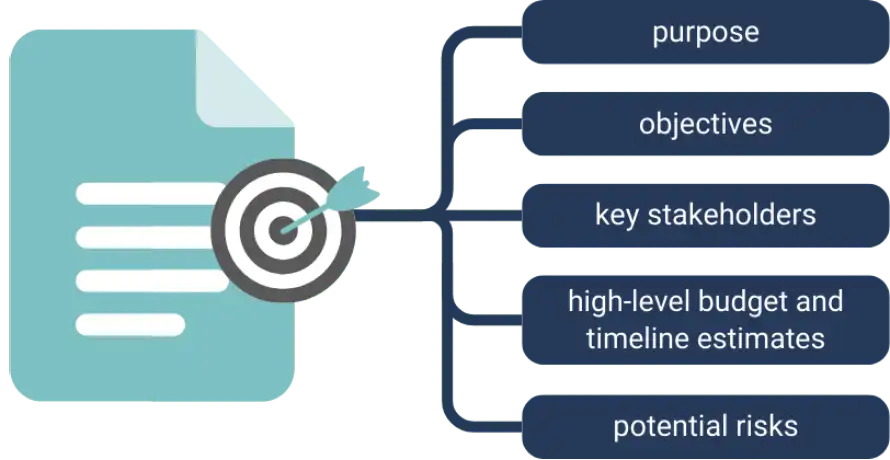
- Knowledge Train: Identify the project’s goals, scope, and feasibility. Document them in a project charter and identify key stakeholders.®
- Planning is a registered trademark of Knowledge Train Limited. : 20 Old Bailey, London, EC4M 7AN, England, United Kingdom.Plan the project Knowledge Train are experts in project management, PRINCE2, agile and change management training and certification. Choose from a full range of instructor-led and self-paced in detail, including the timeline, budget, and resources needed. Communication and risk management strategies should also be developed.project management courses
- Execution, a : Execute the project plan, manage team workflows, and ensure effective communication among stakeholders.PRINCE2 course
- Monitoring and controlling, or an : Measure and track project progress, performance, and quality to ensure they align with the plan. Adjust as necessary to keep the project on track.agile project management course
- Closing to boost your career. : Deliver the final product or service, conduct a project review, document PRINCE2lessons learned®, and archive project documents., MSP
Importance of understanding the project lifecycle®
Understanding the project lifecycle can help project managers to:, ITIL
- Plan for potential problems and stay one step ahead®
- Manage resources effectively during the project, P3O
- Keep stakeholders informed throughout the project®
- Respond to changes in the project without losing control, PRINCE2
- Uphold quality standards throughout the project.®
Project managers can do all these things when they become familiar with the phases in the project lifecycle. Agile, RESILIA
- Statistics
- Validate the requirements with relevant experts and end-users.
Developing a detailed project schedule
Creating an effective project scheduleStatistics is crucial for meeting project deadlines. The steps involved are as follows:
- Work Breakdown Structure ( WBS ) : Break down the project into manageable tasks
- Task Duration : Estimate the duration of each task realisticallyThe technical storage or access that is used exclusively for statistical purposes.
- Task Dependencies : Identify and document dependencies between tasksThe technical storage or access that is used exclusively for anonymous statistical purposes. Without a subpoena, voluntary compliance on the part of your Internet Service Provider, or additional records from a third party, information stored or retrieved for this purpose alone cannot usually be used to identify you.
- Resource Allocation : Allocate resources to tasks efficiently
- Milestones : Define significant points of progress or project phases to be achieved.
Setting SMART and CLEAR goals
Combine MarketingSMART (Specific, Measurable, Achievable, Relevant, Time-bound) and CLEAR (Collaborative, Limited, Emotional, Appreciable, Refinable) goal-setting methods for comprehensive project objectives.Marketing

Project plan
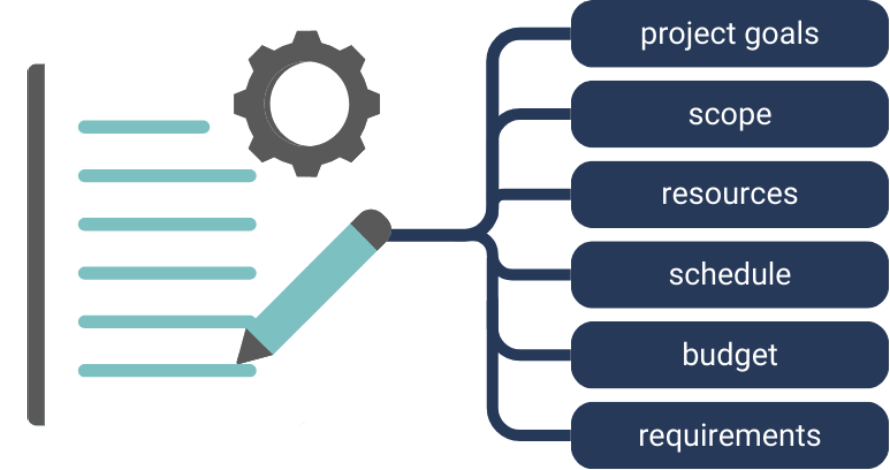
In this phase a project plan captures the project goals, scope, resources, schedule, budget, and main requirements for the project. The initial version of the project plan needs to be approved by the project sponsor before proceeding to the next phase and will be updated regularly as the project proceeds.
Creating a communication plan
Effective communication is vital for project success. A comprehensive plan should:
| Key ElementsThe technical storage or access is required to create user profiles to send advertising, or to track the user on a website or across several websites for similar marketing purposes. | Description |
|---|---|
| Manage services | Identify all parties involved in communicationManage {vendor_count} vendors |
| FrequencyRead more about these purposes | Determine how often updates will be shared |
| ChannelsAccept | Specify methods of communication (e.g., emails, meetings) |
| ContentDeny | Outline what information will be shared |
| ResponsibilitiesView preferences | Assign roles for creating and disseminating information |
Risk assessment and mitigation strategiesSave preferences
Successful risk managementView preferences includes:{title}
- Identifying potential risks{title}
- Determining their likelihood and impact{title}
- Developing mitigation strategies for the highest priority risksManage Consent
- Continuously monitoring and updating the risk assessments throughout the project.
Change management planningTo provide the best experiences, we use technologies like cookies to store and/or access device information. Consenting to these technologies will allow us to process data such as browsing behavior or unique IDs on this site. Not consenting or withdrawing consent, may adversely affect certain features and functions.
Change management planning should include establishing a process for proposing and approving changes to the project scope, schedule, or budget, defining roles and responsibilities in the change management process, establishing criteria for evaluating the impact of proposed changes, and creating a system for documenting and communicating approved changes.
By carefully considering each of these aspects during the planning phase, project managers can set the stage for a successful project execution and delivery.
3. Project execution
This is the stage where planning turns into action. The work must be supervised and managed at this point in time.Functional
Implementing the project plan
Executing the project plan involves:
- Delegate tasks to team members based on their skills and availabilityFunctional
- Ensure they have the resources they need to complete their tasks
- Track progress against the schedule Always active
- Resolve issues as they occur.
Managing team workflows
Efficient workflow management is crucial for maintaining productivity. Consider the following strategies:
- Set clear processes for handoffs between team members
- Use The technical storage or access is strictly necessary for the legitimate purpose of enabling the use of a specific service explicitly requested by the subscriber or user, or for the sole purpose of carrying out the transmission of a communication over an electronic communications network.Agile approaches such as Scrum or Kanban to manage projects
- Hold regular stand-up meetings to discuss progress and challengesPreferences
- Encourage communication so that bottlenecks can be addressed quickly.
Ensuring effective collaboration
Collaboration is key to project success. To foster a collaborative environment:Preferences
| Strategy | Description |
|---|---|
| Clear roles | Define responsibilities for each team member |
| Open communication | Encourage sharing of ideas and concerns |
| Shared goals | Align team efforts towards common objectivesThe technical storage or access is necessary for the legitimate purpose of storing preferences that are not requested by the subscriber or user. |
| Conflict resolution | Address disagreements promptly and constructively |
Utilising project management tools
Project management tools can be leveraged to improve execution efficiency. Task management software can be used to track progress and deadlines. Collaboration platforms can centralise communication and file sharing. Time-tracking tools can be implemented to monitor resource allocation and productivity. Reporting dashboards can be utilised to provide real-time project status updates.Statistics
By effectively implementing these strategies during the execution phase, project managers can ensure smooth project progression and maintain team momentum towards achieving project goals.
4. Project monitoring and controllingMarketing
Monitoring and controlling involves keeping a check on all activities that are being executed to ensure that they are following the project plan.
Tracking progress against goals
Effective progress tracking involves:
- Regularly compare actual performance to planned objectives
- Identify variances and their causes
- Take corrective action to address any deviations from the planThe technical storage or access is required to create user profiles to send advertising, or to track the user on a website or across several websites for similar marketing purposes.
project. It’s when you finalise project deliverables, review performance, and document learnings for future reference.
Delivering final project outcomes
Final delivery involves:
- Validating that all project deliverables meet the agreed-upon specifications
- Seeking formal acceptance from stakeholders
- Transferring project outputs to the relevant teams or clients
- Closing any remaining contracts or agreements.
Conducting project review meetings
Project review meetings allow you to assess how well the project has performed:
- Convene all key stakeholders to review the project’s outcomes
- Assess the project’s success against the initial goals
- Identify areas of excellence and opportunities for improvement
- Seek feedback from team members and stakeholders.
Documenting lessons learnt
Capturing lessons learnt is vital for organisational growth:
| Aspect | Description |
|---|---|
| Successes | Document effective strategies and practices |
| Challenges | Note obstacles encountered and how they were overcome |
| Improvements | Identify areas for enhancement in future projects |
Archiving project information
Project archiving involves preserving valuable information after project completion. To effectively archive project information, organise all project documentation in a central repository, ensure easy accessibility for future reference, include key documents such as project plans, reports, and communications and comply with organisational data retention policies.
By carefully managing these closing activities, project managers can ensure a smooth project closure and contribute to ongoing organisational learning and improvement.
Best practices for effective project management
Incorporating effective project management best practices can greatly improve your project’s success. These strategies guide teams through common challenges and help them deliver successful results more consistently.
Embracing Agile methodologies
Following Agile methodologies can provide flexibility and adaptability:
- Implement iterative development cycles
- Encourage regular stakeholder feedback
- Prioritise tasks based on value and adapt plans accordingly
- Foster a culture of collaboration and self-organisation within the team.
Utilising project management software
Project management tools can simplify processes and increase efficiency:
| Tool Type | Benefits |
|---|---|
| Task management | Organise and track project tasks effectively |
| Collaboration platforms | Facilitate communication and file sharing |
| Resource allocation | Optimise team member workloads |
| Reporting dashboards | Provide real-time project status updates |
Fostering clear communication
Strong communication is essential for project success:
- Set up clear communication channels for the team and stakeholders
- Ensure frequent status updates and meetings to share information
- Be open to feedback and communication from team members and stakeholders
- Use different communication methods for different stakeholders.
Continuous learning and improvement
Regular learning and improvement can enhance project management practices:
- Review and analyse project results regularly
- Share and discuss findings and lessons learnt with the team
- Stay informed about the latest trends and best practices
- Seek out training and development opportunities to improve skills.
These best practices provide a solid foundation for project managers to achieve project success. By focusing on effective communication and a commitment to learning, organisations can foster adaptability, efficiency, and continuous improvement in project delivery.
Conclusion
Project management is a vital discipline that plays a critical role in the successful execution of projects within organisations. By following a structured approach and adhering to best practices, project managers can ensure that their teams achieve organisational goals and deliver successful outcomes.
To implement project management best practices, organisations should consider incorporating strategies such as adopting Agile methodologies, leveraging project management software, and emphasising clear communication and continuous learning.
These practices not only improve project success rates but also foster a more efficient and effective project management team. Following the phases of project management provides a roadmap for teams to navigate challenges, optimise resources, and meet stakeholder expectations. By consistently applying these principles, organisations can enhance their project delivery capabilities and achieve successful results across all projects.
FAQs
What is the most crucial phase of project management?
The planning phase is arguably the most important phase of project management. This is when you set your goals, resources, and timelines.
How can I prevent scope creep in my projects?
To avoid scope creep, be sure to clearly define the boundaries of your project, implement a change control process, and regularly review the project scope with stakeholders.
What’s the difference between traditional and Agile project management?
The key difference between traditional and Agile project management is the approach to the development process. Traditional project management is more linear and sequential. Agile methodologies focus on flexibility, iterative development, and continuous stakeholder feedback.
How often should I conduct project status meetings?
The frequency of project status meetings will vary depending on the complexity and duration of your project. Weekly meetings are the norm, but you can adjust as needed to find a balance between communication and productivity.
What are some common project management pitfalls to avoid?
Some common project management mistakes to avoid include inadequate stakeholder communication, poor risk management, setting unrealistic timelines or budgets, lack of clear objectives, and insufficient resource allocation.
To avoid these mistakes, it is important to carefully plan, monitor, and proactively solve problems throughout the project lifecycle.
Infographic
