To provide the best experiences, we use technologies like cookies to store and/or access device information. Consenting to these technologies will allow us to process data such as browsing behavior or unique IDs on this site. Not consenting or withdrawing consent, may adversely affect certain features and functions.
The roles and responsibilities within an Agile project
< success. li>
What is needed to pass the AgilePM Foundation exam.
AgilePM Practitioner
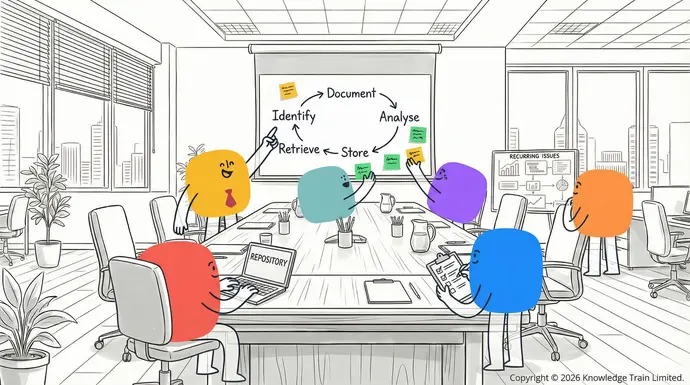
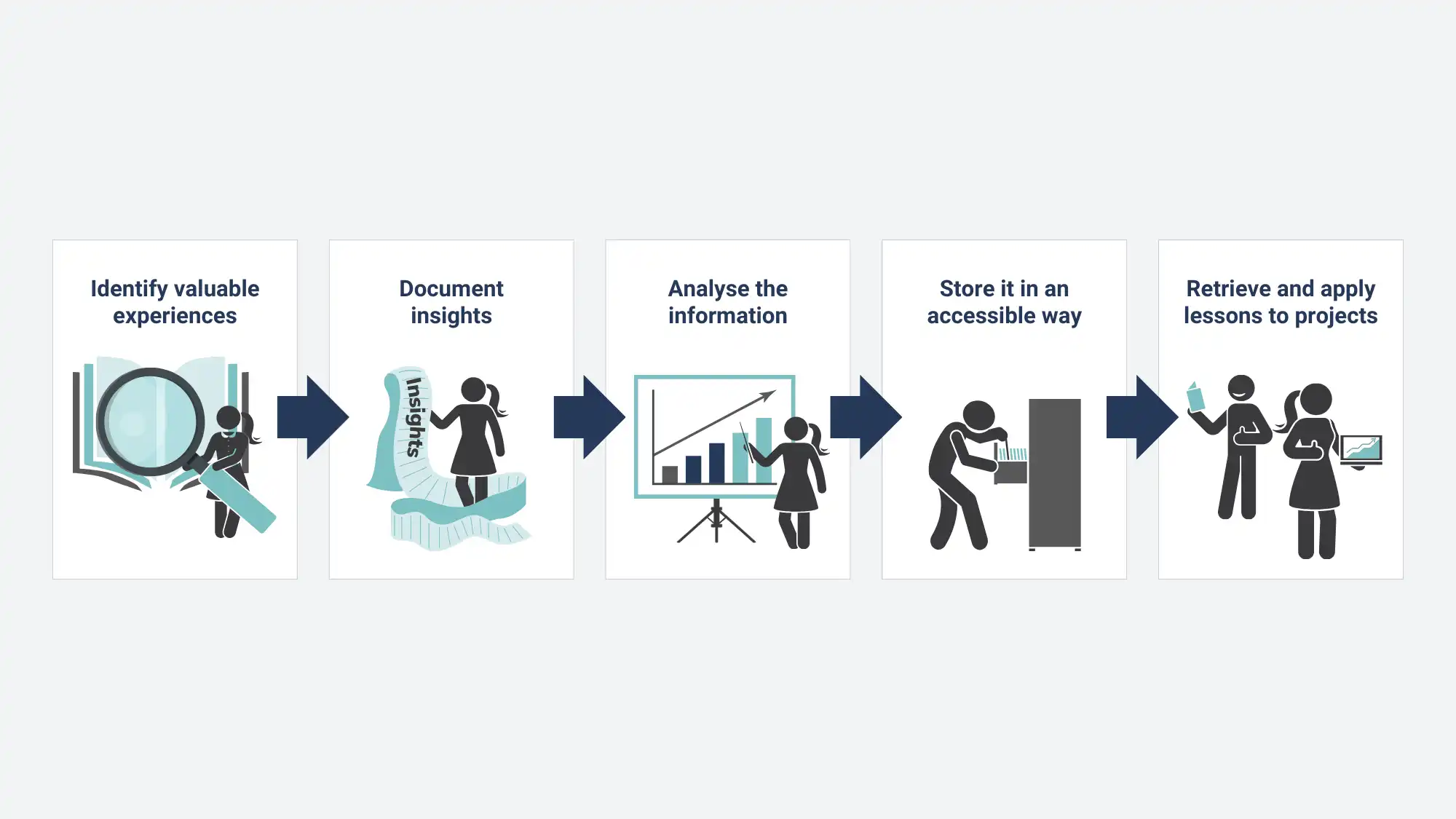
<: The first step in the process involves recognising and pinpointing valuable experiences and insights throughout the project life cycle. It is crucial to encourage team members to note successes and challenges as they occur. p>AgilePM Practitioner training provides builds upon knowledge gained at Foundation level and equips students with sufficient knowledge and understanding of the Agile Project Framework to apply and tailor it to a given scenario.
<: Once identified, these lessons must be recorded in a clear, concise, and accessible manner, usually by using standardised templates or forms.Functionalp>The candidate should understand:
<: The documented lessons should then be examined to understand the root causes, identify patterns, and determine potential implications for future Always active ul><. span>How to apply the underpinning philosophy and principles of DSDM in a project situation
<: Finally, the lessons should be retrieved and applied to current or future projects as needed. This step is essential to ensure the full value of the lessons learned process is realised. span>How to appropriately configure the lifecycle of an Agile project
<: Conducting a comprehensive review at the conclusion of the project allows for a holistic evaluation of the entire project life cycle. This timing can provide valuable insights into overall project performance and outcomes. span>How to produce and evaluate the content of Agile products produced during an Agile project
<: Encouraging the ongoing capture of lessons as they occur can help prevent valuable insights from being lost due to time lapses or fading memories. span>How to apply the following Agile techniques in a project situation: Facilitated Workshops; MoSCoW prioritisation; Iterative Development; Modelling; Timeboxing
span>How to identify the Agile techniques to be used for a given situation
>
>
li>
span>The roles and responsibilities within an Agile project and correctly determine the appropriate personnel to fulfil these roles
>>li>
span>The mechanisms for control of an Agile Project which are specific to an Agile project
span>The Agile approach to managing requirements and identify action to rectify problems with requirements within an Agile project
>
>
li>
Encourage open and honest communicationspan>What is needed to pass the AgilePM Practitioner exam.
Use brainstorming techniques to generate ideas>
Utilise visual aids such as mind maps or whiteboards to stimulate discussion and ideation.>
Key questions to ask>","learningResourceType":"presentation","teaches":"The technical storage or access that is used exclusively for statistical purposes.
Facilitating deliberations can be guided by using the following essential questions:h3>Curriculum
What went well in the project?3>The technical storage or access that is used exclusively for anonymous statistical purposes. Without a subpoena, voluntary compliance on the part of your Internet Service Provider, or additional records from a third party, information stored or r
<
<
<
<
<
<li>Delivering on time using MoSCoW prioritization and time-boxing.
>These reports should be well-organised, concise, and easily searchable.<
li>People, teams, and interactionsExecutive summaries
>Executive summaries provide a concise overview of key lessons. They should highlight significant findings, present actionable recommendations, and be tailored to the needs of senior management and decision-makers.<
li>Requirements and user storiesTools for documenting lessons learned
>Lessons learned input forms<
li>Estimating – how and whenInput forms> help standardise lessons collection. Design a form that captures:<
li>Project planningProject name and date
>Category of the lesson<
li>Never compromise qualityDescription of the situation or issue
>Impact on the project<
li>Risk managementRecommendations for future reference.
>Templates and checklists<
li>Tailoring the approachTemplates and checklists ensure consistency in documentation across projects. Provide team members with a template for the detailed report structure, a checklist of key areas to cover during lessons learned sessions, and a standardised format for documenting recommendations.
>By implementing these tools and techniques, you can develop a streamlined approach to documenting lessons learned. This system will help you capture valuable insights effectively and ensure they can be easily accessed and applied to future <li>AgilePM Practitioner exam preparation.projects>.
p>AgilePM Foundation & Practitioner self-paced online course with 12 months access, exam and certificationAnalysing lessons learned
>","courseCode":"AgPMFPO","coursePrerequisites":"AgilePM Foundation","educationalCredentialAwarded":"AgilePM Practitioner certificate","audience":{"@type":"Audience","name":"Analysis involves transforming lessons learned data into insights. It includes examining the information, identifying patterns, and formul
AgilePM Practitioner is for students already holding an AgilePM Foundation qualification. You learn to flex projects to quickly deliver to customer’s needs.
The combined
AgilePM Practitioner (with Foundation) is for students without an existing AgilePM Foundation qualification. Learn the core principles of the Agile Project Management framework and how to flex projects to deliver quickly to customer’s needs.
Pareto analysis{"@context":"https://schema.org/","@type":"Product","sku":"AgPMFPO","productID":"AgPMFPO","image":"https://www.knowledgetrain.co.uk/training-courses/res/logos/apmg-agilepm-accredited-training-organisation-logo.svg","url":"https://www.knowledgetrain.co.uk/agile/agile-project-management/agile-project-management-course/agile-pm-practitioner","name":"AgilePM Practitioner (with Foundation) self-paced online","description":"Complete online at your own pace (Self-paced)","brand":{"@type":"Brand","name":"Knowledge Train"},"keywords":["AgilePM Practitioner (with Foundation) online course","AgilePM Practitioner (with Foundation) self-paced online training"],"logo":"https://www.knowledgetrain.co.uk/training-courses/res/logos/apmg-agilepm-accredited-training-organisation-logo.svg","offers":{"@type":"Offer","url":"https://www.knowledgetrain.co.uk/agile/agile-project-management/agile-project-management-course/agile-pm-practitioner","price":"1299","priceCurrency":"GBP","availability":"http://schema.org/InStock","category":"Paid","validFrom":"2026-05-27","priceValidUntil":"2027-05-27","hasMerchantReturnPolicy":{"@type":"MerchantReturnPolicy","applicableCountry":["GB","US","NZ","EU","CA","ZA"],"returnPolicyCategory":"https://schema.org/MerchantReturnFiniteReturnWindow","merchantReturnDays":7,"returnMethod":"https://schema.org/ReturnInStore","returnFees":"https://schema.org/FreeReturn"},"shippingDetails":{"@type":"OfferShippingDetails","shippingRate":{"@type":"MonetaryAmount","value":0,"currency":"GBP"},"shippingDestination":{"@type":"DefinedRegion","addressCountry":["GB","US","NZ","EU","CA","ZA"]},"deliveryTime":{"@type":"ShippingDeliveryTime","handlingTime":{"@type":"QuantitativeValue","minValue":0,"maxValue":1,"unitCode":"DAY"},"transitTime":{"@type":"QuantitativeValue","minValue":0,"maxValue":1,"unitCode":"DAY"}}}},"aggregateRating":{"@type":"AggregateRating","ratingValue":"4.8","reviewCount":"227"}}: Prioritise the 20% of factors that led to 80% of results.
Affinity diagramming Not ready to book?: Group related lessons to identify common themes.See how the course works -
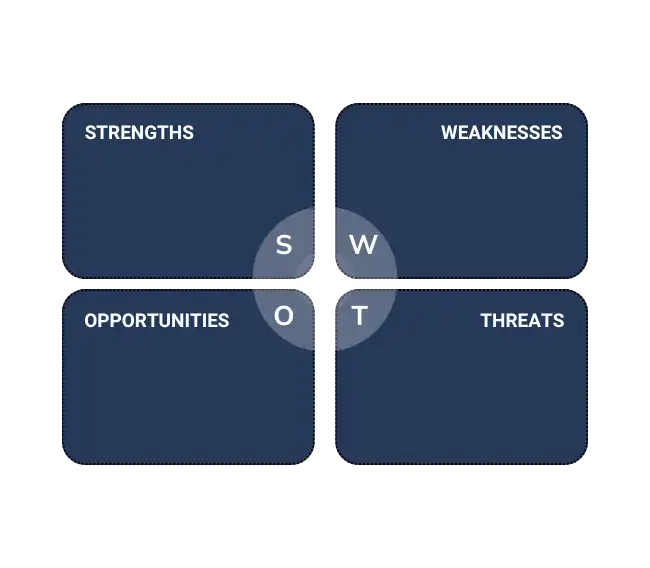
free previewSWOT analysis diagram
Identifying trends and patternsNeed training for your team?
Search for recurring themes across several projects or stages. This can include comparing lessons from similar project types, looking at lessons across different timeframes, or analysing lessons by project role or department.Easily enrol multiple courses online in a single checkout, or
Consider using data visualisation tools like charts or heat maps to make these patterns more visible.request a bespoke quote
Generating actionable insights for tailored group training.
Once you’ve done the analysis, turn those insights into actionable recommendations:
Prioritise insights based on potential impact and ease of implementation.
Create specific, measurable actions to address issues or replicate successes.
Map the insights to existing processes or methodologies in your organisation.The AgilePM Practitioner course tied everything together for me. It showed exactly how to apply the framework on real projects and gave me the confidence to go ahead and book the exam.
Set up a feedback loop to monitor how effective the implemented recommendations are.Martin S., Senior Project Manager
Storing and retrieving lessons learnedApply AgilePM v3 confidently in real-world projects
To effectively use lessons learned, you must have a system for storing and retrieving them. This section provides guidance on setting up an efficient process.Lead agile project teams in VUCA environments
Creating a centralised lessons learned repositoryCombine AgilePM with Scrum and other delivery approaches
A Use AgilePM techniques to manage scope, time, and qualitycentral repositoryPrepare effectively for the AgilePM practitioner exam should be the single source of truth for all lessons learned in your organisation. When building this repository, it’s important to choose a platform that works well with your existing Who this course is for
PMO and governance professionals supporting agile delivery
Ensuring accessibility and usability of stored lessonsAnyone with AgilePM Foundation wanting practitioner-level skills
Encourage everyone to use the lessons learned repository by making it accessible and easy to use. This includes creating user-friendly interfaces on both desktop and mobile platforms. Role-based access control can help protect sensitive information while still providing appropriate access. Regularly curate the content to keep it up-to-date and valuable. Conduct training sessions on how to use the repository so that everyone can get the most out of this resource.Benefits
Creating a well-organised, easily searchable, and accessible repository will ensure your organisation can effectively leverage past experiences. This will turn lessons learned from being static records into resources that actively improve decision-making and project outcomes across your organisation. Apply AgilePM in practice
Leveraging lessons learned for future projects
The real power of lessons learned lies in how they are applied to future projects. In this part, we’ll explore strategies and techniques for leveraging lessons learned effectively to improve project outcomes and drive organisational success. Learn how to tailor AgilePM to different projects and organisations.
Incorporating lessons learned into project planning Lead agile projects
Interactive online modulesConsider tracking the following KPIs to measure the success of your lessons learned efforts:20 hours (43 hours for combined option)
Number of lessons captured per project
Percentage of lessons applied to subsequent projectsTutor and technical support via email and phone
Reduction in recurring issues across projects
Improvement in project success ratesStart anytime
Time saved through application of lessons learned.
Methods for evaluating the effectiveness of lessons learned initiativesIncluded
To evaluate the impact of your lessons learned programme, try the following techniques:
Conduct surveys to measure team members’ perceived value of the processInteractive content (workbook included in combined option)
Compare project outcomes before and after implementing lessons learned initiatives
Track the frequency of accessed lessons in your repository12-month access
Analyse the correlation between applied lessons and project success metrics
Perform regular audits to ensure lessons are being consistently captured and utilised.Learners who prefer flexibility & self-study
By measuring the impact of your lessons learned process systematically, you can demonstrate its value to stakeholders and identify areas for improvement. This data-driven approach ensures that your organisation continues to refine and enhance its knowledge management practices.
ConclusionEngaging, interactive e-learning
The lessons learned processAbout our e-learning design is a vital component for organisational improvement and project success. By implementing a structured approach to identifying, documenting, analysing, storing, and retrieving valuable insights, organisations can significantly enhance their Our AgilePM self-paced course goes far beyond recorded lectures. Interactive modules, scenarios, and practice questions help you apply AgilePM tools to realistic projects, with content fully optimised for desktop, tablet, and mobile. Learn at your own pace, then join live instructor-led sessions if you choose the combined learning experience. project management practicesCourse and drive continuous improvement. This course focuses on applying AgilePM v3 to real project scenarios. You’ll explore how to lead agile projects, work with Scrum teams, and balance governance with flexibility while preparing for the practitioner exam.
A culture of Apply AgilePM principles continuous learning is paramount for the success of lessons learned activities. Cultivating an environment that encourages open communication, values experiential knowledge, and promotes sharing and applying insights across Use AgilePM philosophy and principles to shape agile projects and respond to VUCA challenges. projects Lead agile project teams and teams will maximise the potential benefits of this process.
To unlock the full power of lessons learned, organisations must commit to making these activities an integral part of the project lifecycle and create a blame-free environment where team members feel safe to reflect honestly. Additionally, investing in user-friendly systems for capturing and accessing lessons, as well as regularly measuring and evaluating the effectiveness of lessons learned initiatives, will ensure the sustainability and continuous improvement of this valuable practice. Apply agile leadership styles, define roles, and build effective project and delivery teams.
By embracing the principles and implementing effective lessons learned processes discussed in this guide, organisations can drive continuous improvement, reduce the recurrence of issues, and ultimately achieve greater project success. Start improving your lessons learned practices today to secure a more efficient and effective Collaborate and communicate project management future. Design collaboration and communication approaches that support transparency and stakeholder engagement.
Roles, leadership and agile teamsHow often should lessons learned sessions be conducted?
Ideally, at the end of each project phase and upon project completion. For longer projects, consider quarterly sessions to capture insights while they’re fresh.Agile leadership principles and styles
What’s the difference between lessons learned and project post-mortems?Project, delivery and advisor roles and their accountabilities
Lessons learned focus on ongoing improvement throughout the project lifecycle. Post-mortems typically occur at project end and may have a broader scope, including overall project performance evaluation.Working with Product Owners, Scrum Masters and delivery teams
How can we encourage team members to actively participate in lessons learned sessions?Building effective stakeholder relationships
Create a blame-free environment, emphasise the value of learning, and demonstrate how insights are applied. Consider using anonymous submission methods for sensitive topics.Collaboration and communication
What are some effective tools for capturing lessons learned in real-time?Characteristics of collaborative working in agile projects
+44 (0)207 148 5985 Or chat with us using the link at the bottom of the screen.Contact us with questions about the courses on this page, or about which project management certification or training is best for you.Finance FAQs