Project management lessons learned

Key takeaways
A structured lessons learned cycle turns project experience into repeatable improvements.SOCIAL RESPONSIBILITY
- Capture lessons in real time, at phase ends, and at project close to avoid losing detail.Some of the charities we have helped over the years:
- Use neutral facilitation, surveys, and focused questions to surface honest insights without blame.
- Standardise documentation with templates, input forms, and executive summaries so lessons stay usable.
- Analyse for root causes and patterns, then convert findings into specific, measurable actions.
- Store lessons in a central, searchable repository and review them at project kick-off to ensure reuse.
- Track impact with KPIs such as reuse rates, fewer repeat issues, and improved delivery outcomes.
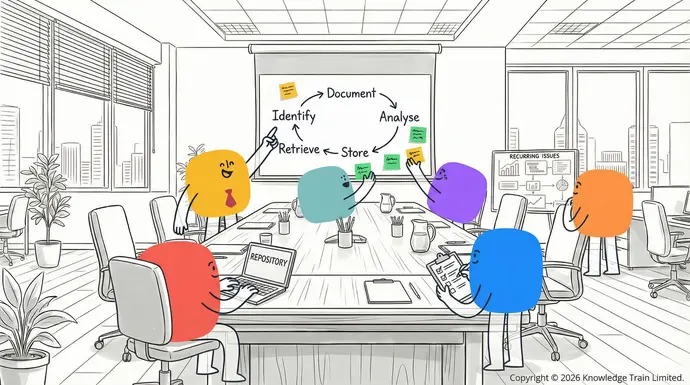
Introduction
In the world of project management, one key element that often distinguishes success from failure is the ability to extract and apply valuable insights from past experiences. This practice, known as lessons learned , involves the identification, analysis, and subsequent utilisation of experiences to better inform future actions and decision-making.United Kingdom
By leveraging the knowledge gained from past mistakes and successes, organisations and project managers can significantly improve their project outcomes, reduce risks, enhance team performance, and increase overall efficiency. In this article, we will embark on a Austriacomprehensive explorationBelgium of lessons learned, delving into the process of their identification, documentation, analysis, storage, and application, as well as best practices and potential challenges..Bulgaria
After completing this reading, you will have a complete understanding of how to successfully incorporate a lessons learned system into your organisation, paving the way for continuous improvement and CroatiaprojectCyprus success.Czech Republic
The lessons learned processDenmark
The lessons learned process is a structured approach designed to help project teams capture, document, analyse, and utilise valuable insights from past experiences. By adhering to this methodical process, project managers and their teams can enhance their project performance, learn from past mistakes, and increase the probability of project success.Estonia
Five steps of the lessons learned processFinland
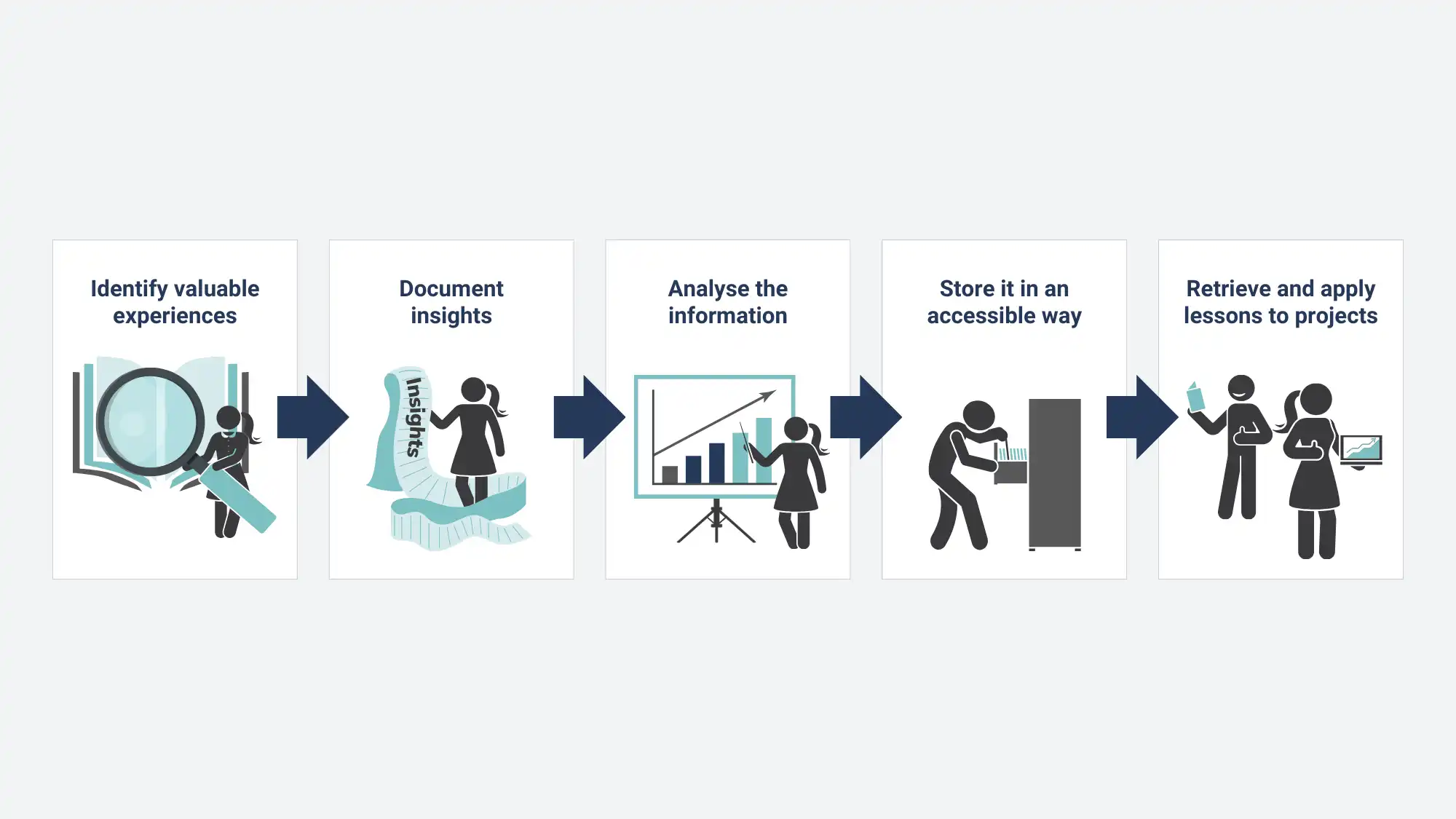
FranceLessons learned process diagramGermany
- IdentifyGreece: The first step in the process involves recognising and pinpointing valuable experiences and insights throughout the project life cycle. It is crucial to encourage team members to note successes and challenges as they occur.Ireland
- DocumentItaly: Once identified, these lessons must be recorded in a clear, concise, and accessible manner, usually by using standardised templates or forms.Latvia
- AnalyseLithuania: The documented lessons should then be examined to understand the root causes, identify patterns, and determine potential implications for future LuxemburgprojectsMalta.Netherlands
- StorePoland: The analysed lessons should be stored in a centralised, easily accessible location, such as a database, shared drive, or specialised knowledge management system.Portugal
- RetrieveRomania: Finally, the lessons should be retrieved and applied to current or future projects as needed. This step is essential to ensure the full value of the lessons learned process is realised.Slovakia
When to capture lessons learnedSlovenia
Capturing lessons learned is most effective when done at the following times:Spain
- End of projectSweden: Conducting a comprehensive review at the conclusion of the project allows for a holistic evaluation of the entire project life cycle. This timing can provide valuable insights into overall project performance and outcomes.Other countries
- End of each phaseHome: Reviews at the end of each project phase enable teams to capture fresh insights and lessons while the information is still clear in everyone’s minds.Project Management
- Real-time learningProject communication plan: Encouraging the ongoing capture of lessons as they occur can help prevent valuable insights from being lost due to time lapses or fading memories.
By adhering to this structured approach and capturing lessons at these strategic moments, project teams can establish a robust knowledge base. This resource will be invaluable for improving project management practices, enhancing decision-making, and increasing the likelihood of project success.{"@context":"http://schema.org","@type":"BreadcrumbList","itemListElement":[{"@type":"ListItem","position":1,"name":"Home","item":"https://www.knowledgetrain.co.uk/"},{"@type":"ListItem","position":2,"name":"Project Management","item":"https://www.knowledgetrain.co.uk/project-management"},{"@type":"ListItem","position":3,"name":"Project communication plan","item":"https://www.knowledgetrain.co.uk/project-management/project-communication-plan"}]}
Remember, the lessons learned process is not a one-time event but a continuous cycle of improvement. Regularly practising and refining this process can lead to substantial advancements in project management capabilities and overall organisational performance.
Identifying lessons learnedProject communication plans
Effective identification of lessons learned is a crucial step in capitalising on the value of project experiences. This process requires careful preparation and skilled facilitation of lessons learned sessions.
Preparing for lessons learned sessionsKnowledge Train
Project surveys19 Feb 2026
Before the session, team members should be asked to complete project surveys . These surveys are designed to encourage reflection on project experiences and gather initial thoughts on successes, challenges, and other aspects of the project. They will also provide a foundation for more in-depth conversations during the lessons learned session.
Categorising lessons learned
Lessons should be organised into specific categories to help with analysis and future retrieval. Common lesson categories include:
- Project management processes
- Technical challenges
stakeholder involvement
Communicating with various stakeholders
Generating actionable insights needs custom messages for each group which consumes substantial time.
Once you’ve done the analysis, turn those insights into actionable recommendations:Virtual workspaces
- Prioritise insights based on potential impact and ease of implementation. bring about specific difficulties in maintaining both clarity and consistency in communication.
- Create specific, measurable actions to address issues or replicate successes.Communication plans become disrupted when
- Map the insights to existing processes or methodologies in your organisation.scope changes or unexpected issues
- Set up a feedback loop to monitor how effective the implemented recommendations are. arise which requires immediate adjustments.
Remember that the point of the analysis is not just to understand what happened, but to shape future decisions. By using these techniques, you can take lessons learned from past projects and turn them into tools for improvement. This level of analysis and critical thinking will allow your organisation to continually adapt its Project managersproject management approach who identify potential communication issues can address them ahead of time to maintain effective communication throughout the project. based on real-life experiences.Enhance your skills with our expert-led courses
Storing and retrieving lessons learned
To effectively use lessons learned, you must have a system for storing and retrieving them. This section provides guidance on setting up an efficient process.
Creating a centralised lessons learned repository
A central repositoryInstructor-led should be the single source of truth for all lessons learned in your organisation. When building this repository, it’s important to choose a platform that works well with your existing Introduction to Project Management courseproject management tools . Use a consistent structure and categorisation system, so the lessons are well-organised. Plan for the repository to be scalable so you can add new projects and insights over time.£499 +vat
Implementing effective search and retrieval systems
Make sure that lessons are easily discoverable. This can be done by implementing a good search function with filters based on project type, date, and category. Use a tagging system to identify key themes and topics, which will allow users to find relevant information quickly. You can also add an option for users to rate the usefulness of a lesson to help surface the most valuable insights. These features will help increase the accessibility and usefulness of the stored knowledge.See all dates
Ensuring accessibility and usability of stored lessons
Encourage everyone to use the lessons learned repository by making it accessible and easy to use. This includes creating user-friendly interfaces on both desktop and mobile platforms. Role-based access control can help protect sensitive information while still providing appropriate access. Regularly curate the content to keep it up-to-date and valuable. Conduct training sessions on how to use the repository so that everyone can get the most out of this resource.
Creating a well-organised, easily searchable, and accessible repository will ensure your organisation can effectively leverage past experiences. This will turn lessons learned from being static records into resources that actively improve decision-making and project outcomes across your organisation.
Leveraging lessons learned for future projectsInstructor-led
The real power of lessons learned lies in how they are applied to future projects. In this part, we’ll explore strategies and techniques for leveraging lessons learned effectively to improve project outcomes and drive organisational success.Project Management Essentials
Incorporating lessons learned into project planning
Incorporating lessons learned into your £999 +vatproject planning process is a crucial step in ensuring that past experiences inform future work. To do this, review relevant lessons learned when starting a new project. Make a See all dateslessons learned review Creating an effective project communication plana standard part of project kick-off meetings and assign team members to research and present applicable lessons to the group. This practice ensures that lessons learned are not just documented but actively inform your project strategies.Setting communication goals and objectives
Update project templates and checklists based on lessons learned to embed these insights into your standard operating procedures.A successful project communication plan requires clearly defined goals and objectives as its foundational elements. The communication plan goals need to support the project’s main objectives while fulfilling requirements. A fundamental objective of the communication plan should be delivering regular updates to all stakeholders. The objectives for project communication could focus on decreasing email response times and boosting attendance at project meetings. Create
Sharing lessons learned across the organisationquantifiable goals
Maximising the value of lessons learned involves creating a culture that values for ongoing evaluation of the communication plan throughout the project duration.knowledge sharingIdentifying stakeholders and their needs and continuous learning. Establish regular forums or platforms for teams to exchange and disseminate key lessons learned. Integrate lessons learned into training programmes and new employee onboarding processes to spread valuable insights across the organisation.Perform a complete
Encourage and reward individuals and teams that actively apply and share lessons learned to reinforce their importance.stakeholder analysis
Continuous improvement through lessons learned to determine which groups and individuals are part of or affected by your project. Key stakeholders consist of team members as well as clients, sponsors, and external partners. Evaluate what information each stakeholder needs to know about the project along with their preferred communication methods and their impact on project success. A
Continuous improvement is key to organisational growth and development. Implement a feedback loop to track the effectiveness of applied lessons learned. Regularly review and update your lessons learned repository to ensure it remains relevant and useful. Encourage teams to challenge existing practices and standards based on new insights and insights to promote innovation and adaptation.stakeholder matrix
Organisationally, use lessons learned data to inform strategic decision-making, ensuring that the company’s direction is shaped by real-world experiences and outcomes. provides a visual representation of stakeholder relationships to help direct communication priorities.
By actively leveraging lessons learned, you can turn past experiences into valuable assets for future success. This proactive approach to project management not only improves individual project outcomes but also cultivates a culture of continuous learning and improvement throughout the organisation.Determining communication methods and channels
Remember, collecting lessons is just the first step; the real value lies in how you apply them systematically to drive tangible improvements in Choose project practicescommunication channels and outcomes. that align with stakeholder preferences while considering the specific nature of the information being communicated. Use a combination of formal and informal communication methods which include email updates, video conferences, face-to-face meetings,
Challenges and best practicesEvaluate your communication plan’s effectiveness by checking against the established
Implementing an effective lessons learned process can be difficult, but being aware of the common challenges and best practices can help organisations overcome these issues and get the most value from their experiences.measurable targets
Common obstacles in implementing lessons learned processes. Measure metrics that include meeting attendance rates along with email response times and levels of stakeholder satisfaction. Implement periodic feedback collection through
Many organisations face challenges such as time constraints, which often relegate lessons learned to a low-priority task. surveysCultural resistance or informal meetings to assess the communication process. Analyse collected data to determine successful elements and improvement opportunities in your communication strategy. to admitting mistakes or sharing failures can also impede the process. Inconsistent documentation and poor knowledge management systems frequently lead to lost or inaccessible lessons.Adapting the plan as needed throughout the project lifecycle
Strategies for overcoming challengesThroughout the project duration maintain flexibility in your communication strategy and be ready to make necessary changes. Always stay ready to adjust your strategy when project scope changes or new challenges emerge. Evaluate your plan’s performance regularly while making updates based on feedback results and performance data. Invite team members to propose improvements to how the team communicates. Keeping an adaptable approach lets you maintain the relevance and effectiveness of your communication plan throughout the project.
To overcome these obstacles, organisations should integrate lessons learned activities into project timelines and allocate dedicated resources. Promoting a Enhance your skills with our expert-led coursesblame-free culture that values learning and improvement can encourage more open sharing of experiences. Standardising documentation processes and implementing user-friendly knowledge management systems can also help capture and retrieve lessons more effectively.
Best practices for maximising the value of lessons learned
To maximise the value of your lessons learned process, consider making it a continuous activity throughout the project lifecycle, rather than a one-time event. Involve all stakeholders in the lessons learned process, not just the project team, to gain a more comprehensive perspective. Use a variety of methods to collect lessons, such as surveys, interviews, and workshops, to capture a diverse range of insights. Ensure that documented lessons are specific, actionable, and relevant to future projects
Measuring the impact of lessons learned
Ensuring the effectiveness of your lessons learned process requires you to measure its impact on project performance and organisational growth. This section will focus on key performance indicators and evaluation methods for assessing the value of your lessons learned initiatives.
Key performance indicators for lessons learned processesInstructor-led
Consider tracking the following Introduction to Project Management courseKPIs to measure the success of your lessons learned efforts:£499 +vat
- Number of lessons captured per project
- Percentage of lessons applied to subsequent projectsSee all dates
- Reduction in recurring issues across projects
- Improvement in project success rates
- Time saved through application of lessons learned.
Methods for evaluating the effectiveness of lessons learned initiativesInstructor-led
To evaluate the impact of your lessons learned programme, try the following techniques:Project Management Essentials
- Conduct surveys to measure team members’ perceived value of the process
- Compare project outcomes before and after implementing lessons learned initiatives£999 +vat
- Track the frequency of accessed lessons in your repository
- Analyse the correlation between applied lessons and project success metricsSee all dates
- Perform regular audits to ensure lessons are being consistently captured and utilised.Best practices for project communication
By measuring the impact of your lessons learned process systematically, you can demonstrate its value to stakeholders and identify areas for improvement. This data-driven approach ensures that your organisation continues to refine and enhance its knowledge management practices.Tailoring communication to different stakeholder groups
ConclusionSuccessful project communication demands thoughtful adaptation to meet the specific requirements of different stakeholder groups. Match your communication style and delivery approach to the preferences and information needs of each audience. Executive stakeholders require brief summaries that cover high-level information whereas team members benefit from detailed information that focuses on specific tasks. The customised approach delivers information that is both relevant and actionable to each group through their preferred format.
The Balancing formal and informal communicationlessons learned processA comprehensive communication strategy requires the integration of both formal and informal communication methods. Status reports and scheduled meetings serve as is a vital component for organisational improvement and project success. By implementing a structured approach to identifying, documenting, analysing, storing, and retrieving valuable insights, organisations can significantly enhance their formal communicationproject management practices channels that establish organisational structure and maintain accountability. Quick check-ins and instant messaging as and drive continuous improvement.informal communication
A culture of methods build team unity while allowing for fast continuous learninginformation transfer is paramount for the success of lessons learned activities. Cultivating an environment that encourages open communication, values experiential knowledge, and promotes sharing and applying insights across . Find the right mix of formal and informal communication to sustain professional standards and promote teamwork through open conversations.projectsLeveraging visual communication tools and teams will maximise the potential benefits of this process.Visual aids
To unlock the full power of lessons learned, organisations must commit to making these activities an integral part of the project lifecycle and create a blame-free environment where team members feel safe to reflect honestly. Additionally, investing in user-friendly systems for capturing and accessing lessons, as well as regularly measuring and evaluating the effectiveness of lessons learned initiatives, will ensure the sustainability and continuous improvement of this valuable practice.should be incorporated to improve understanding and boost engagement. Complex information becomes more understandable when presented through infographics together with charts and diagrams compared to plain text. Make use of
Project management softwareThe app development team at the with built-in features, dedicated mobile apps, or simple shared documents. The key is accessibility and ease of use for team members.software startup
