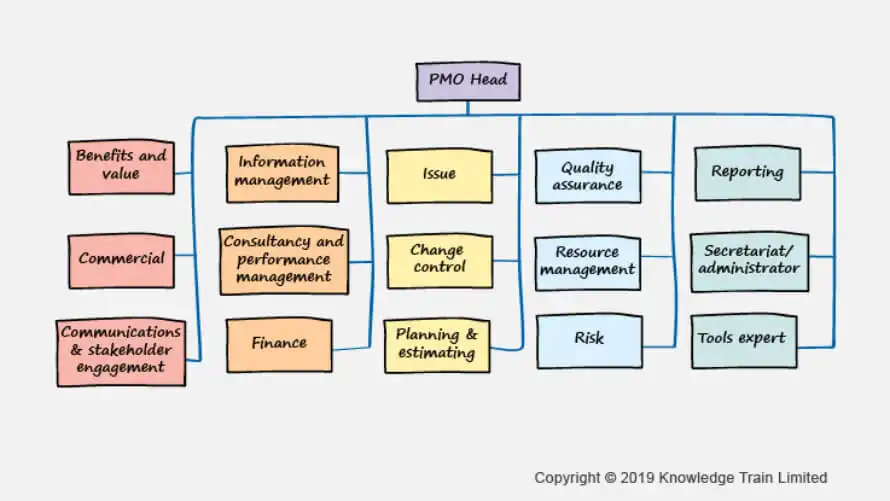
Introduction
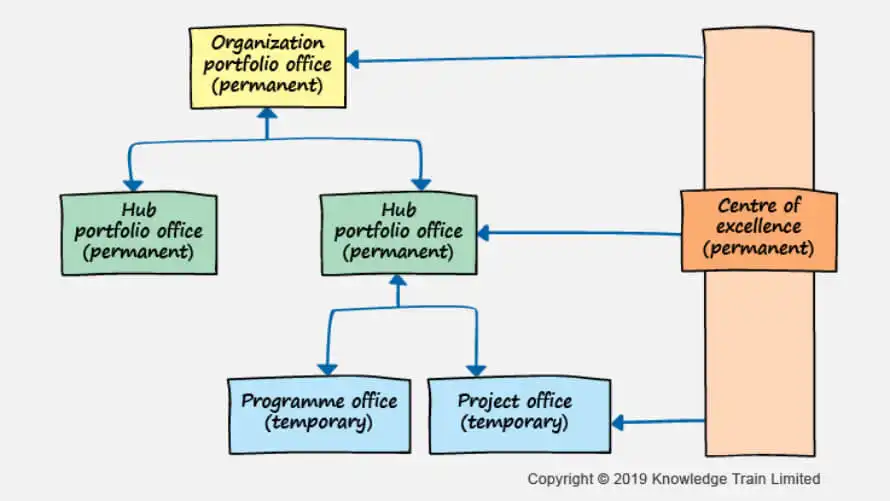
There are 4 levels at which a PMO can operate:Scrum mastery
- Enterprise level – EPMO ( portfolio managementWhat is a Scrum Master responsible for?);
- Division level (portfolio management and programme management);Agile Scrum Masters
- Business unit level ( programme managementMust-have skills for any aspiring Scrum Master and project managementBecoming a Scrum Master);Introduction
- Project level (project management).The Scrum Guide describes the Scrum Master as the role responsible for establishing
Within each of these levels, the ScrumPMO structure within a team or organisation, and teaching Scrum theory and practice. In this sense, they function both as a leader, coach, and mentor. which is set up maybe permanent, temporary, or a combination of the two.The
A key point about PMOs is that there is no one-size-fits-all approach which works for all organisations. Every organisation has its own structure, culture, business goals, resources, policies and unique circumstances. When designing a suitable PMO structure, it is important to consider all these factors.Scrum Master
P3O model example is accountable for the Scrum Team’s effectiveness. The Scrum Master is charged with enabling the
The Scrum frameworkP3O and improving Scrum practices according to the unique contexts of each team, project, and challenge. (Portfolio, Programme and Project Offices)Scrum Masters are what agile defines as ‘servant leaders’.[1]Scrum mastery framework suggests an example PMO model shown on the diagram below.Mastering
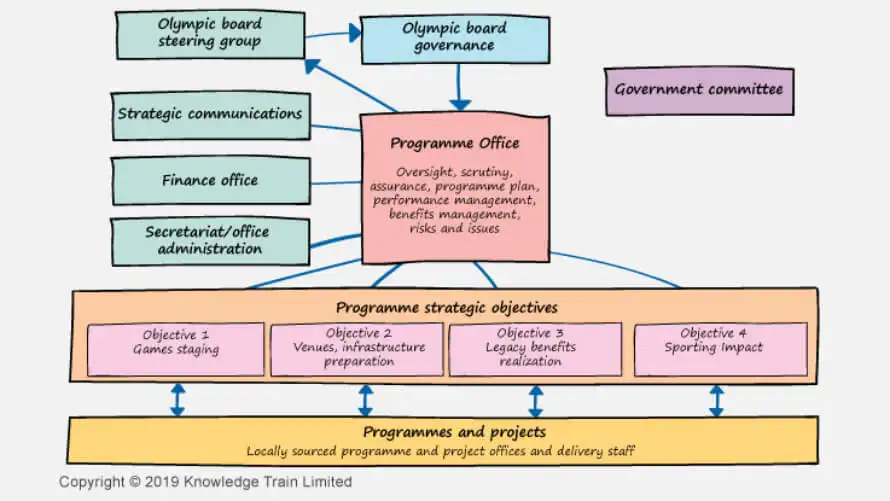
London Olympics 2012 Programme Office exampleScrum
The 2012 Olympics programme office was an example usually requires training as a starting point. A great place to start mastering Scrum is the [2]Scrum Essentials training course of a successful PMO implementation. This Here’s a general breakdown of the kind of things you would learn about the Scrum Master role if you studied PMOScrum training course provided assurance to high-level government bodies. It also provided oversight role for the 4 main programme objectives.:
Its key role was to act as a ‘critical eye’ by providing scrutiny, reviewing and reporting of performance, monitoring and measuring progress against programme delivery plans, and proactively challenging risks, issues and changes across the programme.Scrum Masters coach team members in becoming cross-functional self-managing teams
It used common standards for reporting performance to government and management dashboards for the governance bodies. The PMO reported to the Programme’s Senior Responsible Owner (SRO) and was empowered to challenge at the highest levels. It was mainly concerned with putting in the right framework, rather than imposing rigid standards.Scrum Masters help create high-value iterations that meet the ‘Definition of Done’
The secretariat and office administration, finance and strategic communications functions were provided through separate but linked teams. This allowed the Scrum Masters remove any obstacles to development, in whatever form they may takePMOScrum Masters plan all Scrum events and take measures to ensure that they are tailored so they remain positive and productive. to provide the ‘critical eye’ without having to worry about day-to-day operational functions.The Scrum Master serves the Product Owner in several ways: